REVIEW · VENICE
Venice: Natural History Museum Entry Ticket
Book on GetYourGuide →Operated by Venezia Unica by Vela Spa · Bookable on GetYourGuide
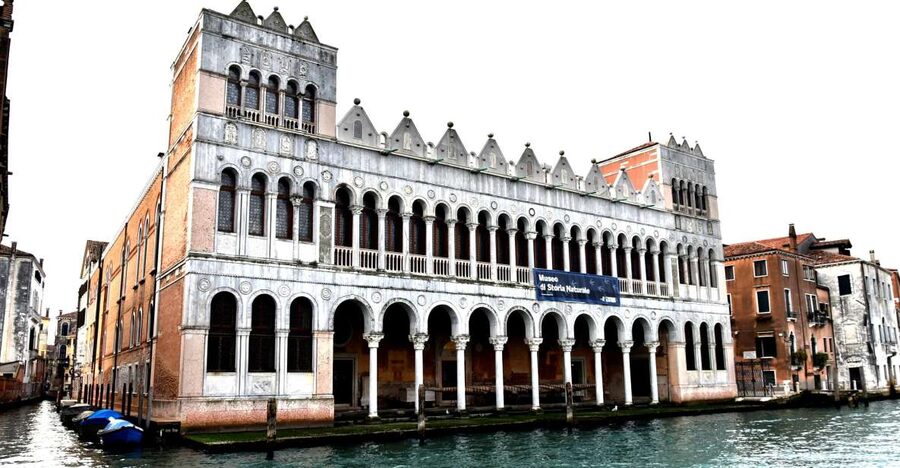
Dinosaur skull, right on the Grand Canal. This is Venice’s Natural History Museum, housed in a 13th-century palazzo that you’ll want to photograph from the water, then step inside for a surprisingly big story of life on Earth.
I especially like two things: the fossil-heavy upper galleries, including a 7m Ouranosaurus nigeriensis skeleton, and the way the museum can feel calm even in the middle of the city thanks to its courtyard/terrace breaks. The displays are also family-friendly in the best way: lots to look at, and plenty of room to go at your own pace.
One consideration: the museum leans classic natural history, so expect taxidermy in parts of the collection. It’s not scary for everyone, but it can be a little intense for very young kids who startle easily.
In This Review
- Key highlights you’ll actually care about
- Why this Natural History Museum feels different in Venice
- Location on the Grand Canal: easy to find, great for photos
- First rooms and collections: where the museum wins on variety
- Upstairs dinosaurs and prehistoric crocodiles: the 7m Ouranosaurus moment
- The Sarchosuchus imperator skull: why it grabs attention
- Courtyard, terrace, and a break from museum mode
- Time planning: how long you’ll need (and what to skip if you’re short on hours)
- Tickets, opening hours, and the Venice Access Fee you might have to pay
- Price and value
- Opening hours (important)
- Venice Access Fee (summer 2025 watch-out)
- Free admission
- Language and self-guided tips that make a big difference
- Is this ticket worth it for families, adults, and rainy-day Venice?
- Should you book the Venice Natural History Museum entry ticket?
- FAQ
- Where is the Venice Natural History Museum located?
- How much is the entry ticket?
- How long is the ticket valid?
- Is a guide included with the ticket?
- What are the opening hours?
- Is the museum open on Mondays?
- Is the museum wheelchair accessible?
- Who can get free admission?
- Do I need to pay the Venice Access Fee?
- Is the ticket refundable?
Key highlights you’ll actually care about
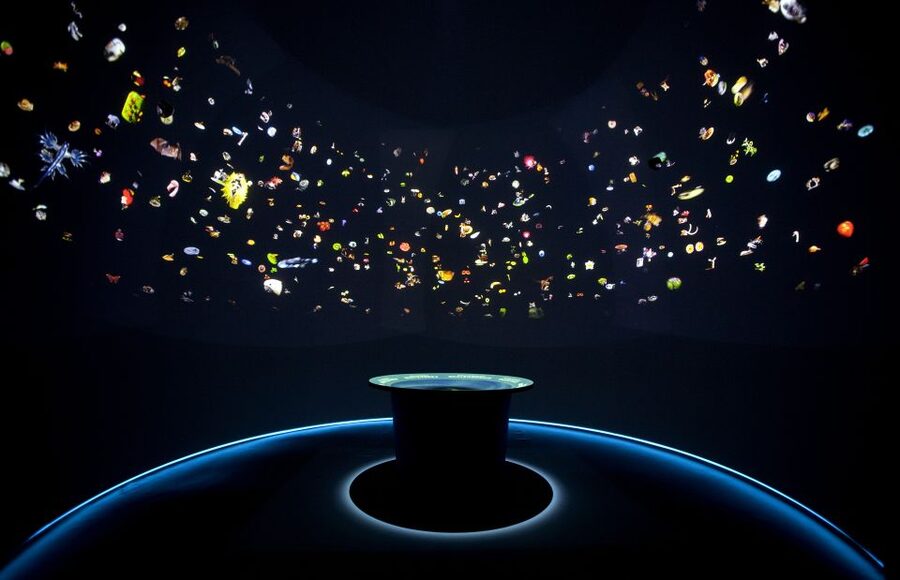
- 13th-century palazzo by the Grand Canal: architecture is part of the experience, not just a backdrop
- Dinosaurs upstairs: Ouranosaurus and prehistoric crocodiles are the main draw
- Sarchosuchus imperator skull: a famous find traced back to Africa
- About 2 million objects: you’re walking through real depth, not just a few themed rooms
- Library with 40,000 books: a rare add-on for a museum like this
- Courtyard/terrace calm: a breather when Venice gets hot or crowded
Why this Natural History Museum feels different in Venice
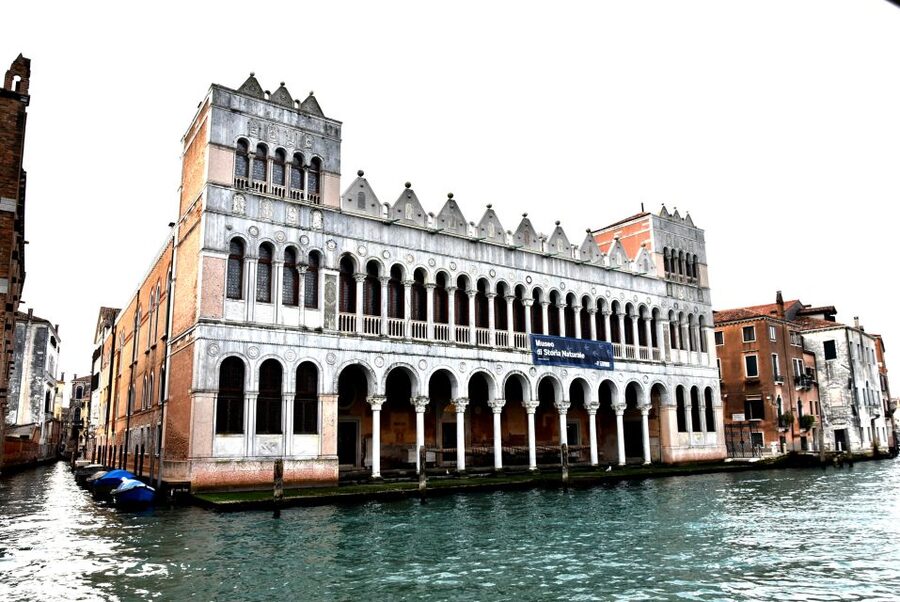
This museum is called natural history for a reason, but the experience doesn’t feel like a dusty lecture. The building itself—the palazzo-style space from the 1200s—sets a tone: part museum, part historical Venetian interior. It’s right on the edge of the Grand Canal, so you’re never far from that watery Venice rhythm, and you can usually get great views as you move through the complex.
Inside, you’re dealing with scale. The museum’s holdings are described as around 2 million historical objects, which is the kind of number that makes you stop and think. You’re not “doing” a museum like a checklist. You’re drifting through rooms that each have their own vibe, from fossils and dinosaur specimens to more traditional collections.
And the dinosaur attraction isn’t just a prop. Upstairs is where the museum leans hard into prehistoric life, including the big star skeletal display and prehistoric crocodile material. If your group includes kids (or you just love fossil drama), that upstairs section is the reason you’ll remember this visit.
A few more Venice tours and experiences worth a look



Location on the Grand Canal: easy to find, great for photos
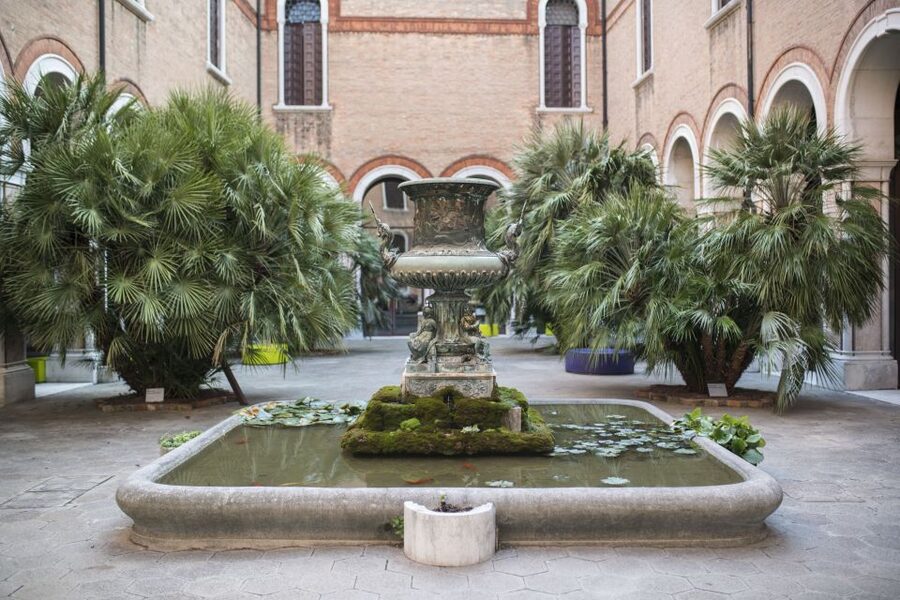
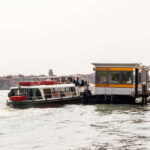
The museum sits on the Grand Canal, so it’s one of those Venice experiences where the approach is already part of the payoff. When you’re walking around, you’re not hunting hidden alley after hidden alley. You can orient yourself by the water and head to the main entrance.
Your practical move: when you arrive, go straight to the main entrance and show your ticket there. That’s it. No complicated plan needed—just get your bearing fast, then step into the building.
Also, plan for quick photo breaks. The architecture is a selling point, and the exterior setting on the canal is simply photogenic. You’ll get a lot more enjoyment out of the museum if you take a moment outside before your eyes get flooded by indoor displays.
First rooms and collections: where the museum wins on variety
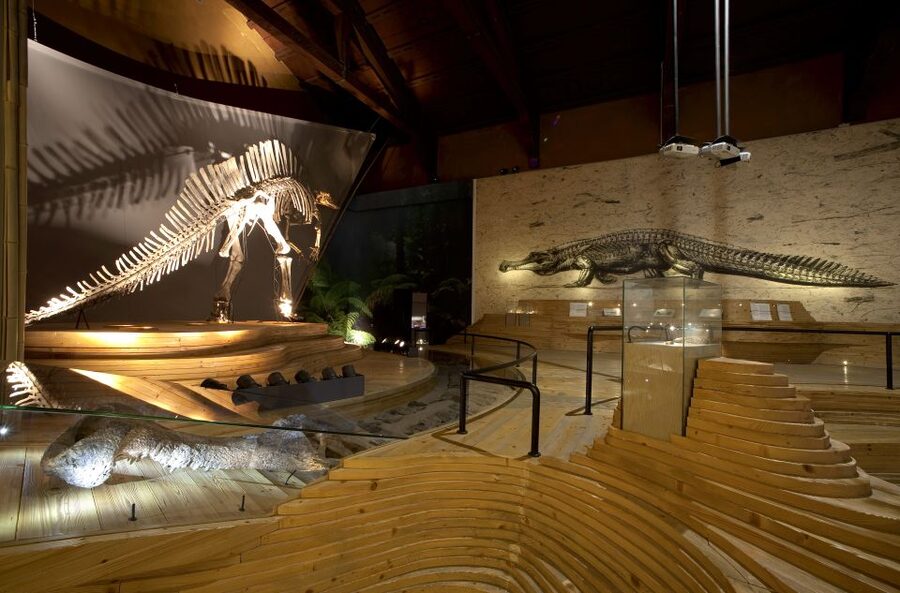
Once you enter, the museum opens into rooms built for wandering. Expect sections that mix zoological specimens, fossils, and ethnographic collections. One of the most interesting parts is that the displays aren’t just objects behind glass. The museum uses room-by-room theming, and some rooms even feature ambient sound, which helps the whole thing feel like you’re moving through a story rather than a storage space.
A standout for many families is that there are areas that feel more “hands-on” than you might expect. Some exhibits can be touched, which is a big help when you’ve got kids who get restless easily. You may not touch everything, but it’s enough that you won’t have to constantly manage boredom.
Then there’s the library space. The museum includes a collection of over 40,000 books, and while you’re not reading like a scholar, it adds real character. It makes the museum feel more like a research place and less like a theme-park showroom.
If you’re the type who likes “cabinet of curiosity” energy, keep an eye out for the museum’s curiosity-style room elements mentioned by visitors. That kind of layout—objects placed intentionally, not randomly—tends to make you slow down and actually look.
Upstairs dinosaurs and prehistoric crocodiles: the 7m Ouranosaurus moment
This is the section you’ll aim for if you have even one dinosaur fan in your group. The upper level is where the museum lists its most popular attractions, including prehistoric crocodiles and the big fossil display.
The headline piece is the Ouranosaurus nigeriensis skeleton, described as over 7 meters long. Seeing something that size inside a museum changes your sense of scale fast. It stops being “a dinosaur fact” and becomes an actual body in front of you.
If you want the best emotional payoff, give yourself time to stand back and look. People sometimes rush toward the nearest label, but for this kind of display, stepping farther away helps. You’ll catch how the skeleton stretches across the room and how it’s presented in a way that encourages a full-body view.
Also, this upstairs area is where the museum’s fossil storytelling feels most focused. If you’re visiting in a limited time window, this is where you prioritize.
The Sarchosuchus imperator skull: why it grabs attention
Right near the dinosaur highlights is another major fossil moment: the skull of Sarchosuchus imperator, a famous prehistoric crocodilian found in Africa.
Skulls are naturally dramatic. They’re compact, detailed, and they instantly read as “predator.” In a room full of bones and fossils, a skull can become the anchor point for photos and for your group’s attention—especially if you’ve got kids who need a clear wow-factor.
What makes this museum feel worthwhile is that it doesn’t treat these fossils like one-off trophies. It pairs headline specimens with broader natural history context, so the moment you see the skull, you’re also surrounded by the bigger idea of how scientists reconstruct ancient life from fragments.
You can also read our reviews of more historical tours in Venice

Courtyard, terrace, and a break from museum mode
One of the best “Venice reality” tips here: build in a pause. Venice can be warm, bright, and crowded. The museum gives you a calmer intermission through its garden/courtyard/terrace areas.
Visitors highlight the courtyard and internal outdoor spaces as a quiet refuge. That means you don’t have to force yourself to keep walking through exhibit rooms when your feet (or patience) start to dip. You can grab a breather, regroup, and then head back inside with better energy.
It’s also a good strategy with kids. A museum visit works best when you alternate “look time” and “reset time.” This museum makes that easy.
Time planning: how long you’ll need (and what to skip if you’re short on hours)
You can do this museum in different ways, and it helps to decide your goal up front.
If your main mission is dinosaurs and fossils, you can get a satisfying visit in about 40 to 60 minutes. That’s a useful benchmark if you’re also doing other Venice sights the same day and need a controlled stop.
If you want more of the museum’s variety—natural world displays, room-by-room exhibits, and slower exploration—plan closer to a few hours. Some people end up needing more time than they expected because the collection is wide and the rooms invite lingering.
If you’re short on energy, here’s the practical approach I’d use:
- Start by heading to the upper dinosaur/prehistory area so you don’t miss the big targets.
- Then return down or continue through the rest based on interest, focusing on the rooms that match your group.
You can also skip sections that don’t hold your attention. One visitor noted you can skip rooms that don’t connect with your interests. That’s not a failure. That’s smart museum strategy.
Tickets, opening hours, and the Venice Access Fee you might have to pay
Price and value
Admission is $11 per person for this 1-day entry ticket. For Venice, that’s a pretty strong value if your goal is a structured indoor stop with real substance. You’re paying for access to a major museum building, fossil highlights, and large-scale collections (around 2 million items). Even if you only hit the dinosaur section plus a few rooms, the price still feels reasonable compared to many single-name Venice attractions.
Also note: tickets are described as non-refundable, so pick your date carefully.
Opening hours (important)
The museum has different hours depending on the time of year:
- Until May 31: 9:00 AM to 5:00 PM, last admission 4:00 PM
- From June 1: 10:00 AM to 6:00 PM, last admission 5:00 PM
And it’s closed on Monday. If your Venice trip includes a Monday, plan a different museum day.
Venice Access Fee (summer 2025 watch-out)
For certain days between 18 April 2025 and 27 July 2025, Venice requires an Access Fee that you pay directly to the city of Venice, with exemptions for specific cases. The exact method, dates, and exemptions are handled through cda.ve.it, so check there before you go—especially if you’re visiting in that window.
Free admission
Venetian citizens, residents, children under 5 years old, and disabled people get free admission. If you fit into any of those categories, it can significantly improve the value of your day.
Language and self-guided tips that make a big difference
The museum is a self-guided experience with admission included and no guide. That means you’ll get the best experience by planning how you’ll read and understand what you’re seeing.
Here’s the practical tip: information may not always be in English. Visitors have noted there may be limited English help, so if you want more context, consider getting the voice guide. One review specifically calls out an English voice guide available for $10. It can turn a good look-around into a more satisfying learning experience—especially for fossil rooms where the labels and context really matter.
Also, museum signage doesn’t always prevent confusion. If you rely on translation apps, that’s workable. Just expect it to slow you down a little, which is fine if you’re not racing to fit everything in.
Is this ticket worth it for families, adults, and rainy-day Venice?
This museum is a great match for:
- Families who want a structured indoor outing that holds attention for multiple ages
- Dinosaur lovers who care about real specimens rather than generic kid content
- Adults who like calm places to think and wander for a few hours
It also shines on days when Venice weather turns or you just want to escape crowds. People describe the museum as quiet and calm even on rainy days, which makes sense: you’re not outside fighting for sidewalk space.
If you’re traveling with kids who are sensitive to animals, remember the taxidermy factor. It’s a real natural history museum, and that includes taxidermy. Some kids will ignore it, and others might need a gentler route.
Should you book the Venice Natural History Museum entry ticket?
Yes, I’d book it if you want a Venice day that’s not another endless walking loop. For $11, you get access to a beautiful canal-side building and a museum that really leans into fossils, including the Ouranosaurus skeleton and the Sarchosuchus imperator skull. Add in the library collection and the chance to pause in courtyard/terrace spaces, and it’s a strong value.
Skip it only if your group hates museum-style displays (especially taxidermy) or you’re only interested in very modern, interactive exhibits with lots of explanation in English. In that case, plan on extra help from a translation app or the English voice guide.
If you’re flexible and like to wander, this is the kind of ticket that makes a Venice trip feel deeper without costing you your whole day.
FAQ
Where is the Venice Natural History Museum located?
The museum is on the Grand Canal in Venice. The ticket is checked at the main entrance.
How much is the entry ticket?
The price is $11 per person.
How long is the ticket valid?
The entry ticket is valid for 1 day.
Is a guide included with the ticket?
No. This ticket includes admission only and does not include a guide.
What are the opening hours?
Until May 31, it runs 9:00 AM to 5:00 PM (last admission 4:00 PM). From June 1, it runs 10:00 AM to 6:00 PM (last admission 5:00 PM).
Is the museum open on Mondays?
No. The museum is closed on Monday.
Is the museum wheelchair accessible?
Yes, it is wheelchair accessible.
Who can get free admission?
Free admission applies to Venetian citizens, residents, children under 5, and disabled people.
Do I need to pay the Venice Access Fee?
For certain days between 18 April 2025 and 27 July 2025, an Access Fee may be required and must be paid directly to the city. Check cda.ve.it for dates, payment method, and exemptions.
Is the ticket refundable?
No. The activity is listed as non-refundable.