REVIEW · VENICE
Venice: Ca’ Pesaro Modern and Oriental Art Museum Ticket
Book on GetYourGuide →Operated by Venezia Unica by Vela Spa · Bookable on GetYourGuide
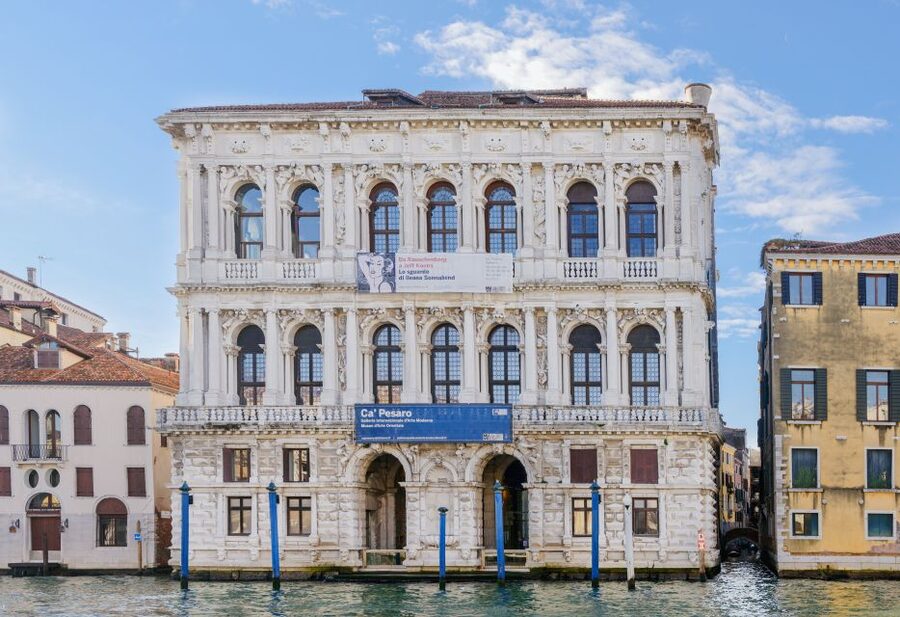
Two museums in one baroque palace. Ca’ Pesaro is one of Venice’s grandest art settings, a marble landmark facing the Grand Canal that lets you jump between modern masterpieces and Oriental art without changing locations. Ca’ Pesaro itself is the showpiece, and the building makes the collections feel extra special against the canal views.
I especially love the modern collection’s lineup: Klimt, Chagall, Klee, and Kandinsky share space with sculpture highlights that can include Rodin. Then the Oriental Art Museum turns the volume way down with Edo-era Japanese pieces and striking examples like Samurai armor.
One thing to plan for: there’s no live guide, so you’ll rely on signage and museum flow, and you need to respect the 5:00 PM last entrance. Also, it’s closed on Mondays, so check dates before you build your Venice schedule.
In This Review
- Key things to know before you go
- Ca’ Pesaro: A Baroque Grand Canal Palace Worth the Ticket Alone
- Modern Art Gallery: Klimt, Chagall, Klee, Kandinsky, and Rodin-Style Sculpture
- Oriental Art Museum: Edo-Era Japanese Treasures and Samurai Armor
- How to Plan Your One-Day Visit (Without a Live Guide)
- Price and Value: Getting Two Museums for About $11
- Who This Ticket Suits Best
- Should You Book This Ca’ Pesaro Ticket?
- FAQ
- Is this ticket valid for only one day?
- Where do I enter for this ticket?
- Is a live guide included?
- What are the opening days?
- What is the last time I can enter?
- Is there an extra Access Fee in Venice during certain dates?
- Are children admitted for free?
- Is the museum wheelchair accessible?
- Is the ticket refundable?
- Can I expect changes to opening hours?
Key things to know before you go
- A baroque palace on the Grand Canal makes even waiting outside feel worth it.
- Modern art heavy-hitters include Klimt, Chagall, Klee, and Kandinsky.
- Edo-era Japanese art is a main event, including Samurai armor examples.
- Japanese, Chinese, and Indonesian works keep the Oriental collection varied and surprising.
- Free locker storage can help with bags, especially in warmer months.
- A cafe with canal views is a great pause if you need a break during museum time.
Ca’ Pesaro: A Baroque Grand Canal Palace Worth the Ticket Alone
Ca’ Pesaro isn’t just a museum address. It’s a classic Venetian statement—baroque marble and a front-facing position on the Grand Canal that gives you a built-in sense of place. Even if art isn’t your only motivation, arriving at a landmark like this makes the day feel more “Venice” than “museum line.”
This ticket is designed for a one-day art reset. You’ll be able to see both the modern art side and the Oriental Art Museum in the same overall venue, which matters in Venice. There’s less logistics stress, and you don’t burn time hopping between far-flung stops.
Timing is your main planning lever. The last entrance is 5:00 PM, and the museum is closed on Mondays, so aim to visit on a weekday or build around that schedule. If you’re traveling during the busy season window noted for extra city charges, you’ll also want to budget time to handle the Access Fee requirement directly with the City of Venice during those specified dates (check cda.ve.it for the exact method and any exemptions).
If you want a smart strategy, don’t treat this like a quick museum sprint. Treat it like a slow walk through two different art worlds that both fit inside the same dramatic building.
A few more Venice tours and experiences worth a look
Modern Art Gallery: Klimt, Chagall, Klee, Kandinsky, and Rodin-Style Sculpture
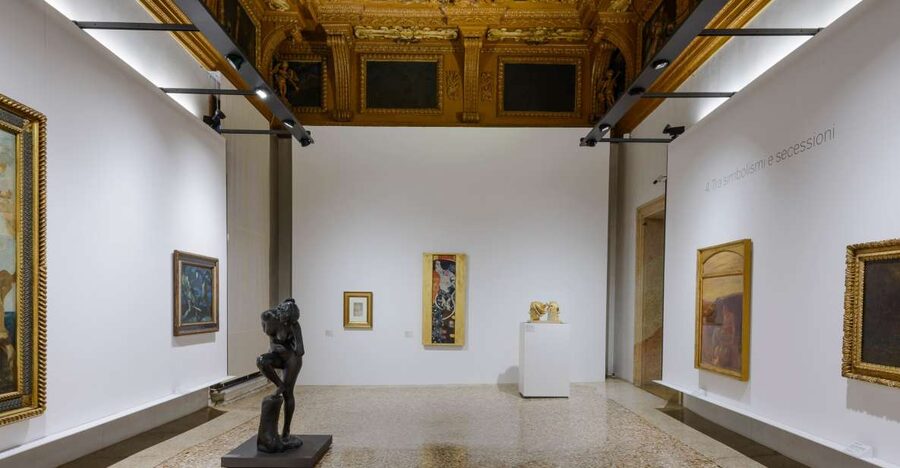
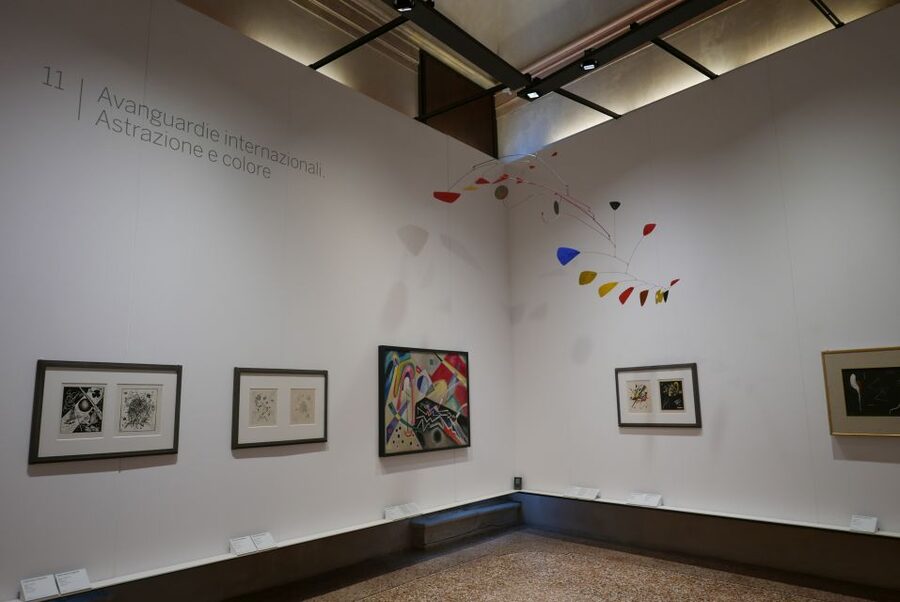
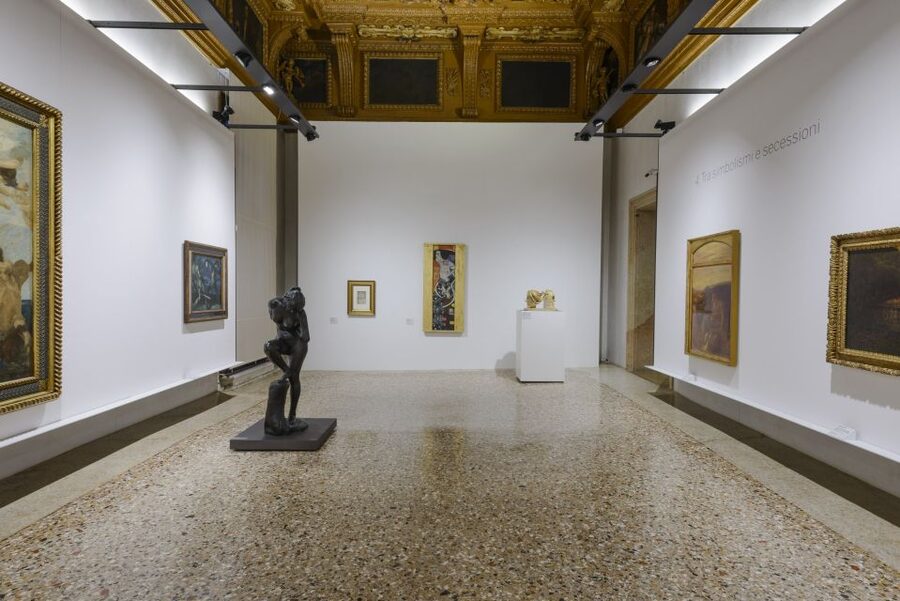
The modern art experience at Ca’ Pesaro has a clean rhythm: you move through rooms focused on 19th- and 20th-century work, with famous names and movements represented in a way that’s easy to connect to European art history. If you’ve ever wished you could see a museum that mixes “recognizable big names” with lesser-known European modernists, this is that kind of stop.
One of the best parts is the gallery’s recognition factor. You’ll see works by Klimt and Chagall, and the collection also features Klee and Kandinsky—artists that many people associate with major modern movements. Even if you don’t know every detail, you can often spot the artistic shift: bold color, modern forms, and ideas that changed the direction of European art.
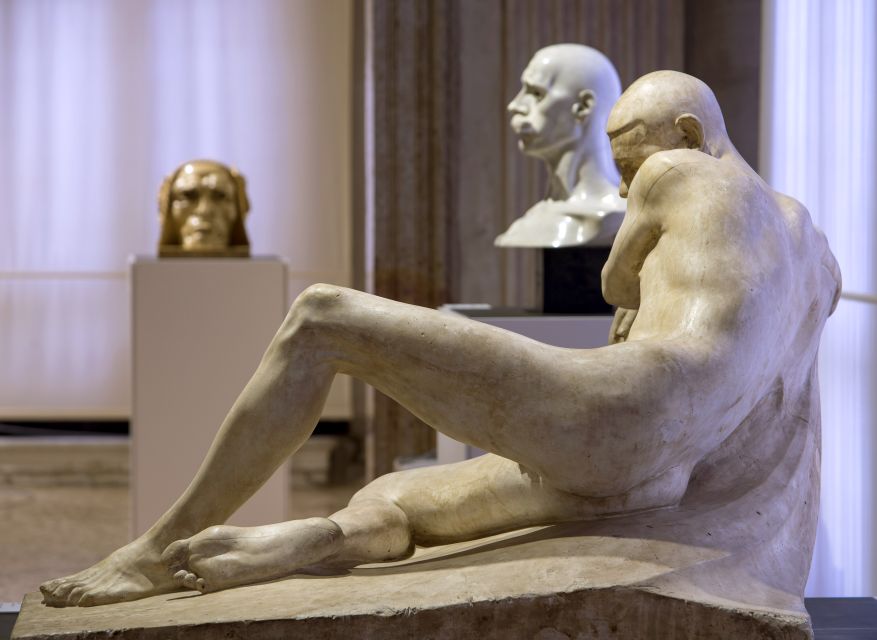
Sculpture also shows up here, and one practical detail from real visitor experience is that you can encounter sculptural works that include Rodin. That matters because it prevents the experience from becoming only wall-to-wall painting. If you’re the type who likes to slow down, stand back, then look again, the 3D pieces are a good mental break between paintings.
A helpful way to plan the modern side is to think in layers:
- Start with the headline artists and movements so your brain has a frame.
- Then spend extra time on the rooms you’re less sure about, because that’s where modern collections often show their real personality.
- If the day is hot, pace yourself. Museums feel easier when you treat them like seasons, not chores.
Also note a tip that’s easy to overlook: there’s a cafe area with Grand Canal views and some visitors recommend taking a drink break there. It’s a nice way to reset your eyes before you continue through the galleries.
Oriental Art Museum: Edo-Era Japanese Treasures and Samurai Armor
The Oriental Art Museum at Ca’ Pesaro is where the ticket really earns its “two worlds” promise. Instead of the visual language of European modernism, you get an art focus that spans Japanese, Chinese, and Indonesian works. The shift is not just cultural—it changes how you read objects: materials, craft, and iconography start to matter more.
The headline for many people is the Japanese collection, and specifically one of the most important collections of Edo-era Japanese art on display. That Edo period matters because it’s a defined era with its own visual traditions, styles, and symbolism. When you see that kind of focused collection in one museum space, you can feel the logic of how themes evolve rather than treating each object like a random collectible.
And yes, you may see Samurai armor on display. That’s the kind of artifact that pulls you in fast: the textures, the construction, and the way armor communicates rank and identity. Even if you’re not a history person, these pieces have an immediate physical presence.
This museum experience is also a good antidote to Venice’s usual routine. Most people spend their time orbiting churches, canals, and quick photo stops. Here, you slow down and let art objects do the talking for longer than a street view ever will.
One practical consideration: because there’s no live guide included, you’ll get more from the Oriental Museum if you’re comfortable reading labels closely. If you prefer spoken explanations, plan to spend a little extra time at key objects and let the written context do its job.
How to Plan Your One-Day Visit (Without a Live Guide)
You’ll want to treat this as a self-paced museum day. Your entry is straightforward: go directly to the Ca’ Pesaro International Gallery of Modern Art and show your ticket when entering. There isn’t a live guide included, so the experience depends on how you navigate and how you choose what to prioritize.
Here’s a practical approach I’d use:
- Start with the modern art rooms first, since a visitor tip notes modern art is on the first floor.
- Then move to the Oriental Art Museum once your eyes have already adjusted to indoor lighting and museum pacing.
- Build in one break so your visit doesn’t blur into a long visual marathon. The cafe with canal views is a natural option.
Allow time for the building itself, too. Ca’ Pesaro sits in a dramatic spot on the Grand Canal, and you’ll likely want a short pause outside or near windows to reset your sense of direction. Venice is easy to lose track of time when you keep stopping for photos, so having a museum plan helps you stay grounded.
Important schedule notes to keep your day smooth:
- Closed on Mondays
- Last entrance at 5:00 PM
- Check the official Civic Museums of Venice site for any schedule changes
- Children under 6 get free entry
- During specific dates in the spring/summer high-traffic period, the City of Venice may require an Access Fee (handled directly with the city; see cda.ve.it)
One more small but real-life detail: lockers can help. A visitor reported free locker storage for bags. If you’re carrying a daypack or shopping bags, use lockers early so you can move through rooms without dragging weight around.
Price and Value: Getting Two Museums for About $11
At $11 per person, this ticket is mostly a value play: you’re paying for admission to a major Venice palace and getting access to two very different collections. If you like modern art and you’re curious about Asian art traditions, the pricing makes the decision easier.
The key is to match the price with your interests. If you only want one small slice of art, you might feel stretched. But if you like variety—European modern names plus the Edo-focused Japanese collection—this ticket reads like a smart way to spend a single day in Venice without overthinking it.
Because there’s no live guide included, value is tied to your willingness to read and look closely. That’s not a negative. Many people prefer the freedom of self-pacing, but you should go in with the mindset that museum labels are part of the experience.
Also, don’t forget the timing value of one venue. Venice days can get expensive in time and energy. Seeing both collections here reduces the “logistics tax” compared with trying to piece together separate attractions across the city.
You can also read our reviews of more museum experiences in Venice


Who This Ticket Suits Best
This is a great fit if you want an art-forward Venice day that isn’t limited to churches and canal views. I think it’s especially good for people who:
- Enjoy modern art and want to see big names like Klimt, Chagall, Klee, and Kandinsky in a single stop.
- Are curious about Edo-era Japanese art and want to see major examples like Samurai armor.
- Prefer self-paced museums with time to linger rather than group tours with constant movement.
- Like variety: Japanese, Chinese, and Indonesian works keep the Oriental side from feeling one-note.
It’s also a solid choice for hot days. One practical takeaway from visitor experience is that on warm weather days, the museum break can be the right kind of relief—cooler interiors, structured viewing time, and the option to step out for canal-view pauses when you want air.
If you’re coming with kids, note the free entry rule for children under 6. If your group includes older kids, the museum’s mix of art styles and objects (including armor) can hold attention better than a purely painting-focused visit, though your mileage will depend on the kid.
Should You Book This Ca’ Pesaro Ticket?
Book it if you want a Venice art day that feels substantial but still realistic for a first visit. For $11, you’re getting two important museum experiences in one dramatic building: modern masterpieces alongside an Oriental collection anchored by Edo-era Japanese art.
Skip it only if you’re strictly following a church-and-canal plan and you know you won’t spend time reading museum labels. Also, if your travel dates land on a Monday, this won’t work because it’s closed that day.
If your schedule gives you flexibility, this is exactly the kind of ticket that turns a single day in Venice into something more than a photo route. You’ll leave with two different visual worlds in your head—one modern, one rooted in older craft and symbolism—and that combination is the real win here.
FAQ
Is this ticket valid for only one day?
Yes. The ticket is valid for 1 day, and you should check availability for starting times.
Where do I enter for this ticket?
Go directly to the Ca’ Pesaro International Gallery of Modern Art and show your ticket when entering.
Is a live guide included?
No. A live guide is not included with this experience.
What are the opening days?
The museum is closed on Mondays.
What is the last time I can enter?
Last entrance is at 5:00 PM.
Is there an extra Access Fee in Venice during certain dates?
On certain days between 18 April 2025 and 27 July 2025, you may be required to pay an Access Fee directly to the City of Venice. Check cda.ve.it for payment details and any exemptions.
Are children admitted for free?
Children under 6 years old get free entry.
Is the museum wheelchair accessible?
Yes, it is wheelchair accessible.
Is the ticket refundable?
No. This activity is non-refundable.
Can I expect changes to opening hours?
You should consult the official Civic Museums of Venice website before planning, since opening and closing times can change.