REVIEW · PHNOM PENH
Killing field and Toul Sleng genocide museum Tour
Book on Viator →Operated by Phnom Penh Tours · Bookable on Viator
The Khmer Rouge story hits harder here. This Phnom Penh tour pairs Choeung Ek Killing Fields with Tuol Sleng (S-21) so you can connect how arrests turned into interrogation and, eventually, mass execution. It runs with an English-speaking licensed guide who translates the displays and keeps the facts readable, not random.
I especially like the way this tour is built for understanding, not just sightseeing. You get an air-conditioned vehicle plus bottled water, and you spend about two hours at each site with a guide who explains what you’re seeing as you walk.
One consideration: this is emotionally heavy. You’ll also need to budget separately for admission fees, and there’s a note that you won’t be getting the usual audio guides inside.
In This Review
- Key highlights you’ll feel right away
- Why these two sites belong together in Phnom Penh
- Price and logistics: what you actually pay in your budget
- Choeung Ek Genocidal Center: what the setting teaches you
- Tuol Sleng Genocide Museum (S-21): the interrogation system in brick form
- The guides make or break this tour (and you’ll notice)
- Time, pickup, and how to plan your half day
- What you’ll learn: a clearer Khmer Rouge timeline
- Practical travel notes (so the day stays smooth)
- Should you book the Killing Fields and Tuol Sleng tour?
Key highlights you’ll feel right away
- English translation throughout so the exhibits make sense as you go
- Choeung Ek + Tuol Sleng in one half-day, so the story connects
- Air-conditioned transport and water keep the logistics sane
- Guides with firsthand or family experience share personal context (names you may meet include Makara, Darian, Ron, Rouan, Chamroeun, Neang, and Ohm)
- Time on-site (about 2 hours each) gives you room to absorb without rushing
Why these two sites belong together in Phnom Penh
If you’re visiting Phnom Penh, these two places are the center of gravity for understanding what the Khmer Rouge did. Choeung Ek is where victims were killed and buried, while Tuol Sleng (S-21) is where many prisoners were held, tortured, and processed before death. Seeing them back-to-back turns separate history facts into one chain of events.
Choeung Ek is often described in numbers—how many were executed, how long it happened, and what came after. Tuol Sleng is more specific in a different way: it’s the machinery of control. You walk through classrooms turned into detention and interrogation spaces, and you start to see the cold logic of the regime.
On this tour, the guide translation matters because the displays can be emotionally blunt and text-heavy. With a good guide, you get the context fast and you’re not left trying to connect dots on your own while you’re overwhelmed.
You can also read our reviews of more museum experiences in Phnom Penh
Price and logistics: what you actually pay in your budget
The base price is $19 per person, and the tour provides a professional English-speaking guide plus a driver, bottled water, and air-conditioned transportation. It’s also set up as a half-day outing—about 4 hours 15 minutes total—so you can still enjoy other parts of Phnom Penh later.
Admission fees are extra:
- Choeung Ek Genocidal Center: $3 per person
- Tuol Sleng Genocide Museum (S-21): $5 per person
So plan around $27 total per person before tipping (and you’ll want to tip if you feel your guide and driver earned it; several reviews bring that up). For what you get—two major sites, translation, and transport—this is strong value in Phnom Penh.
One practical note: admission tickets are not included, and the exact stops depend on the schedule. Still, the tour structure is straightforward: pickup, drive out to Choeung Ek, return for Tuol Sleng, then back to the meeting point (back to where you started from, at the Amanjaya Pancam Hotel pickup point).
Choeung Ek Genocidal Center: what the setting teaches you
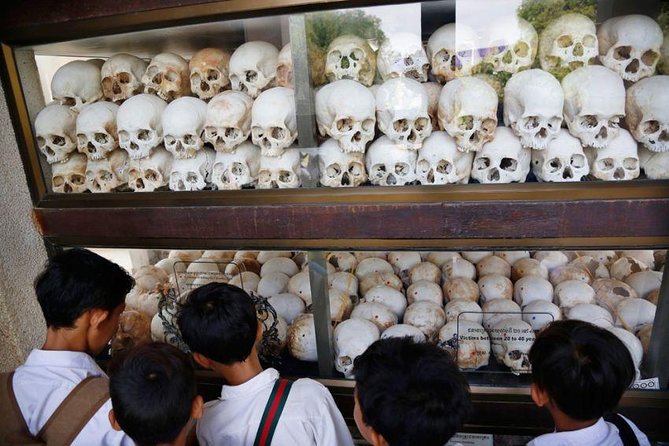
Choeung Ek sits about 9 miles south of Phnom Penh, and the drive takes you out of the city noise. The site itself has a specific origin story that changes how you look at the ground. It wasn’t always a killing field. It was once an orchard and even tied to a Chinese cemetery. Under the Khmer Rouge leadership of Pol Pot, it was transformed into a place of executions.
At Choeung Ek, the guide helps you hold three ideas at once:
- This was an organized system, not random violence.
- The scale is hard to picture, even when you have numbers.
- The location matters because it shows how ordinary space was turned into atrocity space.
The information provided for this site says the Khmer Rouge executed around 20,000 victims here, and over three years they massacred and buried about 2.5 million people. Those numbers are not light reading. A good guide doesn’t just repeat them. They explain what conditions and policies made that kind of outcome possible.
Time on-site is about two hours. That’s enough to walk, look, and read at a pace that doesn’t feel like sprinting through grief. You’ll likely want water breaks, a slow tempo, and a moment to just stand still.
Drawback to plan for: because this is a memorial site, the experience can be confronting in a very direct way. Don’t schedule a celebration dinner right after. Build in a calm buffer afterward.
Tuol Sleng Genocide Museum (S-21): the interrogation system in brick form
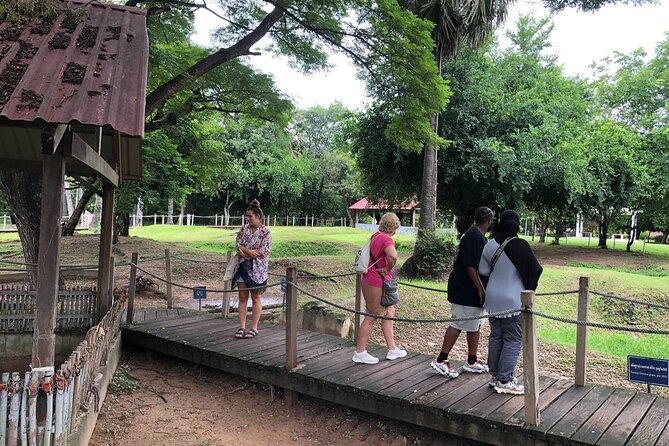
After Choeung Ek, you head back to Phnom Penh for Tuol Sleng Genocide Museum, often called S-21. The name Tuol Sleng refers to the hill it sits on, associated with poisonous trees.
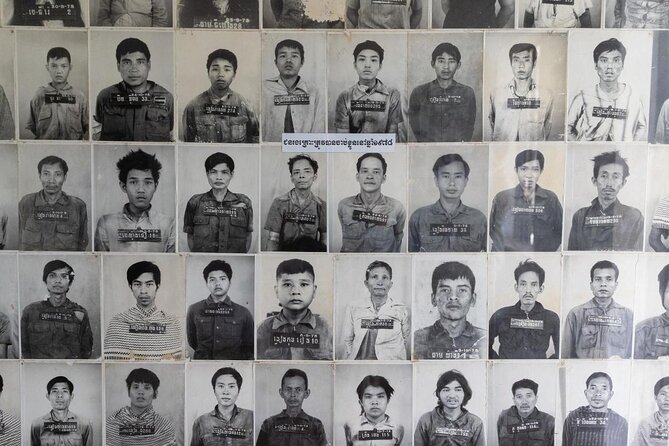
Tuol Sleng was once a high school. Under Pol Pot’s regime, it became a high-security prison and interrogation center. The tour information notes there were 189 known interrogation centers in Cambodia, and S-21 is the most notorious—because of what it held and what it produced.
The figures you’re given here are stark: 14,000 to 17,000 prisoners were detained, tortured, and processed in the prison system. You’ll see that reality reflected in the space—former classrooms turned into detention and torture areas, with primitive brick cells built within former school rooms.
This stop is usually where people feel the details most intensely. At Choeung Ek, the landscape communicates scale. At Tuol Sleng, the architecture communicates method. You start understanding interrogation not as a vague concept but as steps carried out inside a building.
Time on-site is also about two hours, and the translation support keeps you from getting lost in documents and display text. One review specifically notes that you won’t be getting the usual audio guides at the museum—so rely on your guide’s explanations and ask questions if something doesn’t click.
The guides make or break this tour (and you’ll notice)
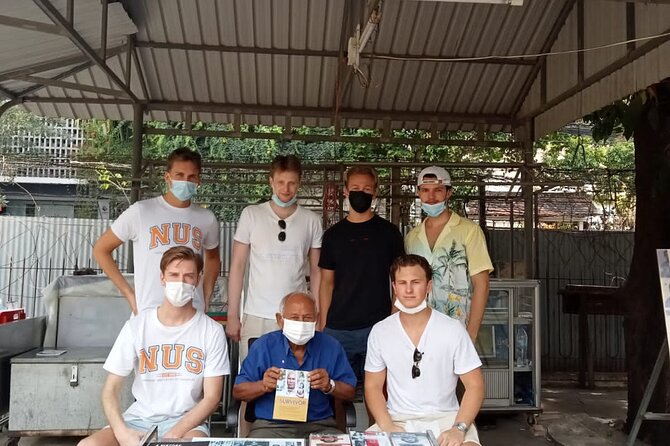
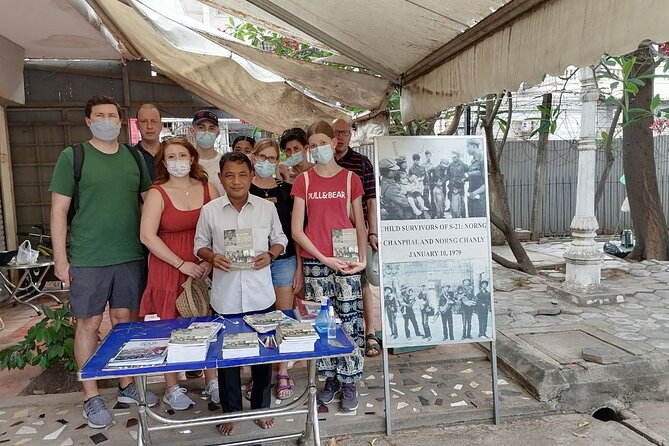
The single biggest strength of this experience is the human layer: the tour relies on an English-speaking licensed guide who translates the exhibits and answers questions. That’s not just a comfort feature. It’s the difference between reading facts and actually understanding what the facts mean.
The reviews include several guide names, and a theme keeps coming up: guides connect Khmer Rouge history to personal experience. Some guides were children during the Khmer Rouge period, while others shared family or first-hand context about what happened and how it affected daily life and memory afterward. Names mentioned include Makara, Darian, Ron, Rouan, Chamroeun, Neang, and Ohm.
Even if your guide doesn’t have a personal story, a strong guide can still do something crucial: translate heavy displays into a clear timeline. For this tour, that timeline matters. You’re going from the moment of detention and interrogation (Tuol Sleng) to the outcomes in killing fields (Choeung Ek), and you need help keeping the story straight.
Tip for you: if your guide moves quickly, it’s okay to ask for slower explanations. You’re allowed to pace yourself. This is one of those tours where comprehension beats speed.
Time, pickup, and how to plan your half day
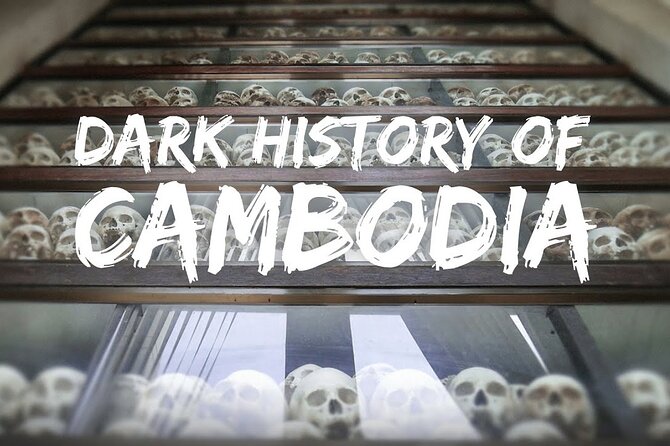
This tour is set for about 4 hours 15 minutes. That timing is realistic because it includes driving time plus about two hours at each site.
Pickup is offered, and the start point in the info is at Amanjaya Pancam Hotel on Dekcho Damdin St. (154). The tour ends back at the meeting point as well.
What I’d plan around:
- Wear comfortable shoes. You’ll be walking inside memorial grounds and around museum spaces.
- Bring a light layer. Some indoor areas can feel cooler.
- Don’t stack another demanding attraction immediately after if you’re sensitive to heavy topics.
Also, group size is capped at 20 travelers. In practice, you may end up with fewer people, which can make translation feel more personal and allows more time for questions.
One review mentions a minor pickup communication issue and confusion about timing, so I’d treat this as a “double-check the day before” type of tour. If you’re using WhatsApp messages for pickup coordination, save them, read them carefully, and be ready when the driver arrives.
What you’ll learn: a clearer Khmer Rouge timeline
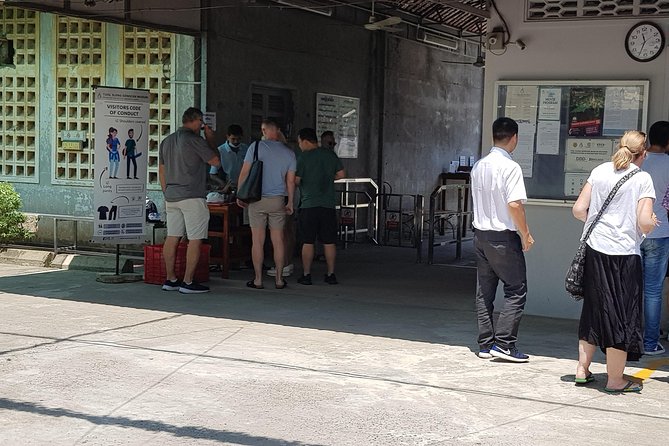
This tour isn’t just about where deaths happened. It’s about understanding how the Khmer Rouge system functioned—how people were targeted, moved, detained, and then processed.
From Choeung Ek, you learn about the transformation of space and the scale of killings. From Tuol Sleng, you learn about the prison side of the machine: interrogation, torture, and the environment where prisoners were held before being executed.
And because your guide translates the exhibits, the story doesn’t stay trapped in facts. It becomes a timeline you can explain to someone later:
- policies and control
- arrests and detention
- interrogation and torture spaces
- the route from prison to killing fields
If you want one-word motivation for booking: respect. You come here to pay respects to victims and to understand the recent history that shaped Cambodia’s modern identity.
Practical travel notes (so the day stays smooth)
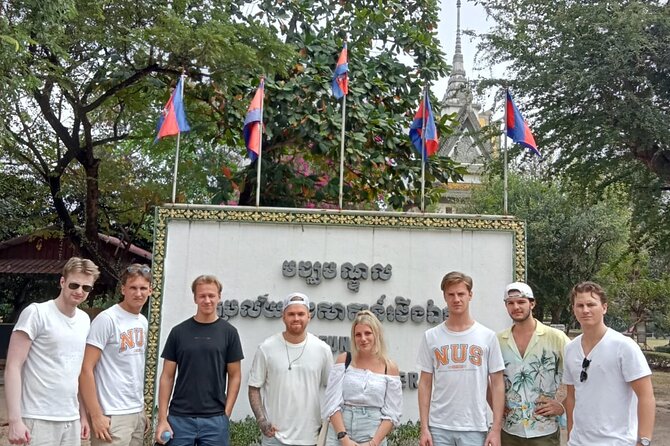
A few details are worth planning for because they affect comfort and pacing:
- Admission tickets are separate: $3 at Choeung Ek and $5 at Tuol Sleng.
- Transportation is air-conditioned and includes bottled water, which you’ll appreciate in Phnom Penh heat.
- The tour includes a professional English-speaking guide and driver, with safe, hygienic transportation mentioned in the tour info.
- Audio guides aren’t part of the experience at the museum, based on a specific note in the reviews, so plan to rely on your guide’s explanations.
If you’re visiting with kids or teens, consider whether they can handle graphic, heartbreaking historical content. The experience is somber, and the exhibits can be emotionally intense. For some families it’s educational in a meaningful way; for others it’s too much.
Should you book the Killing Fields and Tuol Sleng tour?
If you’re going to Phnom Penh and you care about understanding Cambodia’s recent history with respect, I think this is a strong booking. The value is clear: two top sites in one half-day, English translation, and practical logistics like air-conditioned transport and water.
You should book it if:
- you want context, not just photos
- you appreciate guided translation of heavy exhibits
- you’re willing to handle an emotional subject with seriousness
You might skip or adjust your plan if:
- you’re not comfortable with confronting content about torture and genocide
- you prefer a lighter day and want less heavy context right after
- you’re very sensitive to pacing issues (given at least one pickup communication complaint, you’ll want to confirm details)
My call: book this tour, but treat it like a memorial visit, not a standard attraction. Show up ready to listen, ask questions, and take your time. The guides here—like Makara, Darian, Ron, Rouan, Chamroeun, Neang, and Ohm—are the difference between knowing the name Khmer Rouge and truly understanding what happened to real people.