REVIEW · PHNOM PENH
Phnom Penh City Tour, Silver Pagoda, Genocide Museum, Killing Fields
Book on Viator →Operated by Green Era Travel · Bookable on Viator
Phnom Penh hits hard, fast, and in good ways. This small-group tour strings together the Royal Palace area and two of the most important Khmer Rouge sites in under half a day, so you don’t waste time figuring out transport or where to start—small group included.
I especially love the hotel pickup and drop-off, which makes the day feel effortless, and the English-speaking guide who brings context you won’t get from a guidebook. You get enough structure to see the key places without rushing your feet off.
One possible drawback is that S-21 and the Killing Fields are very graphic and emotionally heavy, and the experience can feel like a lot for some people—especially if you’re sensitive to historical violence. Also, language delivery can vary by guide, so if you want crisp explanations, look for a guide who’s easy to follow.
In This Review
- Key takeaways before you go
- Why this Phnom Penh half-day loop fits real schedules
- Price and value: what $65.67 covers, and what you should budget too
- Royal Palace and Silver Pagoda: royal power, silver tile details, and strict dress code
- Tuol Sleng (S-21) Genocide Museum: a school that became a security prison
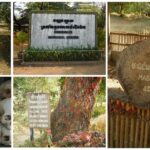
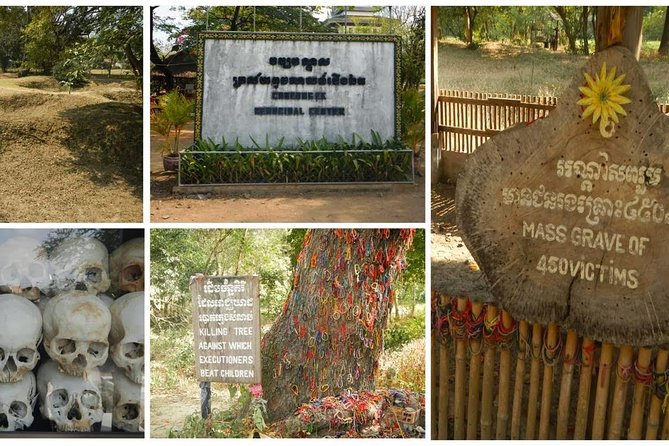
- Choeung Ek Killing Fields: when the horror hides in plain sight
- Transport that keeps the day moving without burning you out
- The emotional tone and how to prepare (so it doesn’t overwhelm you)
- Who should book this tour, and who might skip it
- Should you book this Phnom Penh tour? My practical recommendation
- FAQ
- FAQ
- How long is the Phnom Penh City Tour?
- What’s included in the tour price?
- What entrance fees do I need to pay separately?
- Does the tour include pickup from my hotel?
- What’s the group size limit?
- Is there a dress code?
- Is the tour suitable for children?
Key takeaways before you go
- Max 10 people keeps the pace humane and the questions possible
- Hotel pickup and drop-off removes the hardest part of planning Phnom Penh days
- English-speaking guide usually adds context beyond the signage
- Admission fees add up (Royal Palace/Silver Pagoda, S-21, and Killing Fields are extra)
- Dress code matters: cover shoulders and knees to enter places of worship
Why this Phnom Penh half-day loop fits real schedules
Phnom Penh is not a city where you want to wing it when you only have one morning or afternoon. Traffic can be chaotic, distances add up, and the “what should I see first?” question gets old quickly. This tour is built for the reality of short stays: it moves you between the major sites in an efficient order and handles the practical stuff for you.
The best part is the balance. You start with Khmer royalty at the Royal Palace and Silver Pagoda area, where the mood is more formal and ceremonial. Then you shift into the history of the Khmer Rouge—first at Tuol Sleng Genocide Museum (S-21), then at Choeung Ek Killing Fields—where the emotional tone changes completely. You’re not just ticking attractions off a list; you’re getting the story in pieces.
If you’re traveling solo, the small group size also matters. You avoid the feeling of being “lost in the crowd,” and you’re more likely to hear explanations clearly without a dozen voices competing for attention.
You can also read our reviews of more tours and experiences in Phnom Penh.
Price and value: what $65.67 covers, and what you should budget too
The headline price is $65.67 per person, and it covers the core logistics: hotel pickup and drop-off, a small group tour (max 10), an English-speaking guide, and cold bottled water during the tour. You also get transportation between sites in either a shared tuk-tuk setup for 1–2 people or an air-conditioned vehicle if the group is larger.
What’s extra is the entrance fees. The tour price does not include:
- Genocide Museum (S-21): $5
- Royal Palace & Silver Pagoda: $10
- Killing Fields: $3
So, if you plan to visit everything, entrance fees total $18 on top of the tour price. That’s still a very reasonable deal for a guided, half-day route that would otherwise take you time (and likely multiple taxis) to piece together.
One budgeting tip from the real world: plan for lunch or at least snacks afterward. Even if the tour is only about 5 hours, you’ll likely want time to reset afterward, and that usually means a meal somewhere close to your next plan.
Royal Palace and Silver Pagoda: royal power, silver tile details, and strict dress code
Your day starts around the morning pickup window, with pickup times that can vary depending on where you’re staying. The key thing to know is that you’re rolling out early-ish, and you should be ready in the hotel lobby when your pickup time lands.
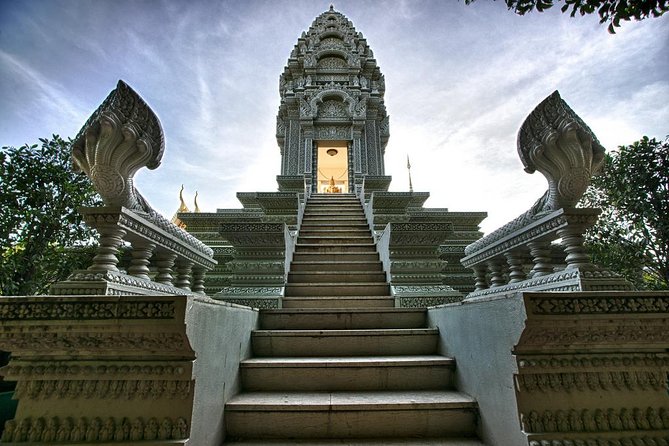
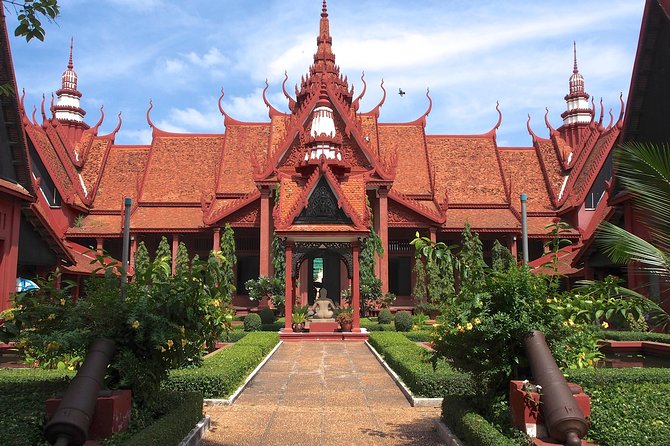
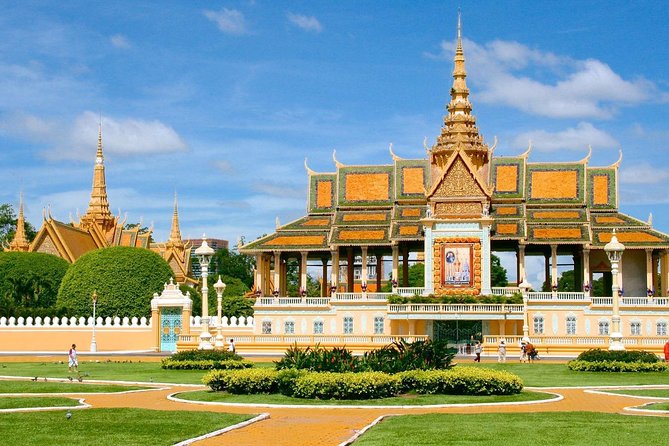
At the Royal Palace, expect a mix of architecture and ceremony. This is Cambodia at its most royal and formal: ornate buildings, careful layout, and a sense that this space was designed for authority and display. Even if you don’t consider yourself a palace person, you’ll appreciate the craftsmanship. It also sets a contrast before the genocide sites.
Then you move to the Silver Pagoda area. It’s famous because the floor contains 5,329 silver tiles. That’s the kind of detail that makes your photos feel like more than decoration—you can look at the space and understand why it earned that name. You also learn about the Khmer kings tied to the palace complex.
Drawback to watch for: dress code. For the Palace and Silver Pagoda (and other worship-related areas), you need covered knees and shoulders. No shorts or sleeveless tops for men or women. If your clothing is borderline, you may be refused entry. Bring something light that covers and you’ll avoid a frustrating start to your sightseeing.
Tuol Sleng (S-21) Genocide Museum: a school that became a security prison
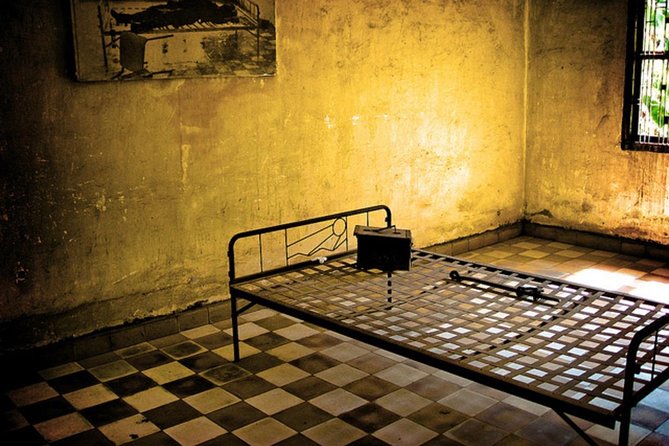
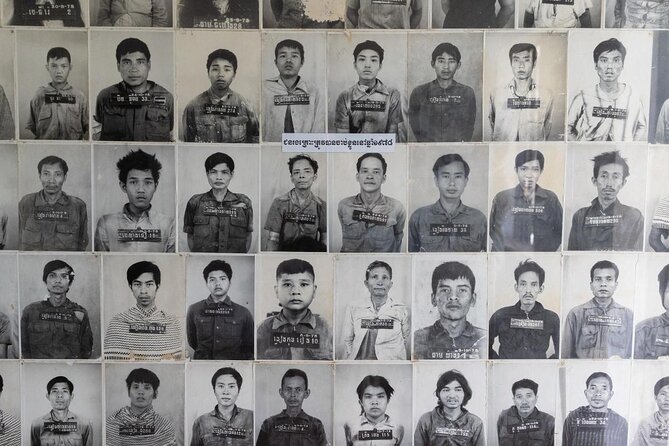
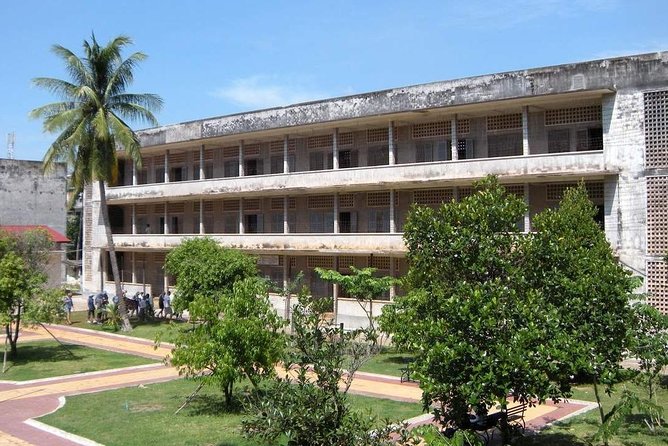
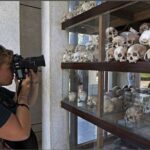
Next comes Tuol Sleng Genocide Museum (S-21), housed in a former high school that was used as Security Prison 21. This is where the tour stops feeling like sightseeing and starts feeling like witness.
The setting does a lot of the work for you. You walk through spaces that were once part of a learning environment, and the transformation is the point. The guide’s job here is crucial: they connect what you’re seeing to the Khmer Rouge years and explain the machinery of repression without turning it into vague storytelling.
What I like about this tour format is that you’re not alone with the information. You have an English-speaking guide who can clarify names, timeline pieces, and the logic behind what happened. In past groups, guides such as Hong Kasy, Siphat, Si, Lay, and Gao have shared personal family connections to the Khmer Rouge. That kind of lived perspective changes the tone from historical facts into something more human.
A practical consideration: give yourself emotional pacing. Many people assume there’s only one “right” way to tour S-21, but the smarter approach is to move, look, and take breaks when you need them. If you’re sensitive, you might want a slower internal pace than you’d use at a normal museum.
Also note: this stop is not recommended for children. If you’re traveling with kids, it’s worth considering a different day plan that doesn’t include S-21 and the Killing Fields.
Choeung Ek Killing Fields: when the horror hides in plain sight
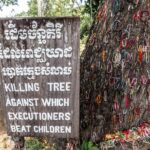
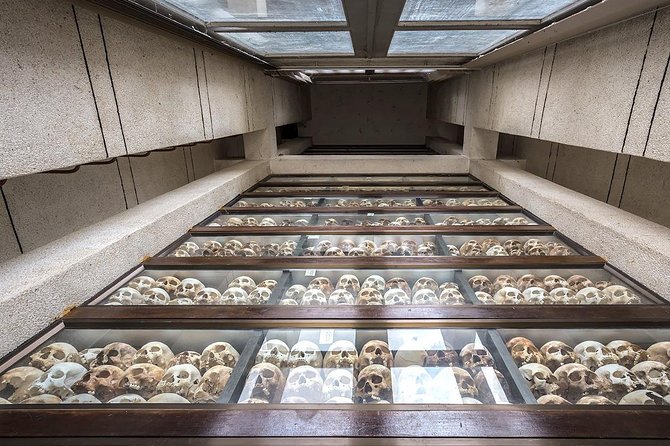
After S-21, you head out toward Choeung Ek Killing Fields, about 17 km from Phnom Penh town. The drive is part of the emotional shift: you go from an urban prison-museum atmosphere to a quieter area with green space.
That contrast matters. Choeung Ek looks peaceful at a distance. Up close, you see what that peacefulness was built over. It’s famous partly because it was featured in the film The Killing Fields, but the real power here is the direct connection between place and history.
Your guide helps you understand that the terrain doesn’t “announce” the atrocities. That’s one of the hardest lessons of the Khmer Rouge era: harm can be organized and hidden in ordinary-looking surroundings. When a guide offers context clearly, it helps you process what you’re seeing without getting lost in raw details.
Timing-wise, you don’t get all day here; this tour is structured for a half-day. That can be good because it keeps the day from stretching into chaos, but it does mean you should go in ready to focus. If you need more time at Choeung Ek, you might prefer a longer, more flexible visit with extra stops.
One more thing: the experience is described as intense and graphically difficult by many visitors. If you know your limits, respect them. Don’t treat this like a normal “must-see.” Treat it like a meaningful, heavy visit.
You can also read our reviews of more museum experiences in Phnom Penh
Transport that keeps the day moving without burning you out
A tour is only as good as its movement plan. This one helps because it handles pickup and drop-off and uses practical vehicles: shared tuk-tuks for small parties (1–2) and air-conditioned transport for larger groups. That means you’re not negotiating routes between far-flung locations.
The small group size—max 10—also changes the experience. You’re less likely to spend time waiting around, and you can ask follow-up questions without shouting over a crowd. In Phnom Penh traffic, that makes a real difference.
You’ll also get cold bottled water on the tour. In Cambodia’s heat, hydration is not a “nice-to-have.” It’s a “keep your brain working” item, especially when you’re spending time outdoors between stops.
One logistics note: the tour starts around 8:30 am. Pickup times can vary within a range, so confirm the pickup window ahead of time and don’t wait until the last minute to coordinate.
The emotional tone and how to prepare (so it doesn’t overwhelm you)
This is the tour’s biggest strength and biggest warning.
The Royal Palace and Silver Pagoda give you context in a visual, cultural way. Then S-21 and Choeung Ek shift the frame to genocide and mass violence. The guide’s delivery matters a lot here, and in many groups, the best guides combine factual clarity with sensitivity—sometimes even with personal family stories. People have praised guides like Siphat for thoughtful narration and the ability to help visitors process what they’re seeing.
Still, you should prepare yourself for how your body will react. If you’re prone to stress, consider going in with a plan:
- wear comfortable, covered clothing so you can focus on the sites
- bring water-sensible habits (you get water, but you’ll still need to pace yourself)
- keep expectations realistic: you’re not “touring,” you’re learning and witnessing
If you’re traveling with a partner or as a solo traveler, this tour can feel especially meaningful because you can focus on the message without sharing attention with a larger crowd.
If you want a lighter cultural day in Phnom Penh, you might not love this sequence. But if you want the capital’s story and you’re ready for it, this is one efficient way to do it.
Who should book this tour, and who might skip it
This tour is a strong fit if:
- you have only a half-day in Phnom Penh
- you want guided context rather than reading your way through history alone
- you care about seeing both the royal/cultural side and the Khmer Rouge aftermath in one run
- you like the idea of a small group where the guide can explain clearly
It may be less ideal if:
- you’re traveling with kids and you want them included in S-21 and Killing Fields (it’s not recommended)
- you’re not comfortable with graphically intense history
- you prefer a totally flexible pace at each site (this tour is structured and time-boxed)
- you’re sensitive to hearing explanations in a second language; in at least one case, understanding the guide was harder than expected
Also keep in mind that sites can be affected by closures. If something is closed on your date, you might not see everything exactly as planned. That’s not unique to this tour; it’s part of travel reality.
Should you book this Phnom Penh tour? My practical recommendation
If your goal is a clear introduction to Phnom Penh—fast—you should strongly consider booking. The value isn’t just the price. It’s the fact that transport, guidance, and ticket logistics for a tight route are handled so you don’t burn your limited time bouncing around the city.
Book it if you’re ready for:
- early morning pickup
- a small group pace
- palace and pagoda sights with a real dress code
- then two heavy, historically essential stops at S-21 and Choeung Ek
Skip it or choose a different plan if you’re not emotionally prepared for intense content. In that case, you could still enjoy Phnom Penh, but you’ll probably want a day centered more on temples and city culture, not genocide history.
FAQ
FAQ
How long is the Phnom Penh City Tour?
It’s about 5 hours.
What’s included in the tour price?
The tour includes hotel pickup and drop-off, a small group tour (max 10), English-speaking guide, cold bottled water, and transportation by tuk-tuk or air-conditioned vehicle depending on group size.
What entrance fees do I need to pay separately?
You’ll need to pay: S-21 (Genocide Museum) $5, Royal Palace & Silver Pagoda $10, and Killing Fields $3.
Does the tour include pickup from my hotel?
Yes. Hotel pickup and drop-off are included.
What’s the group size limit?
The tour runs with a maximum of 10 travelers.
Is there a dress code?
Yes. You must cover shoulders and knees. No shorts or sleeveless tops, and you may be refused entry if you don’t meet the requirements.
Is the tour suitable for children?
It’s not recommended for children to visit S-21 & Killing Fields.