REVIEW · PHNOM PENH
Phnom Penh: The Killing Fields & Tuol Sleng Genocide Museum
Book on GetYourGuide →Operated by The Killing field and Toul Sleng genocide museum S21 Tour · Bookable on GetYourGuide
Recent history hits hard in Phnom Penh. This half-day outing connects Khmer Rouge history to two of the most sobering sites in Cambodia, with a guide explaining the context as you head out. I especially like the slow, respectful pace—so you can ask questions and look long enough to actually take things in—and I like that guides handle the topic with care, like Baboon, Sum Cheath, and Visal, in clear English. The only real drawback is that this is intense: expect very hard imagery and an emotional weight that can stick with you after the tour.
You’ll ride in an air-conditioned van with water, and the drive includes a presentation about Pol Pot and how the regime worked. Once at the sites, you’re not stuck with a screen or a hurry-along route; you get time at the memorial areas and the museum cells, plus a chance to ask follow-up questions.
Plan for the practical side too. Tickets for the Killing Fields and the Genocide Museum cost extra, and you should dress properly by covering your shoulders and knees out of respect for the victims.
In This Review
- Key things to know before you go
- A Somber Half-Day in Phnom Penh: What the Tour Really Covers
- The Van Ride Briefing on Pol Pot: Why the Context Starts First
- Killing Fields (Choeung Ek) First: Mass Graves and the Memorial Stupa
- Tuol Sleng Genocide Museum (S-21): Cells, Photos, and Survivor Voices
- Learning Through Questions: How the Best Guides Manage a Hard Topic
- Price and Value: The $19 Tour Fee Plus Entry Tickets
- What to Bring and How to Dress for Respect
- Timing and Flow: Pickup, Drive, Two Sites, and Back Again
- Who This Tour Is Best For (and Who Might Want to Think Twice)
- Should You Book This Tour?
- FAQ
- How long is the tour?
- What is the price, and are tickets included?
- What’s included in the tour price?
- Do I need to speak a specific language?
- How does pickup work in Phnom Penh?
- What should I wear?
- Is water provided during the tour?
- Can I cancel?
Key things to know before you go
- A guide-led history, not just audio at both sites, which helps the stories make human sense
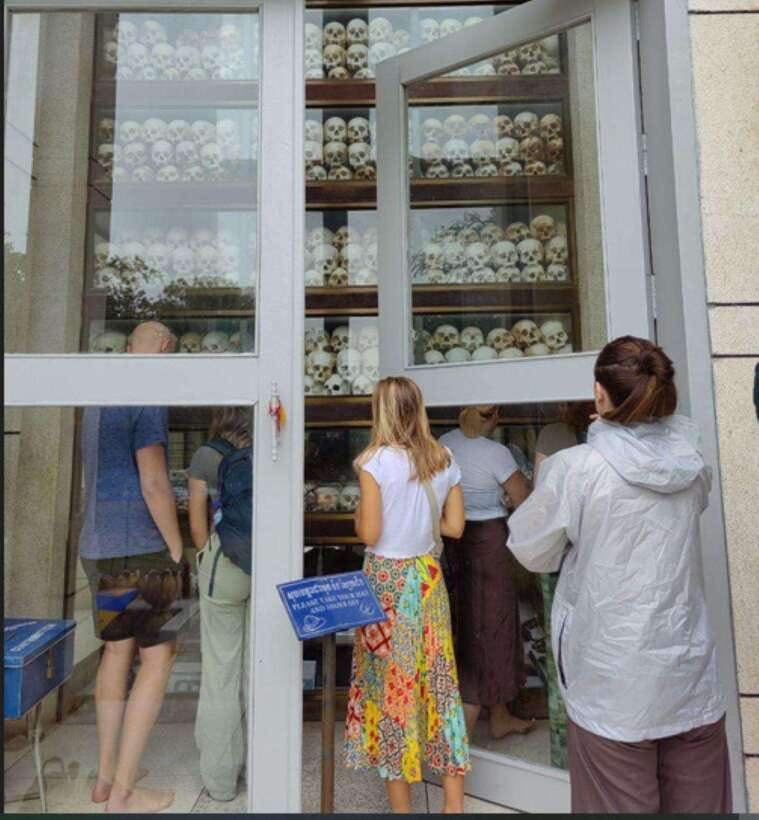
- Time at Choeung Ek for reflection, including stops at mass graves and the memorial stupa
- Tuol Sleng Museum/S-21 focus on cells and photos, explained with context and care
- A chance to meet survivors and hear firsthand stories
- Air-conditioned comfort plus water on the ride, helpful in Phnom Penh heat
- Strong English guidance from names like Baboon, Sum Cheath, and Visal, often praised for sensitivity
A Somber Half-Day in Phnom Penh: What the Tour Really Covers
This is not a casual sightseeing loop. In about four hours, you’ll visit the Killing Fields (Choeung Ek) and the Tuol Sleng Genocide Museum (S-21)—two places tied to Cambodia’s Khmer Rouge period from 1975 to 1979. A good guide turns those stops into more than a list of locations by tying events, methods, and aftermath together.
What makes this tour work is the pacing. You get enough time at each place to look carefully and ask questions, instead of treating it like a quick photo stop. And the drive briefing matters, because you arrive with the basic timeline and language for what you’re about to see.
You can also read our reviews of more museum experiences in Phnom Penh
The Van Ride Briefing on Pol Pot: Why the Context Starts First
Before you ever step onto site, you travel from Phnom Penh by van and listen to your guide’s presentation. The topic is Pol Pot and how the Khmer Rouge regime operated—information that’s more than trivia once you reach the museum and memorial spaces.
I like that this timing helps you connect details. At Tuol Sleng, you’ll see small rooms and cells and be shown photos from the period; without context, it can feel like fragments. With the ride briefing, those fragments start to form a clear picture of systems, not just scenes.
Also, the van is air-conditioned and water is provided. That might sound like a minor comfort, but when you’re facing an emotionally heavy day, it helps to not add heat and dehydration to the mix.
Killing Fields (Choeung Ek) First: Mass Graves and the Memorial Stupa
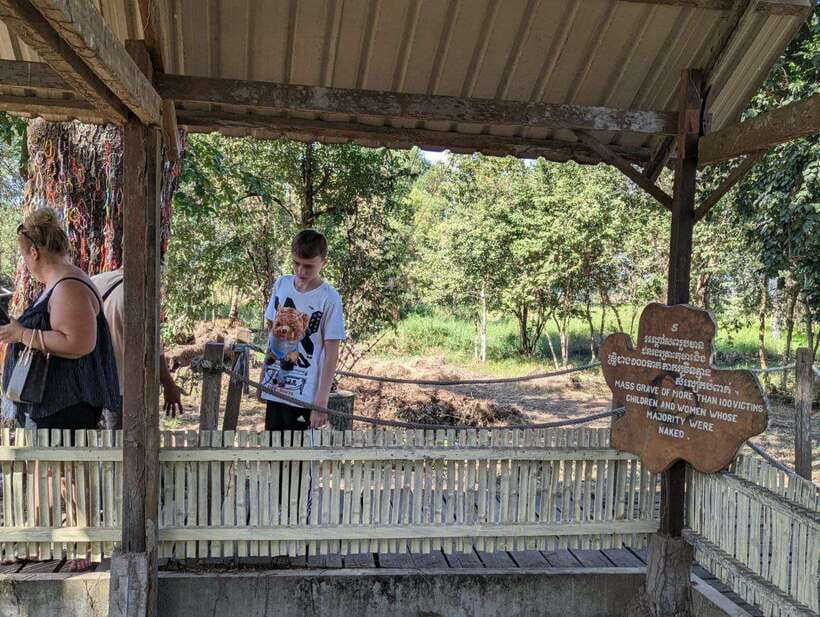
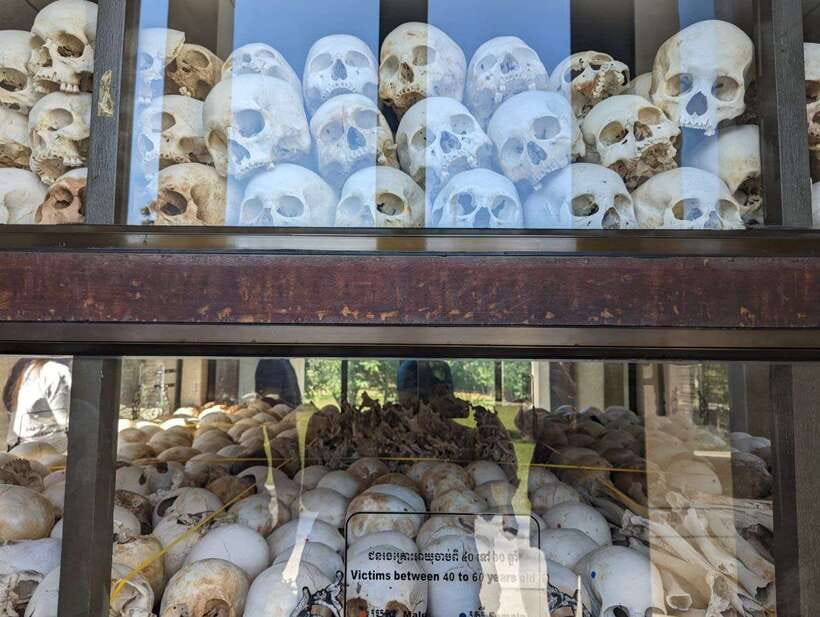
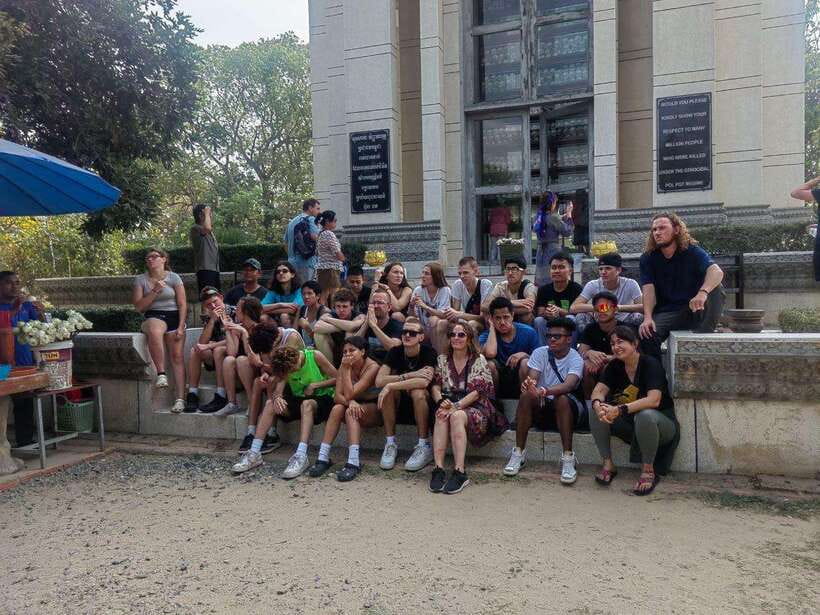
Choeung Ek is the kind of place that slows your thoughts. At the Killing Fields, you’ll spend about an hour, with time for careful viewing and questions. The stops include mass grave areas and the memorial stupa, where people pay respect to those who died.
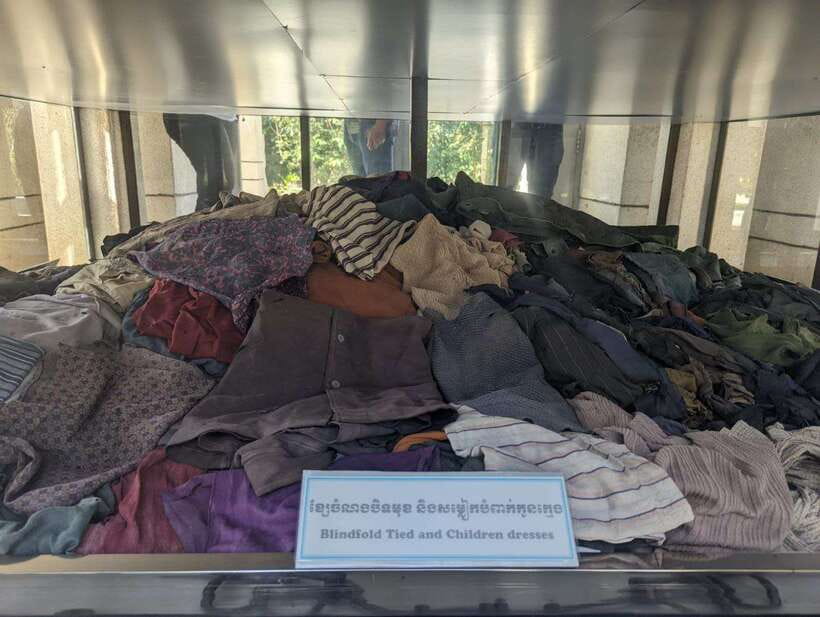
This is where the tour’s value shows up: you’re not just passing through. The experience is designed so you can look at remnants left behind, including bones and clothing rags, and take in what those items mean in human terms. It’s difficult, but it’s also the point—this is history you can’t keep at a distance.
One practical consideration: keep your expectations grounded. Even if you read about genocide, the physical reality on site hits differently. If you tend to get overwhelmed quickly, give yourself permission to pause, step back, and take breaks. The tour’s time structure is built for that kind of slower attention.
Tuol Sleng Genocide Museum (S-21): Cells, Photos, and Survivor Voices
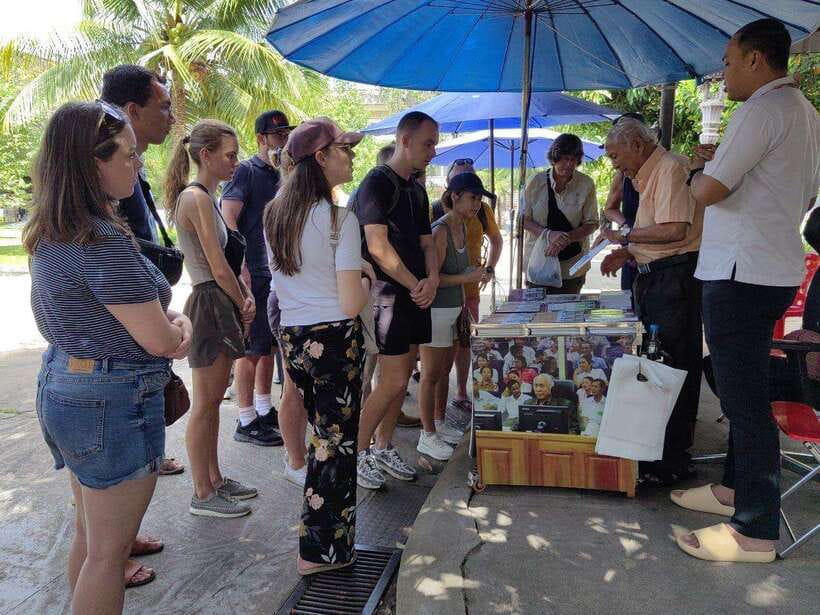
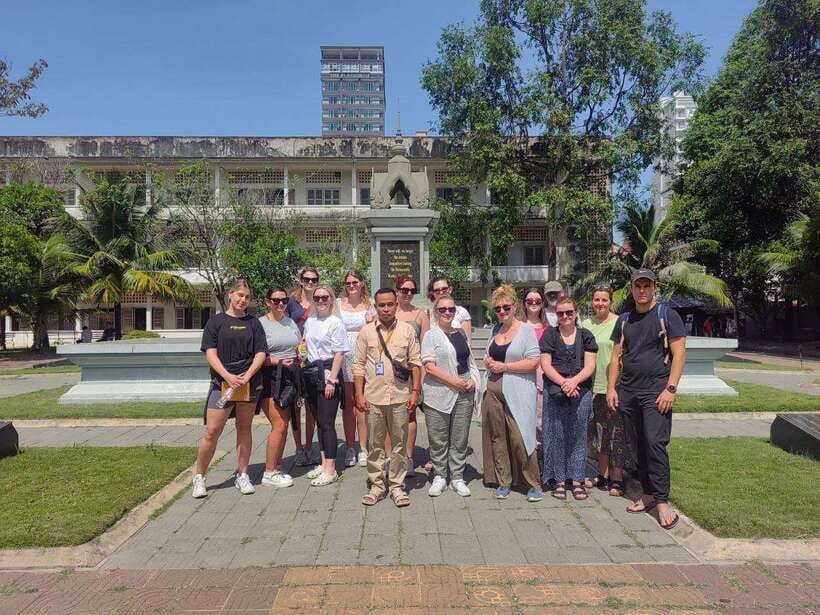
After Choeung Ek, the tour shifts into the museum—Tuol Sleng Genocide Museum, often connected with S-21. You’ll have around two hours there, which is a meaningful amount of time for a place filled with small rooms, prisoner cells, and historical photos.
This stop is powerful because it’s concrete. You can see where people were held and understand how the regime processed captives. The guide’s explanations matter here; the museum contents can feel shocking on their own, but context helps you understand what you’re looking at and why it mattered.
A highlight of this tour is the chance to meet survivors. Hearing firsthand accounts turns the museum from a display into living memory. If your guide gives room for questions, take it—often the most useful answers are the ones that connect the past to what Cambodia still feels today.
Learning Through Questions: How the Best Guides Manage a Hard Topic
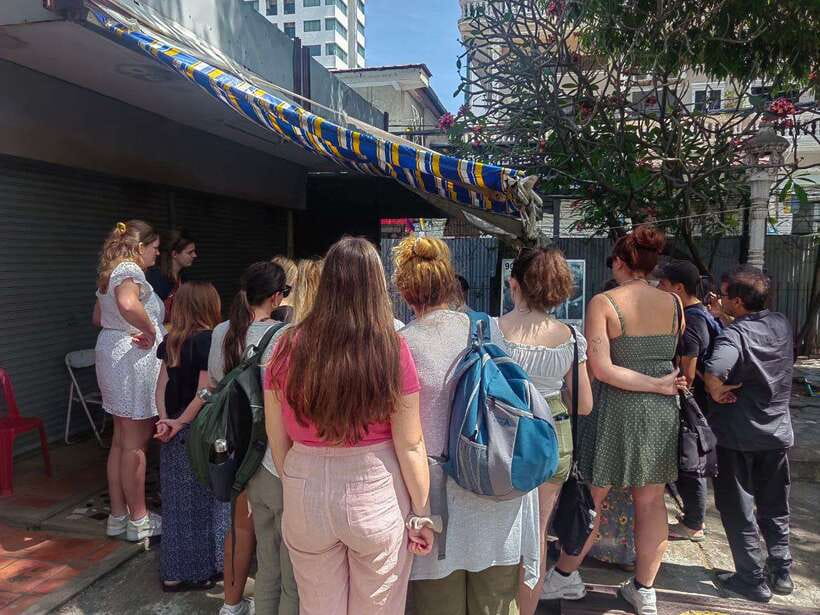
A big part of why this tour is so highly rated is how guides teach. Names like Baboon, Sum Cheath, Visal, and Powerful Monday come up repeatedly in feedback, and the consistent theme is sensitivity plus clarity.
You’ll likely notice two things during the tour:
1) Guides speak with empathy, not shock tactics.
2) They encourage questions, so you can clear up details instead of carrying confusion.
That approach makes a difference. Genocide history is heavy, and you don’t need to feel lost on top of everything else. When you can ask why certain decisions were made, or how the regime worked day-to-day, the experience becomes less random and more understandable.
Price and Value: The $19 Tour Fee Plus Entry Tickets
The headline price is listed at $19 per person, and that’s for the core experience: air-conditioned van, tour guide, water, and pickup/drop-off from participating areas. Entry tickets are separate—$3 for the Killing Fields and $5 for the Genocide Museum.
So a realistic all-in plan is closer to $27 before any optional extras like food. Is that good value? For Phnom Penh, yes, mainly because you’re paying for guided context across two major sites, plus the organization that keeps you moving without rushing. If you tried to do this solo, you’d likely spend time figuring out transport, timing, and how to structure visits—this tour takes that stress off your plate.
If your budget is tight, do the quick math in your head: the ticket fees are small, but the guide and smooth logistics are the real bargain here.
What to Bring and How to Dress for Respect
Dress matters for this specific outing. You’re asked to cover your shoulders and knees to respect the victims, so choose light layers that still meet the requirement. Phnom Penh can be hot, but you’ll be glad for something breathable that covers enough.
Bring the basics that help on a long emotional day:
- A small bottle of water if you like having extras (water is provided, but you might want more)
- Sunscreen and a hat for the time outside (especially around the memorial sites)
- A light layer for comfort, since you’ll be moving in and out of air-conditioning
And emotionally, bring patience with yourself. It’s normal if you need a slower pace, less time staring, or a moment to step aside.
Timing and Flow: Pickup, Drive, Two Sites, and Back Again
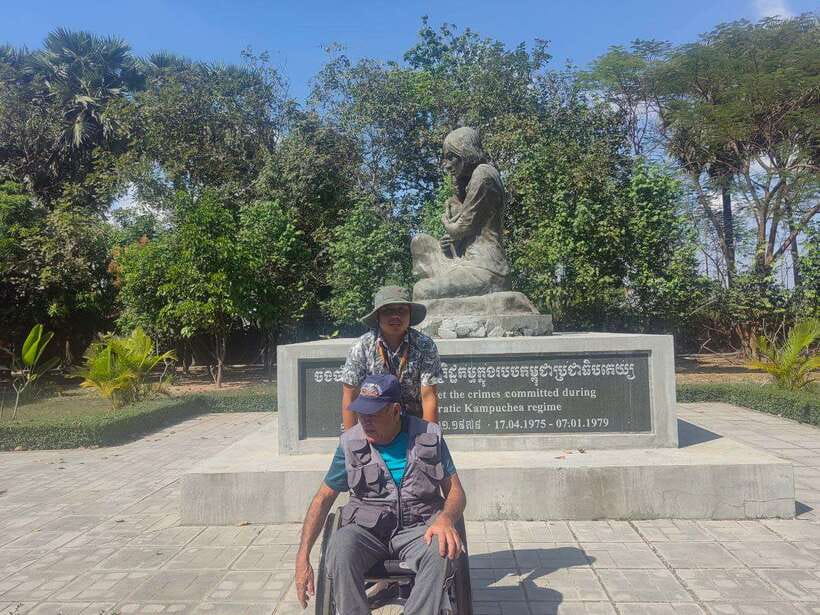
This is designed as a true half-day. You’ll go out from Phnom Penh, visit Choeung Ek, then continue to Tuol Sleng, and finish back at your meeting point with your guide.
Pickup works in two modes:
- If your hotel is on the listed pickup route, you’ll be collected from the hotel lobby.
- If it’s not, you’re directed to a meeting point: 178 Corner Sisovat quay, Riverside Path, Phnom Penh 120201. Morning is 7:45am and afternoon is 12:45pm.
The most practical tip: confirm your pickup details through the WhatsApp number provided at booking, because the operator uses WhatsApp to confirm travelers before the tour starts.
Who This Tour Is Best For (and Who Might Want to Think Twice)
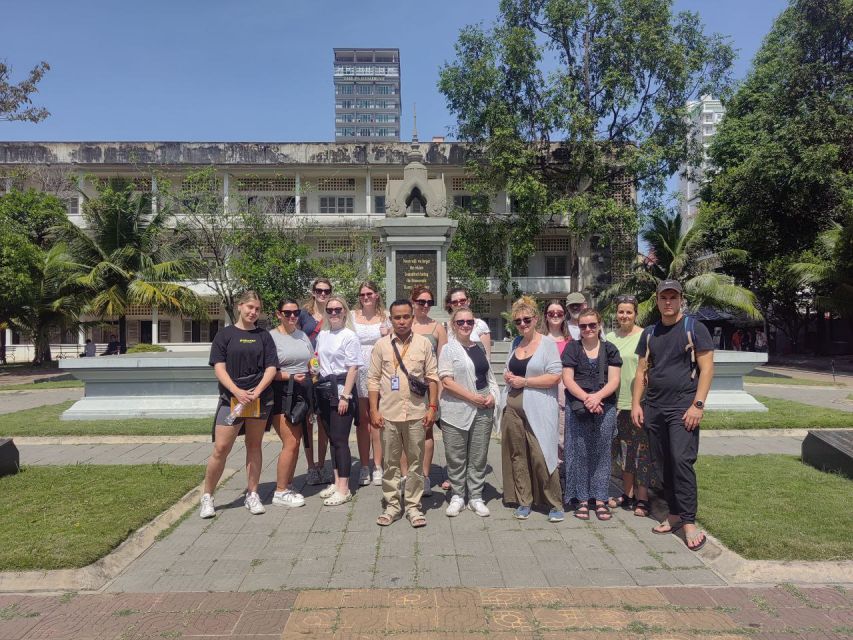
This tour fits best if you want facts with compassion—history taught in a guided way, not as a self-guided scavenger hunt. It’s also a good choice if you care about context: the ride briefing and guide explanations help you understand the larger system behind what you see at the museum and memorial.
It may not be your best match if you know you can’t handle intense, disturbing imagery or emotionally heavy settings. Even though the tour is led respectfully, the subject matter is inherently difficult.
If you’re traveling as a couple or with a friend group, it’s still a good fit, but I’d recommend going in with a shared plan for pacing. One person might want to ask more questions; another might need more quiet time. The tour’s structure helps, but you’ll get more out of it if you communicate your needs beforehand.
Should You Book This Tour?
If you’re in Phnom Penh and you want the most direct, meaningful way to learn about Cambodia’s Khmer Rouge period, I think you should book this. Two reasons drive that call: you get guided context before you arrive at the sites, and you’re given enough time to look and ask questions instead of being swept along.
Book it especially if you value clarity and sensitivity. Feedback repeatedly highlights guides who explain with respect and manage the topic carefully, often making the day more bearable without watering it down.
Skip it only if you already know you’re not ready for emotionally intense visits. In that case, you may be better off choosing a lighter Phnom Penh experience first, then deciding later if you can handle this one.
FAQ
How long is the tour?
The duration is about 4 hours, covering both the Killing Fields and the Tuol Sleng Genocide Museum.
What is the price, and are tickets included?
The tour price is listed at $19 per person. Entry tickets are not included: the Killing Fields ticket is $3 and the Genocide Museum ticket is $5.
What’s included in the tour price?
You get pickup and drop-off from a meeting point, an air-conditioned van, a tour guide, and water.
Do I need to speak a specific language?
The tour is conducted in English.
How does pickup work in Phnom Penh?
There’s free pickup for hotels listed in the pickup options. If your hotel isn’t listed, you meet at 178 Corner Sisovat quay, Riverside Path, Phnom Penh 120201 at 7:45am (morning) or 12:45pm (afternoon).
What should I wear?
Dress properly by covering your shoulders and knees as a sign of respect for the victims.
Is water provided during the tour?
Yes, water is included, and the van ride includes water as part of the tour service.
Can I cancel?
Free cancellation is available up to 24 hours in advance for a full refund.