REVIEW · ENGLAND
British Motor Museum Entry Ticket in Gaydon
Book on Viator →Operated by British Motor Museum · Bookable on Viator
Historic cars stop you in your tracks. The British Motor Museum in Gaydon is an easy, car-focused day in England, built around one big idea: see how British motoring changed over time. I like that you can roam at your own pace, reading the story behind the cars while staff and volunteers are there to help.
My favorite part is the Jaguars and wider British-car lineup, with plenty of recognizable models and even some surprises like film cars and prototypes. The only downside to plan around: it’s a 2 to 4 hour visit that rewards slow looking, so if you want a quick stop, you may feel rushed.
In This Review
- Key highlights you’ll care about
- British Motor Museum at Gaydon: what makes it work
- Ticket price and what you’re really paying for
- Your timing: making the most of the 10:00 am start
- Stop at the British Motor Museum: your 2 to 4 hour self-guided experience
- How the exhibits are organized
- What you’ll actually be looking at
- Jaguars, film cars, and prototypes: where the excitement hides
- Staff and volunteers: asking questions is part of the point
- The café break that keeps the day comfortable
- Planning your route through the exhibits
- Who should go (and who might adjust expectations)
- Practical value: the booking timing and how to travel light
- Should you book the British Motor Museum entry ticket?
- FAQ
- What is the price for the British Motor Museum ticket in Gaydon?
- How long does the British Motor Museum visit take?
- What time does the entry start?
- Is the ticket entry self-guided?
- In what language is the experience offered?
- Do I need to print anything, or is it a mobile ticket?
- When should I book ahead?
- Is the museum suitable for most people?
- Are service animals allowed?
- What is the cancellation policy?
Key highlights you’ll care about
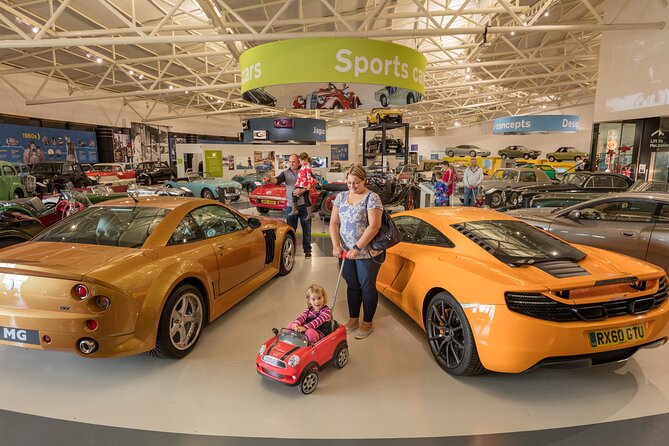
- World’s largest collection of historic British cars, presented with clear narrative notes
- Jaguar collection that many people single out as a standout
- Two main exhibition buildings so you can pace yourself across eras
- Workshop-style viewing and hands-on moments you might catch during special tours
- Friendly staff and volunteers who will answer questions as you move around
- An on-site café that works well for a proper break, not just a snack stop
British Motor Museum at Gaydon: what makes it work
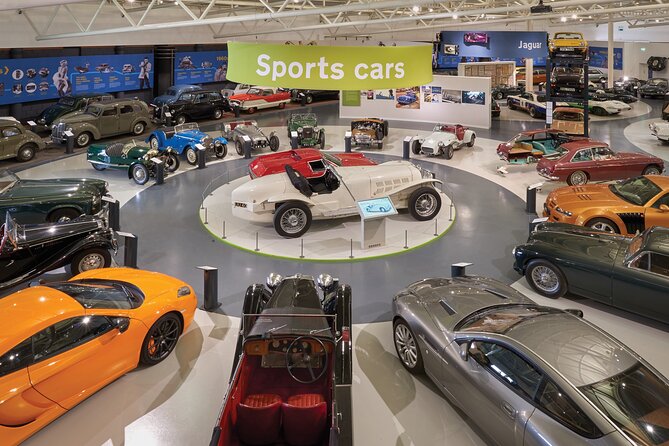
If you’re into cars, this is one of those places that feels designed for you. The museum is built around historic British cars, with enough variety that you’ll see not just famous names, but also the prototypes and development work that got those cars onto the road.
The best part is how approachable it feels. You’re not stuck in a group timeline. You can take your time with the displays and interpret the labels at your own speed. And when you hit something you don’t fully get, there are staff and volunteers around to help connect the dots.
Gaydon itself is also a plus for a road-trip mindset. The venue is set up for visitors, with plentiful parking mentioned by people who’ve gone more than once, and the museum buildings are described as spacious and clean.
Ticket price and what you’re really paying for
At $24.95 per person, this isn’t one of those bargain attractions that feels like it costs more than it gives. It’s priced like a focused museum visit, and that matches what you get: hours of car displays, labels, and plenty of opportunities to ask questions.
Here’s the value angle I’d use for planning:
- You’re buying a visit that typically lasts 2 to 4 hours, so you can shape it to your interest level.
- The car collection is broad enough that even if you’re not a die-hard brand collector, you’ll likely find something that clicks.
- There’s an on-site café, which can keep the day comfortable without needing a separate plan.
If you’re traveling with a car fan, the ticket often feels like a no-brainer. If not, you’ll still likely get something from the big “how cars changed” theme, but you may want to treat the visit as a structured history stop rather than a quick entertainment hit.
Your timing: making the most of the 10:00 am start
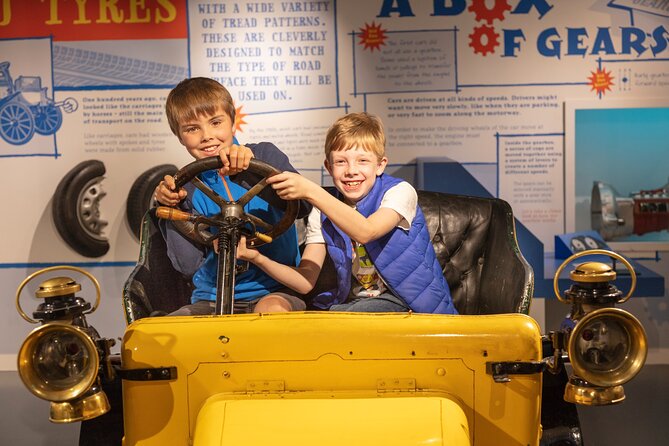
The experience starts at 10:00 am, and that’s a good thing. Morning entry gives you more energy to walk through multiple buildings and read the descriptions while everything is still calm.
Because the visit can stretch toward the upper end of 4 hours, I suggest you come with the mindset that you’re not just passing through. If you’re the type who likes details, that time will go fast in a good way. If you’re more “show me the best cars,” you can shorten it, but you’ll still need a bit of time for the layout.
Also, plan for the fact that you can get curious. People mention long viewing times because there’s simply a lot packed in—so having a comfortable schedule around it helps.
Stop at the British Motor Museum: your 2 to 4 hour self-guided experience
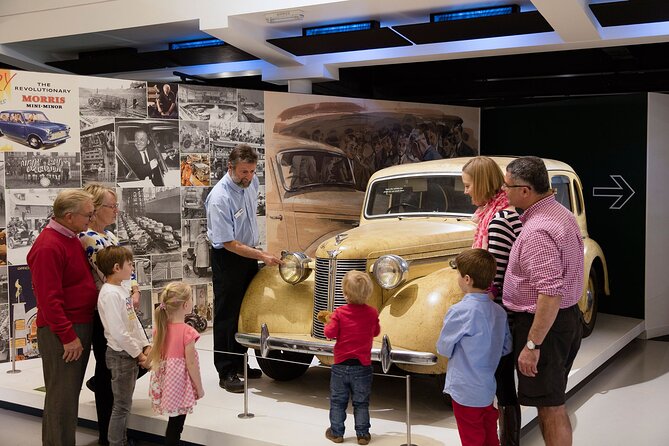
Your visit centers on a single stop: British Motor Museum. That might sound simple, but the museum experience is thick with information. Expect to spend your time moving through displays that show how the British motor industry developed, and how cars grew into a bigger part of everyday life.
How the exhibits are organized
You’ll see cars arranged in a way that helps you track change over time. One common theme is the movement from prototypes to production models, and the way the displays step through decades. That structure matters because it turns a pile of cars into a story.
People also describe the museum as laid out across two buildings, which is useful. You can pace yourself between structures, and you can decide when to go “deep” on a brand or era.
What you’ll actually be looking at
Based on what’s been highlighted, here are the categories that stand out:
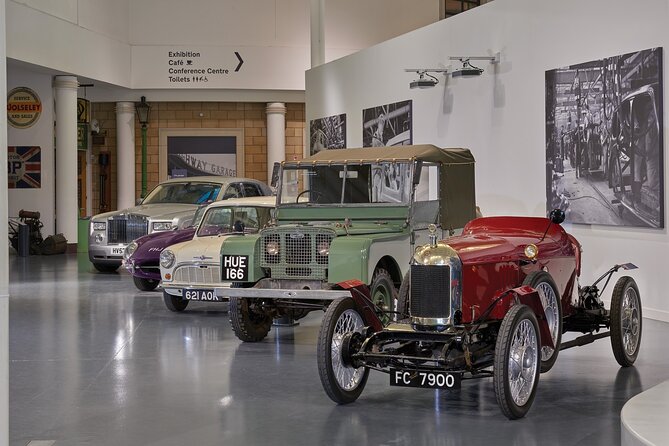
- Historic British cars across eras, including specialist and familiar ownership favorites
- Jaguar displays that many visitors call out as a top attraction
- Cars that connect to film cars and prototypes, which adds a pop-culture layer beyond pure engineering
You’ll also find narrative descriptions that give context. The museum isn’t asking you to be an expert. It’s trying to make the history readable and the cars relatable.
Jaguars, film cars, and prototypes: where the excitement hides
If there’s a single “follow this thread” recommendation, it’s the Jaguar collection. Multiple people specifically call it superb, and at least one guided-style experience points out that the Jaguar area can include more behind-the-scenes access and conversation.
What makes this section feel worth your time is that it’s not just about the finished car. You’re also seeing concepts, development ideas, and the design choices that made certain models iconic. That’s why it works for both hardcore fans and people who just like a good story.
And then there’s the added interest layer: film cars and prototypes. When a museum includes those, it helps bridge generations. If you grew up seeing a car on screen, you can translate that memory into an actual historical object and timeline.
Staff and volunteers: asking questions is part of the point
One reason this museum gets such strong feedback is the human layer. Staff and volunteers are described as friendly, and they’re there to help you connect what you’re looking at to real history.
A standout detail from guided experiences: people mention joining a tour led by Jim, and say his knowledge and anecdotes made the visit extra special. They also mention the nice bonus of getting to sit in or on some cars when guided.
You can treat that as a simple tactic:
- If you see a guide-led moment or a talk happening near your favorite area, ask if you can join.
- If not, still use the volunteers and staff as a “real-time guide” while you browse.
This is a museum where questions make the experience better, not worse.
The café break that keeps the day comfortable
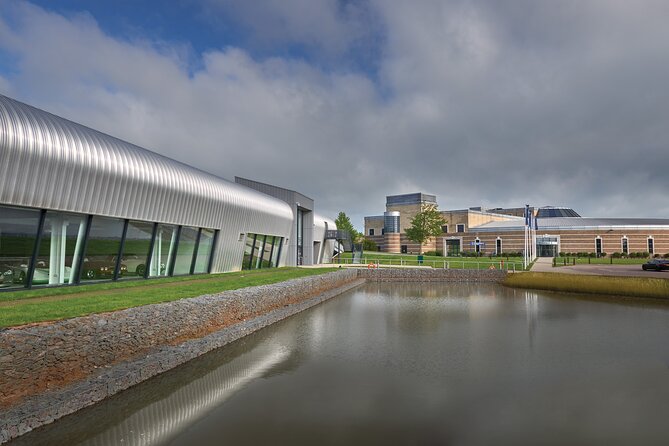
You’ll have access to an on-site café with hot and cold meals and snacks. In a car museum, that matters more than you might think. A lot of displays take time to absorb, and it’s easy to lose your energy if you’re running on a bottle of water and a cookie.
Reviews point to good food overall, including specific praise for items like mince pies and cake. Even if you keep your lunch light, the café gives you a practical reset so you don’t feel like you rushed through the exhibits just to make it back to your car.
My simple rule: plan to use the café as a mid-visit checkpoint. If you start at 10:00 am, that often means around late morning or after you’ve seen your first exhibition building.
Planning your route through the exhibits
Because the museum has enough to fill 2 to 4 hours, you’ll get the best experience if you use a quick personal plan.
Here’s a practical way to do it:
- First pass: walk both buildings enough to get your bearings and spot what grabs you
- Second pass: slow down where you want detail, especially Jaguar and the eras you’re most curious about
- Final pass: circle back for anything you missed, like prototype-focused displays or car groups tied to film
The museum’s layout seems designed to make this easy—people describe the setup as easy to work around, which is a gift when you’re spending hours inside.
If you’re traveling with kids or a teen, pacing matters. One review describes visiting with a 13-year-old who became more invested as the day went on, mainly because the range of cars held attention. So don’t feel like you must start with the most technical section. Let curiosity guide your path.
Who should go (and who might adjust expectations)
This is a great choice for:
- Car lovers who want a lot in one place, with context and labels
- Families where one person is the designated car fan, because the displays and staff help keep the day engaging
- History-minded visitors who like seeing how technology, design, and culture shift decade by decade
It may be less ideal if:
- You’re hoping for a fast, casual “grab a few photos and go” stop. The museum is packed and best enjoyed at a slower pace.
- Your travel style doesn’t involve reading and looking closely. There’s plenty to see, but the exhibits lean on descriptions and historical context.
The sweet spot is someone who likes cars but also likes knowing why they matter.
Practical value: the booking timing and how to travel light
People often book this kind of museum entry in advance, and the average timing here is about 12 days in advance. If you know your dates, booking early is a smart way to avoid last-minute uncertainty.
You’ll also use a mobile ticket, and that’s handy for a day trip. Less paper to manage means you can focus on parking, walking, and settling into the exhibits without friction.
Language is English, so plan on that if you’re expecting multilingual interpretation.
Should you book the British Motor Museum entry ticket?
If you’re the kind of traveler who likes to connect objects to stories, I think you’ll enjoy this. It’s strong value for the time you’ll spend, and the museum setup makes it easy to explore independently without missing the key context. The Jaguar collection, the breadth across eras, and the way staff and volunteers answer questions are the reasons this experience keeps earning top marks.
Book it if:
- you want an England museum day that’s built around cars and history
- you’re traveling with a car fan of any age
- you’re okay spending 2 to 4 hours slowly looking
Skip or adjust your expectations if:
- you want something ultra-short
- you’re not interested in cars or historical context
FAQ
What is the price for the British Motor Museum ticket in Gaydon?
The ticket price is $24.95 per person.
How long does the British Motor Museum visit take?
The experience typically lasts 2 to 4 hours.
What time does the entry start?
The start time listed is 10:00 am.
Is the ticket entry self-guided?
The visit focuses on exploring the museum independently, with staff and volunteers available to help with questions.
In what language is the experience offered?
The experience is offered in English.
Do I need to print anything, or is it a mobile ticket?
You’ll receive a mobile ticket.
When should I book ahead?
On average, this is booked about 12 days in advance.
Is the museum suitable for most people?
The info states that most travelers can participate.
Are service animals allowed?
Yes, service animals are allowed.
What is the cancellation policy?
Cancellation is free if you cancel up to 24 hours in advance for a full refund. If you cancel less than 24 hours before the start time, the amount paid is not refunded.
If you want, tell me who you’re going with (car fan age, interests, and how much time you’ll have in Gaydon). I can suggest a simple “where to spend your time first” plan.