
REVIEW · SYDNEY
Sydney Cricket Ground (SCG) and Museum Walking Tour
Book on GetYourGuide →Operated by Venues NSW · Bookable on GetYourGuide
Cricket, rugby, and Aussie rules all share one address. The Sydney Cricket Ground (SCG) tour mixes stadium architecture, behind-the-scenes access, and story-led guiding that makes the venue feel personal. You also get exclusive entry to the SCG Museum, so the tour isn’t just a walk past seats—it’s a look at the place where sport happens, and the moments that made it famous.
I love two things most: standing where players do (including the field area and dressing-room spaces) and soaking up the memorabilia in the SCG Museum. One thing to consider is sound—if your group is larger, you might be a step too far back to hear every question during the moving portions.
In This Review
- Key highlights to look for
- Why the SCG tour beats a regular stadium photo stop
- Meeting at Gate A and finding your rhythm in 90 minutes
- The behind-the-scenes route: field of play and player areas
- Walk of Honour energy and the architecture you usually miss
- Media centre and press spaces: seeing match day from the other side
- The SCG Museum: what you’ll see with exclusive entry
- Guides are the real engine: story style from Stuart, Peter, Warwick, and more
- How long you should plan for, and what to do after
- What this is best for (and what to skip)
- Price and value: is $23 a fair deal?
- Should you book the SCG and Museum Walking Tour?
- FAQ
- How long is the SCG and Museum walking tour?
- Where do I meet the guide?
- What’s included in the $23 price?
- Is the tour suitable for children?
- What language is the tour conducted in?
- Is free cancellation available?
Key highlights to look for
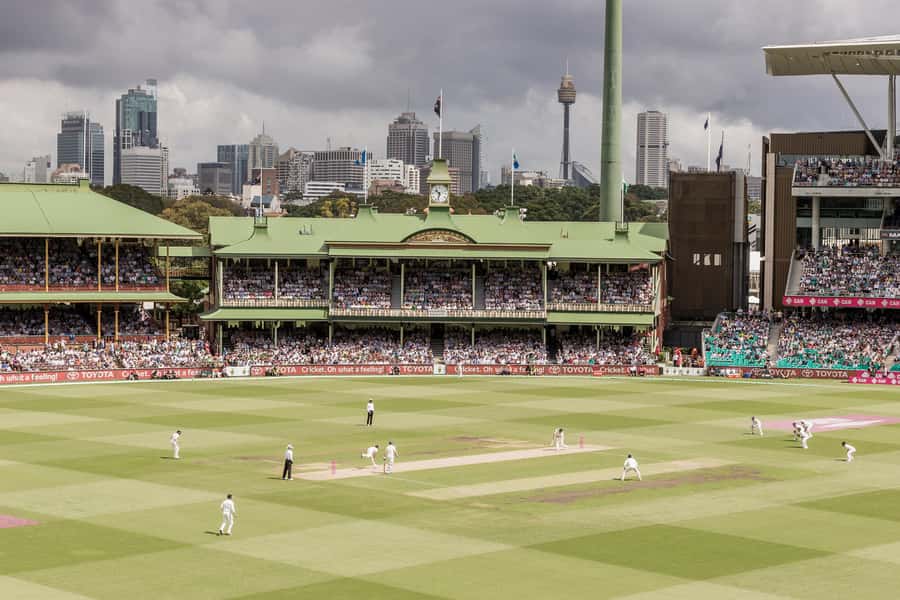
- Behind-the-scenes access including the field of play, player areas, and key stadium interiors
- Walk of Honour views that put past greats in your line of sight
- The media centre and press spaces for a real sense of how match day runs
- SCG Museum entry with cricket treasures plus themed sections tied to other sports
- Story-driven guiding styles led by experienced staff, often with humour and plenty of chat
- A 90-minute pace that feels like a complete visit rather than a quick lap
Why the SCG tour beats a regular stadium photo stop
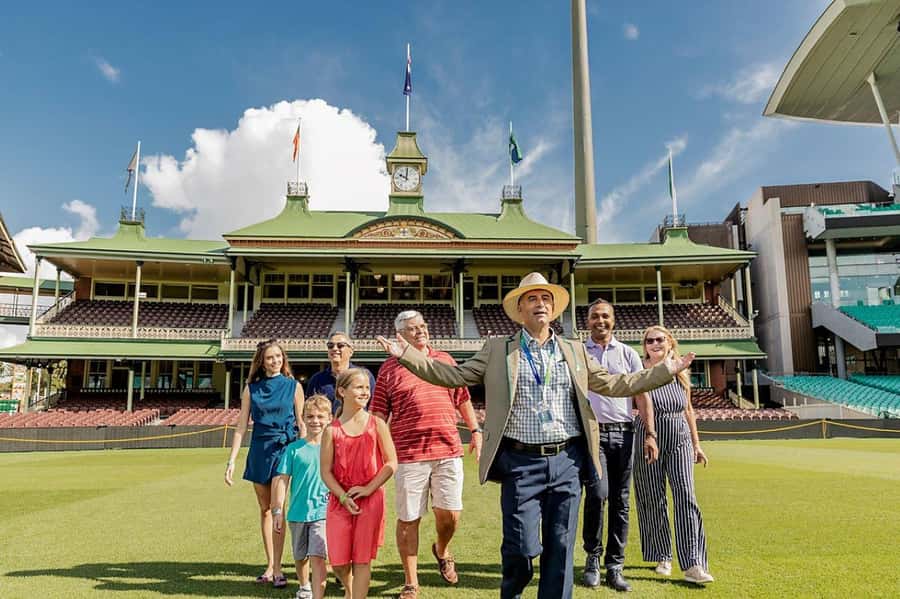
The SCG isn’t just a big oval with good views. It’s Sydney’s home of sport, and that comes through the moment you step into the Moore Park precinct. You’re walking through a place that has hosted cricket, rugby union, rugby league, football/soccer, and AFL—and you’ll feel how those different sports share the same stage.
What makes this tour especially fun is that it treats the stadium like a living machine. Instead of only pointing at seating tiers, you get shown the routes sport takes: from the press and media spaces, to player preparation areas, to the sense of arrival onto the field. That one shift changes everything. The SCG stops being a backdrop and starts feeling like a workplace with rituals.
You can also read our reviews of more tours and experiences in Sydney.

Meeting at Gate A and finding your rhythm in 90 minutes
You meet at Gate A, Sydney Cricket Ground, on Driver Avenue (Moore Park NSW 2021). The tour runs about 90 minutes, and that timeframe matters because it’s long enough to hit the key spaces without feeling dragged out. It’s also a helpful length if you’re juggling other Sydney plans—this is the kind of activity that still leaves you time to explore elsewhere after.
On arrival, take a minute to orient yourself before the group starts moving. Stadium tours can feel like a relay—lots of short walks between stops, then a short burst of explanation, then another move. If you want the best experience, position yourself so you can both see the guide and hear the stories. The SCG has a lot of open space, and your spot in the group really affects what you catch.
The behind-the-scenes route: field of play and player areas
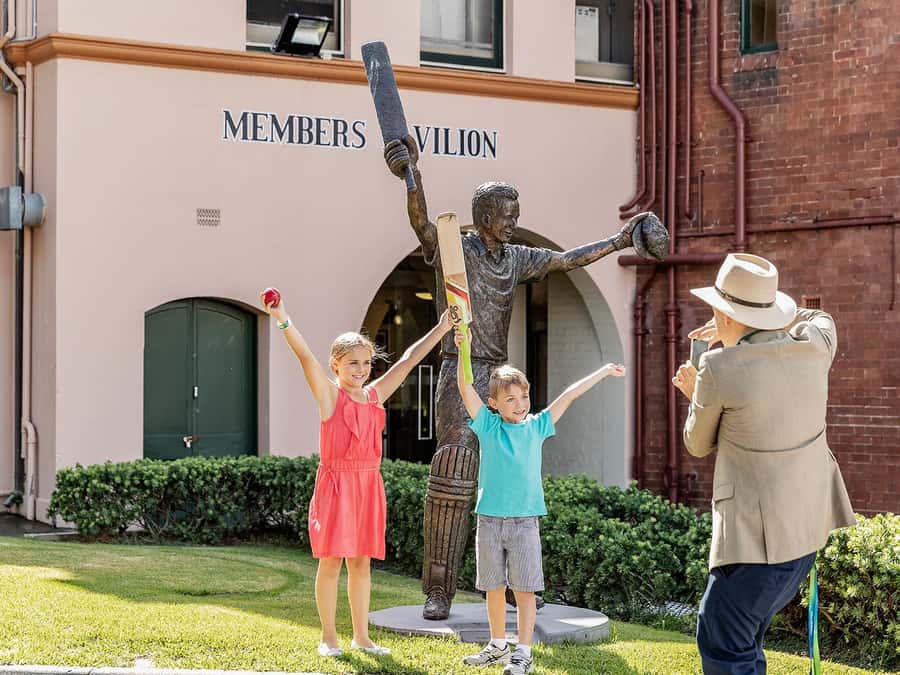
This tour’s core strength is getting you closer to the action than you’d ever see on your own. You’ll venture behind the scenes to the field of play, so you’re not just looking across from the crowd—you’re standing on the side where the game begins. That simple change gives you a physical sense of scale. It’s easier to picture where bowlers run up, where teams line up, and why certain sightlines matter.
You’ll also visit spaces tied directly to performance, including player’s dressing rooms. These rooms are where the match becomes real. Even if you’re not the type who studies batting technique, it’s hard not to feel the atmosphere when you’re standing in the same zone athletes use to switch modes—concentration on, outside noise off.
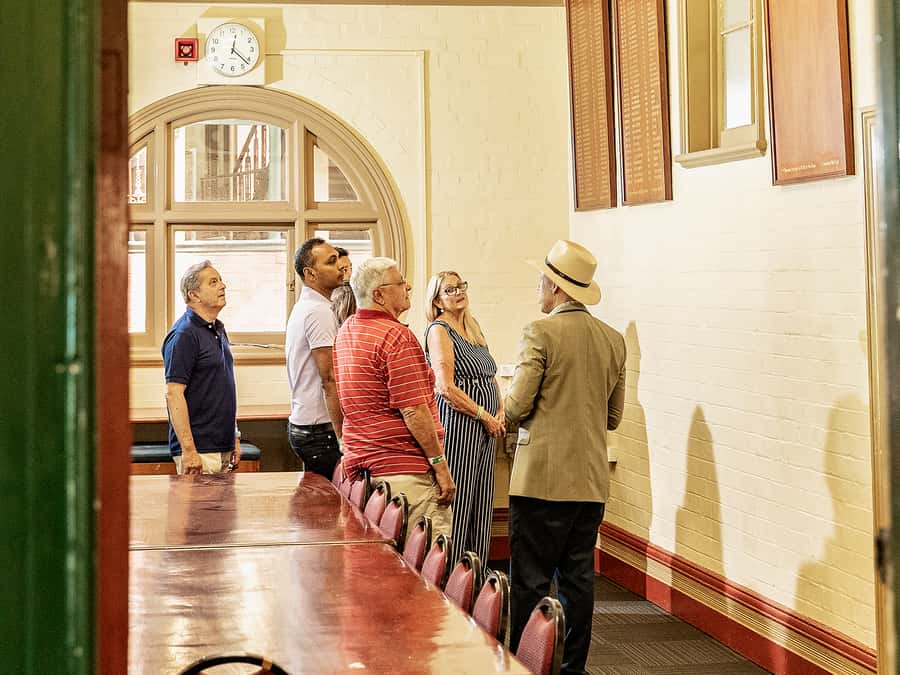
Another stop highlights the stadium’s “club” side: the historic members reserve. It’s a reminder that the SCG has never been only about the players. It’s also about the people who built the culture around the game, kept the traditions alive, and watched from inside the inner circle.
Walk of Honour energy and the architecture you usually miss
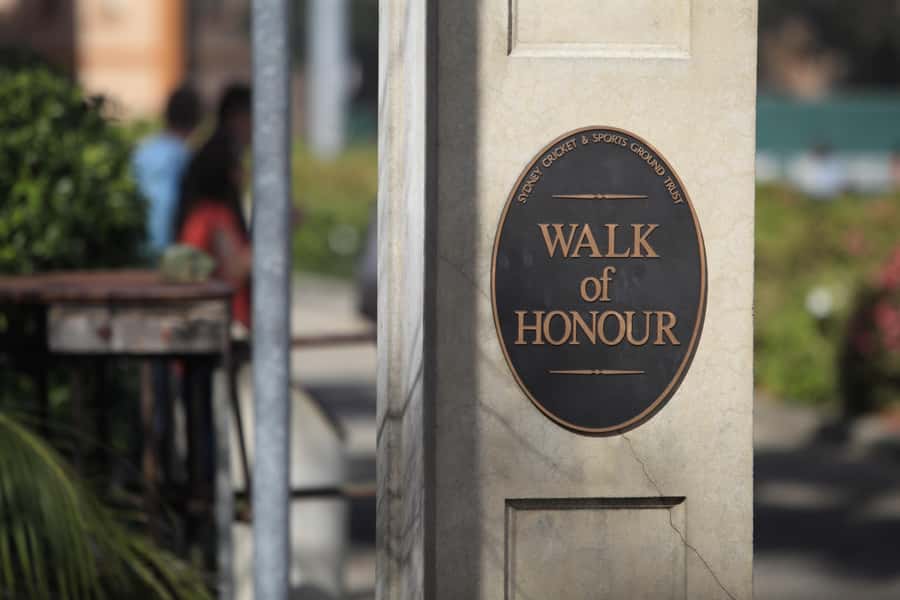
One of my favourite parts of this kind of sports tour is when it mixes people and place. The Walk of Honour does exactly that. As you move through the precinct, you’re surrounded by cues to past achievements—so the SCG reads like a timeline, not just a building.
And the architecture details matter. Stadia are designed for sightlines, crowd movement, and atmosphere, but most visitors only experience those from the seats. On this tour, you see the bones and corridors that make the match-day flow work. That makes the SCG feel more “designed” and less “randomly famous.”
If you love sports photography, this is also where you’ll find more than the usual angle. You’re closer to the stadium’s interior structure and key sightlines than most ticket holders ever get.
Media centre and press spaces: seeing match day from the other side

A major payoff here is access to the media centre and related press areas. It’s one thing to watch highlights later. It’s another to see the space where information is assembled in real time—where reporters sit, where deadlines loom, and where the stadium’s story gets packaged for everyone else.
This part of the tour helps you understand why venues like the SCG are built the way they are. Media spaces aren’t an afterthought. They’re part of the modern sports ecosystem. When you stand in those areas, you start noticing how match day connects players, officials, spectators, and the wider world.
It also gives the tour a nice balance. Even if you’re there for cricket, the SCG tour doesn’t trap you in a single sport lane. The precinct’s multi-code identity shows up in how the venue supports different event types and different kinds of attention.
The SCG Museum: what you’ll see with exclusive entry
The tour includes exclusive entry to the SCG Museum, and that’s a smart move for two reasons. First, it keeps the visit cohesive—you don’t end the tour with “now go find something else.” Second, it lets the facts linger after the walking stops. You can slow down and take in the objects.
In the museum, you’ll see cricket treasures such as prized bats and balls, along with other cricket-related memorabilia. The museum also connects to the SCG’s broader sports identity, with sections tied to rugby league, football/soccer, and AFL, and it features featured temporary exhibits too.
What I like about a museum stop during a stadium tour is how it changes your attention. When you’re walking through stadium spaces, your brain is mapping routes and functions. In the museum, your brain starts connecting names, moments, and gear to what you just saw behind the scenes.
Guides are the real engine: story style from Stuart, Peter, Warwick, and more
A stadium is a stadium—but a tour guide can make it sing. This tour is led by experienced staff, and past groups have been guided by people like Stuart, Peter, Warwick, Rod, Kevin, Vanessa, and Jim Robson. What shows up again and again is story delivery: a mix of match-day details, historic moments, and room-to-room explanations that feel personal.
The best guides on this route also bring humour without turning the place into a joke. Names like Warwick and Stuart often show up with that balance: entertaining facts, quick wit, and a tone that respects the sport. Others, like Rod and Jim Robson, are remembered for strong history and an “I care about this” energy that spreads to the group.
Tip for you: if you want to catch every detail, stand where you can hear the guide’s questions and answers. One repeat theme is that in larger groups, people at the back can miss some of the Q&A while walking between locations. So if you’re the first in line at the start, that small choice can pay off.
How long you should plan for, and what to do after
You’re looking at 90 minutes total, and the structure is a guided walking circuit with stadium stops plus museum time. That means you’ll get a full experience without needing to plan your entire day around it.
Because the SCG precinct is less than 3 km from Sydney city centre and about 6 km from Sydney Airport, it’s also easier to slot into a day than attractions that require major travel time. If you’re doing central Sydney sightseeing in the morning, this is a straightforward afternoon add-on. If you’re flying in and want something iconic but not complicated, it’s a solid choice.
After the tour, you’ll likely find yourself looking at the SCG differently from any outside viewpoint. You’ll notice things you didn’t before—how the ground’s interior spaces connect, where teams move, and why the venue feels built around match day.
What this is best for (and what to skip)
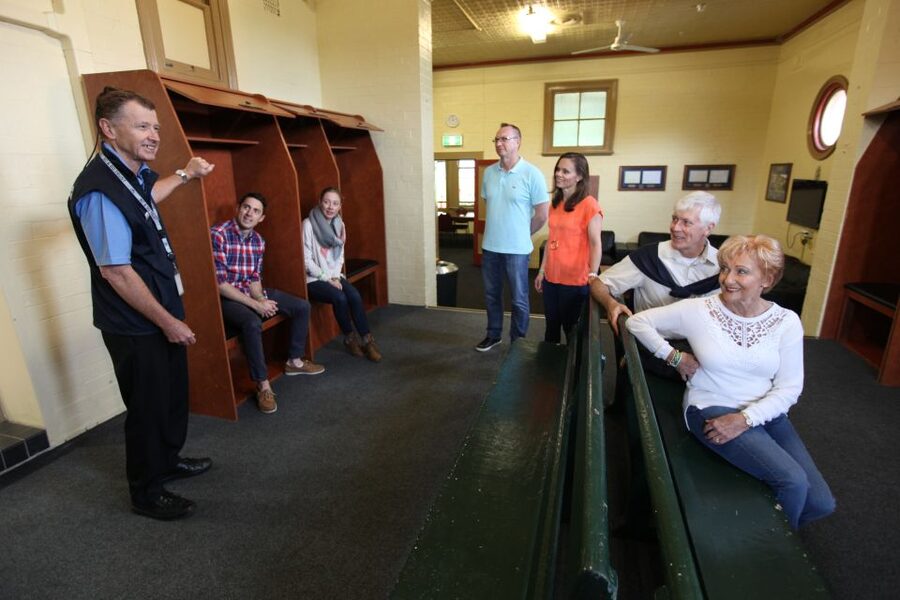
This tour is a great fit if you’re into sport history, love stadium atmosphere, or want a proper behind-the-scenes experience. It’s also ideal if you enjoy learning through stories rather than reading panels—because the guide narration is built into each stop.
You’ll also get value even as a non-expert. The route isn’t only cricket-specific. You’ll be shown a precinct that supports multiple sports, and the stadium spaces make sense whether you’re a cricket devotee or just curious about how major venues operate.
The only clear skip: the tour is not suitable for children under 5. If you’re travelling with younger kids, you’ll want a different plan.
Price and value: is $23 a fair deal?
At $23 per person for about 90 minutes, the price feels like a bargain because two things are included in one ticket: guided access to behind-the-scenes stadium areas and exclusive museum entry. A lot of attractions in big cities either charge for the venue access or charge extra for the museum component—here, they’re combined.
In practical terms, you’re paying for time and guidance, not just entry. That matters at a place like the SCG, where the biggest “wow” moments are inside spaces you wouldn’t wander into on your own. If you like your sightseeing with context—who sat where, what happened there, and why the stadium evolved—this price is easy to justify.
Should you book the SCG and Museum Walking Tour?
If you want a sporty, local-feeling Sydney experience that’s more than just taking photos, I’d book this. The behind-the-scenes access and the exclusive museum make it worth doing in one sitting. And with guides like Stuart, Peter, Warwick, Rod, Kevin, Vanessa, and Jim Robson leading past groups, there’s a strong chance you’ll get an energetic, story-led session that keeps you engaged.
Book it if:
- You like stadium history and want access beyond the stands
- You’re travelling with a cricket fan (or someone who enjoys sports culture)
- You want something clear and structured that lasts about 90 minutes
Skip it if:
- You’re only interested in the museum and don’t care about stadium spaces
- You’re travelling with very young kids (under 5)
If your goal is to understand why the SCG matters and what happens inside it, this tour is one of the simplest wins in Sydney’s sports lineup.
FAQ
How long is the SCG and Museum walking tour?
The tour lasts about 90 minutes.
Where do I meet the guide?
You meet at Gate A, Sydney Cricket Ground, Driver Avenue, Moore Park NSW 2021.
What’s included in the $23 price?
The price includes a 90-minute guided walking tour led by tour staff, plus exclusive entry to the SCG Museum.
Is the tour suitable for children?
It is not suitable for children under 5 years old.
What language is the tour conducted in?
The tour is offered in English.
Is free cancellation available?
Yes. You can cancel up to 24 hours in advance for a full refund.