REVIEW · ROME
Rome: Early-Entry Vatican Museums & Sistine Chapel Tour
Book on GetYourGuide →Operated by The Ultimate Italy · Bookable on GetYourGuide
Sunrise beats the Vatican crowd. This small-group, early-entry tour is a smart way to reach the Vatican Museums fast and land in the Sistine Chapel with real context for what you’re seeing.
You’ll get guided time through the museum highlights, then move into the chapel to focus on Michelangelo’s ceiling frescoes. Afterward, you can head to St. Peter’s Basilica at your own pace, where entry is free.
What I like most is the human scale: a smaller group, plus headsets, makes it easier to hear the guide’s explanations without craning your neck or losing the plot in the throngs. I also love that you’re not just rushing from room to room—you’re learning how the art fits together as you go.
The main drawback is simple: Vatican security can still take time, and the overall pace is quick. If you want hours of wandering and reading wall-text slowly, this 2.5-hour format may feel a bit focused and fast.
In This Review
- Key things to know before you go
- Early entry at the Vatican: why starting first matters
- Meeting point and first 30 minutes: where to be and what to expect
- What to wear (seriously): Vatican rules that can stop you at the door
- The 2.5-hour guided museum portion: what you’re actually getting
- Sistine Chapel time: how to make the ceiling “click”
- St. Peter’s Basilica afterward: freedom with the right mindset
- Small-group feel and headsets: what “personalized” means here
- Price and value: is $70 worth it?
- Who this tour suits best (and who should think twice)
- Quick practical checklist for a smoother morning
- Should you book this early-entry Vatican Museums & Sistine Chapel tour?
- FAQ
- What’s the duration of the Rome Early-Entry Vatican Museums & Sistine Chapel tour?
- What’s included in the price?
- Does the tour include tickets or skip the ticket line?
- Where do I meet the tour coordinator?
- Is St. Peter’s Basilica included?
- What languages are the guides?
- Is this tour suitable for wheelchair users or people with mobility impairments?
- What should I wear to enter?
- What do I do with large bags?
- How flexible is the booking and cancellation?
Key things to know before you go
- Early-entry helps you start ahead of the worst lines, even if security still takes time
- Headsets make the guide audible in loud, moving crowds
- Sistine Chapel time is the payoff, with help spotting what Michelangelo painted and why it matters
- St. Peter’s Basilica is on your schedule afterward, and entry is free
- Dress rules are strict: no shorts, no sleeveless tops, and knees/shoulders must be covered
- Large bags must be checked at the Vatican cloakroom at the museum entrance
Early entry at the Vatican: why starting first matters
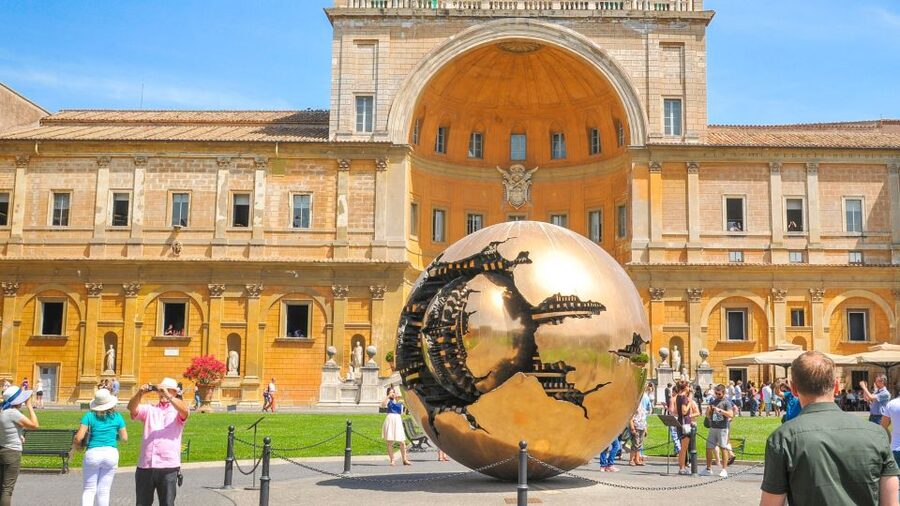
If you’ve ever tried to “wing it” at the Vatican, you already know the drill: lines, bottlenecks, then a frantic scramble to see the highlights before you run out of energy. Starting early is the practical fix. You’re still in a popular place, but the flow is smoother, and you spend less time stuck.
For many visitors, the real value isn’t magic speed. It’s that early access lets you see more while your brain is fresh. The museums cover a massive range of art and symbols, and having a guide keep your attention focused makes it easier to remember what you saw (and why it’s famous).
You can also read our reviews of more museum experiences in Rome
Meeting point and first 30 minutes: where to be and what to expect
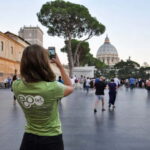
You’ll meet your tour coordinator in the middle of Piazza del Risorgimento, about 400 meters from Metro A Line (Ottaviano stop), in front of Caffe Bar L’Ottagono. Look for staff holding a sign with the Best Of Rome logo. Arrive 15 minutes before your booking time—this tour runs like a train once it starts moving.
From there, the clock really begins. Even with early entry, you should plan for a security and entry process that can take a while. One common pattern is that you may spend close to an hour or so working your way through checks and gates, then get your guided museum time right after.
Practical tip: wear comfortable shoes and expect walking on busy surfaces. You’re going to be moving, often in groups that don’t stop for long photos.
What to wear (seriously): Vatican rules that can stop you at the door
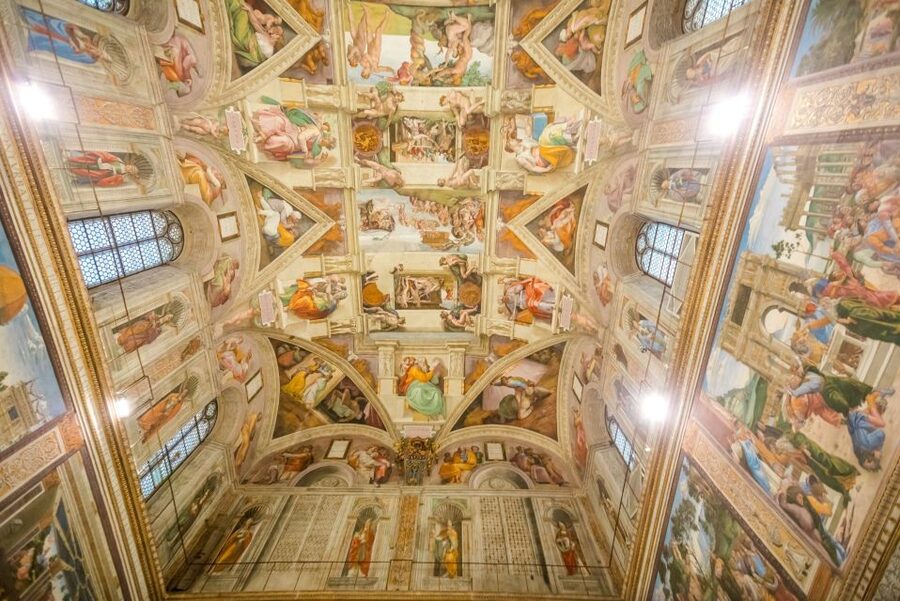
This is one place where “whatever is fine” does not work. You must follow the clothing requirements: shoulders and knees covered throughout the tour. That means no shorts, no short skirts, and no sleeveless shirts.
If you’re traveling light, plan ahead. Bring a light layer you can wear if the weather is warm but your outfit might not meet the rule. A scarf or shawl can be a lifesaver if you’re unsure.
Also keep in mind: luggage and large bags are not allowed. Large backpacks/suitcases need to be checked at the Vatican cloakroom at the entrance of the Vatican Museums.
The 2.5-hour guided museum portion: what you’re actually getting
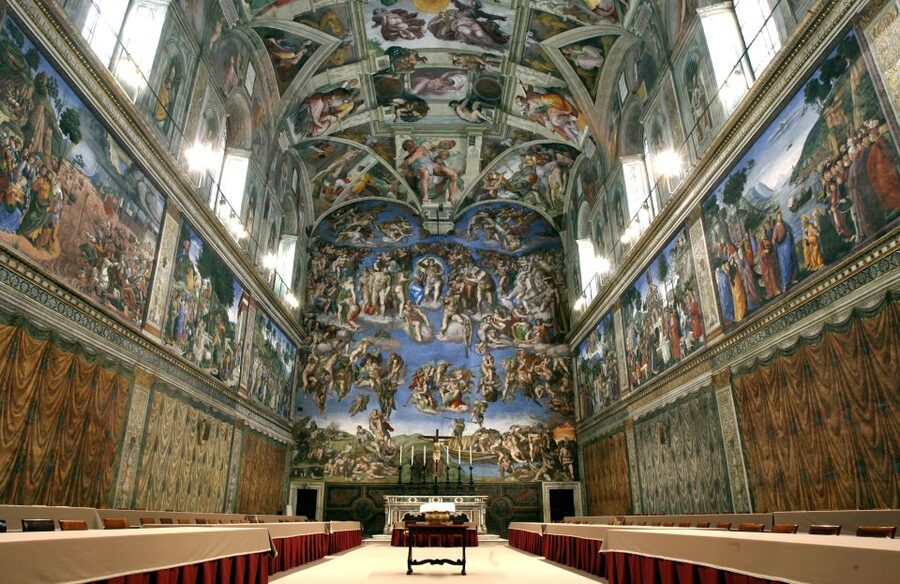
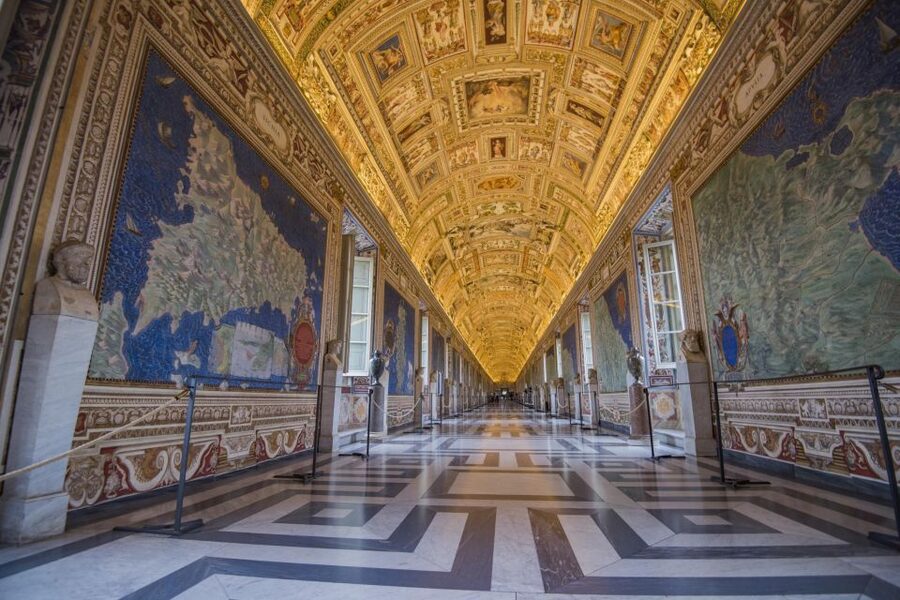
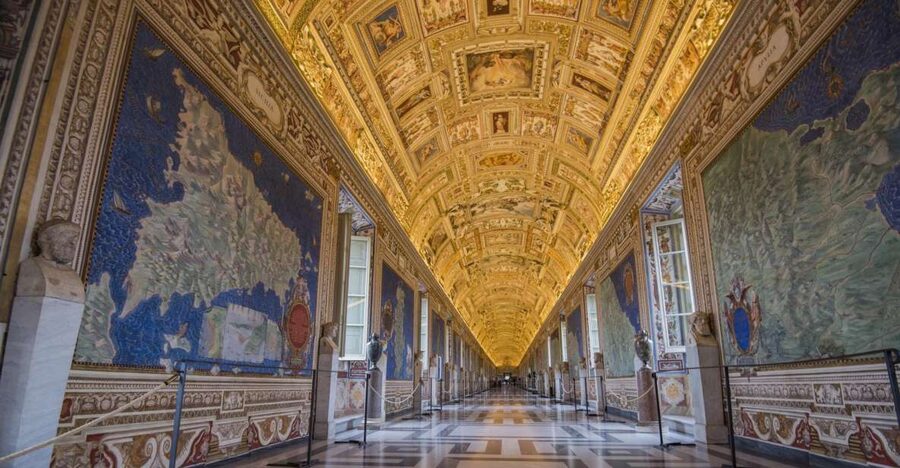
This tour is built around highlights, not “see everything.” Over about 2.5 hours, you’ll go with a guide through key galleries and rooms, learning how the art connects across time and themes.
Why that matters: the Vatican Museums are not one museum experience. They’re an art journey packed into an old, complicated building layout. Without a guide, it’s easy to get lost in what’s visually stunning but historically disconnected. With the guide, you get a thread—what to look for, what came before, and why certain works are iconic.
A lot of the best museum moments depend on your guide’s storytelling style. You’ll hear explanations about the building’s history and how the collections were shaped. Different guides on this tour have strong art-and-history skills—names like Paolo and Barbara come up often in the way people talk about the experience, especially for clear explanations and fun, memorable facts.
And you’ll have headsets, which is a big deal in crowds. You can keep your eyes on the guide and the art instead of trying to hear over other groups.
Sistine Chapel time: how to make the ceiling “click”
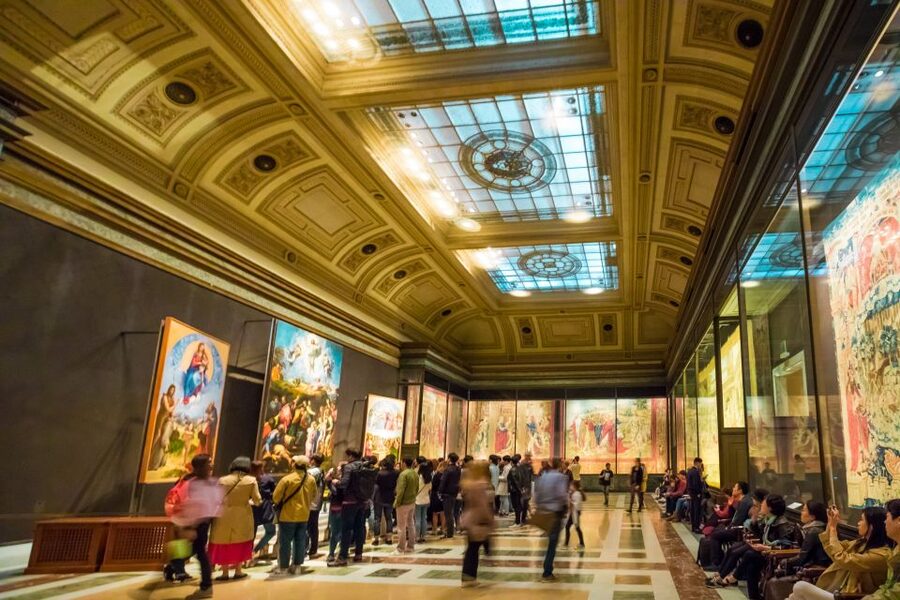
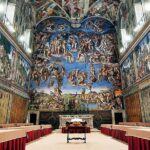
The Sistine Chapel is why people book this in the first place. But the space has its own rhythm—crowds, movement, and a strict feel. The benefit of the guided timing is that you don’t just stare at a ceiling and hope you recognize the right details.
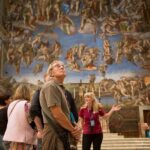
Instead, your guide helps you notice what’s painted and how it’s arranged, with Michelangelo’s frescoes at the center of the story. This is where the tour’s structure pays off: the museum time gives you context, and then the chapel becomes a focused payoff rather than just a stop you rush through.
It’s also common that the chapel feels very crowded and you may feel people being nudged along by the space itself. That’s normal for the Vatican, not the tour quality. The best way to handle it is to let your guide do the pointing and interpretation, then take in one or two details fully instead of trying to “take everything in” at once.
A small comfort detail: if you’re wearing an ear piece, try to keep your position steady and watch for quick direction cues. In dense rooms, even with headsets, it can be easy to fall a half-step behind the group.
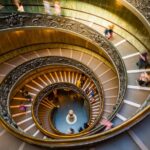

St. Peter’s Basilica afterward: freedom with the right mindset
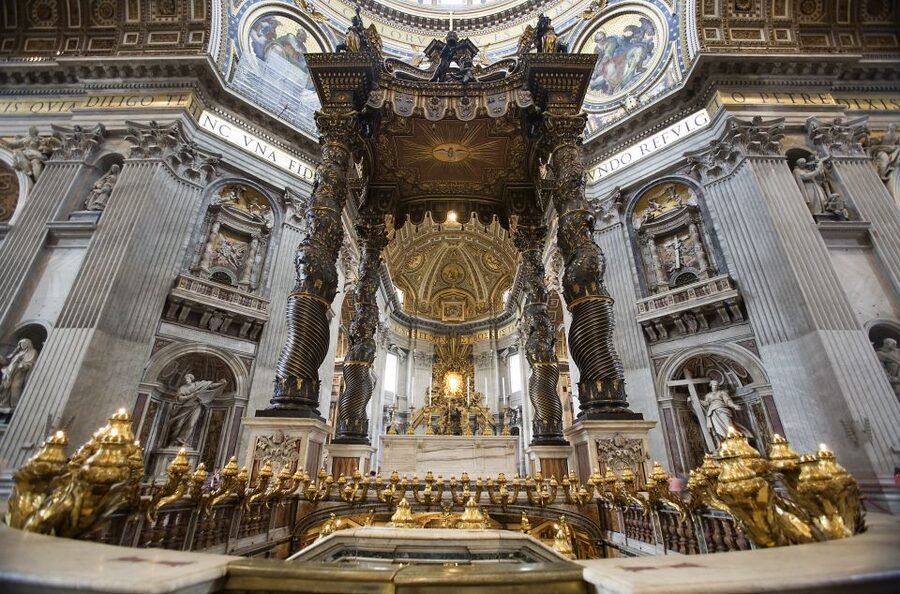
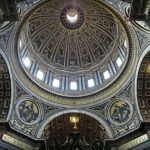
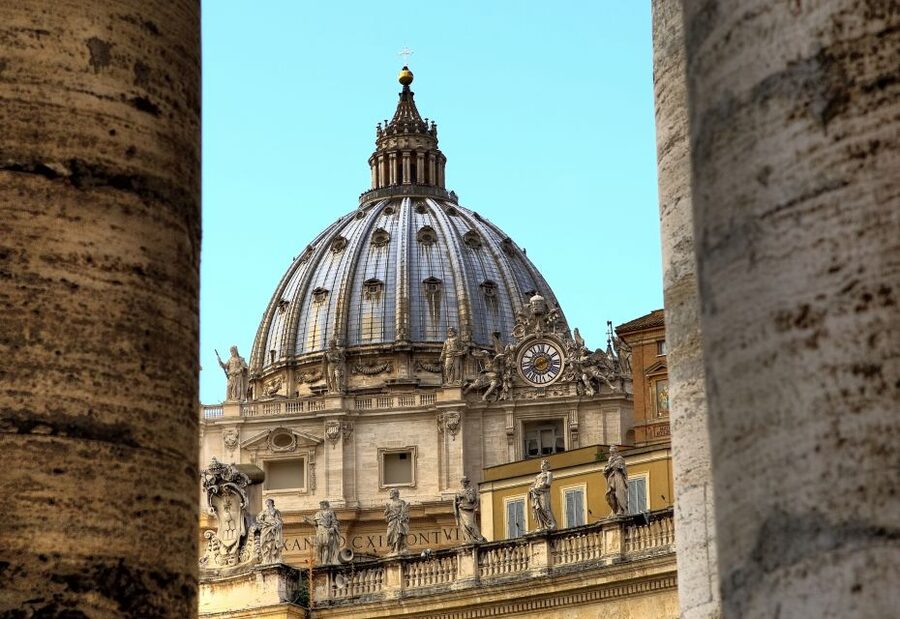
After the museum-and-chapel portion, you go on to St. Peter’s Basilica to explore on your own. The entry is free, which makes this a surprisingly good add-on for the price.
This part works best if you treat it like a choose-your-own-adventure. You’ll have the guide’s foundation from earlier, so you can slow down where you want—architecture details, famous artworks, or just the sheer scale of the place.
One practical note: your energy matters. The Vatican is a long-day brain workout even when you’re moving quickly. If you’re aiming to see a lot in the basilica too, make peace with prioritizing a few must-sees and letting the rest be a bonus.
Small-group feel and headsets: what “personalized” means here
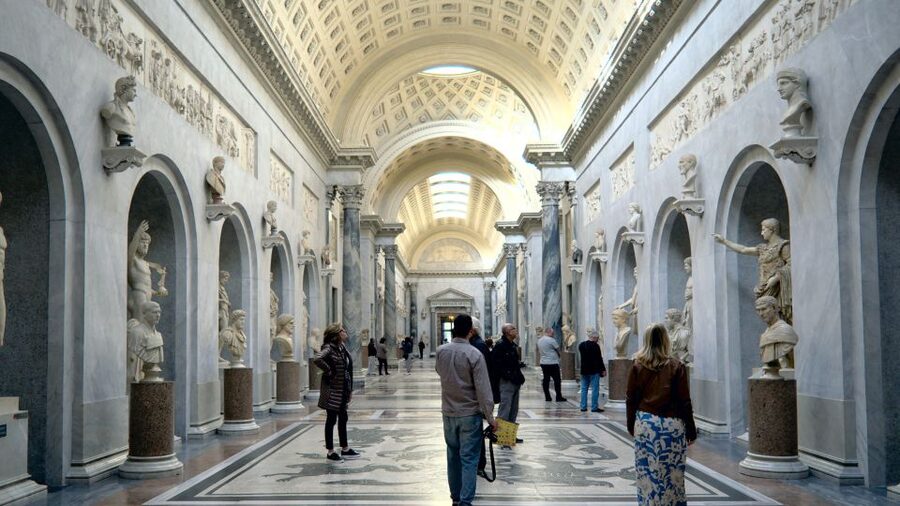
Small-group tours can be a marketing phrase, but the difference shows up in the details.
With a smaller group, you’re not constantly stopping and starting because someone got separated or someone needs extra explanation. You can keep moving at a pace that still allows you to listen. And the headsets help the guide’s voice cut through the noise so you don’t miss the key points while you’re looking up at frescoes or scanning ceiling details.
What I like most is the mix of speed and clarity. Guides are generally moving you through the right spaces quickly, but they also explain the art so you feel like you’re learning, not just touring.
If you get a guide like Giorgio, Eva, Mitra, or Solomon—names that have been praised for teaching style and storytelling—you’ll likely get strong art-and-Italian-history framing and an upbeat tone that keeps the pace from feeling stressful.
Price and value: is $70 worth it?
$70 is not cheap, especially in Rome where you can pay far less to enter sites yourself. So here’s the value math I think makes sense.
You’re paying for:
- Skip-the-line entry, which saves time when the Vatican is worst
- An expert guide who tells you what you’re looking at (and why it matters)
- Headsets, so you get the explanation clearly
- A timed experience that hits major highlights in a limited window
Some people also point out that the tour feels “worth it” because it prevents wasted energy. If you’re spending only a couple days in Rome, you often don’t have time to get it all wrong at the Vatican. This tour makes it less likely you’ll burn your morning waiting in queues and then rush the chapel without context.
The other value angle is memory. Michelangelo’s ceiling is unforgettable, but you remember it better when you understand what your guide is pointing out. That’s the payoff you can’t buy with a guidebook alone.
Who this tour suits best (and who should think twice)
This tour is a good fit if you want:
- A guided overview of the Vatican Museums and Sistine Chapel in a short, effective time window
- Early access so you spend less time behind rope barriers
- A chance to visit St. Peter’s Basilica right after, with you in control of how long you linger
It’s not a good fit if you need step-free access. The tour is listed as not suitable for people with mobility impairments or wheelchair users. Also note the clothing restrictions can be a deal-breaker if you’re not willing to adjust.
If you’re the type who loves slow museum wandering with lots of reading, you might feel a bit pushed. In that case, this is still useful for getting the structure right, but you may want extra time on other days to return and see the details more leisurely.
Quick practical checklist for a smoother morning
- Plan to arrive at Piazza del Risorgimento and spot the Best Of Rome sign
- Bring documentation details since full names matching your documents are required at booking
- Wear clothes that meet the rules: knees and shoulders covered
- Don’t bring big bags; check them at the Vatican cloakroom
- Keep expectations realistic about security lines, even with early entry
- Bring water if allowed (food and drinks are not included), and save snacks for after
Should you book this early-entry Vatican Museums & Sistine Chapel tour?
I’d book it if you want the most important part of the Vatican done well, fast, and with guidance that helps you actually see. The early entry reduces the most painful waiting, and the headsets plus guiding make the art and symbols easier to understand than wandering on your own.
I’d think twice if you want lots of unscheduled time for reading and slow movement. This tour is designed to cover highlights in about 2.5 hours, and the pace reflects that.
If you’re aiming to get to the Sistine Chapel with less stress and more understanding, this is a strong use of your Rome time.
FAQ
What’s the duration of the Rome Early-Entry Vatican Museums & Sistine Chapel tour?
The tour lasts about 2.5 hours.
What’s included in the price?
The price includes taxes and fees, an expert guide, and headsets so you can hear clearly.
Does the tour include tickets or skip the ticket line?
Yes. The tour is designed to help you skip the ticket line.
Where do I meet the tour coordinator?
Meet in the middle of Piazza del Risorgimento (about 400m from Metro A Line, Ottaviano stop), in front of the cafe Bar L’Ottagono. Look for staff with the Best Of Rome logo sign, and be there 15 minutes early.
Is St. Peter’s Basilica included?
You’ll have time to explore St. Peter’s Basilica on your own after the museum and Sistine Chapel. Entry to the basilica is free.
What languages are the guides?
The tour offers live guidance in Spanish and English.
Is this tour suitable for wheelchair users or people with mobility impairments?
No. It’s listed as not suitable for people with mobility impairments or wheelchair users.
What should I wear to enter?
You must keep shoulders and knees covered. Shorts, short skirts, and sleeveless shirts are not allowed.
What do I do with large bags?
Large bags/backpacks/suitcases must be checked at the Vatican cloakroom at the entrance of the Vatican Museums.
How flexible is the booking and cancellation?
Free cancellation is available up to 24 hours in advance for a full refund, and you can reserve now and pay later to keep your plans flexible.