REVIEW · BORDEAUX
Bordeaux Wine and Trade Museum Admission Ticket with Wine Tasting
Book on Viator →Operated by BORDEAUX HISTORIA VINI MUSEE DES NEGOCIANTS · Bookable on Viator
Wine trade history feels tangible down here. This museum experience pairs a walk through the vaulted world of Bordeaux winemaking with an end-of-visit tasting focused on Merlot and Cabernet Sauvignon.
What I love most is how the museum gives you the trade story behind the bottles, not just grapes on a wall. And the tasting at the end is guided and practical, with staff helping you hear the differences between the two wines.
One watch-out: the building is an old cellar, and humidity can mean a musty or mouldy smell for some people. If you’re sensitive to odours, plan for that.
In This Review
- Key things to know before you go
- Where this Bordeaux stop fits: a 1–2 hour wine-and-trade crash course
- Musee Du Vin et du Negoce: the trade building you can actually picture
- The cellar smell reality check
- Museum visit style: self-guided, English notes, staff on hand
- The tasting: Merlot vs Cabernet, plus what Merchant really means
- Two lessons that go beyond the glass
- How long the tasting lasts
- Price and value: $14.51 for a Bordeaux lesson you can actually carry
- Compare with a bigger wine museum (and when to choose this one)
- Who this experience suits best
- Should you book this Bordeaux Wine and Trade Museum ticket?
- FAQ
- What’s included with the Bordeaux Wine and Trade Museum ticket?
- How many wines do you taste?
- Is the tasting included or extra?
- Is this tour in English?
- How long should I plan for?
- Where does the visit take place?
- What are the opening hours?
- Can I cancel for a full refund?
Key things to know before you go
- Vaulted cellars from the wine trade era: see the 1720-built vaulted cellars tied to traditional aging and coopers’ work
- English explanations throughout: English notes make a self-paced visit feel smooth
- Two-wine tasting included: you taste Merlot and Cabernet Sauvignon
- You learn how to tell the wines apart: grape-variety focus, not just sipping
- Trade mindset: Merchant vs Chateau: you’ll also get the difference between a Merchant wine and a Chateau wine
- Small, focused visit: plan on about 1–2 hours rather than a half-day commitment
Where this Bordeaux stop fits: a 1–2 hour wine-and-trade crash course
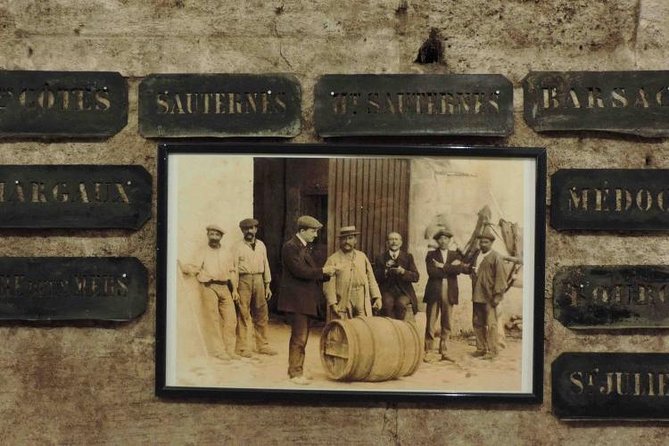
Bordeaux can feel like a lot at once: big names, big tours, and sometimes too much marketing. This ticket is a calmer way in. You’re in the Wine and Trade Museum, in a building connected to the royal broker Louis XV, then you finish with a guided tasting.
The best part for most people is the time balance. You’re not committing to a long tour, but you’re also not just buying a glass and moving on. It works well as a late morning or early afternoon plan when you want something Bordeaux-specific that still stays manageable.
And the price matters. At $14.51 per person, you’re basically paying for an educational museum visit plus a guided tasting at the end. That combination tends to feel like strong value in a city where “wine experiences” can get pricey fast.
A few more Bordeaux tours and experiences worth a look

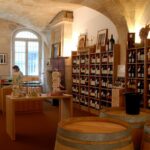
Musee Du Vin et du Negoce: the trade building you can actually picture
Your main visit starts in the Musée du Vin et du Negoce (Wine and Trade Museum). The setting is the draw: vaulted cellars tied to how Bordeaux wine was aged and handled for centuries. You’ll see space that reflects coopers’ work and the kind of cellar life that made old-school wine trading possible.
Inside, you get more than a general “here are vineyards” overview. The museum is built around the idea that Bordeaux wine success depended on people who bought, aged, blended, stored, and shipped. You’ll also find display elements and archival materials that trace merchant families and the workers behind the scenes—especially the cellar knowledge that powered nineteenth-century practices.
You’ll also run into the museum’s architectural theme. It leans into the sophisticated 18th-century style of the trade era, and it connects that style to Chartrons and Bordeaux’s wine commerce. For me, that matters because it explains why Bordeaux wine culture is more than vineyards; it’s also logistics, aging, and business networks.
The cellar smell reality check
This is where you should calibrate expectations. The museum is in an older cellar environment, and at least some visitors find the air musty or mouldy. If scents bother you, I’d bring a light layer for comfort and keep your expectations realistic: you’re choosing an authentic cellar setting over a modern, temperature-controlled showroom.
Museum visit style: self-guided, English notes, staff on hand
You won’t be followed around like it’s a classic guided tour. The museum is self-guided, with English notes (and in some cases audio elements people found a bit confusing). That gives you control over pace.
Some visitors say they used the accompanying folder and read at their own speed. Others mention that the space is packed with information but small in physical size, so it’s easy to move fast if you want to. If you like to skim, you might be done sooner than you expect; if you like to read, you’ll likely take your time.
A practical advantage: staff are around to answer questions. So if you hit a display you don’t fully get, you can ask and get clarity without dragging you into a rigid group schedule.
If you’re traveling with kids, you may find there’s a scent game during tasting. That’s a nice bonus because it makes the wine lesson feel less like an adult-only lecture.
The tasting: Merlot vs Cabernet, plus what Merchant really means
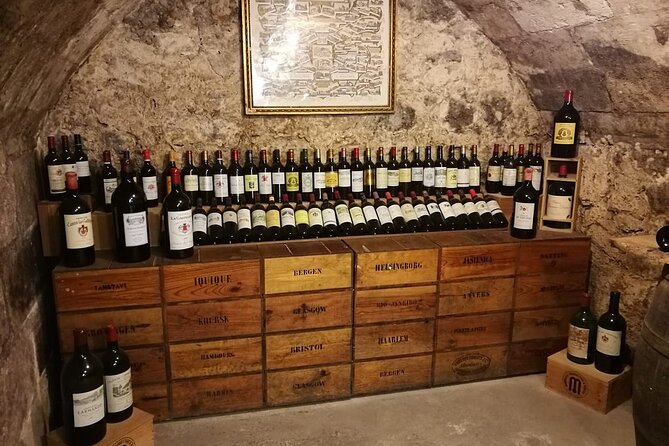
The wine tasting happens at the end of your museum visit in the museum boutique. You’ll taste two wines: Merlot and Cabernet Sauvignon. The tasting isn’t random. It’s structured to help you learn how to differentiate the grape varieties.
This is where the experience tends to earn high marks. People often leave feeling they got something they can use elsewhere: a better sense of what to notice when tasting Bordeaux. The tasting leader explains how the wines relate to Bordeaux’s styles and how to think about the grapes you’re tasting, not just whether you personally like them.
Two lessons that go beyond the glass
You’ll also get two conceptual takeaways that help Bordeaux make more sense:
- Merlot vs Cabernet: you’ll learn how to tell the grape varieties apart in a guided way
- Merchant vs Chateau: you’ll learn the difference between a Merchant wine and a Chateau wine
That Merchant vs Chateau piece is surprisingly useful. Bordeaux has a lot of bottles and a lot of labels, and understanding who makes what decision (growers, chateaux, merchants, négociants) changes how you read the market.
How long the tasting lasts
Most people treat the museum visit and the tasting together as a 1 to 2 hour plan. The tasting itself isn’t presented as a super long event. It’s focused and designed to fit the whole experience length.
Some visitors also mention small extras like chocolate or even a bottle surprise at the end. Don’t count on it as guaranteed, but it’s been reported enough that you might see a bit of hospitality beyond the two included wines.
Price and value: $14.51 for a Bordeaux lesson you can actually carry
At $14.51 per person, the ticket price makes sense when you look at what’s included. You’re not only paying for entry into a small museum. You’re also paying for a tasting of two specific Bordeaux-relevant grapes with staff guidance.
If you’ve been tempted by bigger wine venues in Bordeaux, this one plays a different role. Instead of a huge multimedia production, you get a compact, hands-on learning moment inside real cellar space, then tasting instruction that tries to teach you how to taste, not just what to drink.
For many visitors, the tasting alone justifies the price, and the museum adds the context so it feels more meaningful than a quick sip-and-run stop.
Compare with a bigger wine museum (and when to choose this one)
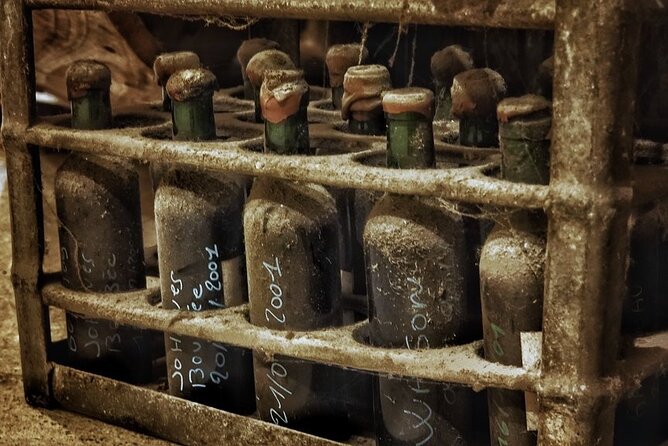
Bordeaux has more polished, high-tech wine museums too. This one isn’t trying to outshine them with scale. It focuses on the Bordeaux trade story and keeps you in the physical environment where wine was historically handled.
If you love historical buildings, cellar atmosphere, and learning the business side of winemaking (not just the geography), this place fits. If you want a big immersive production with lots of multimedia, you may feel the pacing is quieter and the space is smaller.
My advice: treat this as an authentic, old-school Bordeaux stop. It’s best when you want something grounded, not a theme park.
Who this experience suits best
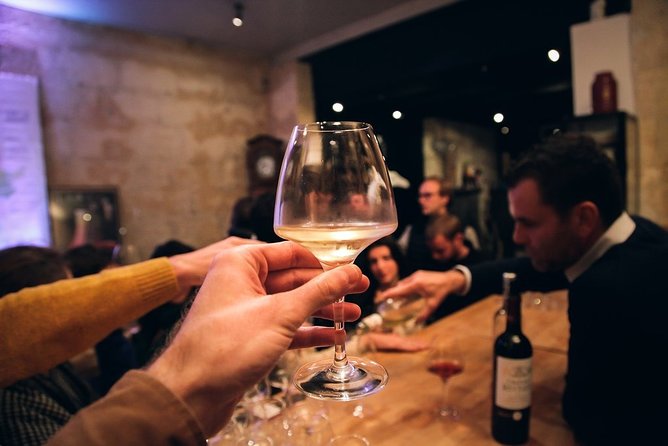
This ticket is a great match if you:
- want a short Bordeaux wine plan that still feels educational
- like learning about how wine gets handled through the trade system
- enjoy tasting Merlot and Cabernet with guidance
- prefer English notes and self-paced museum wandering
It can be less ideal if you:
- are very sensitive to cellar smells
- want a long, fully guided, every-minute narrated tour
It also works for lots of travelers because it runs multiple times during the day and the visit length stays reasonable.
Should you book this Bordeaux Wine and Trade Museum ticket?
I’d book it if you want a low-commitment, high-value Bordeaux wine experience with two clear benefits: a cellar-based museum that explains the trade world and a tasting that teaches you what to notice between Merlot and Cabernet Sauvignon.
Skip it (or at least adjust expectations) if you hate old buildings and strong humidity smells. The experience is authentic, and that comes with atmosphere.
If you’re building a Bordeaux day, this is a smart “winemaking context + tasting” stop that won’t steal your whole afternoon.
FAQ
What’s included with the Bordeaux Wine and Trade Museum ticket?
The ticket includes admission to the museum visit and a wine tasting.
How many wines do you taste?
You taste two wines: Merlot and Cabernet Sauvignon.
Is the tasting included or extra?
It’s included with the ticket.
Is this tour in English?
Yes, it’s offered in English.
How long should I plan for?
Plan for about 1 to 2 hours.
Where does the visit take place?
The experience is at the Wine and Trade Museum in Bordeaux. It’s near public transportation.
What are the opening hours?
The museum runs daily from 10:00 AM to 6:00 PM during the listed date range.
Can I cancel for a full refund?
Yes. You can cancel up to 24 hours before the experience start time for a full refund.