REVIEW · BORDEAUX
Bordeaux: Museum of Illusions Entry Ticket
Book on GetYourGuide →Operated by Musée de l'Illusion Bordeaux · Bookable on GetYourGuide
Bordeaux is a city of light tricks, and this museum turns that idea into play. What I like most is the hands-on, photo-ready illusion rooms and the way the experience mixes fun with clear explanations of perception. One thing to keep in mind: the ticket price can feel steep for a short visit, and some rooms may have waits (especially the mirror areas), so plan to keep things moving.
You get a set time window for about 1 hour, then you’re free to work the route at your own pace. It’s a smart pick for families and curious adults alike, especially if you like being silly on camera while learning why your brain gets fooled.
In This Review
- Key highlights to know before you go
- Musée de l’Illusion Bordeaux: the quick way to set expectations
- Price and value: is $22 worth 1 hour of illusions?
- Entering the museum: what your ticket actually covers
- Your 1-hour route: how to plan the flow without rushing
- Floating, upside down, and shrinking: the photo rooms that teach perception
- Holograms and perspective puzzles: where your brain gets redirected
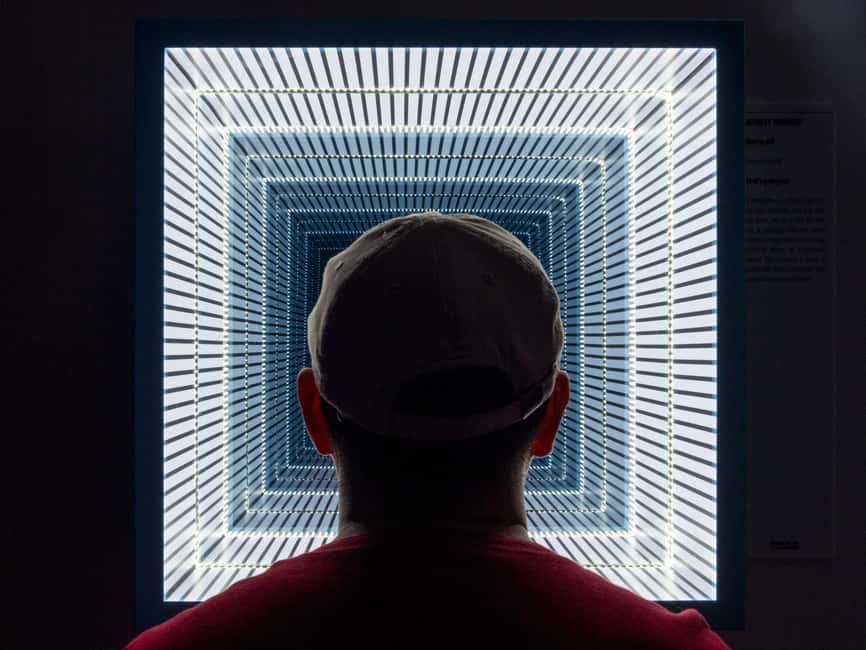
- The mirror room: fun, confusion, and potential waits
- Learn the science of illusions without turning it into homework
- Timing tips: when to go and how to avoid a rushed experience
- What to bring (and what to leave outside)
- Who should book this illusion museum, and who might not love it
- Accessibility: making it easier to plan
- Should you book the Bordeaux Museum of Illusions?
- FAQ
- FAQ
- How long does the Musée de l’Illusion Bordeaux visit last?
- How much does the Bordeaux Museum of Illusions ticket cost?
- Where do I go for the experience?
- What is included with the ticket?
- Are food and drinks included or allowed inside?
- What should I bring for the visit?
- Is the museum wheelchair accessible?
- Can I cancel for a refund?
- Is it possible to pay later?
Key highlights to know before you go
- Instagram-style photo moments built into the installations (floating, upside down, shrinking)
- Illusion science explanations that make the tricks feel less random
- Holograms and perspective puzzles that change what you think you see
- A self-paced route so you can linger where the visuals hit hardest
- Wheelchair accessible for easier planning with mobility needs
Musée de l’Illusion Bordeaux: the quick way to set expectations
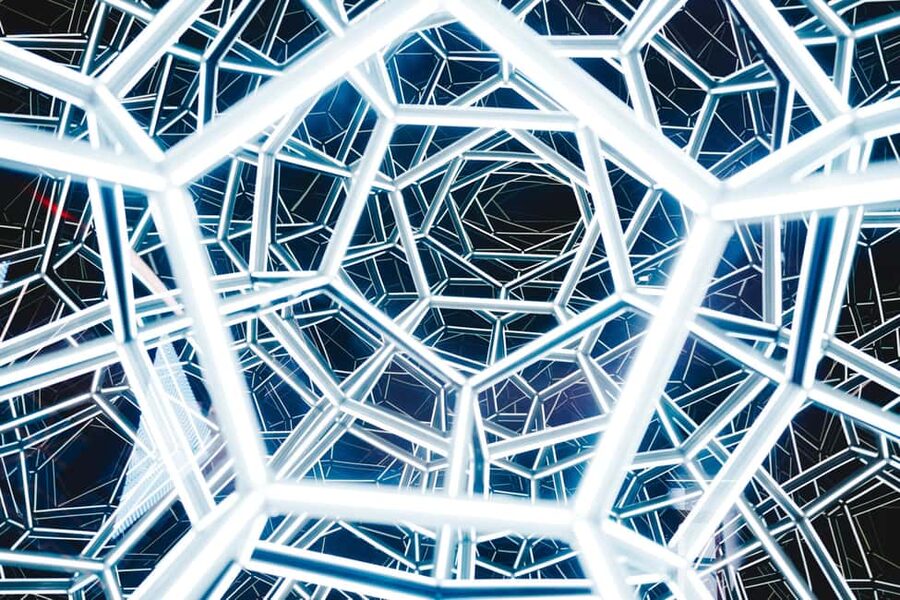
Musée de l’Illusion in Bordeaux is exactly what it sounds like: a museum built around optical tricks. You’re not watching illusions from a distance. You’re walking through them, positioning yourself, and letting your senses do the heavy lifting. In other words, it’s part exhibition, part interactive playground.
The biggest practical payoff is how efficient the experience is. With an entry ticket that’s timed for about 1 hour, you can fit it into a busy day without feeling like you signed up for an all-afternoon commitment. At roughly $22 per person, you’ll want to show up ready to engage, not just to glance.
The museum is also a strong choice if you want easy “activity energy.” Even if you don’t consider yourself a museum person, the rooms are designed to produce instant reactions: confusion, laughs, and that satisfying moment when you realize how the trick works.
A few more Bordeaux tours and experiences worth a look
Price and value: is $22 worth 1 hour of illusions?
Let’s talk money honestly. At $22 per person, you’re paying for the experience design: multiple illusion rooms, interactive photo spots, and explanations that connect the visuals to how perception works. You’re also paying for convenience. This is an admission ticket where you show up and go in, rather than piecing together multiple stops or booking guided time elsewhere.
Here’s how I’d judge the value for you:
- If you want a fast, fun, camera-friendly stop, the price can feel fair.
- If you’re expecting a giant museum campus with lots of time to wander, the 1-hour duration might feel short.
- If you’re sensitive to crowds, be aware that you might hit waiting in the most popular areas, like the mirror room.
If you’re traveling with kids, the value math often improves. Short attention spans love quick rewards. And the museum’s playful mix of visual tricks and simple explanations tends to keep kids from getting bored.
Entering the museum: what your ticket actually covers
Your ticket covers entry to Musée de l’Illusion Bordeaux. That’s it. You’re not signing up for a separate tour add-on in the ticket price. The experience runs on your self-paced movement through the rooms.
That also means you’re in charge of pacing. If you like to take multiple photos from multiple angles, you can. If you’d rather go straight from room to room, you can. The museum sets the structure, but your choices shape the experience.
One more practical note: no food or drinks are included, and food and drinks aren’t allowed inside. So plan for snacks outside the museum before you go, then keep your focus on what you’re there for: the installations and the photo ops.
Your 1-hour route: how to plan the flow without rushing
Because the duration is about 1 hour, you’ll do best by thinking of the museum as a sequence, not a marathon.
A simple approach:
- Start strong in the first rooms that catch your eye most.
- Save your favorite “repeat photo spots” for after you’ve had your first pass.
- If you hit a wait in one area, move on. You can circle back if time allows.
The museum is designed for quick visual payoff. Many installations are built to create an immediate reaction, so you don’t need to “catch up” on meaning as you go. Even when the science is part of the experience, it’s presented in an approachable way—enough to explain why your brain misread the scene, without turning the day into a lecture.
This pacing matters because it keeps the experience fun. If you try to linger everywhere, you can end up feeling rushed at the end. The museum works best when you pick a few rooms to slow down for.
Floating, upside down, and shrinking: the photo rooms that teach perception
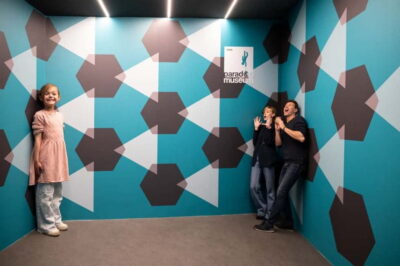
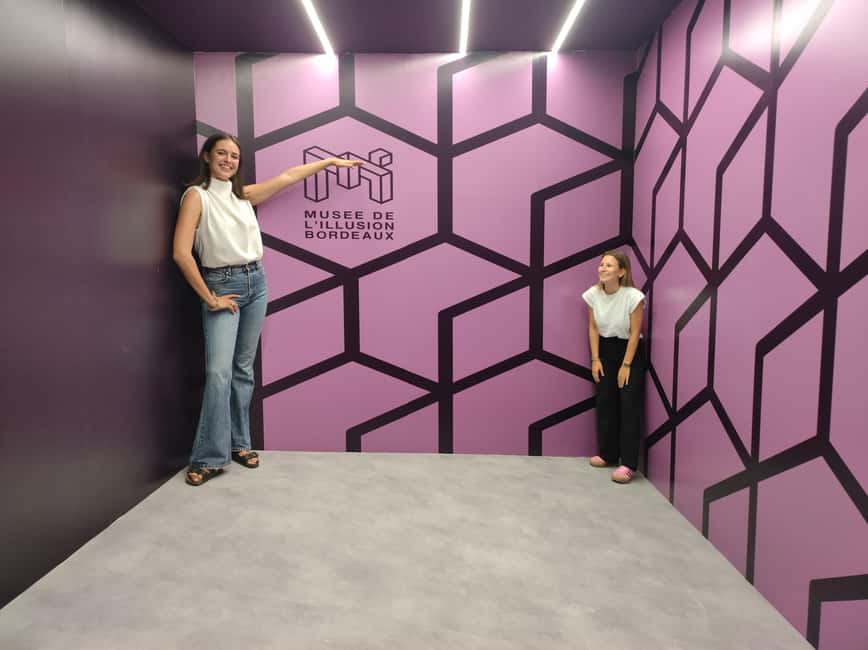
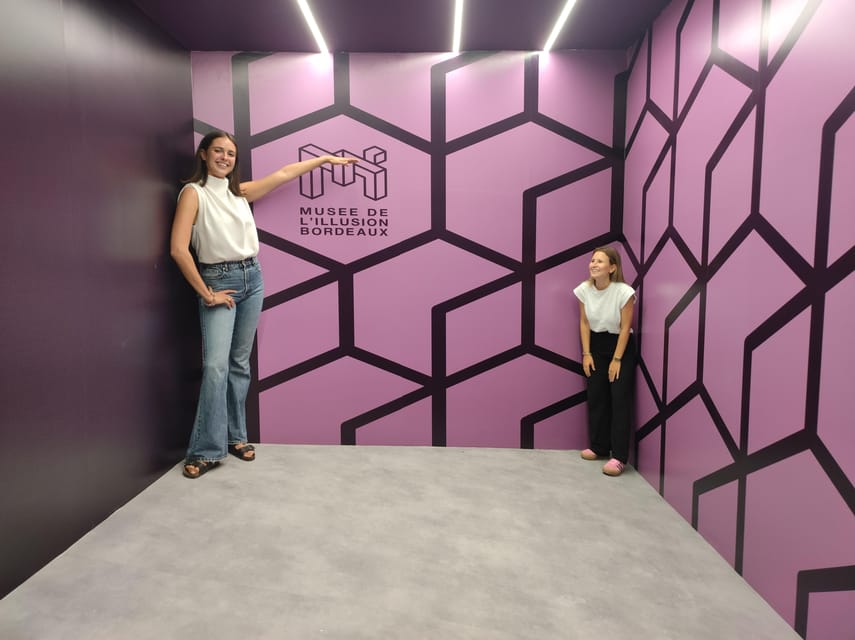
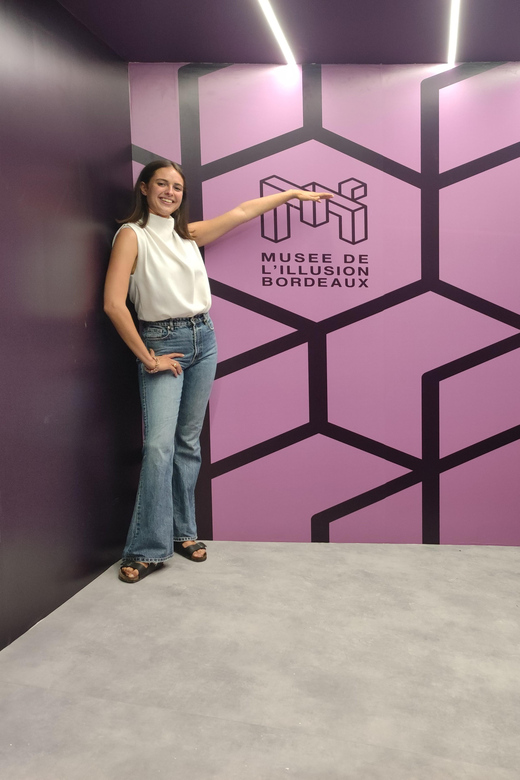
Some of the best moments here are also the easiest to understand on the spot. You’ll see photo setups where you appear to float mid-air, stand upside down, or shrink in size. These are the rooms that usually produce the biggest smiles.
What makes them valuable isn’t only the Instagram factor. These are perception lessons disguised as jokes. Your camera captures a scene that looks impossible, but your brain has to reconcile angles, scale cues, and framing. The result is that you don’t just take a photo—you get a better feel for why scale and orientation cues matter.
Practical tip: bring a camera or a charged smartphone and treat lighting like part of the experience. If a room uses strong visual contrast or odd angles, your photos will come out better when the lens is clean and your phone battery doesn’t die halfway through the best setup.
Also, plan for a bit of coordination. In rooms where you’re doing an illusion pose, you might need someone to hold your shot or time your position. If you’re going as a couple or family, decide quickly who’s behind the camera.
Holograms and perspective puzzles: where your brain gets redirected
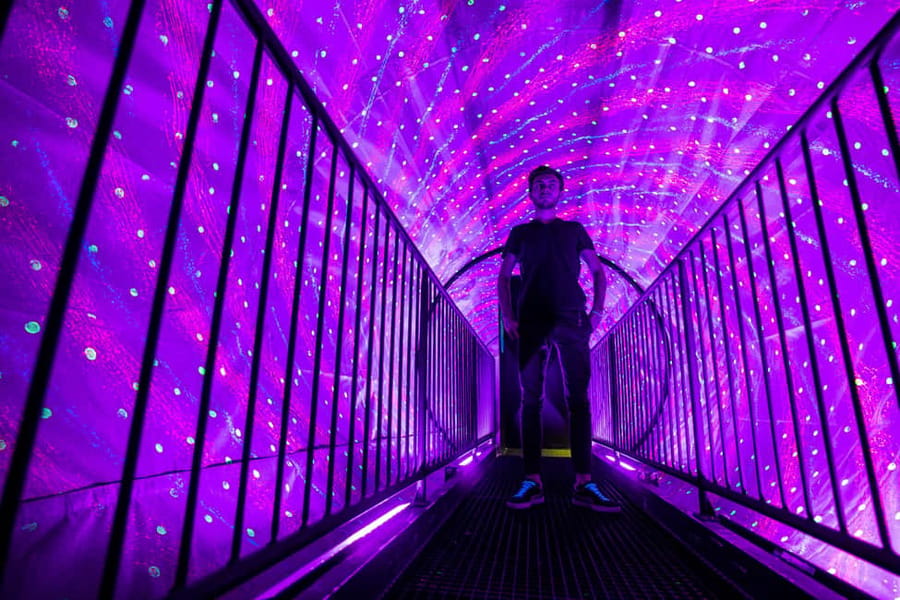
Beyond the big photo installations, you’ll encounter visuals that work through more subtle tricks. The museum includes mind-boggling holograms and perspective-changing puzzles—the type of setups that make you question whether the scene is moving, even when you’re the one moving.
These rooms are where you’ll likely have the most “wait, what?” moments. You’ll see how small changes in your position can flip your interpretation. Stand in one spot and the illusion reads one way. Take a step and it changes.
For practical sightseeing, this is ideal. It doesn’t require extra explanation to start enjoying it. The museum gives you a reason to experiment: move, look again, compare what you thought the moment meant.
If you’re visiting with kids, this is a great section because it turns into a game. Kids love being “the one who finds the answer,” even if the real answer is that the brain is being nudged by visual cues.
The mirror room: fun, confusion, and potential waits
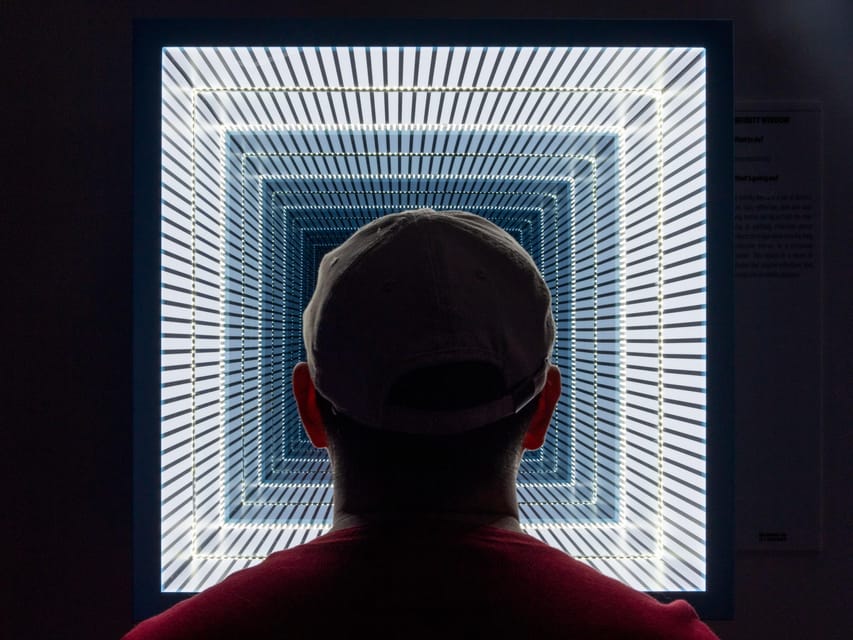
The museum’s mirror room is one of the areas people often focus on. It’s the kind of setup that can be both hilarious and frustrating in the best way.
Here’s the consideration: you might experience some waiting for that specific room, and you should calibrate expectations if you were thinking it would feel like a massive attraction compared to larger installations elsewhere. Some visitors found it smaller than they expected, but still worth it for the effect.
If you want the best experience in the mirror room:
- Keep your photos quick and purposeful.
- Don’t trap yourself taking 30 tries in a short window.
- If the line grows, move on. You’re not stuck there to complete the whole museum.
This is one of those places where your mood matters. If you treat it like a photo challenge with a time limit, it stays fun.
Learn the science of illusions without turning it into homework
The museum doesn’t only show tricks. It also gives you the “why” behind them, connecting what you see to how perception works. You’ll see visual information that explains the science behind optical illusions across different rooms.
This is a big part of the value for adults. You’re not just collecting photos. You’re learning a useful concept: your brain builds reality from incomplete information. That’s why illusions can feel convincing even when they’re wrong.
For kids, the science angle often lands better because the explanations come right after the visual experience. The museum basically helps you connect the dots while the trick is still fresh in your mind.
If you’re the kind of traveler who likes short educational stops, this hits the sweet spot: engaging and not heavy.
Timing tips: when to go and how to avoid a rushed experience
Since the museum is about 1 hour, timing is less about “best season” and more about how you manage crowd pressure.
If you’re choosing between time slots, pick one that fits your energy level. A longer day with many museums can make a short illusion visit feel like a break. A tight schedule with no buffer can make it feel stressful when you hit waits.
Because some rooms can be popular, I’d build in a calm mindset. Treat any line as part of the day rather than a reason to rush the whole museum.
What to bring (and what to leave outside)
The museum gives you a clear checklist: bring a camera and a charged smartphone. That’s important because this place is photo-led. If you run out of battery, you’ll lose the ability to capture the moments that make the trip feel worth it.
What not to bring:
- Food and drinks aren’t allowed.
- Alcohol and drugs aren’t allowed.
So plan your snack outside, then keep your hands free for the installations.
Who should book this illusion museum, and who might not love it
This is a strong fit for:
- Families with kids who like hands-on experiences and funny visual effects
- Adults who enjoy playful science and don’t mind looking a little silly for photos
- Groups who want a short, contained activity without long walking routes
It might not be the best fit if:
- You’re expecting a huge museum with hours of wandering
- You strongly dislike waiting, especially for popular rooms
- You want food included or want a full half-day experience
The review rating is 4.2 out of 5 based on 588 ratings, which lines up with the general theme: most people rate it highly for fun and visuals, while a smaller group questions whether the price matches the short duration.
Accessibility: making it easier to plan
Good news for mobility planning: the museum is wheelchair accessible. That matters because illusion rooms are interactive. You’ll want to know the space supports movement through the exhibit areas.
As always, if you use a wheelchair, plan a little extra time to maneuver comfortably between setups, especially around photo poses.
Should you book the Bordeaux Museum of Illusions?
I’d book it if you want a short, high-reaction stop where you’ll leave with both photos and a better understanding of perception. The experience is built to deliver quick payoff: floaty visuals, upside-down poses, shrinking-scale effects, and rooms that turn perspective into a game.
If you’re price-sensitive, treat the $22 as a “pay for admission + photo moments + science explanations” decision, not a bargain museum deal. It can feel like a lot for an hour, especially if you expected more space or fewer lines.
My practical call: book it when you’re traveling with kids, when you have limited time in Bordeaux, or when you want a playful indoor break from walking. Skip it only if you’re not into photo-posing, or if you need a longer museum-style experience.
FAQ
FAQ
How long does the Musée de l’Illusion Bordeaux visit last?
The experience duration is about 1 hour.
How much does the Bordeaux Museum of Illusions ticket cost?
The price listed is $22 per person.
Where do I go for the experience?
You go to Musée de l’Illusion Bordeaux.
What is included with the ticket?
The ticket includes museum entry.
Are food and drinks included or allowed inside?
Food and drinks are not included, and food and drinks are not allowed.
What should I bring for the visit?
Bring a camera and a charged smartphone.
Is the museum wheelchair accessible?
Yes, it is wheelchair accessible.
Can I cancel for a refund?
Yes. You can cancel up to 24 hours in advance for a full refund.
Is it possible to pay later?
Yes. You can reserve now and pay later, keeping your travel plans flexible.