REVIEW · MUSEUM OF COMMUNISM
Prague: Museum of Communism Entrance Ticket
Book on GetYourGuide →Operated by Museum of Communism · Bookable on GetYourGuide
Communism history, staged with recreated rooms and facts. What makes the Museum of Communism such a compelling stop in Prague is the way it turns big, scary politics into small, lived-in spaces. I especially like the authentic mock-ups you can walk through, and the exhibition’s very structured coverage across institutions, propaganda, and daily routines. One thing to consider: it’s text-heavy, so if you prefer museums with lots of objects and less reading, you may feel the pace is demanding.
The museum is built around the period when the totalitarian regime ruled Czechoslovakia from the 1948 February putsch up to the Velvet Revolution in 1989. You’ll move through themed sections like politics, education, Socialist Realist art, the secret police (including StB), censorship, courts, police and People’s Militias—plus the darker era of show trials and Stalinist political labor camps.
Expect a full loop through nearly 1,500 m² of exhibition space (with 62 panels) and frequent media support. You’ll also have a built-in break at the museum café and a short documentary shown in the on-site cinema at regular intervals.
In This Review
- Key things to know before you go
- Museum of Communism at V Celnici: what your ticket really covers
- Entering the 1948–1989 world: the themes you walk through
- Reconstructed rooms: shock worker workshop to interrogation room
- Artifacts and photo archives: how the museum shows both power and daily life
- The show-trial era, censorship, and why the details matter
- Multimedia pacing: café break, short films, and a realistic visit length
- Price and value: is $18 a fair deal for what you get?
- Who should book this ticket in Prague, and who might skip it
- Should you book the Prague Museum of Communism ticket?
- FAQ
- How long is the Prague Museum of Communism ticket valid?
- What does the entrance ticket include?
- Do I need a live tour guide?
- Is there anything to watch besides the 15-minute documentary?
- Does the museum have a café?
- What should I know about timing at the cash desk?
Key things to know before you go
- Recreated life scenes: classroom, child’s bedroom, shock worker workshop, and an interrogation room
- Big timeline, clear themes: from the 1948 coup to 1989, with lots of categories like censorship and courts
- Photo archives + personal collections: Czech News Agency, Security Services Archive, forced camp labor archive
- Multimedia support: short videos plus posters and artifacts, not just walls of text
- Plan for reading time: many visitors end up spending longer than they expected
Museum of Communism at V Celnici: what your ticket really covers
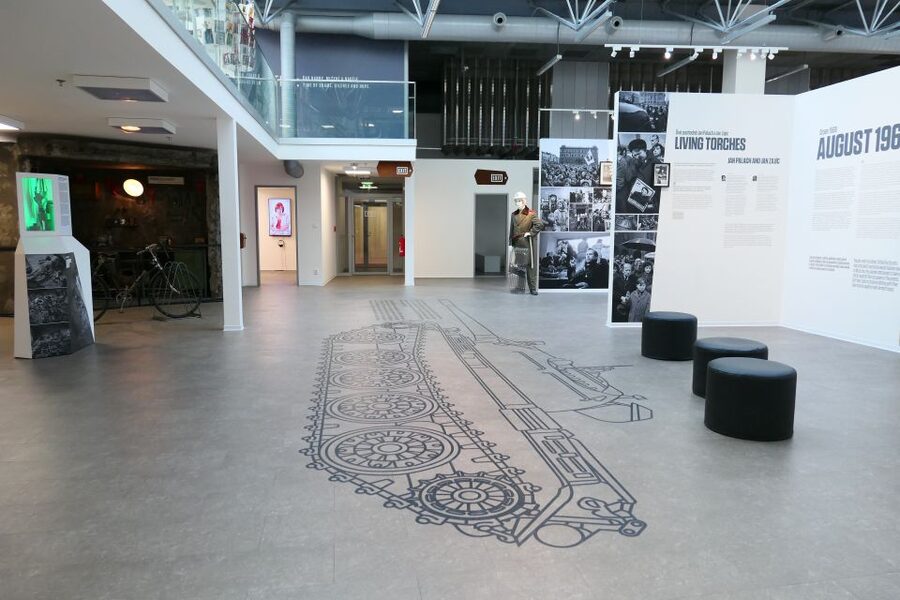
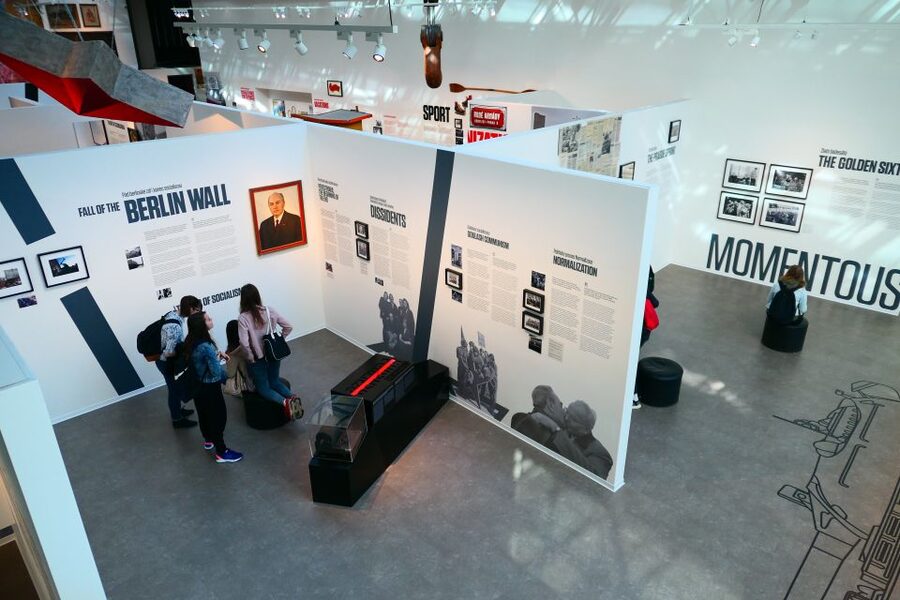
The Museum of Communism is located at V Celnici 1031/4, 110 00 Prague. This isn’t one of those quick “see one room and leave” museums. Your entrance ticket gives you access to a large exhibition that runs across almost 1,500 m² and includes 62 panels, organized into thematic sections rather than only a straight chronological timeline.
You also get a 15-minute documentary included with admission. On top of that, the museum has a cinema setup where you can watch a short documentary about the communist era at regular intervals. In practice, that means you can use films as a reset point while you work your way through the text and visuals.
One practical detail that matters: the cash desk closes 30 minutes before the museum closes. If you’re planning to buy snacks, drinks, or anything in the shop, don’t leave it to the last moment.
Entering the 1948–1989 world: the themes you walk through
The exhibition covers the totalitarian system that ruled Czechoslovakia beginning with the February putsch in 1948 and ending with the Velvet Revolution in 1989. Instead of treating communism as one vague idea, the museum spreads it across how it touched daily life and how it kept power.
As you move through the rooms, you’ll see sections that focus on:
- Politics and propaganda, including how messaging was shaped for public life
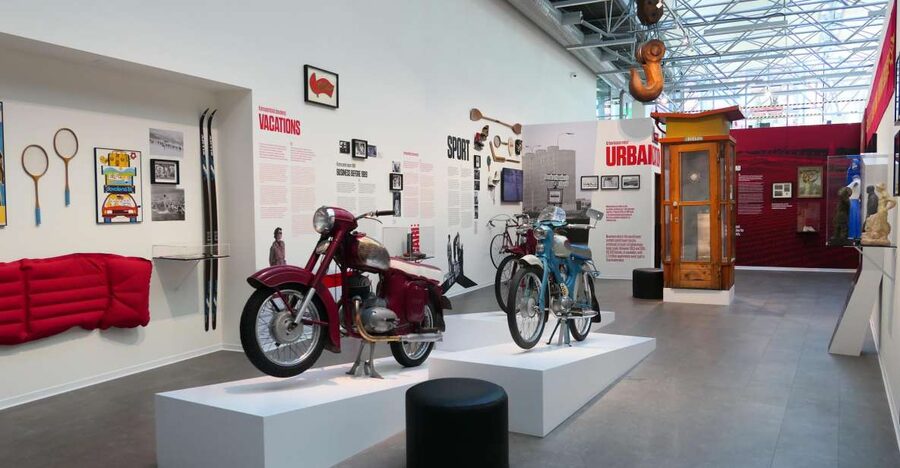
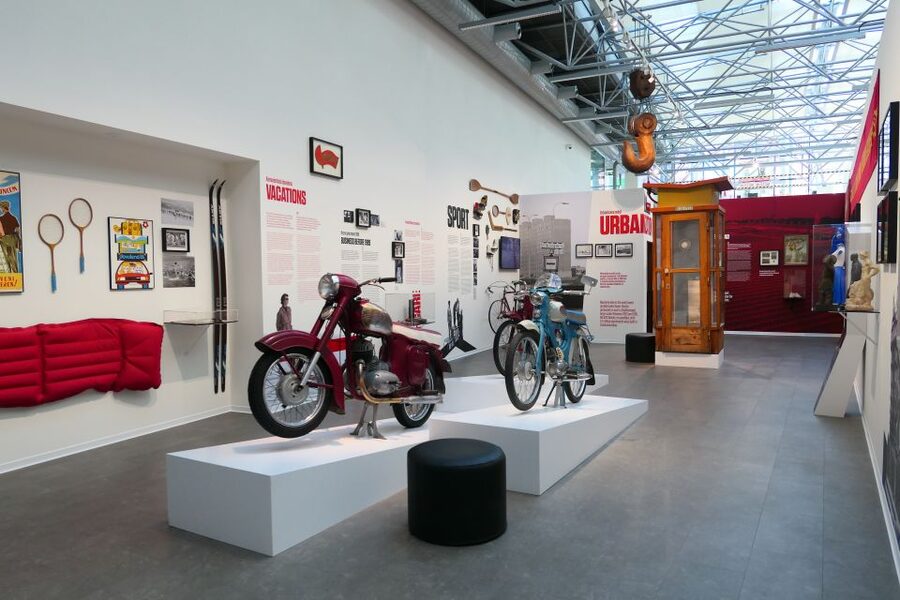
- Sports, which is often a surprising category because it shows how even leisure and public achievement could be political
- Economics and education, where you can connect the theory of a system to what people actually experienced
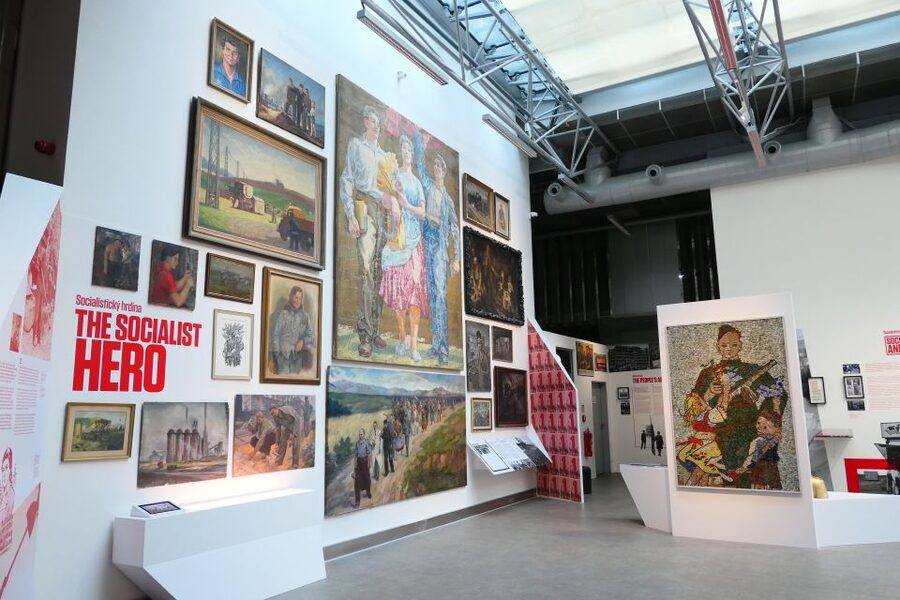
- Socialist Realist art, which helps explain how creativity was pressured into serving ideology
- The army, police, and StB, so you understand enforcement as more than a rumor
- Censorship and courts, which shows control as a method, not just a feeling
- People’s Militias, a reminder that the system relied on more than just official uniforms
- Show trials and political labor camps during the Stalinist era
What I like about this approach is that it trains your eye to notice patterns. Even when you’re looking at an object or a display about art or education, the exhibit keeps tying it back to power, surveillance, and the limits put on ordinary choices.
Reconstructed rooms: shock worker workshop to interrogation room
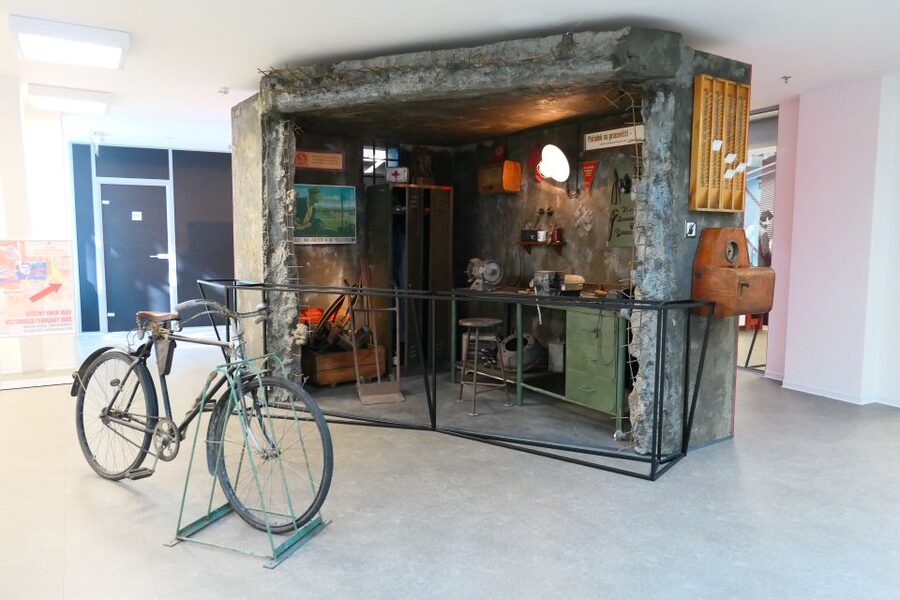
If you’re the kind of person who learns best by seeing how things function, the museum’s room recreations are a major reason to go. Instead of just reading about control and daily routine, you get to step into spaces that are built to resemble key parts of life.
The exhibition includes interactive mock-ups and reconstructed settings such as:
- a shock worker’s workshop (the idea of labor as virtue made visible)
- a classroom
- a child’s bedroom
- an interrogation room
These rooms do something subtle: they force you to think about atmosphere. Posters, classroom setups, and the emotional tone of an interrogation space don’t just tell you what was happening—they hint at how people were expected to behave. You get the sense that communism wasn’t only a policy. It was a daily setting.
There’s also a lot of media support alongside these rooms—short videos, posters, and artifacts—so you don’t have to rely on imagination alone. Still, go in knowing the museum is not a light walk. It asks you to sit with uncomfortable details.
Artifacts and photo archives: how the museum shows both power and daily life
This museum doesn’t rely only on rooms. It also leans hard on sources that help you build a more “documentary” picture of the era.
You’ll browse a large photographic collection drawn from major archives, including:
- the Archive of the Czech News Agency
- the Security Services Archive
- the Archive of the Association of Forced Military Camp Laborers
- plus personal collections of leading Czech photographers
That mix is important. News agency photos can show what was being presented. Security services material connects to enforcement and surveillance. Forced labor archives center the human cost. When those sources are placed next to each other, the exhibit feels less like a single political argument and more like a set of evidence you’re asked to interpret.
One example of how this lands: the exhibition reaches beyond slogans. It covers institutions and the mechanics of rule—police, courts, censorship, and the StB secret police—so you can see how propaganda and coercion worked together.
Balance note: some visitors feel the museum is strongly critical in tone, and that can affect how much depth you feel is given to certain turning points. If you want a lot of back-and-forth debate about whether central planning could have worked in theory, you might find the tone a bit one-directional. The museum’s strength is showing what power did on the ground.
The show-trial era, censorship, and why the details matter
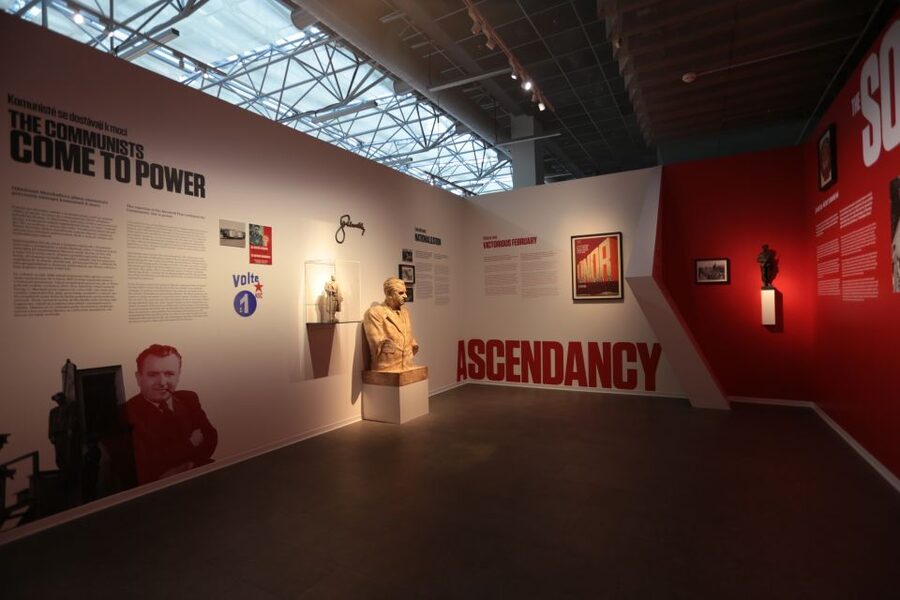
The hardest parts of the exhibition are also the most informative. The museum doesn’t just gesture at repression. It includes coverage of:
- censorship
- courts
- show trials
- and political labor camps during the Stalinist period
For me, the value here is practical. When you know how censorship and show trials function, you start recognizing similar patterns in other places and other eras: control of information, pressure to conform, and the use of institutions to rewrite reality.
The displays also focus on the “system layer,” not only individual villains. You can connect the dots between propaganda content, educational messaging, and enforcement structures. Even if you already know the basic story of communism in Czechoslovakia, this structure helps you understand the machinery.
Multimedia pacing: café break, short films, and a realistic visit length
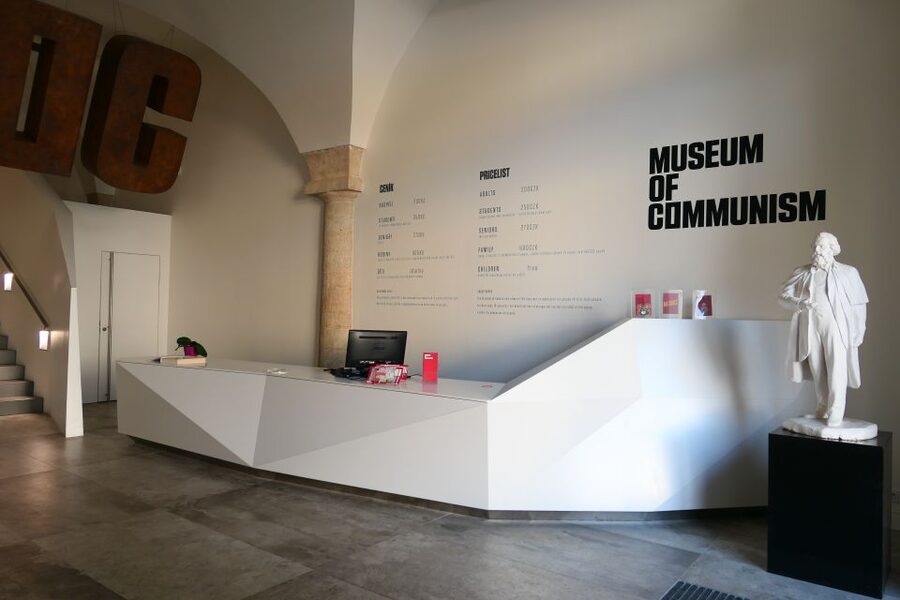
A big clue is in the review patterns: people often settle in for longer than they expected. The exhibition is text-and-media heavy, and it’s designed as a loop, so once you start, it’s hard to stop at the first page.
A realistic plan is:
- about 2 hours if you read steadily and catch key videos
- closer to 3 hours if you read a lot and don’t skim
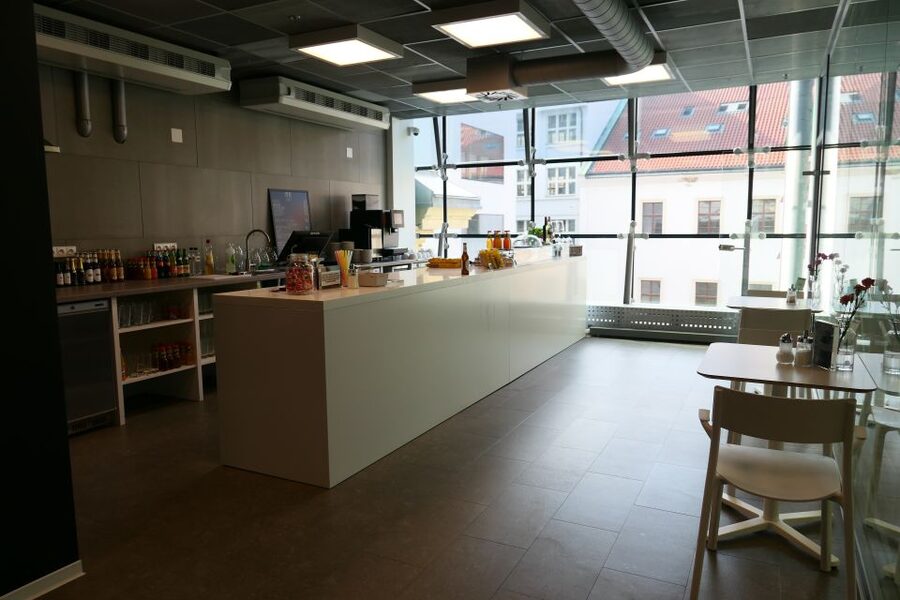
You’ll have chances to reset. The museum has a museum café, so you can take a breath before continuing. There’s also the on-site cinema showing a short documentary about the communist era at regular intervals. You can use that as a “moment of compression” after one of the heavier themed sections.
One practical drawback to know: a few people specifically mention that café and drink options could be better, and some note that the café and gift shop were closed on their day. That doesn’t mean it’s always like that, but it’s worth treating food as a plan-ahead item.
Price and value: is $18 a fair deal for what you get?
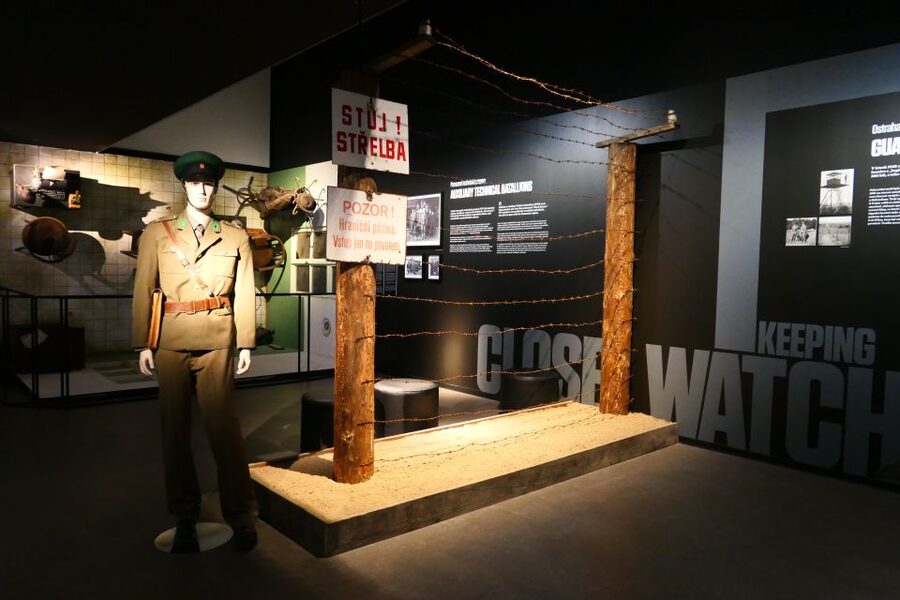
At about $18 per person, this museum is priced like an attraction that expects you to spend real time with it. And with nearly 1,500 m², 62 panels, recreated rooms, and multiple film elements, you’re not paying for a single photo wall.
Here’s where the value calculation gets personal. If you like:
- post–World War II European history
- the Cold War era and its spread through institutions
- museums that use documentary-style sources (photos, artifacts, archived material)
…then $18 feels reasonable because you’ll likely leave with a clear mental timeline and a more detailed understanding of how communism was experienced.
If you want a light cultural stop, this isn’t it. The museum prioritizes information and documentation. It’s built for readers and people who want context, not just quick entertainment.
Who should book this ticket in Prague, and who might skip it
This museum is a strong fit if you:
- want a structured look at how totalitarianism affected education, culture, policing, and everyday life
- prefer museums with reconstructions that you can walk through
- like archives and photographs tied to real institutions
It may feel like a lot if you:
- get worn out by lots of reading and videos
- want a deeper, more even-handed breakdown of every single political turning point (some displays for moments like the Prague Spring and Velvet Revolution can feel limited in the amount of material you see)
- are hoping for a fun, low-intensity afternoon
If you’re combining it with other history museums in Prague, this works best as one of your main “headliner” educational stops, not a side quest.
Should you book the Prague Museum of Communism ticket?
Book it if you want an honest, structured look at how communist rule worked in Czechoslovakia—from 1948 to 1989—and you’re okay spending time reading and watching short films. At $18, the museum’s value comes from the sheer amount of space, the themed organization, and the recreated rooms that make abstract power feel concrete.
Skip or reconsider if you strongly dislike text-heavy exhibitions or you’re looking for a relaxed, casual museum afternoon. This place asks you to pay attention, especially in the heavier sections on censorship, courts, and repression.
If you do book: give yourself enough time. Even a “quick visit” here can turn into a long one, and that’s usually a good thing.
FAQ
How long is the Prague Museum of Communism ticket valid?
The ticket is valid for 1 day starting from the first time you activate it.
What does the entrance ticket include?
Your ticket includes entrance to the exhibition and a 15-minute documentary about communism in Czechoslovakia.
Do I need a live tour guide?
No. A live tour guide is not included. The museum uses text, artifacts, posters, and videos to explain the themes.
Is there anything to watch besides the 15-minute documentary?
Yes. You can also visit the museum cinema to watch a short documentary about the communist era at regular intervals.
Does the museum have a café?
Yes. There’s a museum café, and it’s a good place to take a pause during your visit.
What should I know about timing at the cash desk?
The cash desk closes 30 minutes before the museum closes, so if you want to purchase anything, plan to do it earlier.