REVIEW · VENICE
Venice: City Pass with Museums including Doge’s Palace
Book on GetYourGuide →Operated by Venezia Unica by Vela Spa · Bookable on GetYourGuide
Doge’s Palace is a time machine. This Venice City Pass bundles Doge’s Palace with major museums across the city so you can build a day (or spread it out) around Venice’s big names. You get access to historic spaces tied to Venice’s rule and to museum collections that go from civic art to crafts on the islands.
I especially like the flexibility: Doge’s Palace is on a set date/time window (12 PM to 6 PM), but the other museum entries can be used later within 6 months. I also like the range of places: you’re not stuck in one type of museum, since the pass covers classics like Museo Correr and Biblioteca Marciana plus special-leaning stops like Murano’s Glass Museum and Burano’s Lace Museum.
One possible drawback: this pass does not include entry to St. Mark’s Basilica, so if that’s your top must-see, you’ll still need a separate plan. Also, Doge’s Palace is the anchor for your selected date, so you’ll want to avoid booking your day around a single late start.
In This Review
- Key things to know before you go
- Price and logistics: what $74 buys you in real life
- Your Venice City Pass day: how to plan without stress
- Doge’s Palace entry window (12 PM–6 PM): the main event
- Museo Correr, Archaeological Museum, and Biblioteca Marciana
- Ca’ Rezzonico, Ca’ Pesaro, and Natural History Museum: switching moods
- Mocenigo Palace, Carlo Goldoni House, and Museo Fortuny: Venice through its people
- Murano glass and Burano lace: the easiest way to add islands
- Scuole Grandi and Querini Stampalia: the pass’s quieter cultural side
- What is included vs. not included (and where surprises usually happen)
- Voucher rules that can slow you down (if you ignore them)
- How to build your personal route around the included museums
- Should you book the Venice City Pass with Doge’s Palace?
- FAQ
- What’s included with the Venice City Pass?
- What time can I enter Doge’s Palace?
- Can I start at a place other than the meeting point?
- Do I need my voucher at the entrance?
- Are there free tickets for children?
- How long do I have to use the museum entries?
- What are the opening hours for Museo Correr, the Archaeological Museum, and Biblioteca Marciana?
- Is a guide included?
- Is St. Mark’s Basilica included?
Key things to know before you go
- Timed Doge’s Palace entry (12 PM–6 PM), with last entrance 1 hour before closing
- Voucher + PNR code is required at each attraction entrance
- You can start at any included attraction, not just the Doge’s Palace meeting point area
- 11 museums are included, plus access described for Scuola Grande dei Carmini and Querini Stampalia Fondation
- Some museums have shorter hours (Correr, Archaeological Museum, Biblioteca Marciana: 10 AM–5 PM)
- Murano and Burano are covered via the Glass Museum and Lace Museum, which makes planning easier
Price and logistics: what $74 buys you in real life
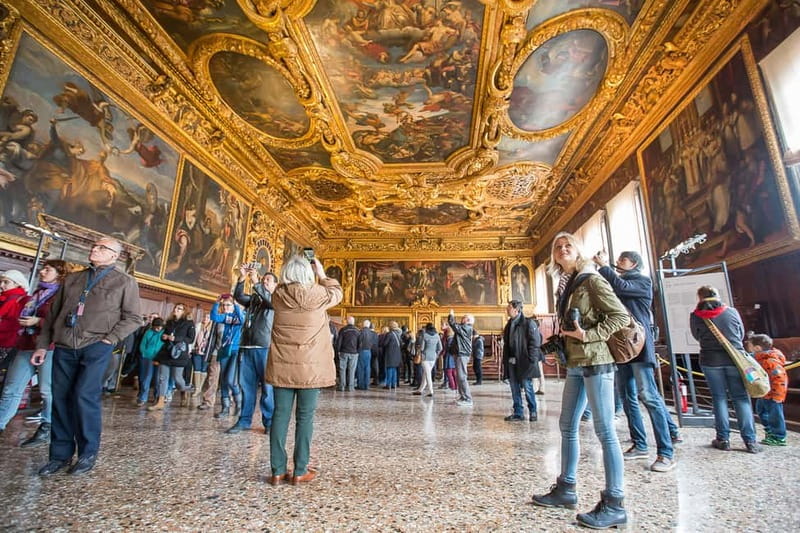
At about $74 per person for 1 day, this pass feels most worthwhile when you’re the type of traveler who wants more than one museum ticket. Venice is famous for being full of art and civic buildings, but ticket-by-ticket costs add up fast. This pass packages your entry to the big hitter—Doge’s Palace—and pairs it with 11 other museums you can actually use, not vague “maybe someday” extras.
The other reason it’s good value is that you don’t have to cram everything into one single day. Doge’s Palace is locked to your selected date and a 12 PM–6 PM window, but the rest of the museums can be visited within 6 months from that Doge’s Palace entrance. That means if your first day is eaten by queues, rain, or just heat, you can come back later for the rest without losing the pass.
You can also read our reviews of more tours and experiences in Venice.


Your Venice City Pass day: how to plan without stress
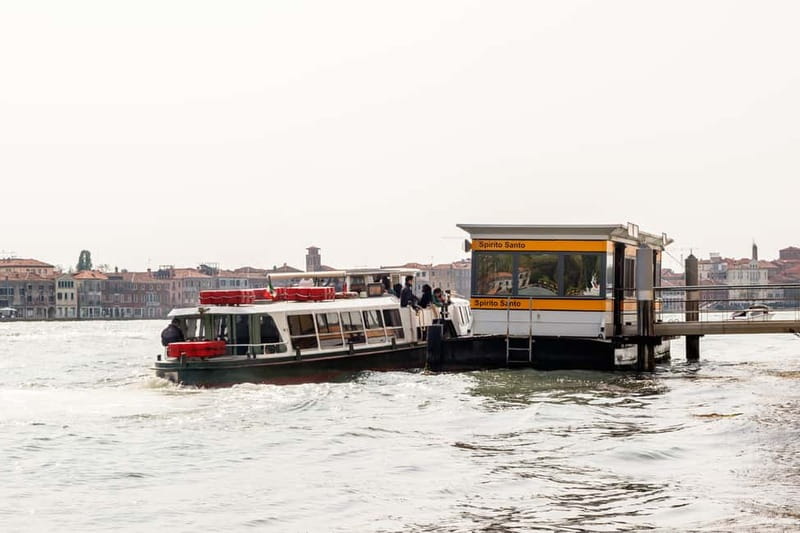
You can treat this pass like two gears: one timed gear (Doge’s Palace) and one flexible gear (the 11 museum entries).
For Doge’s Palace, plan to arrive with enough buffer. Your entry runs from 12 PM to 6 PM, and the last entrance is 1 hour before closing. If you show up right at the edge, you’ll likely feel rushed inside one of Venice’s most intense interior spaces.
For the museum entries (Museo Correr, Archaeological Museum, Biblioteca Marciana, Ca’ Rezzonico, Ca’ Pesaro, Natural History Museum, Mocenigo Palace, Carlo Goldoni House, Glass Museum on Murano, Lace Museum on Burano, and Museo Fortuny), you can spread them out over time. The nice part: you’re not locked into a single “museum day” that has to match every opening hour.
Practical note: the meeting point points you to the Doge’s Palace area, but you’re allowed to start your visit from any included attraction. So if you’re already near a museum in the morning, you can start there and save Doge’s Palace for later.
Doge’s Palace entry window (12 PM–6 PM): the main event
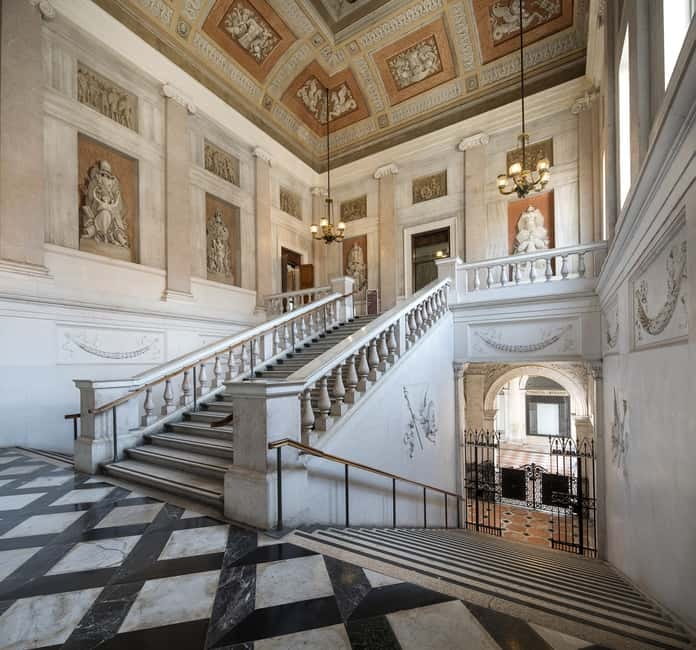
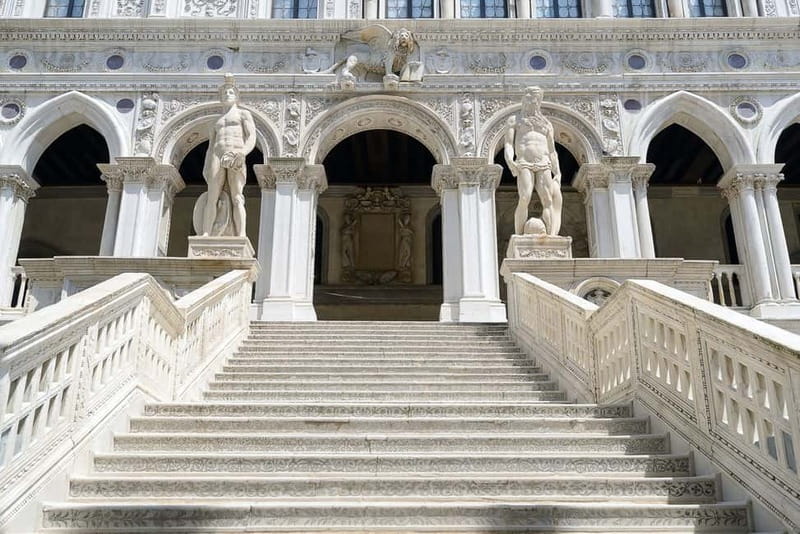
Doge’s Palace is listed as a key included stop, and it’s not subtle about what it is. This is the building that served as the seat of a 1000-year republic, and that political weight matters once you’re inside. Even if you’re not a history fanatic, the building’s purpose shows in the scale, the corridors, and the way the site is meant to impress.
You also get access to Byzantine monuments in St. Mark’s Square as part of the pass description, which helps the area make more sense as a single zone rather than a random collection of landmarks. Think of it as: Doge’s Palace gives you the power center, and St. Mark’s Square gives you the religious and visual backdrop around it.
Timing tip: since your Doge’s Palace entry is midday through early evening, it can work well as your “late morning to early evening” anchor. If you’re trying to do museums earlier, save Doge’s Palace for later in your day so you’re not sprinting across Venice while other sights are still open.
Museo Correr, Archaeological Museum, and Biblioteca Marciana
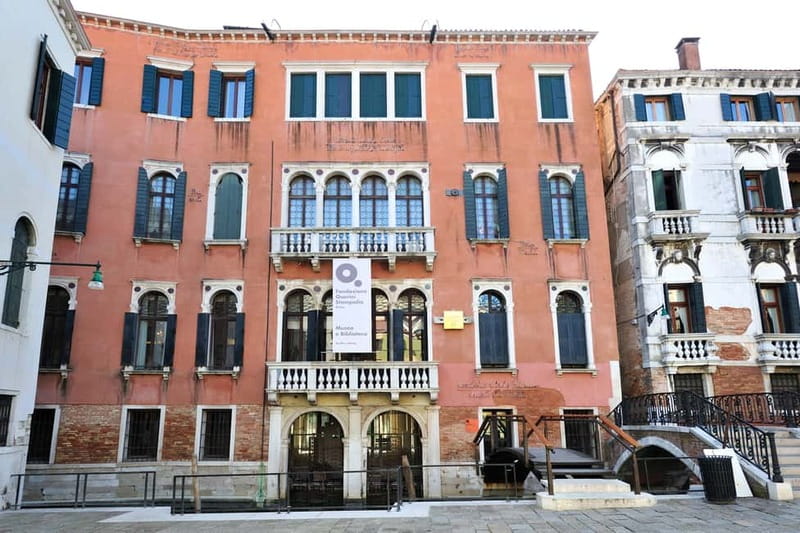
These three are a strong trio because they’re very “Venice” in how they frame the city: civic collections, artifacts, and a big reading-room energy.
Here’s the practical part you should build around: Museo Correr, the Archaeological Museum, and Biblioteca Marciana run 10 AM–5 PM, with last entry 1 hour before closing. So if you want these, they’re better for earlier in the day than late afternoon.
What to expect:
- Museo Correr: a museum focused on Venice’s civic story and local culture.
- Archaeological Museum: a chance to see how older worlds fed into Venice.
- Biblioteca Marciana: a major library experience that’s as much about the space as the materials you might find there.
If you’re planning day-of, put one of these in your first time block. Then, if you still have energy, pair the other museum(s) nearby. The advantage of the pass is that you can keep going later in the trip without re-buying tickets.
Ca’ Rezzonico, Ca’ Pesaro, and Natural History Museum: switching moods
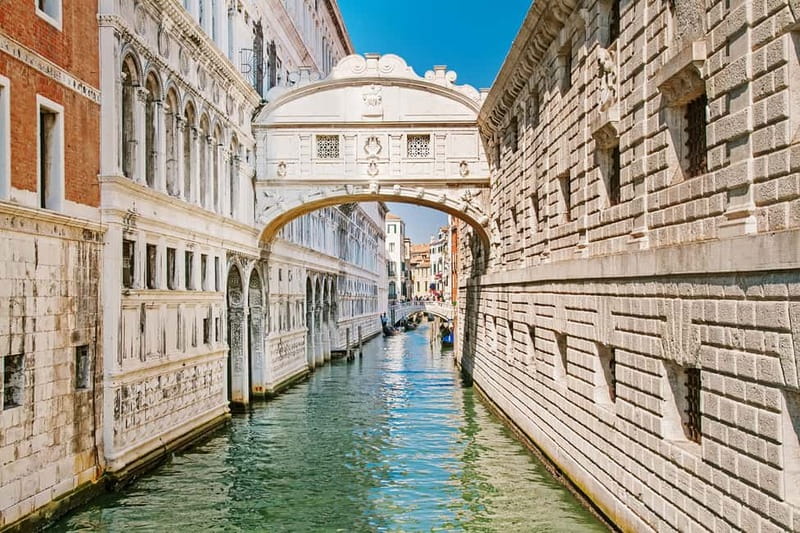
Not every museum in Venice should feel like the same museum. This pass does a nice job giving you different moods.
- Ca’ Rezzonico: you’re stepping into a Venice-world of rooms and art tied to the city’s artistic identity.
- Ca’ Pesaro (International Gallery of Modern Art): this is your modern break. If your Venice day starts to feel like too much stone and paper history, modern art can reset your eyes and keep the day from turning into one long museum sameness.
- Natural History Museum: a different angle entirely. If you travel with kids, or you simply like a change of pace, this stop can be a good contrast to the city’s architecture-focused sites.
The drawback for this cluster is simply rhythm. If you try to cram multiple big interiors in one afternoon, you can end up spending more time “getting through” than actually looking. I’d pick one of these as your core in a time block and let the rest be optional.
You can also read our reviews of more museum experiences in Venice


Mocenigo Palace, Carlo Goldoni House, and Museo Fortuny: Venice through its people
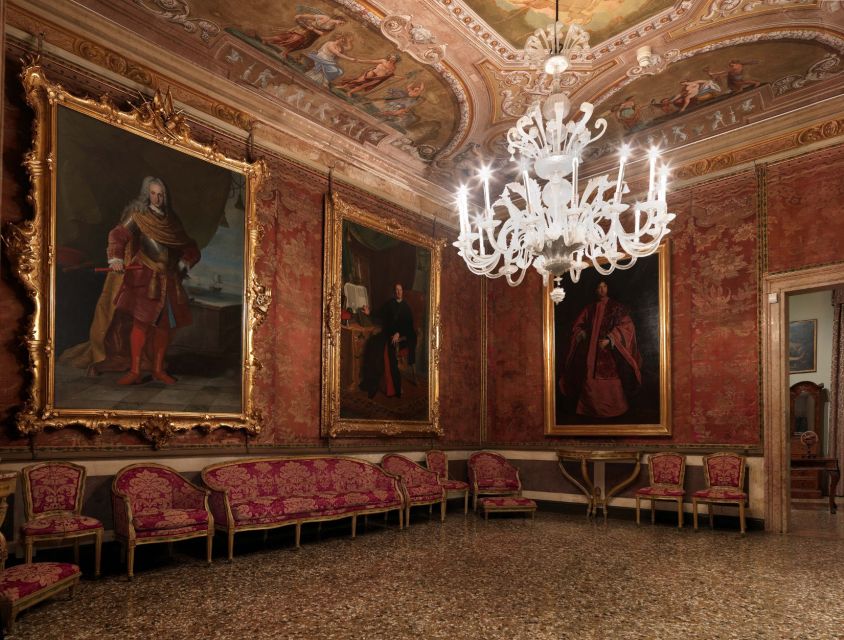
Some museums feel like they exist to impress. Others feel like they exist to show you how people lived, worked, and thought. The pass includes three that lean strongly toward the people-and-houses side:
- Mocenigo Palace: a palace setting that ties Venice’s story to a family world. You’ll likely enjoy this more if you like interiors and domestic scale rather than only grand public halls.
- Carlo Goldoni House: it’s specifically named for Goldoni, so expect a cultural-life focus built around his story and legacy.
- Museo Fortuny: this is a museum that’s named for Mariano Fortuny, so you’re going into a more curated, artist-linked environment.
Why these matter for your trip: Doge’s Palace gives you institutions and power. These stops give you the human layer—how Venice shaped artists, writers, and families. If you do only the palace and one “big” museum, you can miss that softer Venice.
Murano glass and Burano lace: the easiest way to add islands
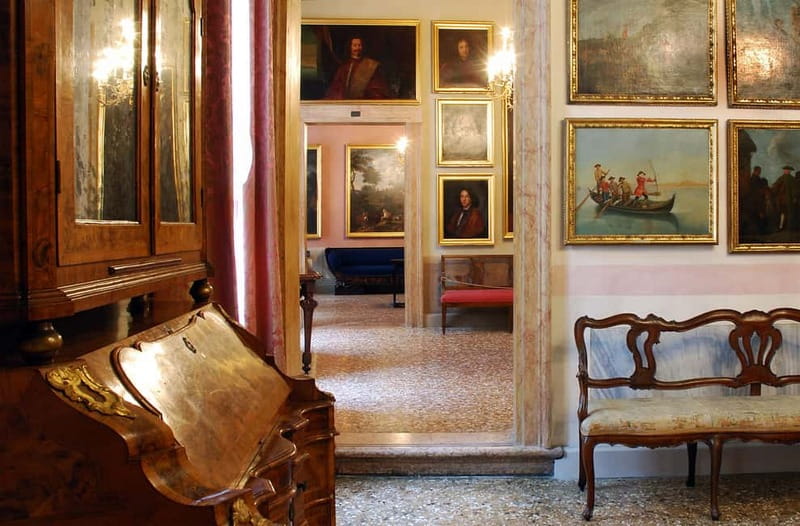
If you want a Venice day that feels like Venice and not just a loop of ticketed buildings, these two stops help you get there.
- Glass Museum on Murano Island: you’re pointed straight at glassmaking culture. Even if you don’t know much in advance, the topic is clear and tactile, and it makes the island feel purposeful rather than a detour.
- Lace Museum on Burano Island: same idea, different craft. Lace gives you that careful, hands-on sense of tradition.
One thing to watch: because Murano and Burano are outside the main core, your success depends on transport time. The pass itself doesn’t spell out transport rules in your info, but your day plan still needs realistic travel time. I’d treat these two as your “half-day or full-day island block,” not as a quick add-on between other nearby museums.
Scuole Grandi and Querini Stampalia: the pass’s quieter cultural side
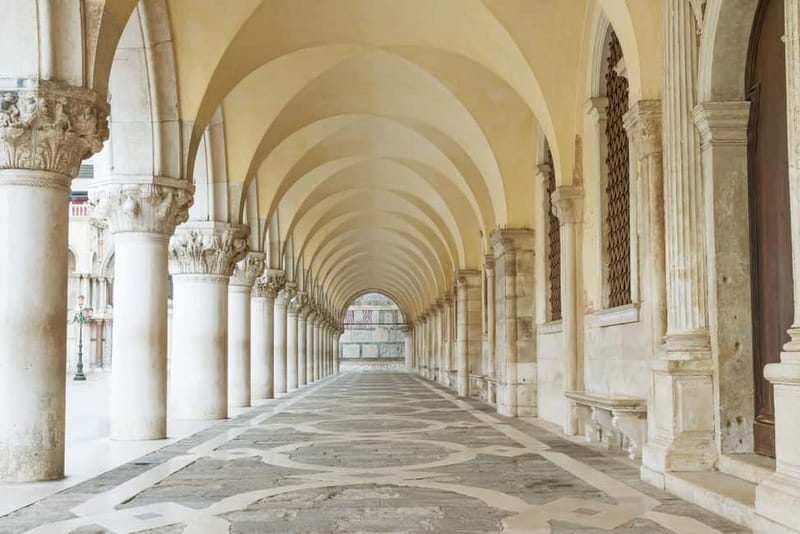
A standout detail is that the pass description includes access to Scuola Grande dei Carmini and Querini Stampalia Fondation. These are the kinds of Venice sites that add depth without demanding you love textbook history.
This is where the city’s social fabric shows: not just the state and the palace, but the organized civic-religious world that helped shape art and community life. If you’re the type who likes to see Venice beyond the famous postcard stacks, these additions can feel like a reward.
What is included vs. not included (and where surprises usually happen)
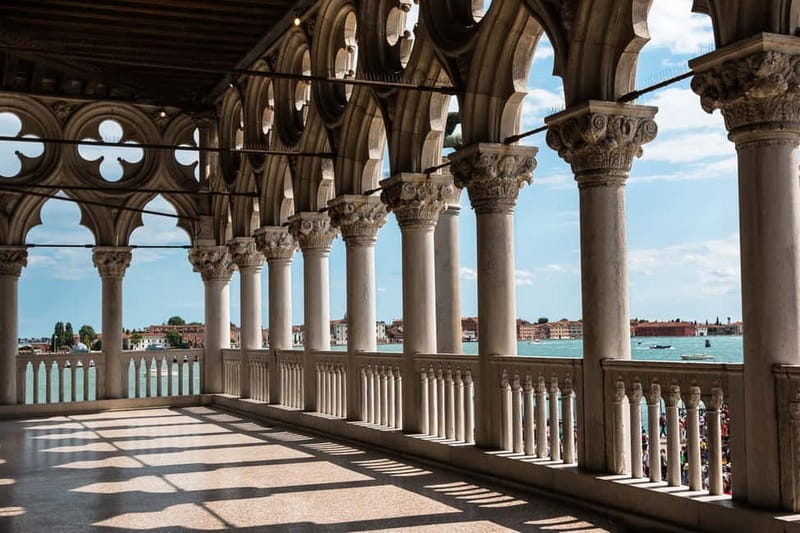
Let’s make this crystal clear so you don’t get blindsided mid-trip.
Included:
- Entry to Doge’s Palace between 12 PM and 6 PM (last entrance 1 hour before closing)
- Entry to 11 museums, including Museo Correr, Archaeological Museum, Biblioteca Marciana, Ca’ Rezzonico, Ca’ Pesaro, Glass Museum on Murano Island, Natural History Museum, Mocenigo Palace, Carlo Goldoni House, Lace Museum on Burano Island, and Museo Fortuny
Not included:
- Guide
- St. Mark’s Basilica
- Food and drinks
- Hotel pickup and drop-off
This last point matters because it affects how you budget your day. Plan for buying snacks and water like you would on a regular walking day in Venice.
Voucher rules that can slow you down (if you ignore them)
You’ll need your voucher with the PNR code shown at the entrance of each attraction you visit. That means: don’t rely on memory. Bring the voucher, and be ready to show it quickly at each museum entrance.
If you’re traveling with kids under 6, entry is free, but you’ll still need to pick up a free entry ticket from the ticket office upon arrival. The pass can’t be used like a casual walk-in if you don’t handle that step.
For wheelchair access, the activity is listed as wheelchair accessible, which is a big plus for planning. Still, Venice has narrow streets and lots of walking even when interiors are accessible, so you’ll want to plan shorter museum hops.
How to build your personal route around the included museums
The pass gives you many options, which is great—until it turns into decision fatigue. Here’s a simple way to choose:
- If Doge’s Palace is your priority, anchor your day to it first (your selected date, 12–6 entry), then add only one or two nearby museums that won’t make you sprint across town.
- If you want islands, do Murano + Burano as one main block. It keeps travel time from eating your museum time.
- If you love interior spaces and civic story, build around Museo Correr + Biblioteca Marciana early, since they close at 5 PM with last entry 1 hour before.
Also, remember you can revisit included museums across the 6-month window after you use your Doge’s Palace entrance. That’s your built-in safety net.
Should you book the Venice City Pass with Doge’s Palace?
I’d book this pass if:
- You want Doge’s Palace without hunting separate tickets.
- You’re excited about more than just one museum. This pass is built for people who like options.
- You want to reach Murano and Burano via targeted museums like glass and lace.
- You can handle an itinerary with some timed constraints, especially for the palace.
I’d think twice if:
- St. Mark’s Basilica is non-negotiable for you. Since it’s not included, you’ll still pay separately and plan around a second big-ticket site.
- You prefer guided, curated storytelling. This pass does not include a guide, so you’ll be relying on signage, audio, and your own curiosity.
- You’re only planning to visit one or two museums total. In that case, ticket-by-ticket might be simpler and cheaper than paying for a broader package.
If you like the idea of mixing historic intrigue (Doge’s Palace) with craft-focused island museums (Murano/Burano), this pass is a smart way to manage costs while keeping your Venice day flexible.
FAQ
What’s included with the Venice City Pass?
It includes entry to Doge’s Palace between 12 PM and 6 PM and entry to 11 museums: Museo Correr, Archaeological Museum, Biblioteca Marciana, Ca’ Rezzonico, Ca’ Pesaro, Glass Museum on Murano Island, Natural History Museum, Mocenigo Palace, Carlo Goldoni House, Lace Museum on Burano Island, and Museo Fortuny.
What time can I enter Doge’s Palace?
Entry to Doge’s Palace is available from 12 PM to 6 PM, with the last entrance 1 hour before closing.
Can I start at a place other than the meeting point?
Yes. The meeting point is at the Doge’s Palace area, but you can start your visit from any included attraction of your choice.
Do I need my voucher at the entrance?
Yes. For museums and monuments, you must present your voucher with the PNR code at the entrance to the relevant attraction.
Are there free tickets for children?
Children under 6 years old get free entry, but you need to pick up their free entry ticket from the ticket office upon arrival.
How long do I have to use the museum entries?
Doge’s Palace access is on your selected date from 12 PM to 6 PM. The other museums can be visited within 6 months from the entrance to Doge’s Palace.
What are the opening hours for Museo Correr, the Archaeological Museum, and Biblioteca Marciana?
They are open 10:00 AM to 5:00 PM, and last entry is 1 hour before closing.
Is a guide included?
No. A guide is not included.
Is St. Mark’s Basilica included?
No. Entry to St. Mark’s Basilica is not included.