REVIEW · SINSHEIM
Sinsheim: Technik Museum Day Pass and IMAX 3D Ticket
Book on GetYourGuide →Operated by SVM GmbH · Bookable on GetYourGuide
A day pass at Technik Museum Sinsheim is a factory tour for your curiosity. What makes it fun is the mix: walkable aircraft plus the IMAX 3D Laser 4K cinema, all with thousands of exhibits under one roof. I love that it doesn’t just show machines behind glass; you can actually go into the big airplane displays. I also like how vehicles span eras, from racing to steam power, without feeling like random clutter. The main drawback to plan around: the place is big, and the upper floors plus some outdoor/roof aircraft views aren’t wheelchair-friendly.
If you’re the type who likes concrete details—engine limits, design eras, and real artifacts—this museum fits you well. The idea is simple: you get a full day to wander tech through time, then cap it off with a screen that’s built to shake up your senses. You’ll also find enough variety that even if you’re not a lifelong gearhead, you can still pick themes that click for you.
I’d treat the museum like a choose-your-own route. Aim for the aircraft early, pick a vehicle “neighborhood” next (F1, motorcycles, cars, or military), then slot in IMAX before you get museum-fatigued. That way, you’ll enjoy the big-ticket highlights instead of rushing through them.
In This Review
- Key highlights you should plan for
- Technik Museum Sinsheim: 3,000+ Exhibits and Two Iconic Aircraft
- Walking Into the Concorde and Tu-144: Why Airplanes Are the Main Event
- Europe’s F1 Muscle: Cars, Ferrari Color, and Racing Tech
- Motorcycles, Oldtimers, Dragsters, and the World Beyond the Car
- Blue Flame to Brutus: Records and Experimental Machines That Explain the Why
- Military Power, a U-Boat, and Big-Scale Displays
- The Biggest Dance Hall Organ, Plus a Break for Food and Coffee
- IMAX 3D Laser 4K: How to Slot the 45-Minute Show
- Planning Your Day Pass Route Without Rushing
- Price and Value of a $35 Full Day With IMAX
- Who This Day Pass Fits Best (and Who Might Skip)
- Should You Book This Technik Museum Sinsheim Pass?
- FAQ
- How long is the Technik Museum Sinsheim day pass valid?
- What’s included with the ticket?
- Where do I exchange my voucher?
- Is the museum wheelchair accessible?
- Is the IMAX 3D cinema suitable for young children?
- Are pets allowed?
Key highlights you should plan for

- Walk-in aircraft like the Concorde and Tupolev Tu-144
- Europe’s biggest private Formula 1 car collection
- All-genre vehicle halls: military, motorcycles, oldtimers, racing bikes, and more
- High-impact special exhibitions, with Red Bull world of racing listed for a prior period
- IMAX 3D Laser 4K on a huge 22 x 27-meter screen
- Hands-on feeling displays, from experimental vehicles to major historical machines
Technik Museum Sinsheim: 3,000+ Exhibits and Two Iconic Aircraft
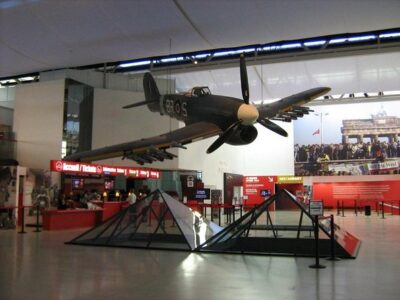
This is the kind of museum where “technology history” isn’t abstract. It’s concrete objects—planes, cars, motorcycles, engines, instruments—arranged so you can connect how design, power, and purpose evolved. The museum’s scale matters here: there are more than 3,000 exhibits, plus multiple themed zones that keep you from getting bored after one room.
The other thing I like is how the aircraft set the tone. Technik Museum Sinsheim gives you multiple ways to experience aviation history, including planes you can physically enter. That one choice changes your whole visit. Instead of just looking at a cockpit photo, you stand where the structure, scale, and layout hit you.
The tradeoff is time. With that many exhibits, you can’t see everything like a checklist. If you try to do the “entire museum at full speed,” you’ll start skipping the stuff you actually came for—so pick priorities at the start.
Walking Into the Concorde and Tu-144: Why Airplanes Are the Main Event
The headline aircraft are big enough to be museum icons, but the real magic is access. You can enter planes including the original Concorde and the Tupolev Tu-144. That changes the experience from viewing to exploring.
When you walk into an airplane display, you immediately notice what most museum photos hide: the proportions and how tight or roomy certain sections feel. You also get a better sense of how aviation design evolved for speed, range, and efficiency—especially when you’re looking at supersonic-era silhouettes rather than just prop-era shapes.
A practical note: the museum’s aircraft on the roof aren’t accessible to everyone, and some upper-floor areas may be difficult if you’re using a wheelchair or stroller. So if aviation is your top priority, plan your route with accessibility in mind and expect that most main hall displays are easier to reach than roof views.
Europe’s F1 Muscle: Cars, Ferrari Color, and Racing Tech

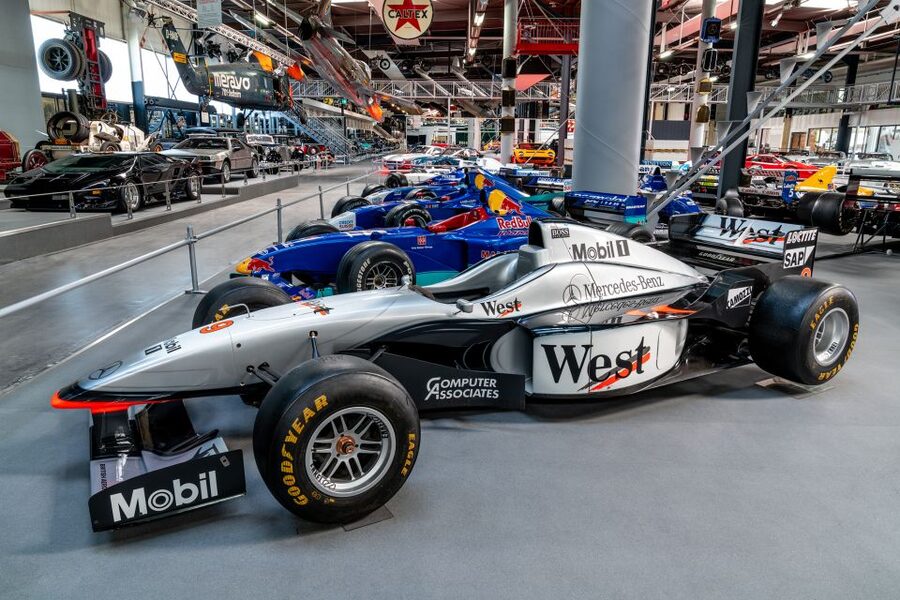
One of the strongest reasons to go is how prominently racing shows up. The museum includes Europe’s biggest private Formula 1 car collection, which is a big deal if you like motorsport history or engineering milestones. F1 cars aren’t just cars; they’re compact laboratories for aerodynamics, materials, and performance.
In the vehicle mix, you’ll also see eye-catching standouts like a red Ferrari, alongside other racing and sports machines. The value of this section for you is focus: you’re not wandering through random car storage. There’s a clear theme of speed and development, then the museum widens out again into other vehicle categories.
Where this can trip people up is attention span. Racing displays can make you want to go room-to-room looking for “the next cool thing.” My advice is to slow down for 10 minutes at your first F1 stop. Pick one or two cars to really look at—then you’ll wander smarter afterward instead of treating everything as equal.
Motorcycles, Oldtimers, Dragsters, and the World Beyond the Car

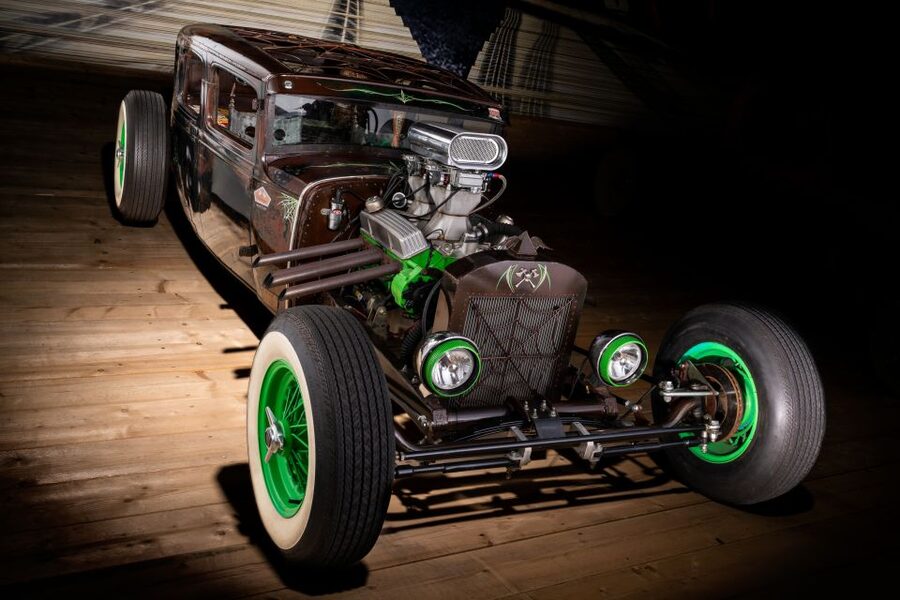
If you think of this museum as only cars and planes, you’ll be underestimating it. The vehicle lineup spans motorcycles with high horsepower, colorful dragsters, sports cars, and classic oldtimers. It also includes categories you don’t always see grouped together in one place—like agricultural machines.
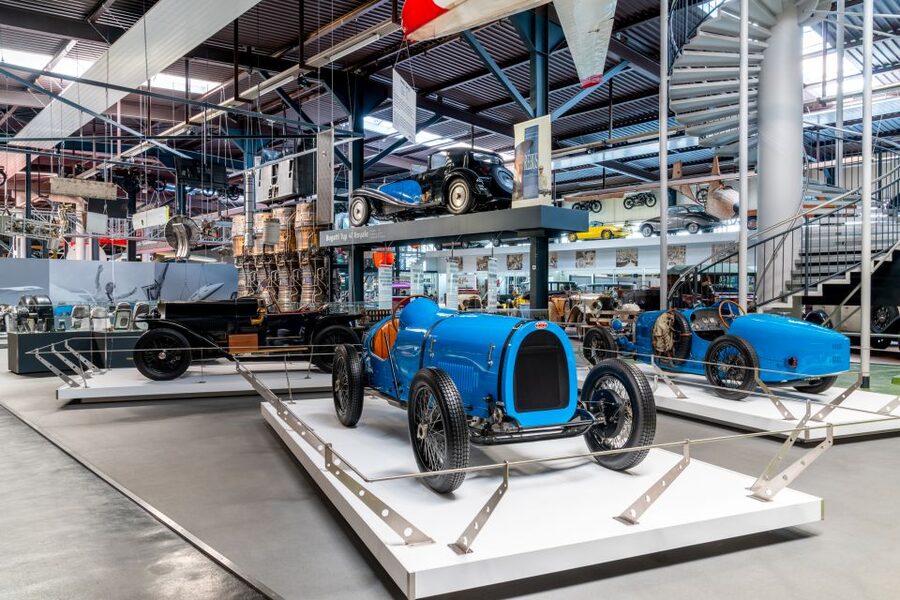
That variety is the point. You get to compare how different vehicle types solved different problems. A racing motorcycle tells one kind of power story. A heavy machine tells another, and a vintage oldtimer tells you about materials, manufacturing, and style in a way that pure specs can’t.
The best part for a “choose-your own theme” visit: you can build a route around what excites you most. If racing is your anchor, follow it into drag and sports. If you’re more into history, switch to oldtimers and military sections. The museum structure supports that kind of wandering.
Blue Flame to Brutus: Records and Experimental Machines That Explain the Why
Tech museums can sometimes feel like they’re showing objects without explaining what made them important. Here, you get moments of real story.
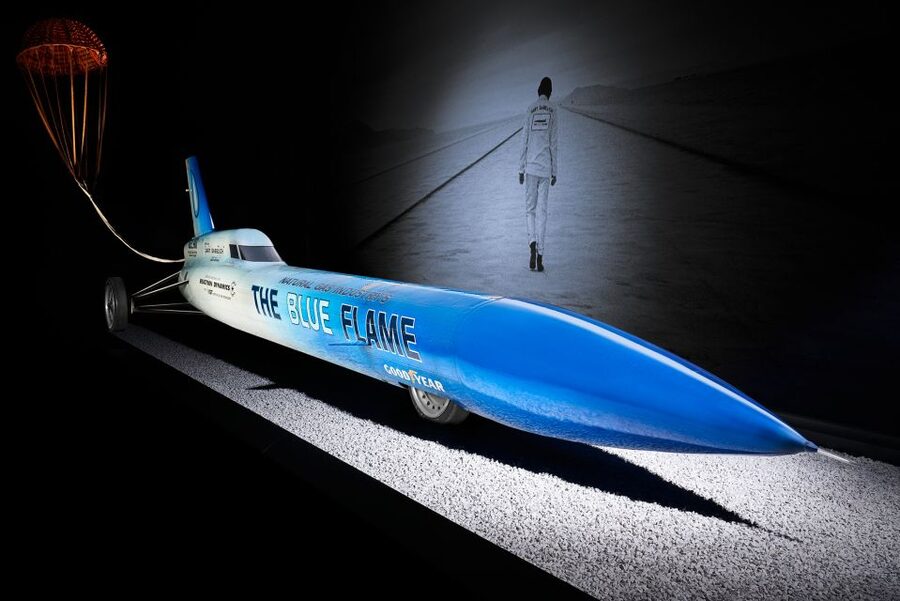
One example is the record associated with the Blue Flame. Another is the experimental Brutus vehicle, where you can learn about its cubic capacity—one of those details that turns a vehicle from a “cool shape” into a design problem with numbers behind it. These are the kinds of facts that make you start asking better questions: what exactly was being optimized, and why?
I also appreciate that the museum doesn’t limit “history” to cars and aircraft. Experimental land vehicles and extreme-record machines fit the same theme: engineers pushing beyond comfort zones.
If you’re short on time, don’t rush the record/exhibition-style pieces. Spend a little longer there, because those displays help you connect the dots across the rest of the museum.
Military Power, a U-Boat, and Big-Scale Displays
The museum’s military angle adds weight to the story. In addition to aircraft, you’ll find military-themed exhibits that help you see how technology evolved for defense, logistics, and strategy—not just for speed on a track.
One standout highlighted in the experience is the U-boat, which is exactly the kind of exhibit that turns history into something physical. You don’t just read about submarines; the scale and interior feeling can give you a new sense of how restricted life and operations would have been.
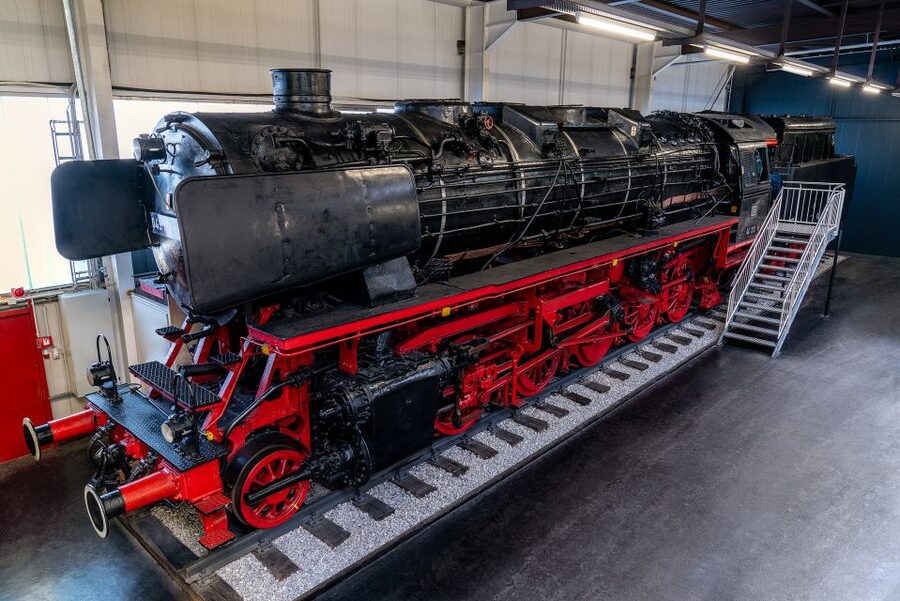
There’s also plenty of “big machine” energy beyond military and aviation—steam locomotives show up, and you’ll find large displays that reward stepping back and getting the full view. For me, that’s where the museum wins: it’s not only about labels. It’s about scale.
The Biggest Dance Hall Organ, Plus a Break for Food and Coffee
One of the quirks that makes Technik Museum Sinsheim memorable is that it stretches into sound and instruments too. You can see the largest dance hall organ in the world, which is a surprising pivot from engines and motors. It works because it fits the broader theme: technology as tools that shape human experience.
Then there’s the everyday practical part: you can take a break at the restaurant or bistro. The museum offers cold and hot meals, beverages, and coffee and cake. This matters more than it sounds. If you’re walking around for hours, you’ll need a real reset so your second half of the day doesn’t blur together.
If you’re the kind of visitor who always underestimates meal time, plan to stop before you’re starving. Then you’ll come back into the halls ready to notice details instead of just power-walking to the next highlight.
IMAX 3D Laser 4K: How to Slot the 45-Minute Show

The IMAX portion is a solid add-on because it’s not a random extra. It uses the latest 4K laser technology and plays on a huge 22 x 27-meter screen with 12-channel surround sound and mega bass.
The ticket includes entrance to one documentary (about 45 minutes) at the IMAX 3D cinema of your choice. That’s a good length for most people. It’s long enough to feel like a real event, but not so long that it destroys your whole day.
One key consideration: the cinema is only suitable for children aged 4 and over due to strong audiovisuals. So if you’re traveling with younger kids, you’ll want to check expectations before you build your plan around IMAX.
Timing-wise, I like scheduling IMAX once you’ve hit your top aircraft and car highlights. That way, the show feels like a reward, not like a detour that makes you lose momentum in the museum.
Planning Your Day Pass Route Without Rushing

You have a full day, but it’s not the kind of place where “one circuit” works. Instead, I’d structure it like three blocks.
Block one: aircraft and must-sees. Start with the areas where you can walk into planes. They’re the fastest way to get the emotional payoff of the museum. Then move on to the related vehicle halls so you keep the aviation-and-machines energy flowing.
Block two: vehicles by type. Pick one lane: racing/F1, motorcycles, oldtimers, drag/racing bikes, or military. You don’t need to do everything—just pick enough to feel the museum’s range.
Block three: IMAX plus final highlights. After you’ve gathered your favorite themes, take in the IMAX documentary. Finish with the “oddball” tech moments like the organ or experimental machines if they’re still on your list.
If you want the calmest experience, arrive with a short list of priorities (three or four). Then wander freely inside those zones. Your day feels longer when you’re exploring with intention.
Price and Value of a $35 Full Day With IMAX
At about $35 per person for a day pass, the value depends on what you want most. If you care about the aircraft walk-ins and the racing displays, this is a straightforward deal: you’re not paying extra for the big categories. You also get the IMAX documentary included—about 45 minutes—so you’re buying both “objects to walk around” and “a cinematic tech story” in one ticket.
The museum’s scale matters for value. With more than 3,000 exhibits and multiple themed areas—from military to motorcycles to oldtimers—you’re not stuck with a short museum that ends quickly. Many people leave thinking they didn’t even see enough, which is usually a sign the ticket wasn’t overpriced.
Is it worth it if you’re only into one type of vehicle? Maybe, but only if aircraft walk-ins or F1 specifically matter to you. If you’re general-curious with no strong interest in machines, you might find the experience a bit “all-day.” In that case, consider whether you also want the IMAX show as your main anchor.
Who This Day Pass Fits Best (and Who Might Skip)
This works best for:
- Families with kids age 4+ who like hands-on tech and big visuals
- Motorsport fans who want more than a few cars and want the engineering story behind them
- Aviation lovers who can’t resist the idea of walking into landmark jets
- Curious travelers who enjoy huge indoor collections plus one or two “wow” artifacts
You might want to rethink if:
- You’re only interested in a quick museum stop (this is a full-day place)
- You need full wheelchair access to upper floors and rooftop exhibits. Many parts are barrier-free, but some exhibit areas aren’t accessible to everyone.
If you’re traveling with mobility needs, it’s still a viable outing—just plan around which areas are easiest to reach and don’t build your whole day around roof aircraft views.
Should You Book This Technik Museum Sinsheim Pass?
Book it if you want a tech museum day that feels like a proper trip, not a timed entry. The combination of walk-in aircraft, a serious racing collection, and included IMAX makes the day feel packed without turning into chaos. The ticket is especially strong when your priorities are aviation or motorsport, because those are the experiences you’ll remember when the day ends.
Skip or reconsider if your idea of a museum is quiet and small. Technik Museum Sinsheim is big, loud in places, and built for action—inside planes, around vehicles, and in the IMAX hall. If that energy suits you, you’ll have a great day.
FAQ
How long is the Technik Museum Sinsheim day pass valid?
It’s valid for 1 day, so you can plan your visit around a single museum day.
What’s included with the ticket?
Your ticket includes museum admission and entrance to 1 documentary (about 45 minutes) in the IMAX 3D cinema.
Where do I exchange my voucher?
Meet at the front desk of the museum to exchange your voucher.
Is the museum wheelchair accessible?
Many parts are barrier-free, but some upper floors of the museum halls and some exhibits (like aircraft on the museum roof) are not accessible to people using wheelchairs or buggies.
Is the IMAX 3D cinema suitable for young children?
IMAX 3D is only suitable for children aged 4 and over because of the strong audiovisuals.
Are pets allowed?
No, pets are not allowed.