REVIEW · SAMUT PRAKAN
Samut Prakan: The Erawan Museum Admission Ticket (NON THAI)
Book on GetYourGuide →Operated by OTO TRIP SERVICE CO., LTD · Bookable on GetYourGuide
A three-headed elephant is hard to ignore. I love the scale of the three-headed bronze elephant and the many chances for memorable photos, inside and out. The one catch: you’ll need to follow a strict dress code and no-food rules, so plan your day accordingly.
This ticket gets you into the Erawan Museum for up to 8 hours on your booked date/time, plus access around the grounds. You also receive offerings for the visit—flowers, incense, and a lotus flower—so it feels more like a cultural stop than a quick photo break.
The whole place is built around a myth—Airavata—and a real family mission to preserve sacred antiques for the next generation. Getting there is also straightforward via the BTS Green Line to Chang Erawan Station (E17), with a free shuttle tuk-tuk pick-up.
In This Review
- Key things I’d put at the top
- A Three-Headed Bronze Elephant Built for Sacred Preservation
- Underworld, Earth, and Heaven: Reading the Museum’s Three Realms
- Airavata Myth, Incense Offerings, and Why the Sacred Objects Matter
- Where to Photograph (and When You’ll Need Quiet)
- Dress Code Rules and Inside Etiquette That Affect Your Visit
- BTS to Chang Erawan and the Free Shuttle Tuk-Tuk
- Price, 8-Hour Validity, and What You’re Actually Paying For
- Who This Museum Ticket Is Best For
- FAQ
- Is the ticket price $12 per person?
- How long is the ticket valid?
- Do I need to visit at a specific date and time?
- What’s included with admission?
- How do I get to the museum from Bangkok using BTS?
- Can I skip the ticket line?
- Are pets allowed inside?
- Can I bring food and drinks?
- What should I wear?
- Is photography allowed?
- Should You Book This Erawan Museum Ticket?
Key things I’d put at the top
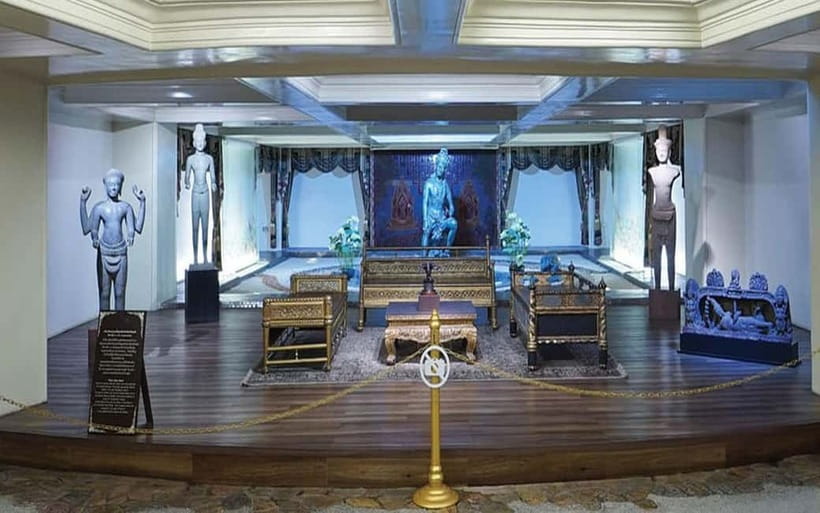
- The massive three-headed Airavata elephant as the main visual anchor
- Three museum sections: Underworld, Earth, and Heaven
- Offerings included: flowers, incense, and a lotus flower
- Photo-friendly interior and exterior areas (with rules)
- Design symbolism: the globe-like sphere representing protection of the earth
A Three-Headed Bronze Elephant Built for Sacred Preservation
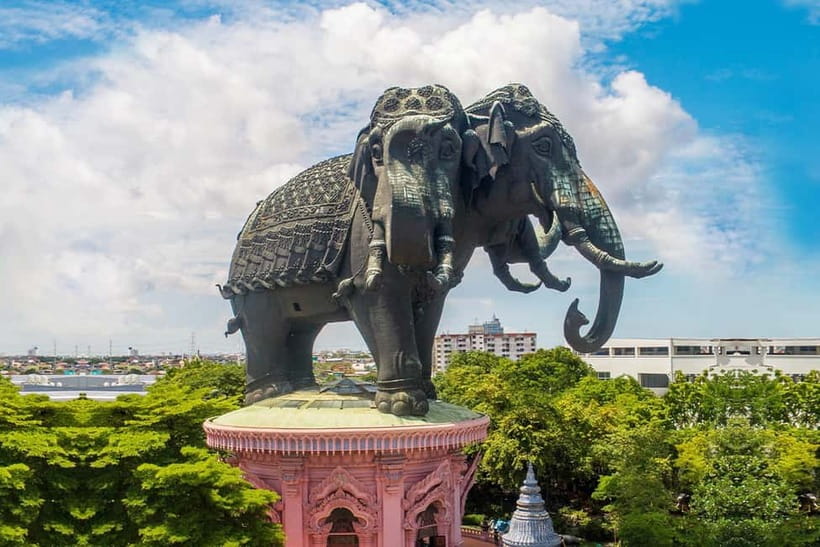
The Erawan Museum experience centers on one thing: the colossal three-headed bronze elephant. This isn’t a random decoration. It’s based on Airavata from Hindu mythology, tied to the idea of Indra and the spiritual power of protection.
What makes the elephant extra meaningful is the story behind it. Lek Viriyapant, a famous antique collector, built the museum to preserve his priceless antiques as cultural heritage for future generations. Even before the construction finished, people gathered to worship the massive symbol and the sacred objects associated with it. That detail matters because it frames the museum as something living and devotional, not just a static display.
Then there’s the construction story. After the design was finalized, Lek Viriyapant passed the blueprint to his son, Pagpean Viriyapant, to carry it through. Both men passed away before it was fully completed, but the family continued their wish to open the museum so younger generations could experience the Thai cultural richness connected to that collection.
I also like the design logic: the three-headed elephant stands on a sphere, which is described as a globe. That’s the visual shorthand for the elephant protecting the earth and safeguarding the valuable sacred objects inside.
Underworld, Earth, and Heaven: Reading the Museum’s Three Realms
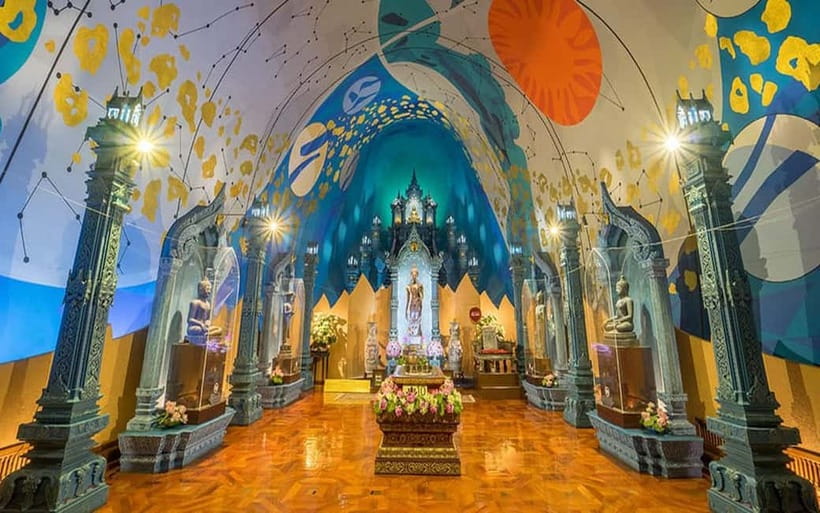
Your ticket covers three sections of the museum: Underworld, Earth, and Heaven. Even without getting lost in myth, the naming alone is a strong guide for how to “read” the building. You’re moving through a spiritual layout—different realms, different moods, different artistic displays tied to the belief system behind the Airavata legend.
Here’s how I’d approach it so you don’t rush:
- Treat each zone as its own mini-visit. Give yourself time to look slowly at what’s presented, not just where you’ll take photos.
- Expect a mix of artworks and sacred objects. The museum includes pieces that can be dated back to ancient times, when people believed such items could bring blessings and prosperity to the land.
- Look for how the elephant concept connects the rooms. The museum’s central theme is protection—of the earth, of treasured sacred objects—so the zones work together as a single message.
A practical note: the ticket is valid for 8 hours, but you can only visit on the specified date and time after you book. That means you should build a plan around arriving when you’re allowed in, then using the rest of the time calmly rather than sprinting for all photos at once.
If you like museums where the architecture is part of the story, this format is a good fit. If you’re the type who needs a super-structured guided narrative, you may still enjoy it, but you’ll likely rely on your own pace and observation.
Airavata Myth, Incense Offerings, and Why the Sacred Objects Matter
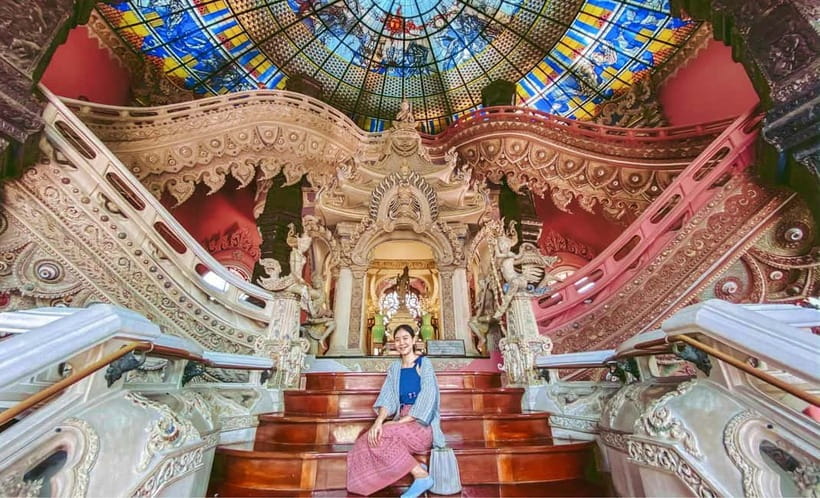
The museum’s most “you should slow down here” element is the link between myth and material culture. The elephant is based on Airavata, but the real emotional pull comes from the idea that sacred objects were believed to bring blessing and prosperity—so the collection wasn’t just valuable in a financial sense.
Your ticket includes flowers, incense, and a lotus flower. That’s a big deal for how you experience the place. Instead of walking in as a detached observer, you’re given the basics to participate in a respectful, traditional way. Even if you’re not sure about exact customs, having the items included helps you feel less like you’re improvising.
The museum’s founding motive also adds weight. Lek Viriyapant wanted to preserve antiques and sacred items as heritage for the next generation. So when you see the objects presented inside the elephant’s symbolic protection, you’re looking at a personal legacy turned public space.
One more detail that I think helps you enjoy the visit: the elephant’s three heads. In the Hindu context, Airavata is a vehicle of Indra, and the museum uses that symbolism to connect spiritual authority with protection of the earth. It’s not just “three heads = cool sculpture.” The design is doing cultural work.
Where to Photograph (and When You’ll Need Quiet)
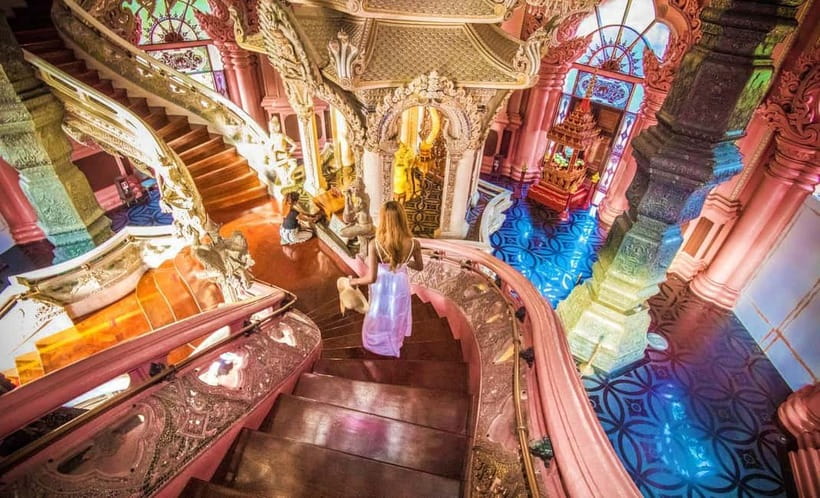
There are plenty of photo opportunities here—both interior and exterior. If you like architectural photos, this museum is set up for them. The three-headed bronze elephant is the obvious star, and the overall layout gives you angles to frame it from different distances.
That said, the museum has rules that you should treat like part of the experience, not a nuisance:
- Taking pictures or videos for commercial purposes is not permitted inside the museum.
- You’re asked to be quiet and respectful during your visit.
So how do you balance it? I’d do it like this:
- Start with wide shots to capture the full elephant and room framing.
- Then move to slower close-ups of artworks and details.
- If you see other visitors praying or pausing in a respectful way, step aside and give them space before you shoot.
You’ll also want to think about timing. Since you can only enter on your booked date and time, plan your photo strategy to avoid arriving right when the flow is at its heaviest. Even without knowing crowd levels, arriving with a relaxed plan helps.
Dress Code Rules and Inside Etiquette That Affect Your Visit
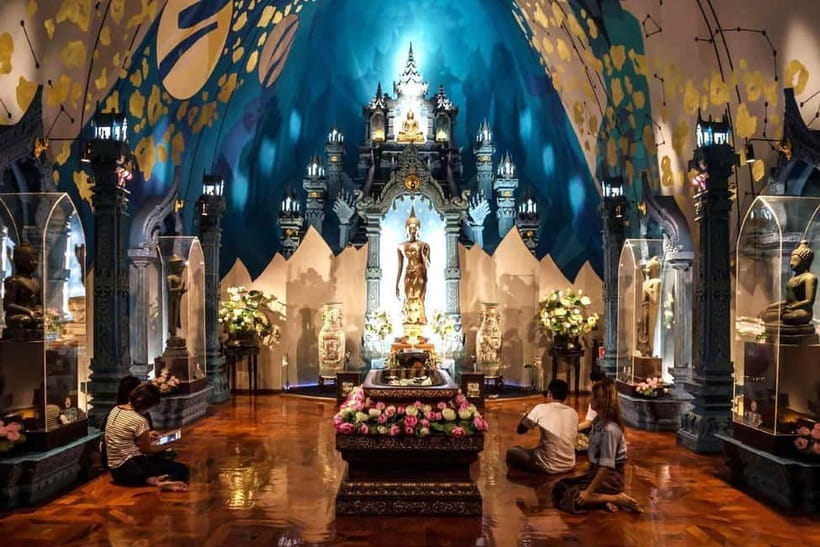
This is a religious-cultural museum, so the “rules” are not random. They shape how you move through the space.
Not allowed:
- Pets
- Shorts, short skirts, and sleeveless shirts
- Food and drinks
- Alcohol and drugs
You’ll want to dress modestly. No sleeveless tops, no short skirts, no shorts. If you’re traveling in hot weather, this is the main thing to plan around. Bring a light layer that still fits the modest requirement so you’re comfortable without breaking the rules.
Etiquette matters too:
- Please be quiet and respectful during your visit.
Also, access matters. The ticket includes access to any area surrounding the museum, but you still need to follow the restrictions once you’re inside. And because food and drink are not permitted, you should plan any meals around your visit window rather than assuming you can snack on-site.
If you’re the type who loves museums but gets annoyed by rules, treat these as part of the deal. They keep the space devotional and make your visit feel more grounded.
BTS to Chang Erawan and the Free Shuttle Tuk-Tuk
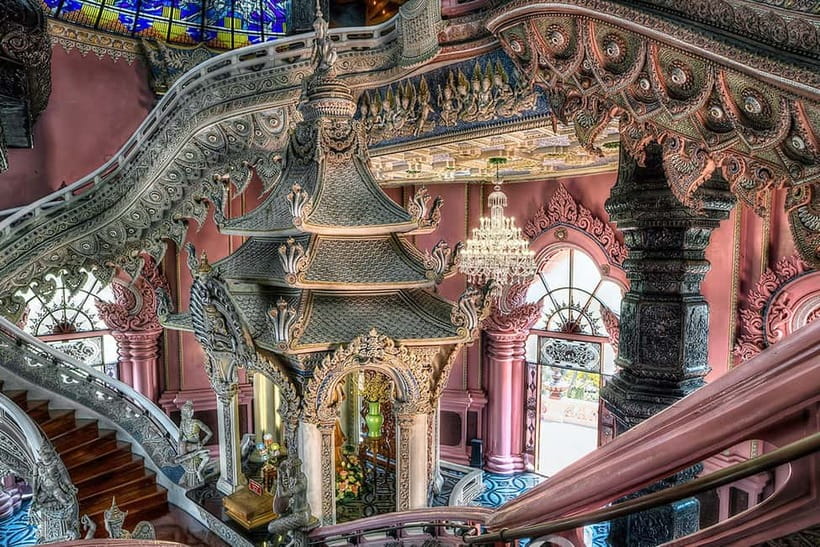
Getting there is half the battle, and this one is pretty friendly.
Use the BTS Skytrain Greenline. Get off at Chang Erawan Station (E17) and take Exit 2. From there, there’s a free pick-up service by shuttle tuk-tuk every day.
A few practical tips so it goes smoothly:
- Aim to arrive at Exit 2 with a little buffer time so you’re not hunting for the shuttle.
- Since transfers are not included, you’re responsible for your own way from wherever you’re staying to the BTS line.
- If you’re traveling with friends, coordinate who goes to the pick-up spot first so you don’t split up in a busy station area.
Once you’re there, your museum ticket handles entry and skip-the-line entry, which helps you start seeing things sooner instead of waiting at the counter.
Price, 8-Hour Validity, and What You’re Actually Paying For
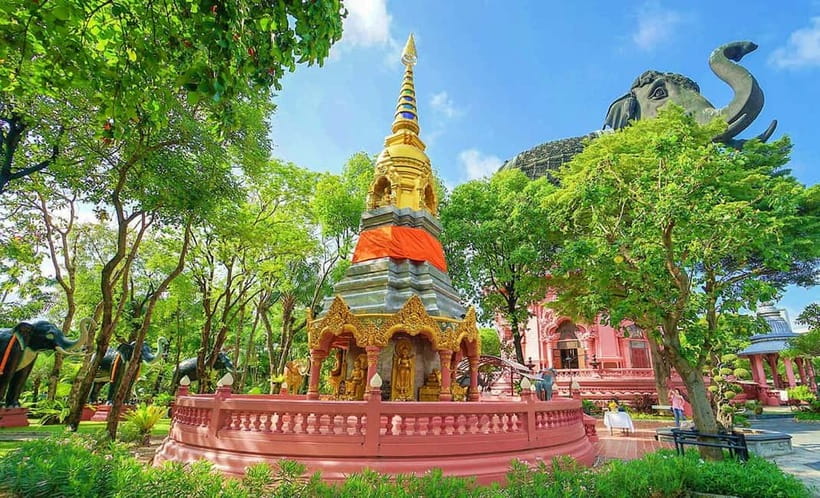
The ticket price is $12 per person. For that amount, you’re paying for more than just entry.
What’s included:
- Admission ticket to the Erawan Museum
- Flowers, incense, and a lotus flower
- Access to areas surrounding the museum
- All taxes and fees
- Skip the ticket line
Then you have the time advantage. The ticket is valid for 8 hours, so you’re not forced into a frantic “in and out” routine. This matters if you’re a slow museum walker, someone who likes photos, or just wants a calmer pace through three sections.
Is it a bargain? In my view, it is, as long as you’re the kind of traveler who enjoys spiritual design, myth-based art, and cultural spaces where rules are taken seriously. If you only want one quick photo stop and you don’t care about the symbolism or offerings, $12 might still feel fair—but you might finish feeling like you moved too quickly.
One more value detail: the ticket is non-Thai (as stated), and it’s valid only for the date/time you book. So it’s best when you already know your plan for the day and won’t need to gamble on timing.
Who This Museum Ticket Is Best For
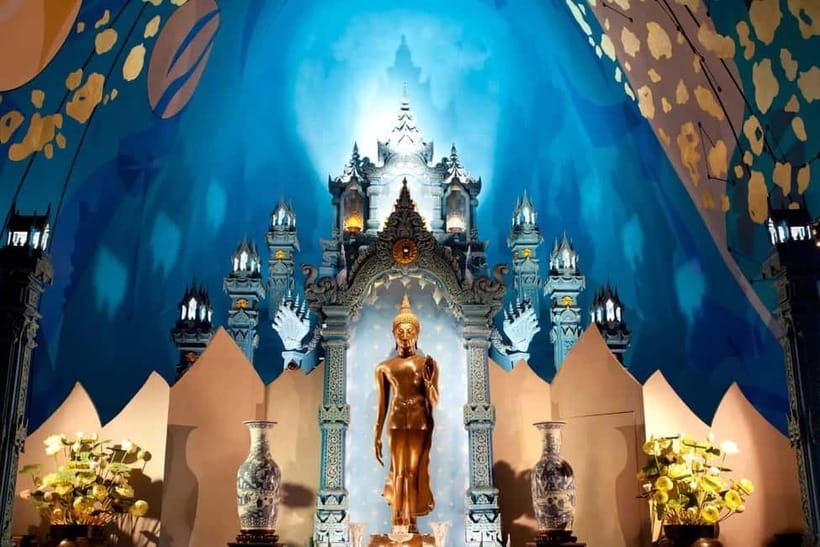
This ticket is a strong fit if you:
- Want a museum experience built around one iconic symbol—the Airavata three-headed elephant
- Like spending time in places that feel devotional and culturally specific
- Enjoy photo opportunities but also can respect “quiet” rules
- Want an affordable, structured visit with three themed realms to explore
It’s also a good choice if you’re traveling with family members or friends who enjoy different pacing styles, because you can spend enough time to do the elephant centerpiece photos and still take your time through Underworld/Earth/Heaven.
You might want a different plan if:
- You don’t want to follow dress restrictions (no sleeveless shirts, no shorts, no short skirts)
- You need to carry food or drink during the visit (food and drinks are not permitted)
- You’re only interested in a short exterior photo and don’t want to stay within a museum context
FAQ
Is the ticket price $12 per person?
Yes. The admission ticket for the Erawan Museum (non-Thai) is listed at $12 per person.
How long is the ticket valid?
The ticket is valid for 8 hours.
Do I need to visit at a specific date and time?
Yes. You can only visit on the specified date and time after you book.
What’s included with admission?
Admission includes entry to the Erawan Museum, flowers, incense, and a lotus flower, access to areas surrounding the museum, and all taxes and fees.
How do I get to the museum from Bangkok using BTS?
Take the BTS Skytrain Greenline and exit at Chang Erawan Station (E17), Exit 2. There is a free shuttle tuk-tuk pick-up service every day.
Can I skip the ticket line?
Yes. The ticket includes skip-the-ticket-line access.
Are pets allowed inside?
No. Pets are not allowed.
Can I bring food and drinks?
No. Food and drinks are not permitted.
What should I wear?
Dress modestly. Sleeveless shirts, shorts, and short skirts are not permitted.
Is photography allowed?
Taking pictures or videos for commercial purposes is not permitted inside the museum.
Should You Book This Erawan Museum Ticket?
Book it if you want a low-cost, high-impact museum stop centered on the Airavata three-headed elephant, with three distinct sections (Underworld, Earth, Heaven) and built-in offerings like flowers, incense, and a lotus flower. It’s also a good deal if you can use the full 8 hours at a relaxed pace.
Skip it—or plan differently—if you can’t meet the modest dress requirements or you rely on bringing food and drinks into attractions. If your schedule is tight, make sure you’re comfortable committing to your booked entry time, since that’s how you’ll access the museum.