REVIEW · NATURAL HISTORY MUSEUM OF LOS ANGELES COUNTY
Los Angeles: Natural History Museum of LA Entry Ticket
Book on GetYourGuide →Operated by Natural History Museum of Los Angeles · Bookable on GetYourGuide
Dinosaurs and gems in one stop. The Natural History Museum of Los Angeles County packs in the world’s only T. rex growth series plus the Becoming Los Angeles exhibit, so you get deep time and LA history on the same ticket. The only catch: the museum is big, so without a simple route you can feel rushed.
I also like that your day ticket covers the core permanent hits, from fossil halls to hands-on-ish nature areas like the Nature Gardens and Nature Lab. Another plus is the sheer variety: ancient sea life and dinosaurs one minute, mammals and gemstones the next.
If you’re short on time or visiting with little kids, plan for comfort first—this is a lot of walking even though you can take breaks when you find the right spot.
In This Review
- Key things to know before you go
- Your $18 day ticket: how value really works here
- Getting in fast at the entrance you choose
- Becoming Los Angeles: the city story before the fossil story
- Dinosaur Hall: real fossils, complete dinosaurs, and the T. rex growth series
- Where this hall can trip you up
- Dino Lab and Dinosaur Encounters: science in motion
- Nature Gardens and Nature Lab: a breather across 3.5 acres
- A practical downside
- Age of Mammals: the 65 million-year evolution story
- Gem and Mineral Hall: the vault and the “wait, that’s real?” feeling
- How to get more from this hall
- Optional detour: pairing with the California Science Center next door
- Tickets and timing that actually help you plan
- What to wear and bring
- Who this ticket is best for
- Should you book the Los Angeles Natural History Museum entry ticket?
- FAQ
- What’s included with the general admission ticket?
- Are special exhibits included?
- How long is the ticket valid?
- What are the museum hours?
- Where do I enter with my ticket and how do eTickets work?
- Is parking available, and is there public transit nearby?
Key things to know before you go
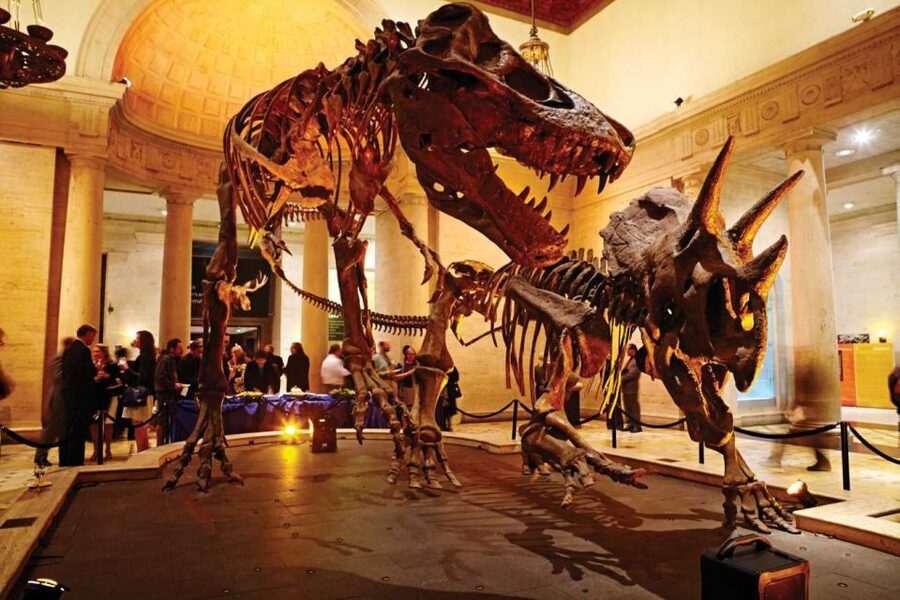
- T. rex growth series: A rare, must-see look at how Tyrannosaurus rex changed over time
- Becoming Los Angeles: Learn how LA came to be, right inside the museum
- 300+ real fossils + 20 complete dinosaurs: You’re not just looking at replicas
- Nature Gardens across 3.5 acres: Easy breathing room compared with the indoor halls
- Gem and Mineral Hall vault gems: Expect diamonds, rubies, sapphires, and more
- Age of Mammals with 240 specimens: A strong follow-up after dinosaurs
Your $18 day ticket: how value really works here
At $18 per person for a 1-day ticket, this is one of those LA museum deals where the price feels sensible once you’re inside. You’re paying for permanent exhibits that are genuinely different from each other: big dinosaur skeletons, deep evolutionary time, a LA-focused story, a nature outdoor space, and an entire gemstones-and-minerals section.
The museum also gives you a choice:
- General admission for all permanent exhibits
- Admission with special exhibit access if you want that rotating extra show too
That matters because the general ticket is already built around the headline sections listed above. So if you’re mainly here for dinosaurs, gems, and the LA history exhibit, you can usually keep it simple.
Also note that online travel agency value may not apply toward membership—if you’re thinking about returning later, it’s worth checking membership rules directly.
Getting in fast at the entrance you choose
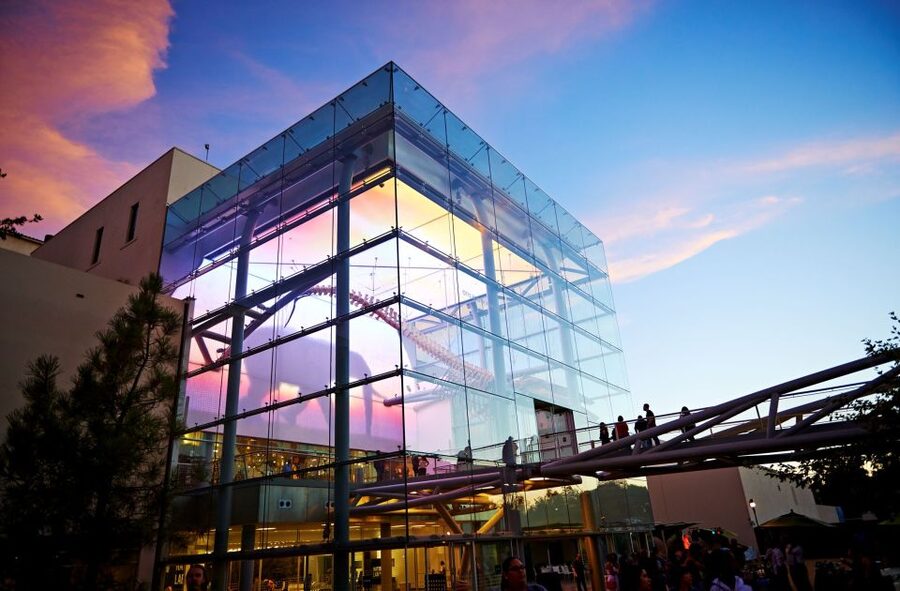
Your day ticket is valid for the museum for that day. Entry works at either of the two entrances. If you want less hassle, you can:
- Go straight to the staff member at the bridge, or
- Use the eTicket entry at the top of the steps to skip the line
This is the kind of detail that actually changes your day. When you’re paying for a full day, saving 15–30 minutes at the start can mean you reach one of the biggest exhibits with more energy—and fewer crowds.
One practical tip: if you’re arriving right at opening, you’ll usually get first pick of quiet viewing spots in the dinosaur rooms. If you arrive later, you can still have a great visit, you’ll just want a route so you don’t zig-zag across the museum.
Becoming Los Angeles: the city story before the fossil story
I like starting with Becoming Los Angeles because it grounds the visit. Before you hit prehistoric life, you’re prompted to think: how does a place like LA become what it is?
This exhibit focuses on how Los Angeles came to be. Even if your main goal is dinosaurs, this section helps you connect the museum’s science to the city you’re standing in. It also works well for all ages: kids get the “how did this happen?” story energy, while adults get the satisfying sense that the museum isn’t only about faraway time.
If you’re short on time, aim for it early. It’s easier to keep momentum when you start with the one exhibit that breaks up the fossil focus.
Dinosaur Hall: real fossils, complete dinosaurs, and the T. rex growth series
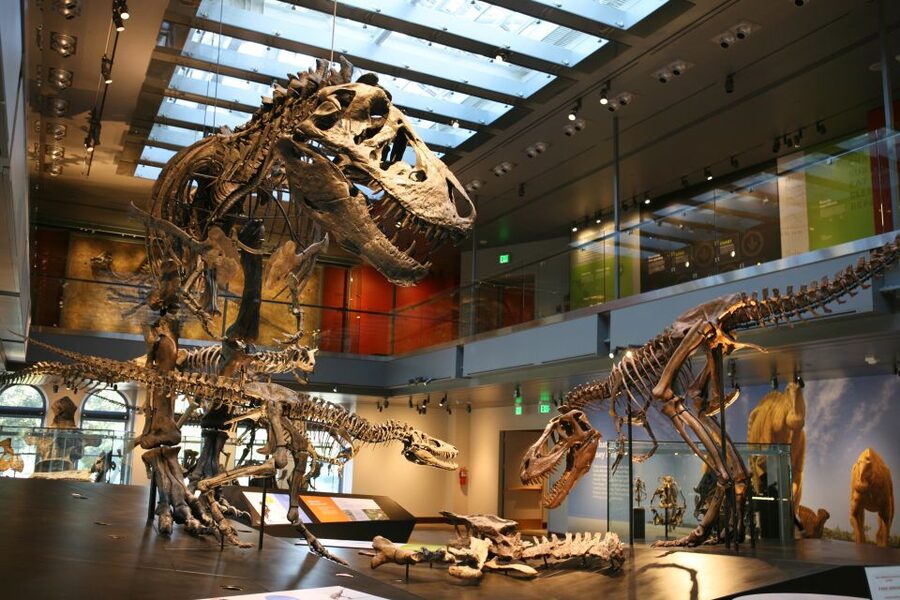
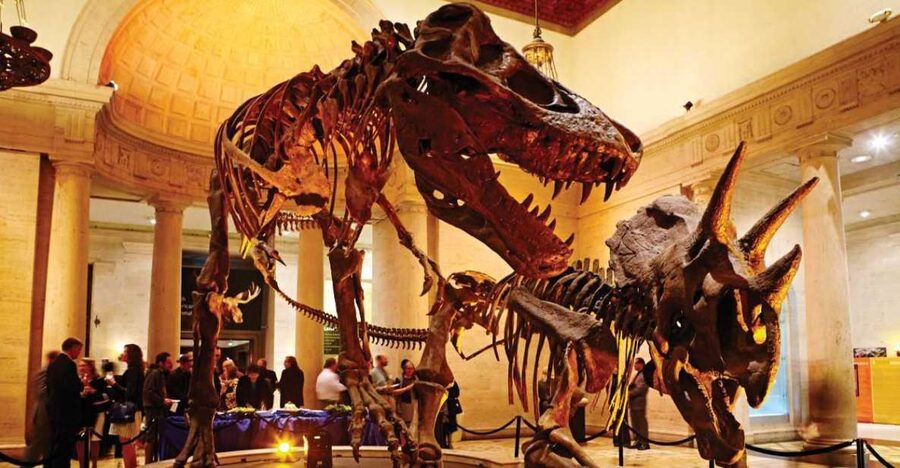
This is the headline. The Dinosaur Hall is built around real fossils—over 300 real fossils and 20 complete dinosaurs—so the rooms don’t feel like a quick photo stop. You’re surrounded by life-sized shapes and details that make the evolution story feel physical.
The museum’s standout is the world’s only Tyrannosaurus rex growth series. Instead of treating T. rex like one iconic final form, the exhibit shows how it changed as it grew. That’s the kind of science display that makes you look longer, because you start noticing patterns rather than just the size.
What I love about this setup is that it gives you two layers of fun:
- First layer: the famous dinosaur moments
- Second layer: the idea of growth, time, and development
If you’re visiting with kids, the growth-series angle helps a lot. It’s a built-in explanation for questions like how fast dinosaurs grew or how scientists compare fossils.
Where this hall can trip you up
The drawback here is simple: it’s easy to spend too long in the Dinosaur Hall and run behind on gems, nature, or mammals. So if you like to take your time, keep the order in mind: don’t skip the dinosaur rooms, but also don’t let them steal your whole day.
Dino Lab and Dinosaur Encounters: science in motion

The ticket also takes you into the behind-the-scenes feeling of the fossil world.
You can see how scientists work in the Dino Lab, with a behind-the-scenes look at fossil work. It’s a great contrast to the polished showmanship of full skeletons. You get reminded that fossils aren’t just discovered and displayed—they’re processed, studied, and interpreted.
Then there’s Dinosaur Encounters, where dinosaurs come to life in a show format. Since the schedule details aren’t provided here, check on-site timing when you arrive. If there’s a showtime you care about, place it in your route early so you don’t get stuck choosing between one room you’re already in and one you haven’t reached yet.
If you prefer quiet viewing, you might treat Dinosaur Encounters as a break and move back into the fossil halls after.
Nature Gardens and Nature Lab: a breather across 3.5 acres
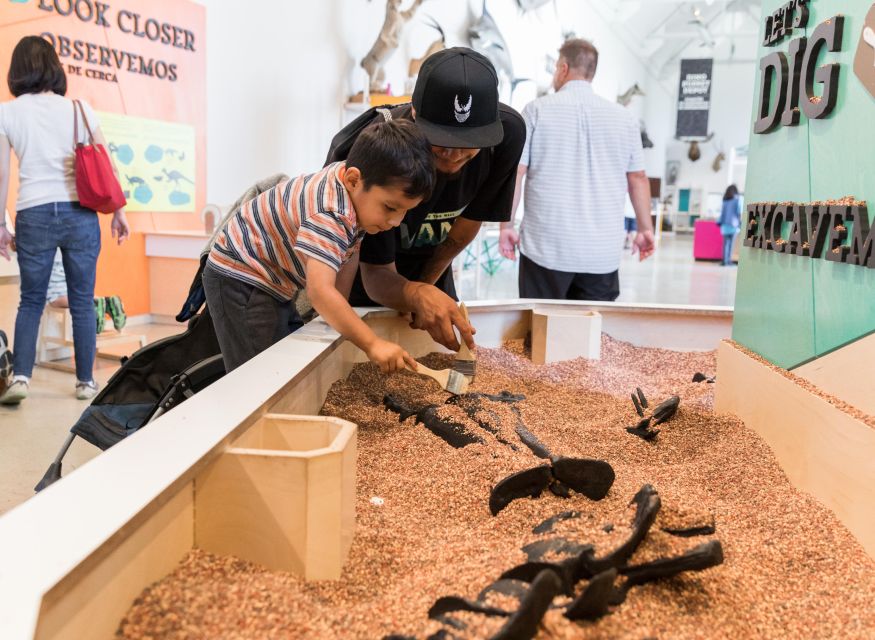
After all that deep time indoors, I really like the reset of the Nature Gardens. It covers 3.5 acres, so it feels like real outdoor space rather than a token courtyard.
This is also where the museum’s science becomes local. You can stroll through the gardens to find hidden secrets and a wildlife space that’s designed to invite attention. The Nature Lab adds a learning layer about local plants and animals.
This portion of the visit works especially well if:
- You’ve brought kids and need a change of pace
- You want photo time without always pointing your camera at skeletons
- You need a slower, less crowded-feeling segment of the day
A practical downside
Outdoor time can make you slightly more weather-dependent than purely indoor museums. If the day is hot or you’re sensitive to heat, plan to do outdoor walking earlier in the day.
Age of Mammals: the 65 million-year evolution story
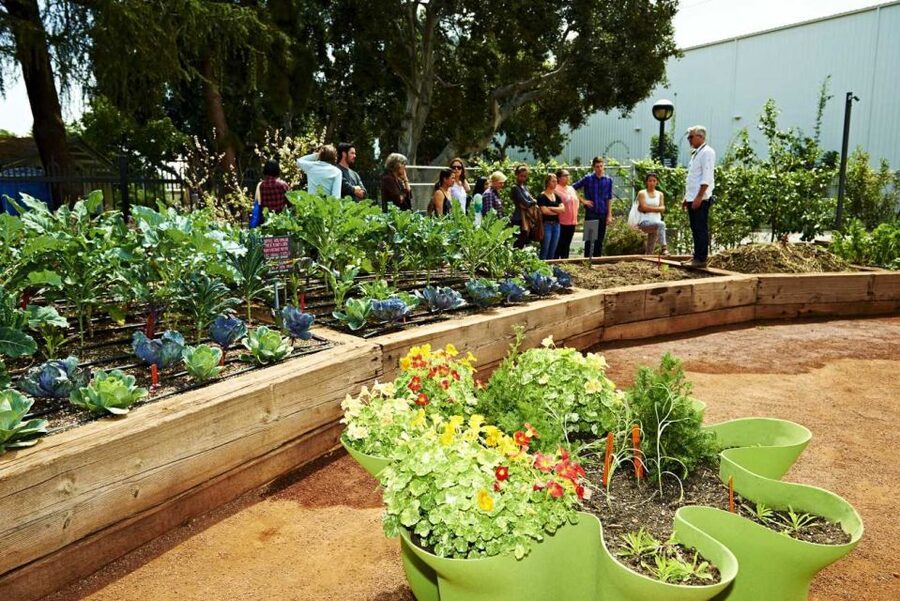
The museum doesn’t stop at dinosaurs. It follows an evolutionary arc spanning 65 million years and includes the Age of Mammals section.
Expect 240 specimens, including skeletons from mastodons to whales. That range is a big deal because it helps you understand evolution as something that keeps moving after one group dominates. It also creates a natural payoff after dinosaurs: you’re not just switching exhibits, you’re watching the story continue.
You’ll also find animal dioramas from North America and Africa. Dioramas are old-school museum magic, but they’re still effective because they help your brain map environments and species together instead of treating each skeleton like a separate fact.
Gem and Mineral Hall: the vault and the “wait, that’s real?” feeling
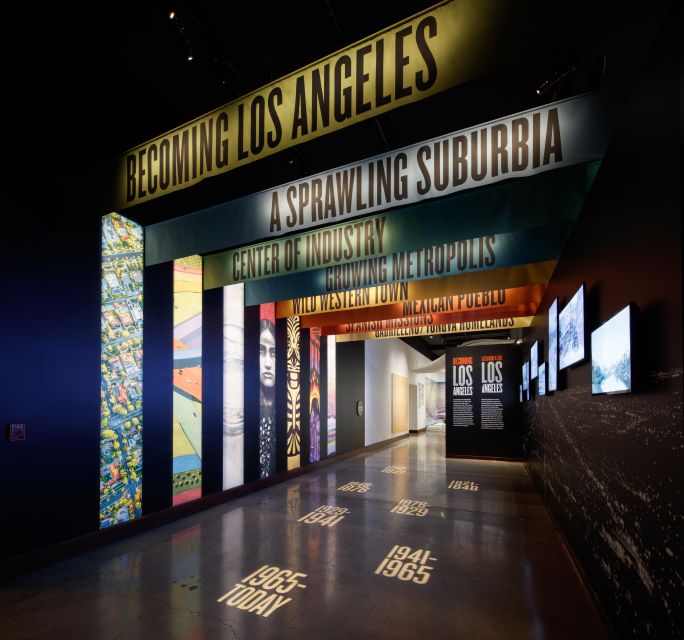
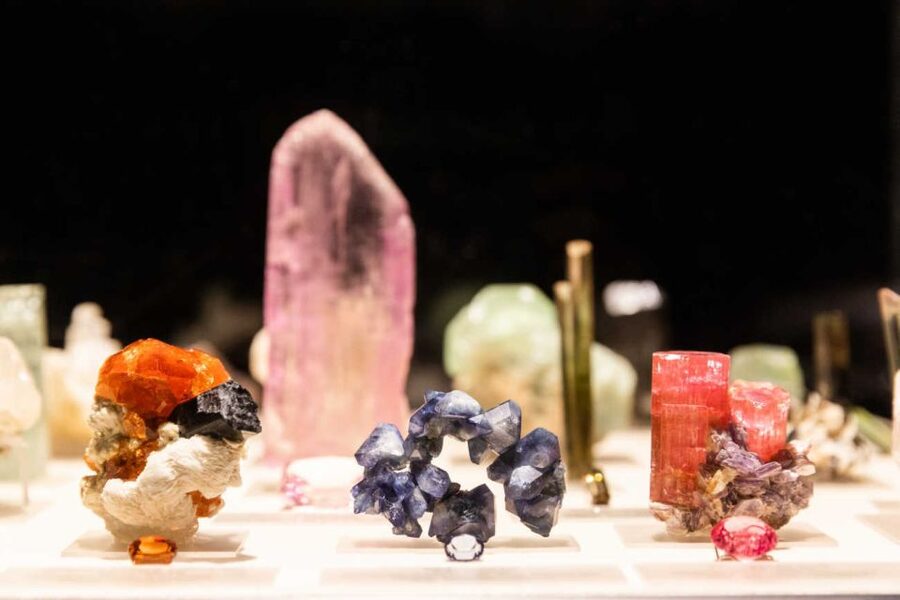
Then comes the part that surprises first-time visitors: the Gem and Mineral Hall. It houses over 2,000 specimens, and the standout is the vault view where you can see diamonds, rubies, sapphires, and other gems.
This is where the museum becomes less like school and more like wonder. Even when you know gems aren’t new discoveries, seeing that many specimens grouped with clear displays makes you pause. It’s a different way to practice “science curiosity.”
How to get more from this hall
Gem rooms can turn into a quick scan if you don’t slow down. Pick one or two favorites and read the context around them. That’s usually where you’ll get the most satisfaction, especially if you’re with kids who want names and sparkle facts.
Optional detour: pairing with the California Science Center next door
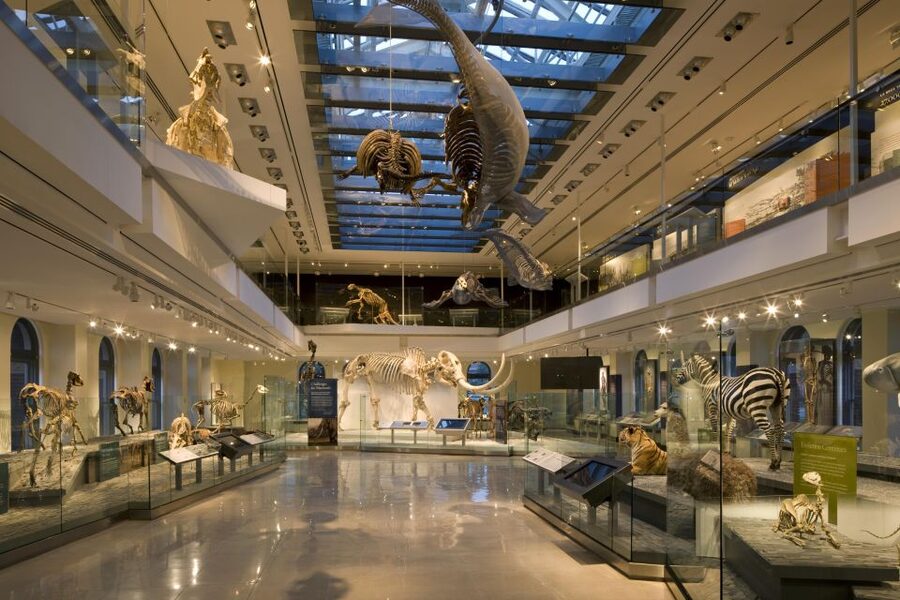
One of the nicest perks of this area is that you can connect your museum visit with other science-themed stops. There’s a link to the California Science Center via a rose garden and a fountain, and it’s a natural add-on when you want to extend the day.
This isn’t part of your museum ticket here, so treat it as a bonus plan if your schedule allows. If you’re traveling with a family, it’s a good way to stretch the day without turning it into constant sprinting.
Tickets and timing that actually help you plan
The museum runs 9:30 AM–5:00 PM (hours can change), and your ticket covers one day. For most people, that window is enough for a full, satisfying visit—if you choose priorities.
A realistic approach that keeps your day feeling fun:
- Do Becoming Los Angeles early
- Spend the morning on Dinosaur Hall (and aim for any showtime you want)
- Hit Age of Mammals mid-afternoon
- Save Gem and Mineral Hall for later if you want a final wow moment
- Take Nature Gardens as a pacing tool, not a last-minute scramble
What to wear and bring
The museum is active—wear comfortable shoes. If you’re traveling with little kids, bringing a stroller makes things easier. You’ll also appreciate a light layer if you plan to mix indoor fossil halls with outdoor garden walking.
And yes, on-site food and drink can turn the day into a more comfortable hang. One visitor note mentioned beer being available, which is a nice option if you want an adult break during a long museum day.
Who this ticket is best for
This entry ticket is a strong fit if you want:
- A family-friendly day with real fossils and kid-approved spectacle
- A science museum that also tells an LA-specific story
- A mix of indoor and outdoor learning (dinosaur halls plus nature gardens)
- A one-ticket plan that covers more than one “type” of attraction
If you’re a dinosaur fan, the Dinosaur Hall is the main event. If you’re more into geology or visual wow, the Gem and Mineral Hall is a major draw. If you want a balanced day that doesn’t feel like one theme only, this museum does that well.
Should you book the Los Angeles Natural History Museum entry ticket?
I think it’s a good booking if your goal is a high-value museum day with big-name exhibits—especially the T. rex growth series plus the LA-focused Becoming Los Angeles exhibit.
Book it if:
- You like science and want real fossils, not just displays
- You want variety in one day (dinosaurs, mammals, gems, nature)
- You’re traveling with kids or a mixed-age group who needs both thrills and learning
Skip or adjust your expectations if:
- You hate walking in large buildings and would rather do one small museum
- You’re only interested in one narrow topic; you might spend time waiting to “get to the part you care about”
If you’re on the fence, here’s the easy deciding rule: if dinosaurs, gemstones, and nature are all on your list for LA anyway, this ticket is one of the cleanest ways to tie those together in a single day.
FAQ
What’s included with the general admission ticket?
General admission includes access to the museum’s permanent exhibits, including the Dinosaur Hall, Nature Gardens, and Gem and Mineral Hall.
Are special exhibits included?
Special exhibits are not included with general admission. If you choose admission with special exhibit access, you also get exclusive entry to a rotating special exhibit.
How long is the ticket valid?
Your ticket is valid for one day.
What are the museum hours?
The museum is open from 9:30 AM to 5:00 PM, though hours can change.
Where do I enter with my ticket and how do eTickets work?
You can enter at either museum entrance. You can go directly to the staff member at the bridge or use the eTicket entry at the top of the steps to skip the line.
Is parking available, and is there public transit nearby?
Yes, parking is available on site for an additional fee. The Expo Park Metro line is just steps away.