REVIEW · LONDON
London: British Museum + Guided Tour + Priority Entry
Book on GetYourGuide →Operated by Strabo · Bookable on GetYourGuide
One museum stop can change how you read history. This 80-minute British Museum tour strings together Rosetta Stone breakthroughs, Egyptian afterlife beliefs, and other headline objects into a smart history loop. You’ll finish with the odd-but-fascinating Lewis Chessmen.
Two things I like a lot: you get a certified, professional guide who keeps the story moving (and answers real questions), and priority entry helps you avoid wasting time. Meeting is easy once you know the cue: stand outside the Montague Place entrance by the two stone lions.
One watch-out: 80 minutes is short, so this is a highlights tour, not a full, everything-in-the-museum marathon.
In This Review
- Key things you’ll notice
- Entering the British Museum: Finding Your Guide at the Lions
- Priority Entry + an 80-Minute Plan That Actually Fits a Day
- Rosetta Stone: The Breakthrough That Changed How You Read Ancient Egypt
- Mummies and Coffins: Life After Death (and the Work Behind It)
- Parthenon Sculptures (Elgin Marbles): Myth, Power, and 5th-Century BCE Craft
- Assyrian Lion Hunt Reliefs: The Assyrian Empire Shows Off
- Lewis Chessmen: Viking-Era Culture Through Medieval Game Pieces
- Who Might Recognize the Guide Names (and Why It Helps)
- What You Can Do Right After: Gift Shop Time and Staying Flexible
- Price and Value: What $33 Buys You in London
- Practical Tips So You Get the Most Out of the 80 Minutes
- Should You Book This British Museum Tour?
- FAQ
- How long is the British Museum guided tour?
- Where do we meet for the tour?
- Is the tour available in English?
- Is the British Museum tour wheelchair accessible?
- Can I take photos inside the museum?
- Are food and drinks allowed in the exhibition rooms?
- Is priority entry included?
- What is the cancellation policy?
Key things you’ll notice
- Rosetta Stone first: how it helped crack Egyptian hieroglyphs
- Mummies and coffins: life after death beliefs plus mummification techniques
- Elgin Marbles from the Parthenon: Greek mythology scenes from the 5th century BCE
- Assyrian lion hunt reliefs: royal power shown through carved action
- Lewis Chessmen: medieval chess pieces tied to Viking-era culture
- Montague Place meeting spot: find the guide fast near the two stone lions
Entering the British Museum: Finding Your Guide at the Lions
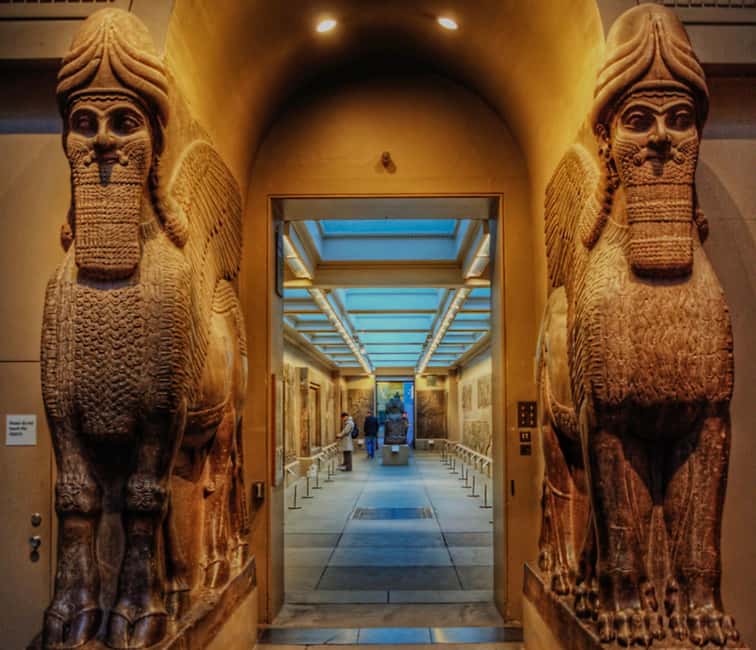
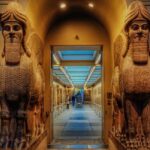
The tour starts at the British Museum, with a clear meeting cue. You’ll meet outside the Montague Place entrance by the two stone lions. The museum has two entrances, so make your life easy: arrive early enough to orient yourself, then go straight to the lions.
Why this matters: the British Museum can feel like a maze when you walk in with a long wish list. A good guide matters most when your brain is still sorting lines, signage, and crowds.
You can also read our reviews of more guided tours in London

Priority Entry + an 80-Minute Plan That Actually Fits a Day
The big promise here is timing. You get a guided visit lasting 80 minutes, plus priority entry. That combination is ideal if you want museum depth without surrendering your whole London day.
A highlights tour has a different value than wandering at random. With only 80 minutes, the guide chooses the handful of objects that make bigger themes click. You leave understanding how the museum’s galleries connect, not just collecting random facts.
Also, the guide format sounds designed for real conversation. People have appreciated tours without headsets, which usually means you can ask follow-ups on the spot and stay connected to what you’re seeing.
Rosetta Stone: The Breakthrough That Changed How You Read Ancient Egypt
Your tour starts with one of the museum’s best-known objects: the Rosetta Stone. This is where the story turns from “look at an ancient rock” into “now you can read ancient meaning.”
Here’s the practical context you’ll get: the Rosetta Stone helped unlock how Egyptian hieroglyphs could be understood, because it provided the key to translating Egyptian writing. The guide’s job is to turn the technical leap into something you can actually hold onto while you’re standing in the gallery.
What you’ll like if you care about clear explanations: expect the guide to link the artifact to the bigger theme—how scholars turned limited evidence into a readable language. That’s a big deal, because it’s not just about Egypt. It’s about how knowledge gets built.
Mummies and Coffins: Life After Death (and the Work Behind It)
Next comes ancient Egypt’s beliefs about the afterlife, using the museum’s collection of mummies and coffins. This section isn’t only about spooky visuals. It’s about how people imagined survival after death—and the rituals and techniques used to prepare for it.
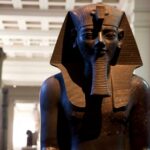
You’ll get a sense of the logic behind the practice: mummification wasn’t random. It was tied to what people expected to happen next. Even if you’ve read about mummies before, a guided stop helps you notice what the objects communicate: status, belief, and the care (and labor) that went into preserving a body.
One more reason this works on a time-limited tour: it’s a focused theme. Instead of trying to see every Egyptian room, you get a “core idea” stop that anchors the rest of the collection in your mind.
Parthenon Sculptures (Elgin Marbles): Myth, Power, and 5th-Century BCE Craft
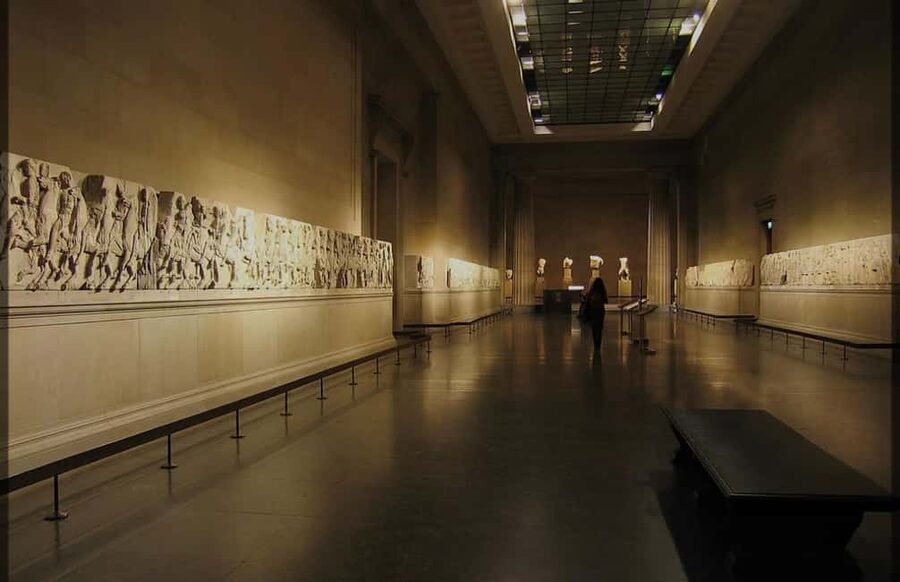
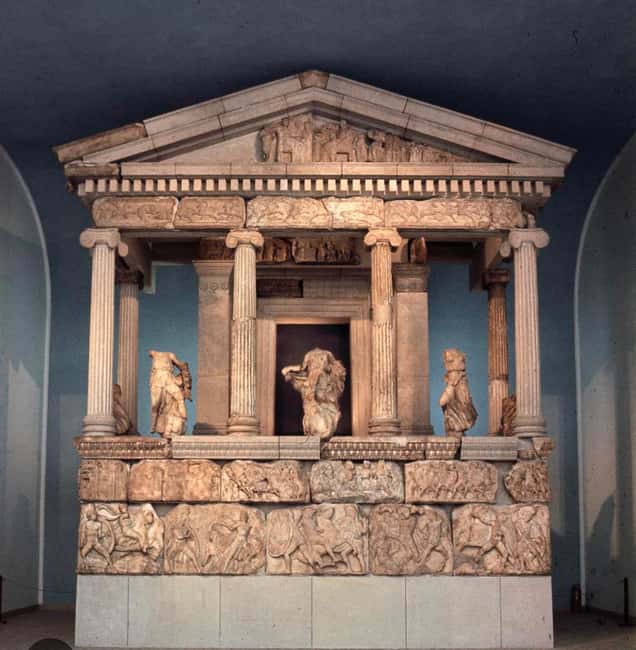
Then you shift from Egypt to Greece with the museum’s famous Parthenon sculptures, often referred to as the Elgin Marbles. These date to the 5th century BCE and depict scenes from Greek mythology.
What makes this stop valuable is the way myth becomes more than a textbook summary. When you’re standing in front of sculpture, you can see the details and gesture-language that helped audiences recognize stories. The guide helps you translate posture, expression, and composition into meaning.
A quick reality check: sculptures are easier to appreciate when you know what to look for. Without guidance, you might focus only on the dramatic parts. With the guide, you’re more likely to connect scenes to the larger Greek world—civic identity, religious storytelling, and how art supported public life.
You can also read our reviews of more museum experiences in London



Assyrian Lion Hunt Reliefs: The Assyrian Empire Shows Off
After the Greek segment, the tour moves to the Assyrian Empire through impressive carved reliefs—especially the lion hunt scenes. These works are famous for intricate carving and the sense of motion: armor, animals, and action rendered in stone.
This stop gives you a different angle on “empire.” In Egypt and Greece, you often meet beliefs and myth. In Assyria, you more often meet royal power as performance—how a ruler’s strength gets shown, remembered, and used to justify rule.
You’ll likely come away with a clearer idea of why the Assyrians were so invested in artwork. The guide helps connect the carvings to the political message: power is not just claimed; it’s carved into public memory.
Lewis Chessmen: Viking-Era Culture Through Medieval Game Pieces
One of the most charming surprises on this tour is the Lewis Chessmen. These are intricately carved chess pieces discovered on the Isle of Lewis in Scotland, and they link medieval chess culture to Viking-era material history.
This is the kind of stop that breaks museum monotony, because chess instantly turns history into something human. It also raises smart questions: who played, where they traveled, how objects ended up where they did, and what this says about trade and culture.
Even if chess doesn’t sound like your thing, you’ll still get value from the story. It’s a reminder that everyday culture—games, objects, skill—survives alongside kings, battles, and gods.
Who Might Recognize the Guide Names (and Why It Helps)
In English-language tours, the guide can be the difference between seeing objects and understanding them. This provider includes named guides you may encounter, including Strabo and Martina.
If you get Strabo, you can expect calm pacing and museum know-how, with lots of patience for questions. Martina has also been described as warm and highly engaging, with a style that keeps families and younger visitors interested.
You don’t need a celebrity guide to enjoy this tour, but it helps to know the tone you’re likely to get: clear explanations, good pace, and attention to what visitors want to know next.
What You Can Do Right After: Gift Shop Time and Staying Flexible
After the tour, you’ll have some time to explore the museum’s gift shop. That’s not a throwaway add-on. It’s a practical way to turn what you just learned into something you can take home: books, souvenirs, and replicas.
If you want to keep momentum, take a quick scan of what you missed while you were in the guided route. The museum is huge, so don’t aim for everything. Aim for the closest next “theme” that matches the objects you just saw: Egypt basics next, then a quick second pass on Greece or Assyria.
Price and Value: What $33 Buys You in London
At $33 per person for an 80-minute guided experience, you’re not paying for the building. You’re paying for the guide’s selection and explanations, plus the time-saver of priority entry.
This price makes sense if you:
- want a fast introduction to the museum’s major highlights (Egypt, Assyria, Greece, and the Lewis Chessmen)
- prefer a structured route over wandering in every direction
- enjoy asking questions and getting answers on the spot
If you’re the type who loves deep self-guided reading, you might feel you could do this cheaper. But keep this trade-off honest: the British Museum is big enough that “free time” can become “lost time” unless you have a plan. A guide gives you that plan.
Also, one thing to watch for: museum admission can sometimes be free to the public on certain days, which means your spending is mainly for the guided narrative and the priority entry convenience. If that’s the format you want, this is strong value.
Practical Tips So You Get the Most Out of the 80 Minutes
A few details from the experience rules will help you focus on the art and not the hassle:
- Photography is allowed, but flash photography is prohibited. Bring a phone/camera that handles low light well.
- Food and drinks aren’t allowed inside the exhibition rooms. Plan a snack break outside the galleries so you don’t feel rushed.
- The museum is wheelchair accessible, but some areas may be challenging to navigate. If you need step-free routes, give yourself a little buffer time to move around comfortably.
And here’s my simple strategy for any short museum tour: go in with only 2 or 3 must-sees in your head. Everything else is a bonus. This tour already does that work for you by focusing on headline objects and big themes.
Should You Book This British Museum Tour?
Book it if you want a smart, time-friendly way to see the museum’s most discussed objects without turning your day into a scramble. The mix of Egypt, Greece, Assyria, and the Lewis Chessmen gives you a real sense of how civilizations connect through art and storytelling—especially with a guide who keeps the pace and answers questions.
Skip it if you’re looking for a full “see everything” visit or you already know exactly which galleries you want to spend hours in. In that case, you might be happier with a longer, self-guided day.
If you want a solid first pass that leaves you ready to explore on your own afterward, this tour is a good match.
FAQ
How long is the British Museum guided tour?
The tour lasts 80 minutes.
Where do we meet for the tour?
Meet outside the Montague Place entrance by the two stone lions.
Is the tour available in English?
Yes, the live tour guide provides the tour in English.
Is the British Museum tour wheelchair accessible?
The tour is wheelchair accessible, but some areas may be challenging to navigate.
Can I take photos inside the museum?
Yes, photography is allowed, but flash photography is prohibited.
Are food and drinks allowed in the exhibition rooms?
No, food and drinks are not allowed inside the exhibition rooms.
Is priority entry included?
Priority entry is part of the activity, aimed at helping you access the museum more smoothly.
What is the cancellation policy?
You can cancel up to 24 hours in advance for a full refund.