REVIEW · ROME
Private Tour – Capitoline Museums
Book on Viator →Operated by Rome Guides · Bookable on Viator
Rome’s oldest museum gets easier fast. This private tour brings you straight into the Capitoline Museums with a guide who explains what you’re seeing and why it matters. You’ll also step into Piazza del Campidoglio, designed by Michelangelo, and connect the art to the Roman city it came from.
I especially love how the museum visit turns into a clear story: bronze sculptures, courtyards, and Roman artifacts start to make sense instead of feeling like random highlights. I also like the energy of the guides—people often mention names like Vincenzo, Massimo, Martina, Max, and Victoria, and their tours tend to be interactive, question-friendly, and easy to follow in English. One drawback to plan for: you’ll have to leave bags and backpacks in the checkroom before you enter.
In This Review
- Key highlights at a glance
- Why a private guide at the Capitoline Museums matters
- Piazza del Campidoglio: Michelangelo’s square and the Marcus Aurelius copy
- Musei Capitolini: Sistus IV’s old museum and the Roman story
- How sculptures and frescoed rooms become understandable fast
- Timing, meeting point, and the no-bags checkroom rule
- Price at about $157: when this tour is worth it
- Should you book the Private Tour – Capitoline Museums?
- FAQ
- How long is the Private Tour – Capitoline Museums?
- Is museum entry included?
- Is the Piazza del Campidoglio part included too?
- Is this a private tour?
- Is it offered in English?
- Where does the tour start and end?
- Do I need hotel pickup?
- Are tickets and guides included in the price?
- Do I need to use the checkroom for bags?
- Is private transportation included?
- What’s the cancellation policy?
Key highlights at a glance
- Private guide + tickets included for Musei Capitolini, so you’re not guessing where to go
- Michelangelo’s Piazza del Campidoglio plus a quick look at the Marcus Aurelius copy
- Papal-era museum setting: the Musei Capitolini story begins at the end of the 15th century under Pope Sixtus IV
- More than statues: you’ll connect sculptures and frescoed palace rooms to everyday Roman life
- High-engagement pacing that helps facts stick, even for curious teenagers
Why a private guide at the Capitoline Museums matters
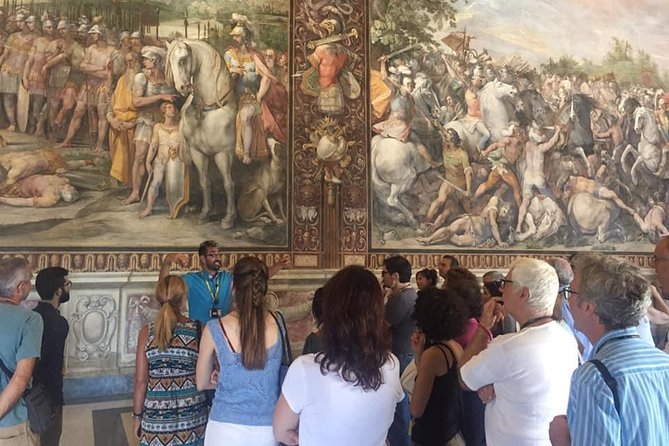
The Capitoline Museums can feel tricky on a first pass. You’re surrounded by Roman art, but the museum doesn’t automatically hand you the plot. A private guide changes that. With a guide leading you through the collection, you get a map of themes—power, mythology, daily life, and how Romans displayed status in stone and bronze.
This tour is also practical. It’s set up as a private experience for only your group, and it runs about 2 hours 30 minutes. That means you can move at a pace that fits you instead of being trapped behind a big, slow line of people. If you want to focus on a certain type of object—emperors, mythological scenes, or portrait-style sculpture—you’re more likely to get a tour that bends toward your interests.
And yes, the art is the star. But the guide is what makes it land. The best museum moments come when you know what you’re looking at: what the piece is, who it represents, and what message it was meant to send in ancient Rome. When you hear that context out loud, the museum stops being just impressive and starts being understandable.
You can also read our reviews of more private tours in Rome

Piazza del Campidoglio: Michelangelo’s square and the Marcus Aurelius copy
Your tour begins in Piazza del Campidoglio, Rome’s great “office desk” of urban design. Michelangelo’s reorganization of the square is easier to appreciate when you stand where it was meant to be viewed. The geometry matters. The sightlines matter. Even if you only spend about 20 minutes here, it’s time worth using.
In the middle of the square, you’ll see a copy of the Statue of Marcus Aurelius. The original is inside the museum. That detail is useful because it teaches you a key idea: Rome often repeats its treasures. Sometimes the copy is the public version. The museum holds the original context.
A quick moment in the square also helps you set expectations for what comes next. The Capitoline hill has been a stage for power for centuries. When you connect Michelangelo’s Renaissance design with the Roman objects inside the museum, you start to see a bigger story—one city, rewriting itself over and over.
Musei Capitolini: Sistus IV’s old museum and the Roman story
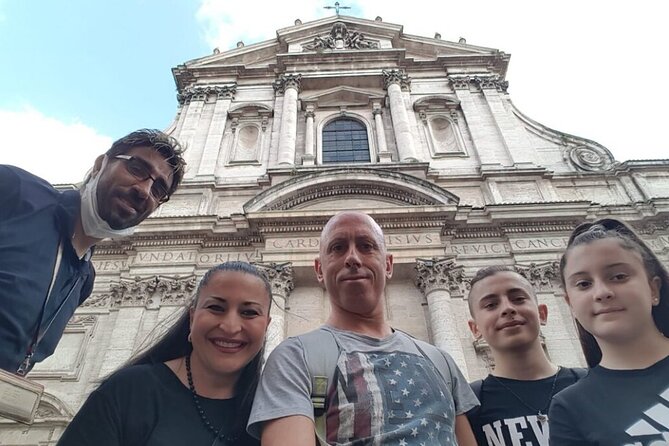
After the square, you step into Musei Capitolini, which is the oldest public museum in Europe. The museum was created at the end of the 15th century by Pope Sixtus IV. That date isn’t just trivia. It’s part of why the museum feels different from some newer collections. This is an early moment in the idea that public viewing of art and antiquities matters.
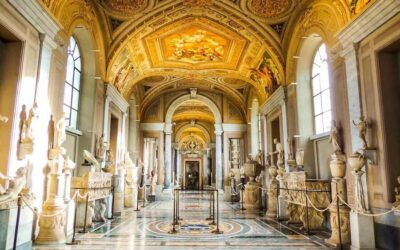
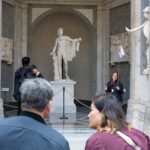
Inside, the tour focuses on Roman antiquities and the way they were collected and presented. You’ll be guided through the collection in a way that’s meant to feel like a journey into ancient Rome—not just a checklist of famous items.
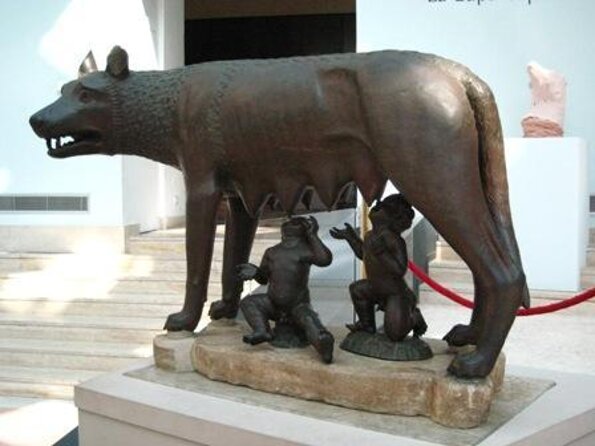
One big payoff is how your guide handles contrast. The museum includes Roman treasures, but the setting also features non-Roman elements—like Baroque statues by Bernini—in a palace decorated with famous frescoes. Seeing those pieces side by side changes how you interpret the collection. It reminds you that later artists and patrons kept returning to Rome’s classical past, selecting, framing, and reshaping it for their own time.
You’re also likely to leave with a better sense of what the artifacts were “for.” Roman sculpture wasn’t made for museums the way we mean it today. It was tied to ideology, memory, and display. When your guide connects objects to Roman life, the collection stops being a museum of leftovers and starts becoming a record of how Romans wanted to be remembered.
How sculptures and frescoed rooms become understandable fast
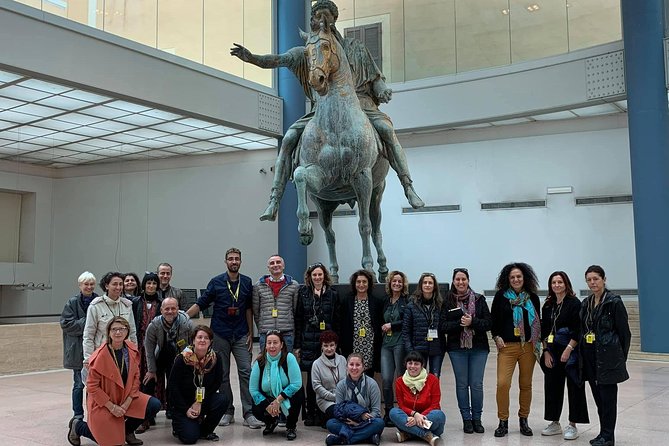
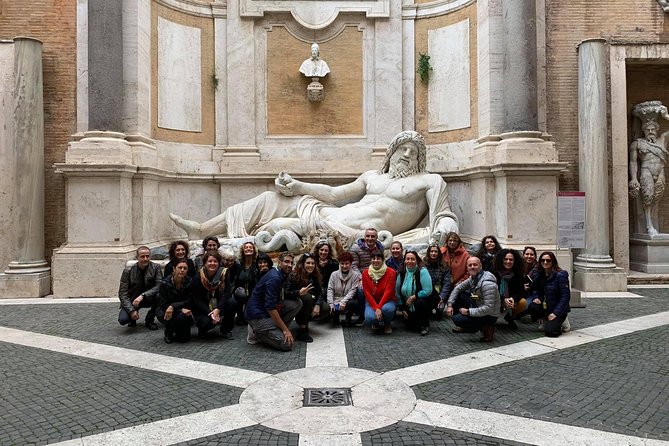
The highlights point to bronze sculptures, courtyards, and more sights. The real value isn’t just that you’ll see them—it’s the sense-making. A guide helps you read the collection like a language.
This is where the tour style really matters. Many people rave about guides who are energetic, clear in English, and good at getting you involved. The common thread is not just facts—it’s delivery. Guides tend to explain in a way you can hold onto after you leave, with stories that connect one room to the next.
A private format also helps you ask better questions. If you spot an emperor portrait style you recognize, or you wonder why one object is treated as more important, you can steer the conversation instead of waiting for a free moment. That’s especially helpful if you’re traveling with family or bringing a teen who needs a bit more interaction than a traditional lecture.
There’s also a “museum mechanics” advantage. You’re not wandering. You’re moving through the museum with a plan. That reduces the odds of missing key works or spending too long staring at something without understanding what it represents.
If you’ve visited Rome before, this kind of guided context can still surprise you. Even when you know the famous names, it’s the relationships—the why behind placement, repetition, and design—that makes the Capitoline Museums feel like more than a quick photo stop.
Timing, meeting point, and the no-bags checkroom rule
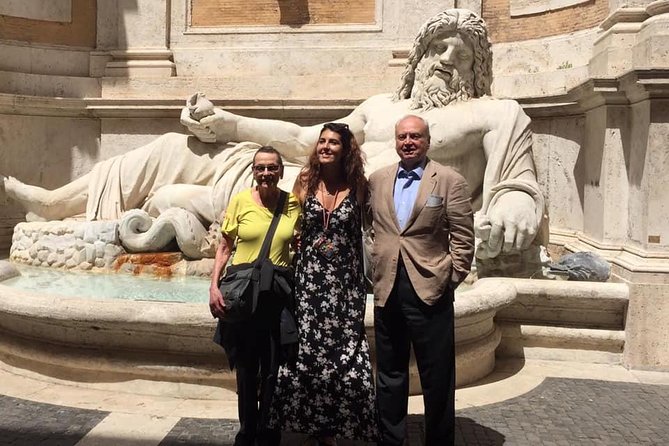
Here’s how to make this run smoothly.
You’ll meet at Piazza del Campidoglio, 00186 Roma RM, Italy. The tour ends back at the same meeting point, so you’re not dealing with an awkward end-of-day transit scramble. The site is near public transportation, so it’s straightforward to build into your Rome day.
Duration is about 2 hours 30 minutes (approx.). Museum time is around 2 hours, then you shift back to the square for roughly 20 minutes. That means you should plan your schedule like a real activity, not like “we’ll just pop in.” If you’re stacking multiple stops, give yourself a little buffer.
One rule you must plan for: you’ll need to leave bags and backpacks in the checkroom. That can be annoying if you show up with a full day bag, so travel light for this one. A small crossbody is usually easier than a backpack you’ll have to surrender.
Also note what’s not included: there’s no hotel pickup and no private transportation. You’re responsible for getting yourself to Piazza del Campidoglio, and that’s normal for Rome walking-based tours.
You can also read our reviews of more museum experiences in Rome


Price at about $157: when this tour is worth it
At $157.22 per person, this isn’t the cheapest museum add-on in Rome. But it can be good value if you care about context, not just access.
Here’s what you’re paying for:
- A professional guide and a local guide
- Private tour format (your group only)
- Tickets included for the museum entry
- A structured visit that typically keeps the pace tight and focused
If you’re traveling with someone who wants to understand the art—why it exists, how Romans viewed it—then paying for guidance is often money well spent. The Capitoline Museums aren’t hard to access, but they are hard to interpret without help. This tour is basically buying back your time and reducing your confusion.
Price is also affected by how you travel. The tour listing mentions group discounts, so if you’re booking as a group, you may get better value than the per-person headline.
One more practical point: this tour is commonly booked about 81 days in advance on average. That’s a sign to plan ahead, especially if you’re traveling in peak seasons or you want a specific time window.
Should you book the Private Tour – Capitoline Museums?
If your goal is to leave Rome’s Capitoline Museums with real understanding—not just photos—this is a strong choice. The private guide format is the whole point here, and it shows in how the museum is presented: Roman history tied to the objects, not just a string of names.
Book it if:
- you want an English-led explanation that keeps moving
- you like asking questions and staying engaged
- you’d rather see fewer things with meaning than more things while guessing
Skip it if:
- you’re happy reading museum labels on your own and don’t need a plan
- you don’t want to deal with the checkroom rule for bags
For most people, especially first-timers to the Capitoline Museums or anyone who wants the Roman story stitched together, this tour is a smart use of about half a day.
FAQ
How long is the Private Tour – Capitoline Museums?
The tour is approximately 2 hours 30 minutes.
Is museum entry included?
Yes. Admission tickets are included for Musei Capitolini.
Is the Piazza del Campidoglio part included too?
Yes. You’ll spend about 20 minutes in Piazza del Campidoglio, and admission there is free.
Is this a private tour?
Yes. It’s a private tour/activity and only your group participates.
Is it offered in English?
Yes. The tour is offered in English.
Where does the tour start and end?
It starts at Piazza del Campidoglio, 00186 Roma RM, Italy and ends back at the meeting point.
Do I need hotel pickup?
No. Hotel pickup and drop-off are not included.
Are tickets and guides included in the price?
Yes. The tour includes a professional guide and local guide, and it includes tickets.
Do I need to use the checkroom for bags?
Yes. It is mandatory to leave bags and backpacks in the checkroom.
Is private transportation included?
No. Private transportation is not included.
What’s the cancellation policy?
You can cancel for free up to 24 hours in advance for a full refund. If you cancel less than 24 hours before the start time, the amount paid is not refunded.