REVIEW · PLAZA DE TOROS DE LA MAESTRANZA
Seville: Plaza de Toros and Museum Guided Tour in Spanish
Book on GetYourGuide →Operated by AROUND SEVILLA TOURS · Bookable on GetYourGuide
You pass a legend in an hour. This Spanish-guided walk around the Plaza de Toros de la Real Maestranza de Caballería turns one massive arena into a story you can follow, and I especially loved the Patio de Caballos and the Bullfighters’ Chapel up close. One heads-up: on bad-weather days, parts of the ring floor might not be easy to access.
I like that the tour is short and focused. You’ll start at the Puerta del Príncipe, skip the ticket line, and keep moving at a walking pace with a live Spanish guide, which makes it a nice fit for tight Seville schedules. If your Spanish is shaky, you’ll still get the flow—because the landmarks are the real “text” here.
In This Review
- Key things I’d prioritize
- Seville’s Real Maestranza bullring: more than a building
- Meeting at Puerta del Príncipe and getting in without the fuss
- The façade first: what the Baroque style tells you
- Bullfight Museum: context you can actually use
- Patio de Caballos: the waiting area that changes your perspective
- Bullfighters’ Chapel: a close stop with quiet meaning
- Walking the bullfighters’ route across the ring
- How the 1-hour format works for real schedules
- Price and value: what $33 buys you
- Who should book this tour, and who might not
- Practical notes before you go
- Should you book the Seville Plaza de Toros guided tour?
- FAQ
- How long is the guided tour?
- Where do I meet the group?
- Is there a Spanish-speaking guide?
- What’s included in the price?
- Does the tour skip the ticket line?
- What are the main places you visit inside the bullring?
- Are food and drinks included?
- Is hotel pickup and drop-off included?
- Is the tour wheelchair accessible?
- What should I bring?
Key things I’d prioritize
- Patio de Caballos: see the waiting area tied to bullfighter routines
- Bullfighters’ Chapel: a very close, human-sized stop inside the bullring complex
- Bullfight Museum: get the cultural and historical context without getting stuck in lectures
- Baroque façade (1762–1881): understand why the building looks like a landmark, not a stadium
- Bullfighters’ route in the ring: walk the path that builds the whole sense of occasion
- One-hour pacing: enough time to get the big moments, not enough time to feel dragged
Seville’s Real Maestranza bullring: more than a building
Seville’s Plaza de Toros de la Real Maestranza de Caballería isn’t just famous. It’s the one with the scale to match the stories—built to hold about 13,000 spectators and often described as Spain’s most important bullring. That size matters because, inside, everything feels designed for a ritual. Even if you’re not here to judge the tradition, you can’t miss how seriously it’s framed.
A big part of the experience is visual. The façade is Baroque and dates from 1762 to 1881, which helps explain the vibe: this place was meant to impress long before modern sports venues took over. When you stand outside, you get a better sense of why people treat the bullring like a landmark in its own right.
Meeting at Puerta del Príncipe and getting in without the fuss
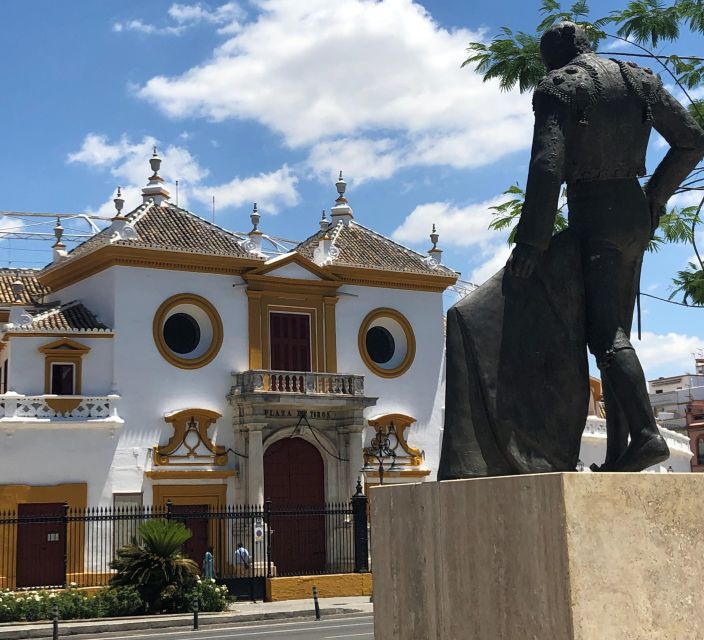
You meet in front of the Puerta del Príncipe de la Plaza de Toros de la Real Maestranza de Caballería de Sevilla. That matters because it’s right at the front door of the complex, so you’re not hunting around for the right entrance while your guide waits.
The tour includes an entrance ticket and it’s designed to help you skip the ticket line. In practice, that’s a quality-of-life upgrade in a popular site. It also makes the one-hour format feel more “full,” since you’re not burning time stuck in entry logistics.
Wear comfortable shoes and dress for walking. You’ll be moving from outside views to indoor museum spaces and then into the bullring areas. If rain rolls in, plan for the possibility that the ring-floor access could be limited, since the tour notes that the floor of the ring might not be accessible during bad weather.
The façade first: what the Baroque style tells you
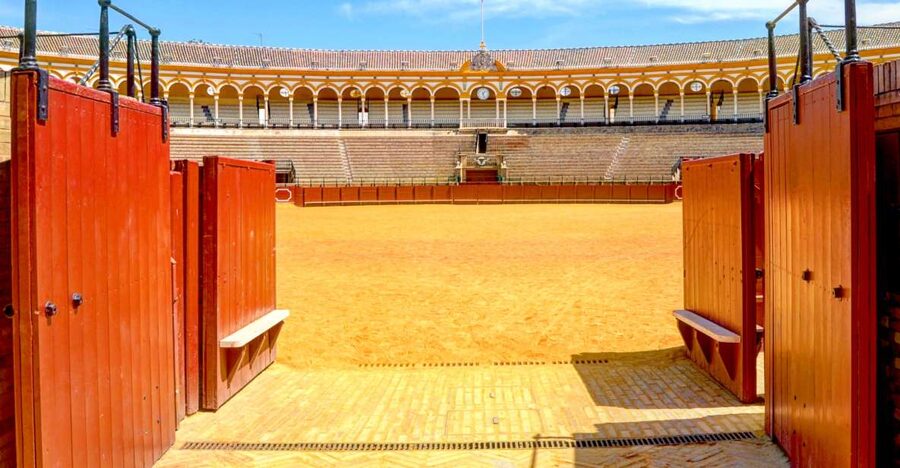
Before you go inside, you start by taking in the bullring’s exterior character. The Baroque styling (and the long construction span from 1762 to 1881) signals something important: this wasn’t an add-on for a quick event schedule. It’s architecture made to convey importance.
I find that kind of context is what helps the rest of the tour click. If you ignore the building outside, the inside can feel like a museum about a sport you don’t fully understand. But if you notice the façade and its scale, the interior stops feel more purposeful—like different “chapters” in the same story.
Also, you’ll be standing at the front of a bullring that’s described as the largest and most important arena for bullfighting in Spain. That status isn’t trivia. It’s why the guide can connect details you’d otherwise miss.
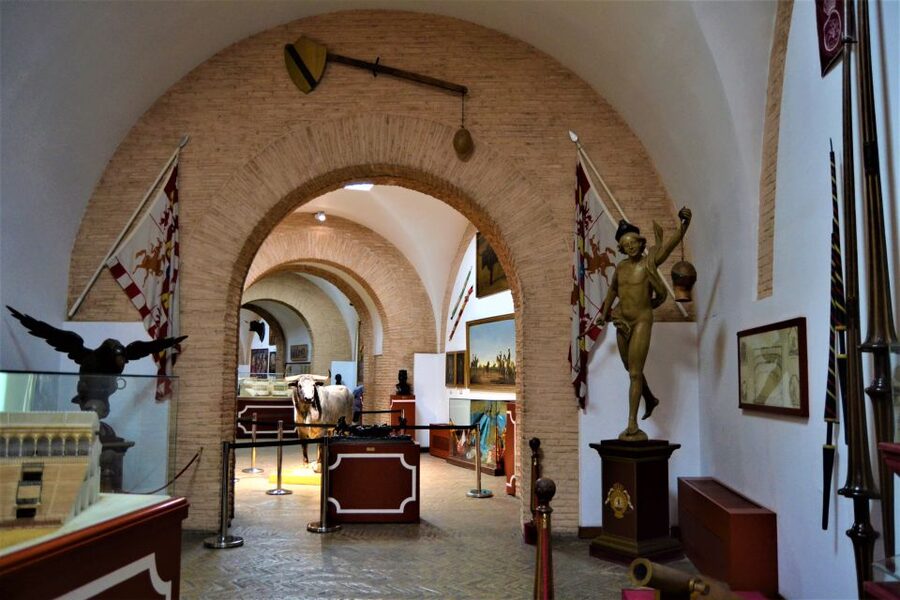
Bullfight Museum: context you can actually use
Next comes the Bullfight Museum. This is where the tour earns its keep for first-timers. Instead of only showing you spots in the building, you get a framework for what you’re seeing.
The museum explains the history of the traditional bullfighting event, and it helps you connect the dots between culture, ceremony, and layout. It’s not just a pile of objects. It’s a “how the day works” kind of explanation—so when you later see doors, pathways, and waiting spaces, your brain has a map.
The best part is pacing. You aren’t asked to sit through a long talk. You learn enough to make the rest of the walk feel guided and logical rather than random. And a lot of the reviews highlight how a kind, history-focused guide can turn complicated cultural material into understandable points. In other words: the tour’s value isn’t only the venue. It’s the human explanation inside it.
Patio de Caballos: the waiting area that changes your perspective
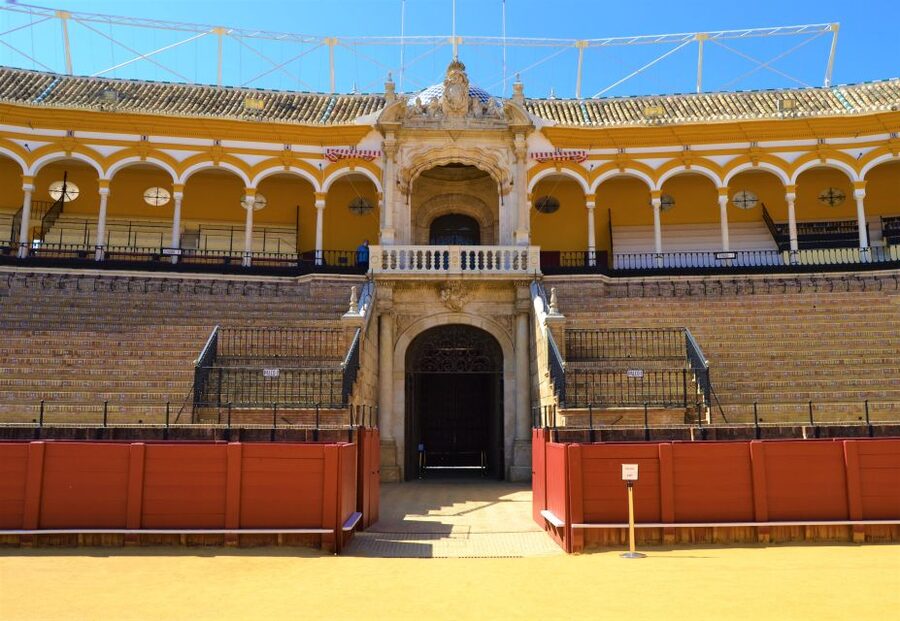
Then you head over to the Patio de Caballos. This is one of the tour’s signature stops because it shows you where bullfighters wait before an event, with horses nearby. That small detail—waiting with horses—changes the whole emotional tone of what you see next.
In a standard sight-seeing plan, you might only think about the ring. Here, the tour nudges you toward the “before” moments. You start thinking about timing, readiness, and routine. That’s a different way to experience the bullring, especially if you came expecting only spectacle.
The Patio de Caballos stop also helps you understand the building as a functional machine. It’s not just stone and seats. It’s a set of spaces that control movement and anticipation. If you care about architecture and how spaces shape behavior, this area hits the mark.
Bullfighters’ Chapel: a close stop with quiet meaning
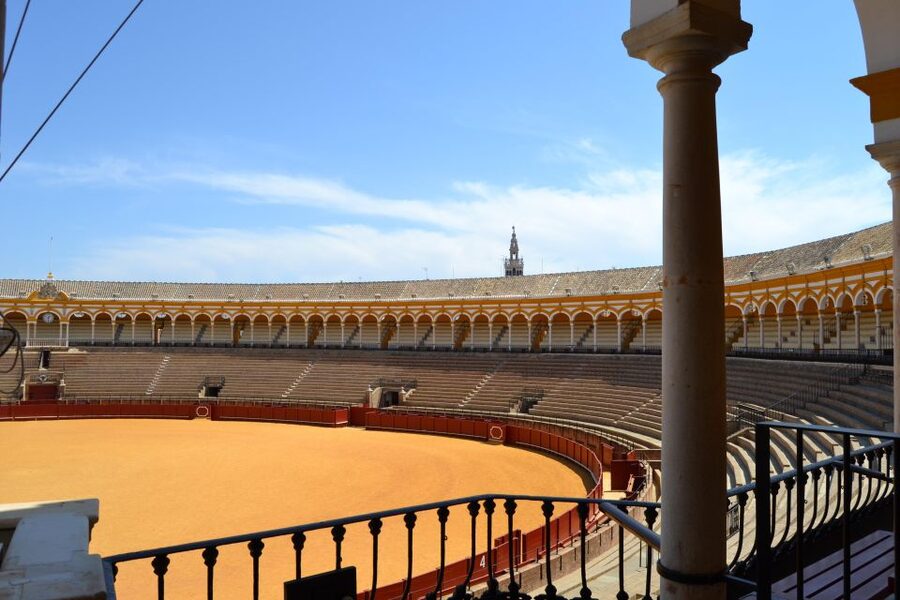
After the patio, you go to the Bullfighters’ Chapel. This is the other standout in the tour because it’s close-up and specific. You’re not peeking through a distant doorway; you’re guided to the kind of place that feels personal compared with the size of the arena.
This stop works well even if you’re not deeply invested in bullfighting culture. The chapel reads like a pause in the ritual. It helps you see that tradition isn’t only about the main event. It includes the beliefs and symbols that people attach to it.
From the feedback, a big theme is that guides tend to share interesting points and do it with real kindness. That combination matters here. In a place like this, tone can make or break the experience, and a respectful, guided approach helps you learn without feeling rushed or overwhelmed.
Walking the bullfighters’ route across the ring
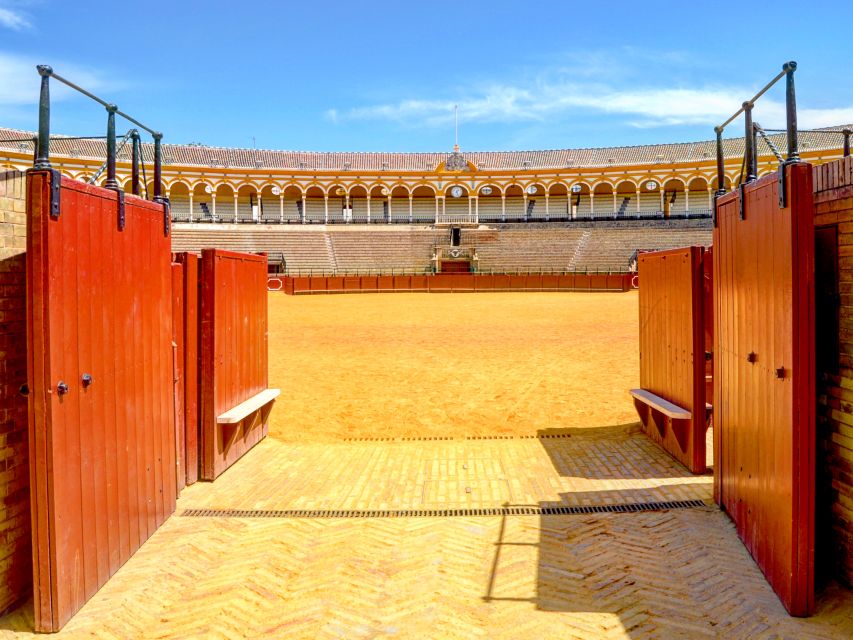
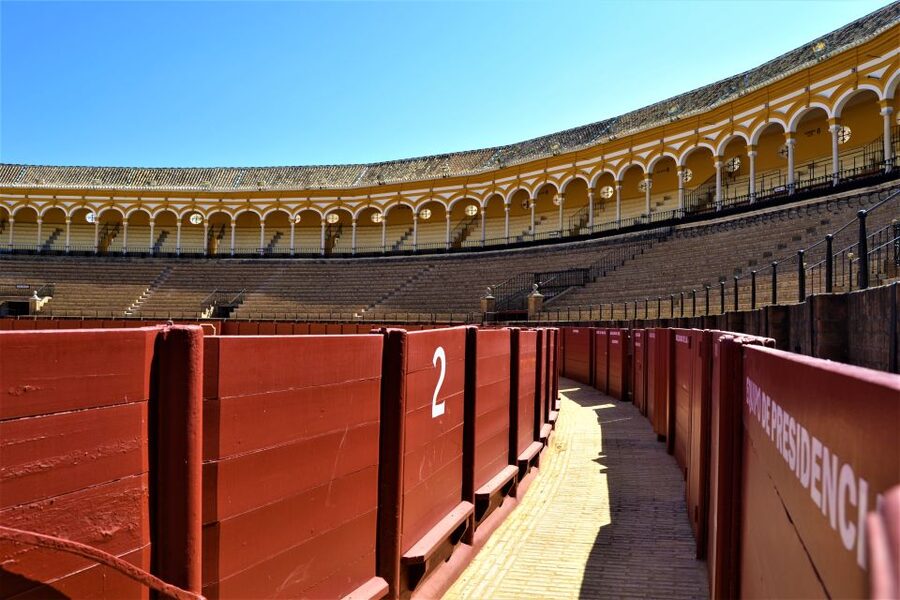
The tour’s final “wow” moment is walking through the main bullring square along the route bullfighters used before their event. This isn’t just a photo stop. You’re moving through the kind of path that gives the arena its meaning.
Walking this route helps you understand scale and sightlines. You also start noticing how the space directs attention. Even in just one hour, you can feel the difference between standing outside the building and being inside it, where the arena geometry amplifies the idea of occasion.
You may also notice how the tour’s structure makes sense: museum context first, then backstage-like spaces (patio and chapel), then the main square. That order gives you a storyline. Without it, you’d likely treat the bullring as a single big attraction. With it, you experience it as a sequence of moments.
Bad weather can affect access to the ring floor. If the weather turns, be ready for changes. The tour info specifically flags that ring-floor access may not be possible when conditions are poor, so don’t plan tight photo timelines for the same hour unless you can flex.
How the 1-hour format works for real schedules
This is a 1-hour guided walking group tour. That duration is both a strength and a limitation.
The strength: you get the key hits without exhausting yourself. The itinerary is concentrated—façade area to museum, then Patio de Caballos, Bullfighters’ Chapel, and the ring route. In one hour, you’re not waiting around for long segments. You’re learning while moving.
The limitation: if you want deep museum time or long photo sessions in every corner, you might wish you had more. It’s a “see and understand the essentials” tour. Think of it as the bullring version of a best-of walk, not a slow, self-paced deep study.
If you’re visiting Seville with multiple priorities—cathedral, neighborhoods, food stops—this works because it respects your time and keeps the experience structured.
Price and value: what $33 buys you
At about $33 per person, this tour is priced like a focused guided experience. And the value is clearer than it first looks.
Why: the entrance ticket to the Plaza de Toros is included, and you also get a live Spanish-speaking guide. That combination matters because bullring entry can be a separate purchase, and museum explanations are what transform architecture into understanding.
What you don’t get: food and drinks, and there’s no hotel pickup or drop-off. So you’ll want to pair it with your normal meal plan and handle getting there on your own. Even so, for a one-hour guided entry into a top-tier landmark, the package feels fair—especially if you want the Patio de Caballos and Bullfighters’ Chapel stops rather than a quick outside look.
Who should book this tour, and who might not
This tour makes the most sense if you want cultural context, not just a “stand in the arena” photo. You’ll enjoy it if you like guided historical explanations and you appreciate how architecture reflects tradition. It also fits well if you’re in Seville briefly and want a high-impact activity without taking half a day.
You might reconsider if you know you’re uncomfortable with bullfighting culture. This tour is designed to explain tradition and describe the experience through its spaces, including the museum and the bullfighters’ route. If that topic isn’t for you, the building alone may not be enough to justify the time.
If you’re traveling with family, the chapel and patio stops can be a memorable contrast—more than just the spectacle area. That said, comfortable shoes are non-negotiable for anyone who tends to tire quickly on walking routes.
Practical notes before you go
A few things help you have a smooth hour.
- Bring comfortable shoes and comfortable clothes, since it’s a walking tour.
- Keep your expectations aligned with one hour. This is not a long museum immersion.
- If weather is rough, assume ring-floor access might be limited, since the tour notes that the floor may not be accessible during bad weather.
- You’re in a group, so stay close and follow the guide’s pace.
Also, the guide is Spanish-speaking. If you only speak English, you’ll still be able to follow the structure, but you’ll get the best value from the explanations if you’re comfortable catching Spanish cues.
Should you book the Seville Plaza de Toros guided tour?
I’d book it if you want a guided route inside one of Spain’s most important bullrings, with the Patio de Caballos and Bullfighters’ Chapel as real stops, not optional side sights. The museum component is what makes this tour more than a set of landmarks—it gives you the context to understand the spaces and the pre-fight route.
I’d skip it if bullfighting as a tradition is something you’d rather not engage with at all, even from a cultural and architectural angle. Also skip it if you need lots of extra time to linger in museums, since the format is tightly timed.
If you’re aiming for value and clarity in a single hour, this one delivers: ticket included, skip-the-line entry, and a live Spanish guide who can connect what you’re seeing to what it means.
FAQ
How long is the guided tour?
The tour lasts 1 hour.
Where do I meet the group?
Meet in front of the Puerta del Príncipe de la Plaza de Toros de la Real Maestranza de Caballería de Sevilla.
Is there a Spanish-speaking guide?
Yes, the tour includes a live Spanish guide.
What’s included in the price?
The price includes an entrance ticket to the Plaza de Toros and the Spanish-speaking guide.
Does the tour skip the ticket line?
Yes, the tour includes skip-the-ticket-line entry.
What are the main places you visit inside the bullring?
You visit the bullring and the Bullfight Museum, then walk to the Patio de Caballos and the Bullfighters’ Chapel, including the route bullfighters used before their event.
Are food and drinks included?
No. Food and drinks are not included.
Is hotel pickup and drop-off included?
No. Hotel pickup and drop-off are not included.
Is the tour wheelchair accessible?
The tour is wheelchair accessible, but the floor of the ring might not be accessible during bad weather.
What should I bring?
Bring comfortable shoes and comfortable clothes.