REVIEW · AUCKLAND
Māori Cultural Experience & Auckland Museum Admission
Book on GetYourGuide →Operated by Auckland Museum - Tamaki Paenga Hira · Bookable on GetYourGuide
A haka and a museum ticket, one stop. I love the Living Taonga show for its storytelling plus the sharp skill of poi, and I love that your ticket includes Auckland Museum admission for the rest of the day. One drawback to plan around: the Māori Court & Pacific Galleries are temporarily closed for maintenance.
This is a solid 1-day option when you want Māori culture explained in a way that’s both respectful and easy to follow, without stitching together multiple tickets. You meet at Auckland War Memorial Museum in Parnell, then you get time to explore on your own.
In This Review
- Key things to know before you go
- Living Taonga at Auckland Museum: what you’re really paying for
- The show: waiata, poi, storytelling, and the haka explained
- Why the museum ticket turns it into a full-day plan
- Timing: arriving early makes the experience smoother
- Price and value: $37 for two experiences in one ticket
- What’s closed right now, and how to adjust your museum day
- Getting there from central Auckland: walk, bus, or park
- Food, bags, and the practical rules that keep things running
- Who should book this cultural performance (and who might skip it)
- Should you book the Māori Cultural Experience & Auckland Museum ticket?
- FAQ
- What does the ticket include?
- How long is the experience?
- Where do I meet for the experience?
- Are food and drinks included?
- Can I bring luggage or large bags?
- Is the Māori Cultural Experience available every day?
- What parts of the museum are currently closed?
- What are Auckland Museum opening hours?
- What languages are used for the host or greeter?
- Is the experience wheelchair accessible?
Key things to know before you go
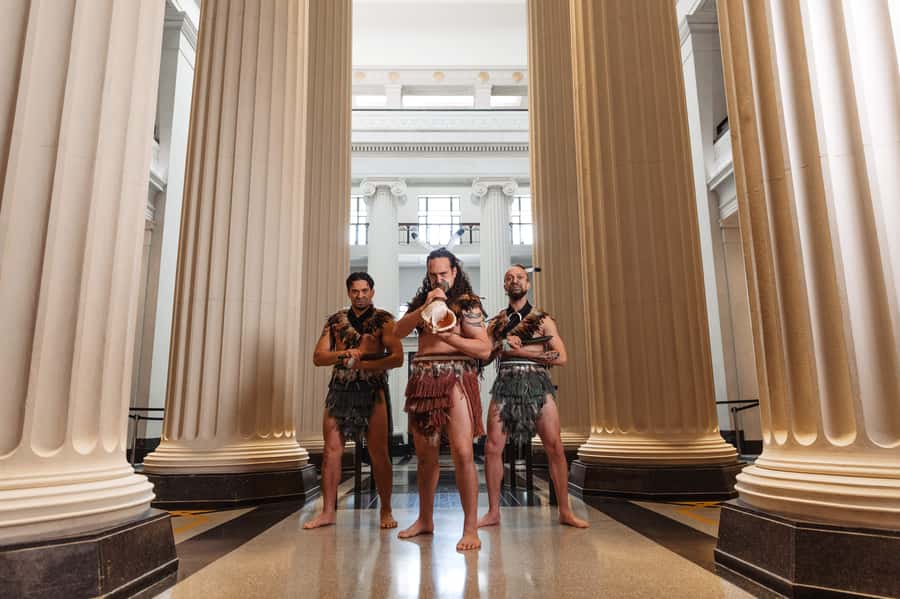
- Living Taonga performance covers waiata (songs), poi, storytelling, dance, and the meaning of the haka
- Your ticket includes general admission to Auckland Museum’s natural history and New Zealand heritage galleries
- Plan for about 30 minutes for the cultural performance, then use the rest of the day for museum time
- Māori Court & Pacific Galleries are closed while maintenance is happening
- The experience does not include food and drinks, and you can’t bring them in
- No large bags or luggage are allowed, so travel light
Living Taonga at Auckland Museum: what you’re really paying for
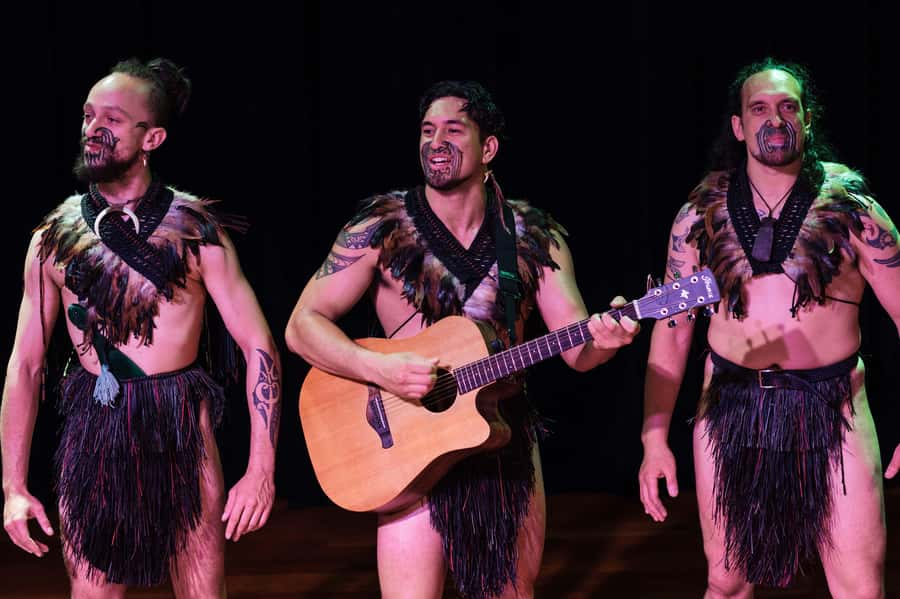
This experience pairs a live Māori cultural performance with full-day museum entry. That combination matters because the show gives you the meaning behind what you’re seeing, and the museum helps you connect it to New Zealand’s broader natural history and heritage.
At the center is Living Taonga, led by indigenous artists and orators. The goal isn’t to treat Māori culture like a museum artifact. Instead, you’re shown how it stays alive through performance, language, and identity.
If you like culture you can understand in real time, this hits the mark. If you want a quick box-ticking photo stop, it may feel like it asks more of you than you expected—mostly in a good way.
You can also read our reviews of more museum experiences in Auckland

The show: waiata, poi, storytelling, and the haka explained
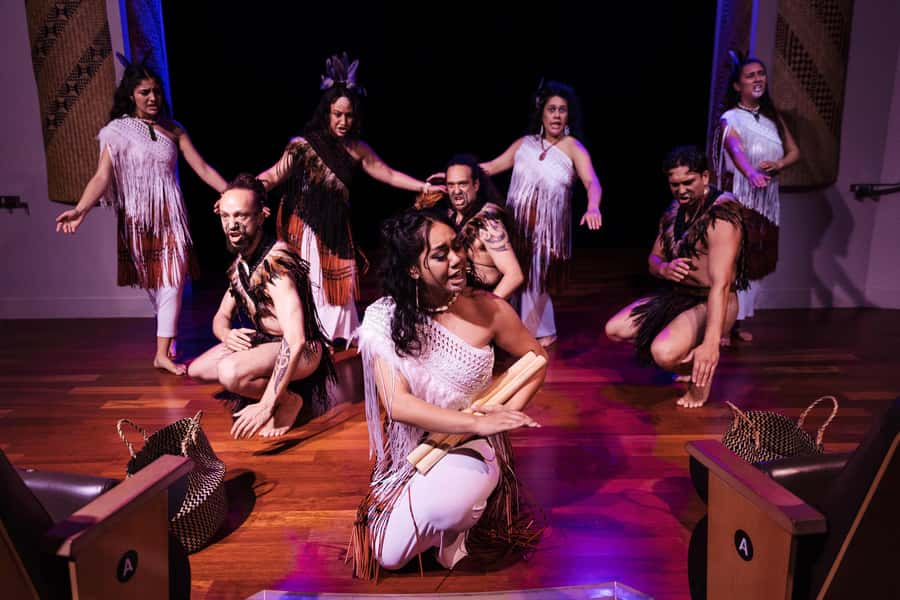
The cultural program at Auckland Museum is built around performance you can follow, even if you’re new to Māori traditions. You’ll hear waiata (traditional song), watch poi work, and see storytelling delivered through dance and spoken word.
The poi part is more than handcraft for the eyes. It’s rhythm, control, and timing—an embodied skill that shows how performance can carry knowledge. The storytelling connects the moves to context, so you’re not just watching motions.
And then there’s the big one: the haka. This experience focuses on origins and meaning, framing the haka as a commanding ritual tied to strength, unity, and identity. You’ll get the message that the haka isn’t just a sports chant—it’s cultural expression with weight behind it.
You might also notice the performers keep the tone accessible. Some segments can include humor, and there can be brief explanations that help you make sense of what’s happening. I’d go in expecting respect, but also expecting human energy.
Why the museum ticket turns it into a full-day plan
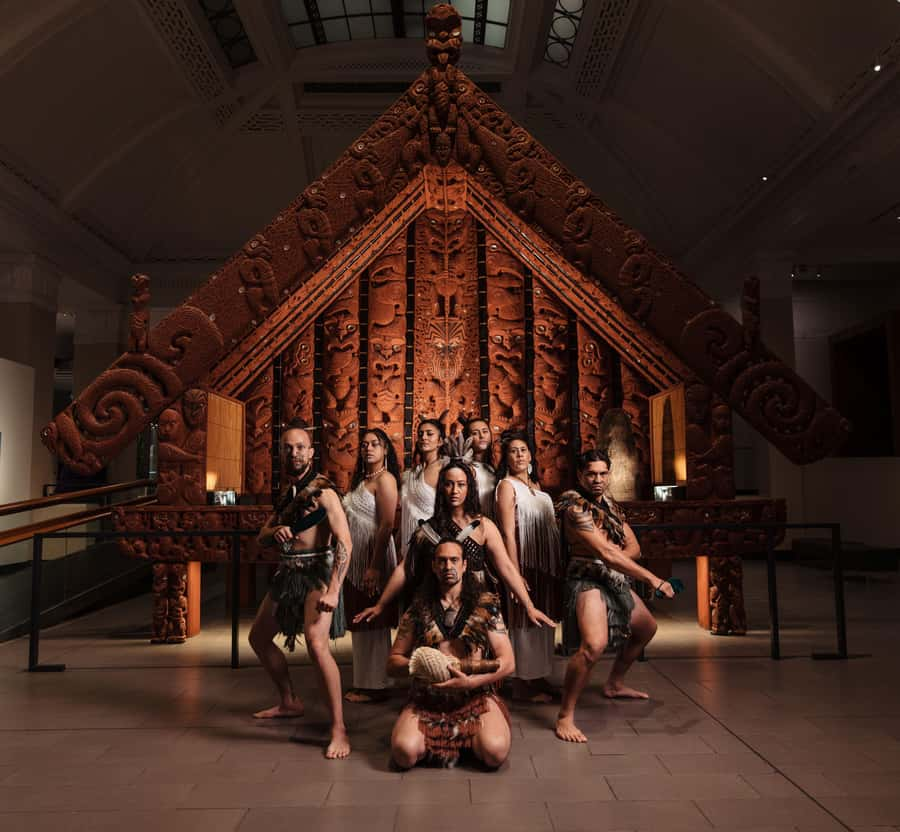
Your admission isn’t limited to a few galleries. You get all-day access to Auckland Museum, which gives you room to roam at your own pace after the performance.
Auckland Museum is a strong pick when you want a New Zealand overview in one place. You can expect world-class exhibits tied to natural history and New Zealand heritage, with Māori taonga (treasures and cultural valuables) treated as meaningful heritage rather than decoration.
This matters because Māori culture shows up in more than one “section” of a day. The performance helps you read symbols, and the museum helps you zoom out—how the country formed, what the environment looks like, and how heritage is preserved and interpreted.
A practical tip: give yourself time to slow down. A museum day goes faster than you think once you start reading labels and scanning artifacts.
Timing: arriving early makes the experience smoother
Even with a scheduled program, you’ll feel less rushed if you arrive early. I strongly recommend showing up at least 20 minutes ahead so you can settle in, find the right area, and avoid that last-minute scramble.
The performance is relatively short—about 30 minutes based on earlier show timings—so your day rhythm matters. You don’t want to lose time hunting for the entrance or figuring out where to go right before the cultural segment starts.
After the show, use the extra time intentionally. Hit the galleries that connect to what you just learned. If you’re into natural history, spend longer there. If you’re focused on heritage, prioritize those areas first.
If you’re visiting on a Tuesday, you also get a late opening window (open until 20:30). That’s great if you want museum time when the day feels cooler and calmer.
Price and value: $37 for two experiences in one ticket
At $37 per person for a 1-day package, the value mostly comes from the bundling. You’re buying both museum admission and the Māori cultural performance in one go, instead of treating them like separate add-ons.
That matters because performance-only pricing can add up. In at least one earlier booking, the museum ticket alone was around $25, and the 30-minute show was an extra charge of about $20. If you were building your own itinerary the hard way, you’d likely pay more in total.
So think of this as paying for a guided cultural explanation plus a museum day. If you were already planning to visit Auckland Museum, this program is a way to make the day feel personal and specific rather than generic.
What’s closed right now, and how to adjust your museum day
A key planning note: the Māori Court & Pacific Galleries are temporarily closed due to essential maintenance.
That means you won’t see everything you might have expected from Auckland Museum’s Māori and Pacific-focused spaces. Your best move is to shift your attention to other galleries that still cover Māori heritage and New Zealand history broadly.
Don’t let the closure ruin your day. The museum still has plenty to see, and the performance itself remains the highlight for most visitors. Just go in with flexible expectations: the show is your anchor, and the museum is your bonus.
Getting there from central Auckland: walk, bus, or park
The Auckland War Memorial Museum area is about a 30-minute walk from the city, or a 5-minute drive. Public transport also works well, so you can skip the whole parking stress if you prefer.
If you do drive, you’ll find two levels of secure car parking on site. There’s also free parking in the Auckland Domain for up to 3 hours, which can be handy if you’re combining the show with a longer museum visit.
Wear comfortable shoes. The museum experience is laid out across multiple areas, and you’ll likely wander longer than you planned—especially if you like reading.
Food, bags, and the practical rules that keep things running
This experience does not include food and drinks, and you can’t bring them in. That means you’ll want to plan meals around your museum time instead of expecting a catered break during the performance.
The museum itself has a cafe, and you can generally handle snacks there once you’re inside. The earlier experience also mentioned solid quality coffee and food options on site, which is a reassuring sign.
You should also travel light. Luggage or large bags aren’t allowed, so if you’re on a multi-stop trip, keep your museum day bag smaller and simpler.
Who should book this cultural performance (and who might skip it)
I think this booking works best for travelers who want culture with context. If you care about understanding meaning—why the haka is powerful, how poi connects to skill and rhythm, and how storytelling carries identity—this fits your style.
It also suits people who want a respectful introduction without needing to hunt down separate experiences. One ticket covers the performance, then you get time to support it with museum learning.
If you’re not into shows at all and you only want to browse at your own pace, you might find the performance time a bit fixed. In that case, you could still enjoy Auckland Museum, but this package is designed around that scheduled cultural moment.
Should you book the Māori Cultural Experience & Auckland Museum ticket?
Yes, if your goal is a first-rate, meaningful intro to Māori culture in Auckland, paired with a strong museum day. The combination is practical: you get a live explanation through Living Taonga, then you can spend the rest of the time connecting it to New Zealand’s heritage and environment.
Also, book it when you know you’ll have time to roam. Auckland Museum is big enough that “just a quick visit” turns into a longer day fast, especially once you start reading.
Before you decide, be realistic about the closure of the Māori Court & Pacific Galleries. You’re still getting the performance and plenty of museum content, but you won’t see every Māori-related gallery space you may have been hoping for.
FAQ
What does the ticket include?
Your ticket includes general admission to Auckland Museum and the Māori Cultural Experience called Living Taonga.
How long is the experience?
It’s listed as a 1-day experience, with a scheduled cultural program as part of that day.
Where do I meet for the experience?
The meeting point is Auckland War Memorial Museum, Parnell, Auckland 1010, New Zealand.
Are food and drinks included?
No. Food and drinks are not included.
Can I bring luggage or large bags?
No. Luggage or large bags are not allowed.
Is the Māori Cultural Experience available every day?
No. The cultural experience is not available on Anzac Day (25 April).
What parts of the museum are currently closed?
The Māori Court & Pacific Galleries are temporarily closed due to essential maintenance work.
What are Auckland Museum opening hours?
Weekdays are 10:00 to 17:00. Weekends, public holidays, and school holidays are 09:00 to 17:00. The museum opens late every Tuesday until 20:30 (except Christmas Day).
What languages are used for the host or greeter?
The host or greeter is available in English and Māori.
Is the experience wheelchair accessible?
Yes, it’s wheelchair accessible. Wheelchairs are available on site subject to availability and cannot be pre-booked.