REVIEW · MUSEE DE L ORANGERIE
Paris: Musée de l’Orangerie Reserved Entrance Ticket
Book on GetYourGuide →Operated by Distributor: GetYourGuide Tours & Tickets GmbH · Bookable on GetYourGuide
Monet, with less queue stress. With a reserved entrance ticket, you sidestep the long ticket-office line and start enjoying the newly redesigned museum right away, with Monet’s Water Lilies waiting in their calm, oval rooms.
I like how the renovation brings the collection together into a clearer walking route—so you’re not just seeing famous panels, you’re getting the bigger story of Impressionism and early-20th-century art. One thing to keep in mind: the museum is small, and the Water Lilies rooms can get crowded fast, especially later in the day.
In This Review
- Key things to know before you go
- Reserved entry at Musée de l’Orangerie: what you’re really buying
- Getting your bearings in the Tuileries corner by Place de la Concorde
- Monet’s Water Lilies oval rooms: how to see them without losing the moment
- The newly redesigned circuit: Water Lilies plus the École de Paris story
- Modern art beyond Monet: Mitchell, “primitives,” and familiar names
- Temporary exhibitions: a smart add-on if you pace yourself
- A realistic self-guided route (and how long it takes)
- Price and value: why a $12 reserved ticket can feel cheap
- Special entry rules you should not ignore (QR code, free days, age)
- Should you book this reserved entrance ticket?
- FAQ
- What’s the meeting point for the reserved entrance?
- How long should I plan for this visit?
- Is the museum open every day?
- What do I need to bring?
- Do I need a QR code during July 18 to July 24?
- When is entry free?
- Is this ticket refundable?
Key things to know before you go
- Saved time at the reserved entrance: show your voucher and get in without waiting in the general admission line.
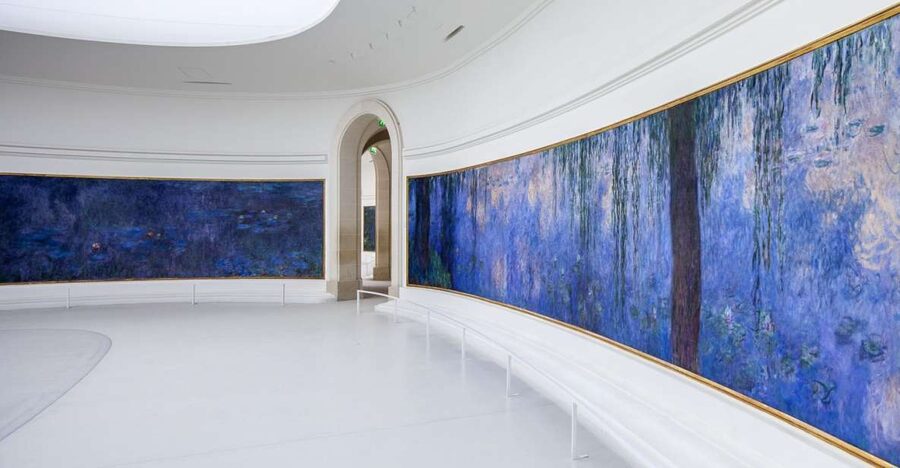
- Monet’s Water Lilies is the centerpiece: plan for the oval rooms and give yourself time to actually sit with them.
- The new layout connects two key parts of the collection: Water Lilies and the École de Paris flow together in one smarter circuit.
- You get more than a single artist: you’ll also see works by Cézanne, Matisse, Picasso, Renoir, and many more.
- Temporary exhibitions add variety: you can tack them on without needing to commit to a guided tour.
Reserved entry at Musée de l’Orangerie: what you’re really buying
For €/$12-ish, you’re not paying for a guided lecture. You’re paying for time and focus. That’s the real value here. The museum can draw big crowds, and a reserved time slot helps you avoid the most annoying part of the visit: standing around before you can even start looking.
Once you’re in, the experience is comfortably self-paced. No group herding. No marching to a schedule. If you want to linger at the biggest Monet panels, you can. If you want to speed through the side rooms, you can. The ticket is basically built for how most people actually want to see art: at your own speed.
Also, this isn’t a huge museum. Reviews and practical reality line up on this point: you can do it in around 1.5 hours if you move briskly, but 2–3 hours feels more realistic if you want to sit, read, and take in the temporary exhibition too.
Getting your bearings in the Tuileries corner by Place de la Concorde
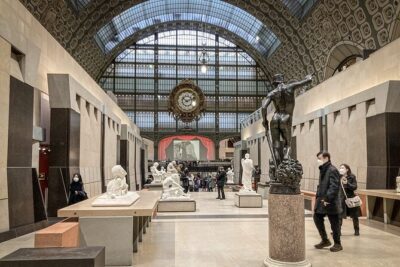
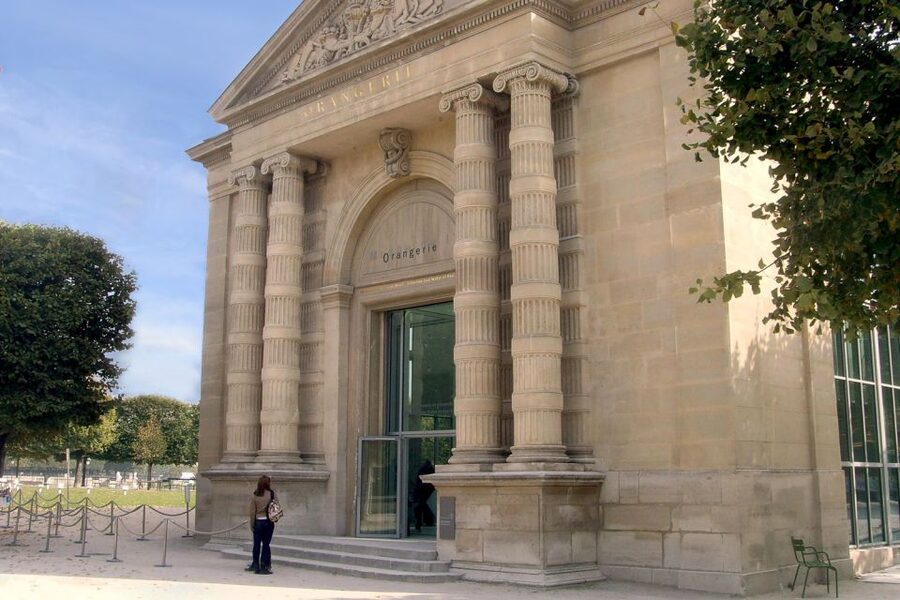
Musée de l’Orangerie sits in the west corner of the Tuileries Gardens, next to Place de la Concorde. That matters because the museum is easy to weave into a day that already includes the big central sights.
Your “meeting point” is straightforward: head to the entrance of the Musée de l’Orangerie and show your voucher. After booking, you’ll receive a GetYourGuide voucher by email. At entry, you scan the voucher at the reserved entrance. You get one voucher per person, and it has one barcode.
Practical tip: if you’re trying to keep the visit calm, arrive a little early for your time slot. Even a small head start can make a noticeable difference once lines compress and people filter into the rooms.
Monet’s Water Lilies oval rooms: how to see them without losing the moment
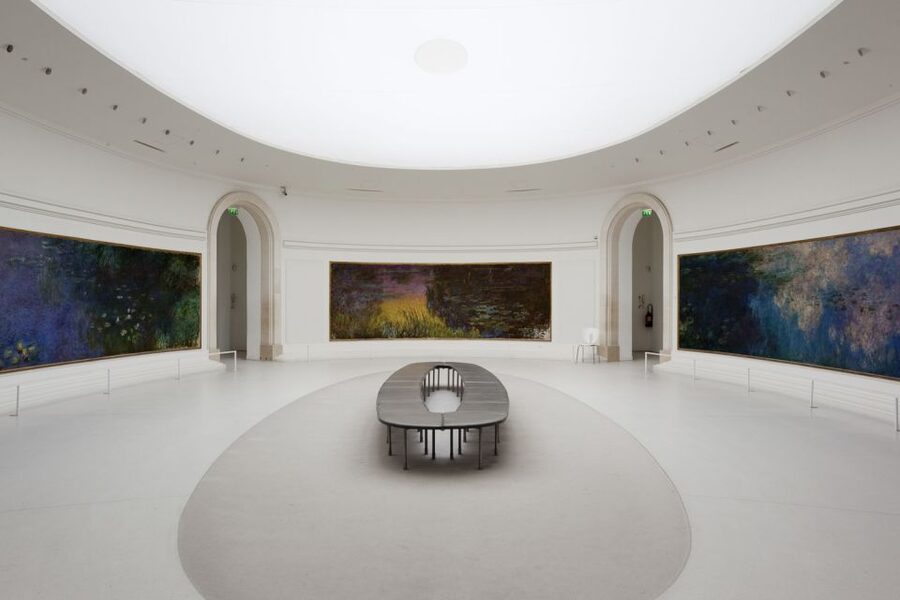
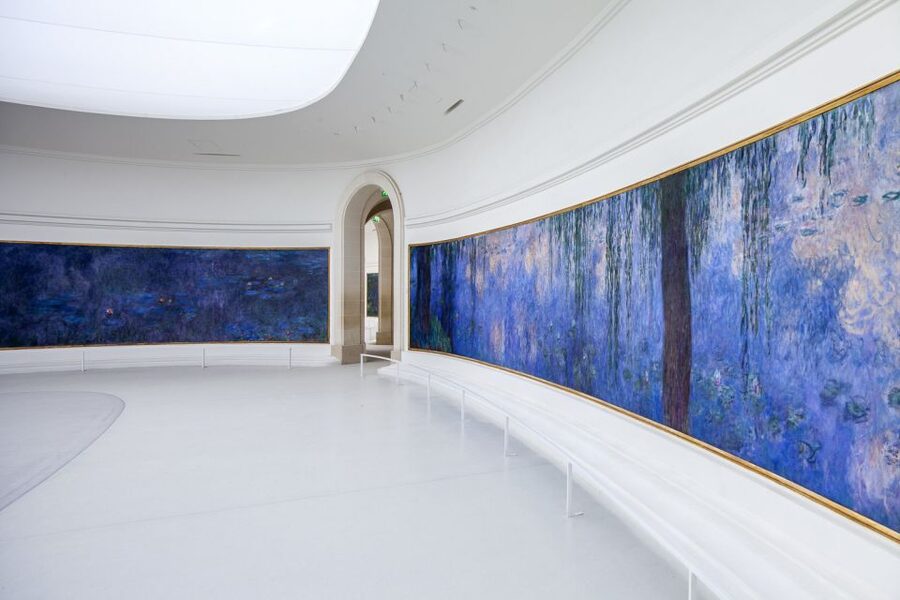
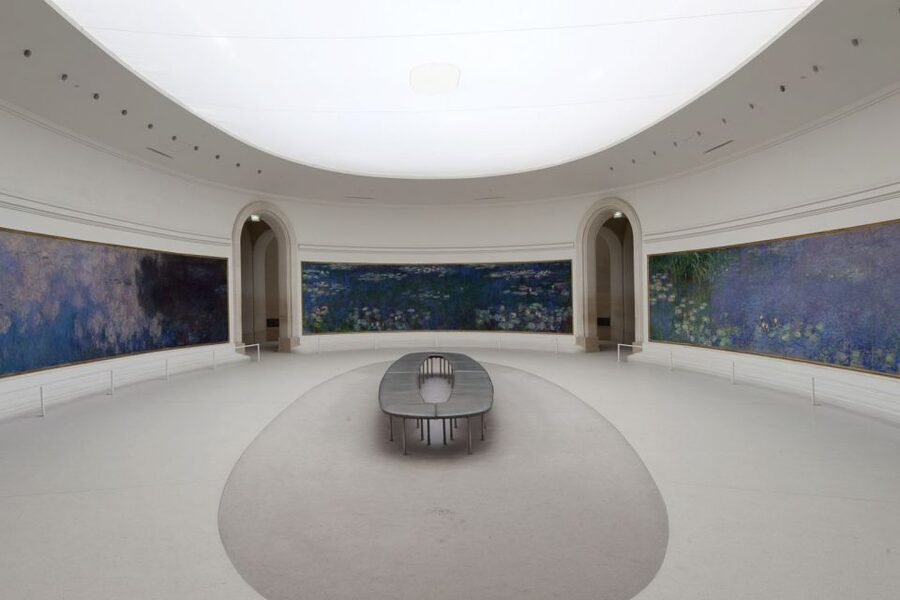
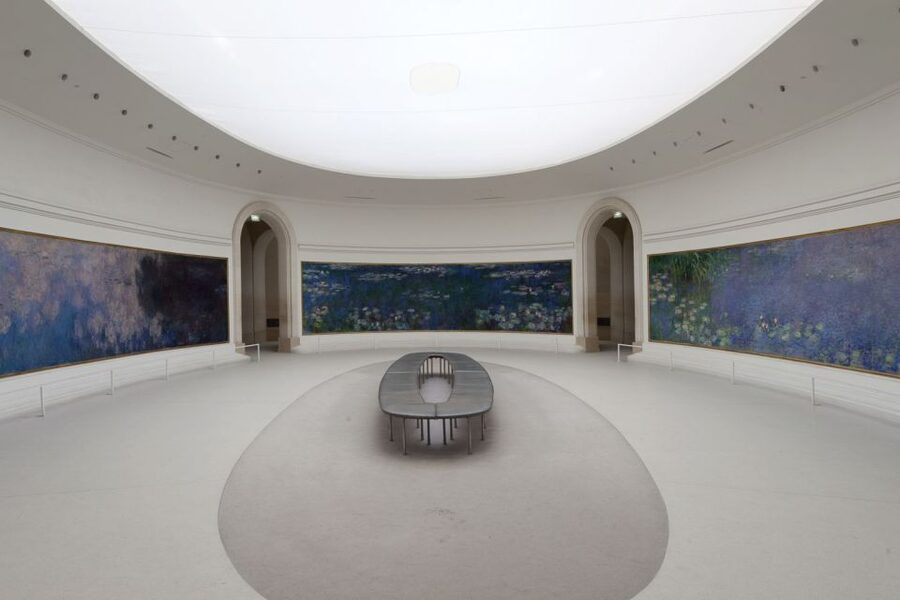
Let’s be honest: Monet is why most people come. And it’s not a small detail like a single painting on a wall. This museum is the permanent home for eight Water Lilies mural panels—and the layout is designed to make you feel surrounded by water and light.
Here’s how to get the most out of it:
- Go early if you care about quiet viewing. The Water Lilies rooms can fill up, and then you spend your time squeezing past phones and shoulder-to-shoulder poses rather than looking.
- Plan to slow down. The payoff is in the long stares—color shifts, reflections, the way the panels feel larger than you expect.
- Expect crowd flow, not empty space. Even with a timed ticket, you may still see a steady stream of people. That’s normal. What matters is when you arrive.
One detail worth taking seriously: people are asked to be silent in the Water Lily rooms. If you’re traveling with someone who struggles with quiet, this is where you’ll feel it—because staff do try to keep the space calm, and it’s awkward when voices don’t match the room’s tone. Bring yourself to “library volume,” and the whole experience gets better.
There’s also a big difference between snapping a few photos and actually reading the mood of the panels. In that second “slow” mode, you’ll start to see why people call this place relaxing even though it’s popular.
The newly redesigned circuit: Water Lilies plus the École de Paris story
What’s new (and genuinely helpful) is the way the museum now connects two major sides of its collection: the Water Lilies and the École de Paris (early-20th-century School of Paris). Instead of feeling like two separate stops, the updated layout gives you one smoother educational circuit.
This is where the experience becomes more than just Monet, because you start noticing patterns—how styles evolve, how modern art grows out of Impressionism, and how painters influenced one another.
You’ll also find monographic galleries that give a closer, more comfortable look at particular artists. That matters because in a small museum, crowding can erase details. When the layout works, you spend less time negotiating space and more time seeing brushwork and composition.
If you’re the type who likes to understand what you’re seeing, this is one of the places where you’ll feel your effort pay off. Even if you’re not a museum expert, the route helps you connect dots you might miss in a faster walk-through.
Modern art beyond Monet: Mitchell, “primitives,” and familiar names
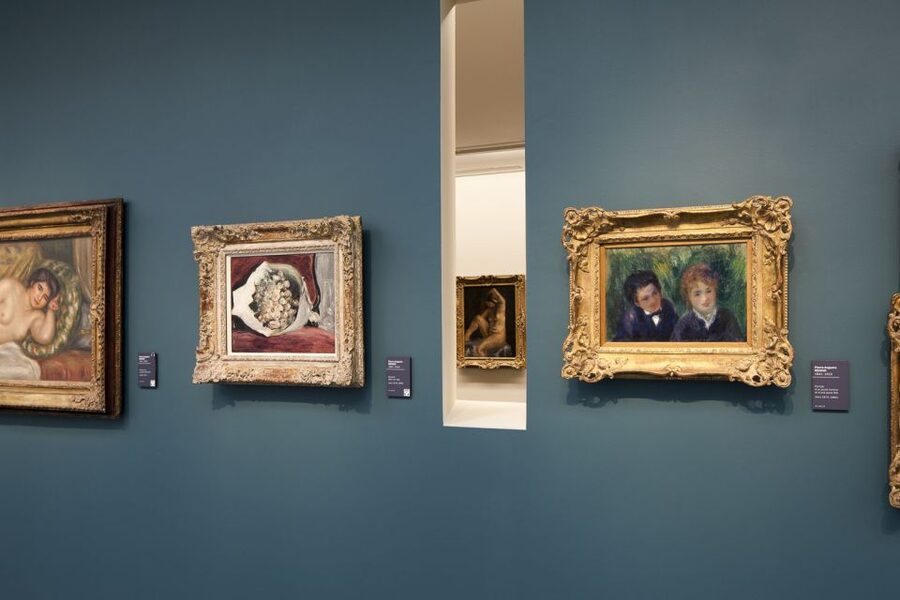
Yes, Monet is the main event. But the museum is also a strong grab bag of major moderns and early modern voices.
At the entrance to the collection, look for large polyptychs by Joan Mitchell (loaned from the Musée national d’Art moderne). That’s a great way to reset your eyes before you move into the more iconic rooms—Mitchell’s scale and energy make you look at the rest of the show differently.
Then keep an eye out for large-scale works by the modern “primitives,” including artists like Picasso, Henri Rousseau (the Douanier Rousseau), André Derain, Amedeo Modigliani, and Henri Matisse. You also have the chance to see works by a long list of artists, including Paul Cézanne, Henri Rousseau, Alfred Sisley, Chaim Soutine, and Maurice Utrillo, among others.
The practical takeaway: you’re not locked into one style. You’re seeing how many artists of different temperaments and methods shaped the turn toward modern art. If you like variety—but still want a coherent museum experience—this works.
Temporary exhibitions: a smart add-on if you pace yourself
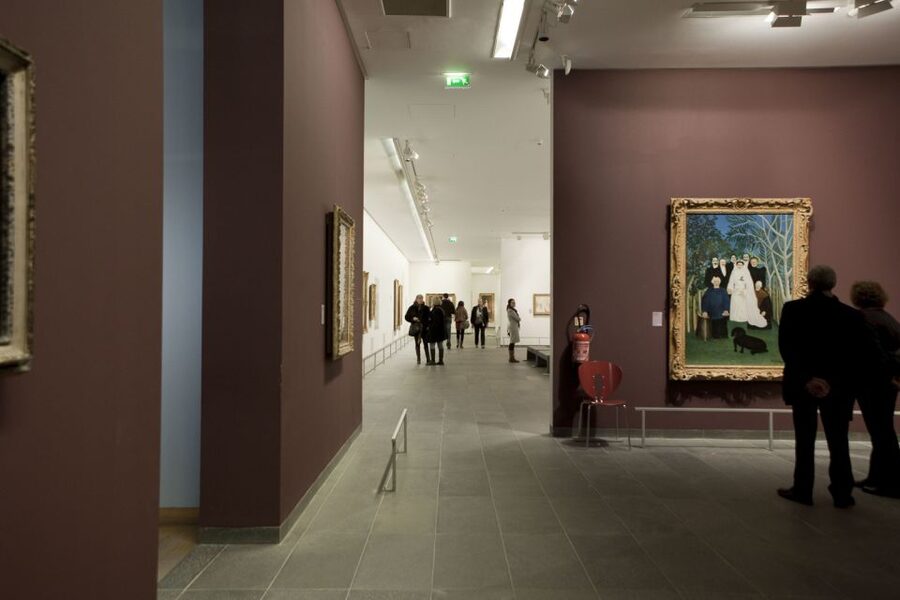
Besides the permanent collection, you also get temporary exhibitions. The upside is that you’re not stuck with only the permanent galleries, which helps if you want a bit more “new” content in your day.
The downside is simple: temporary exhibitions can become crowded too, and if you spend too long in one section, you can lose time for the Water Lilies rooms. So the best strategy is to set priorities:
- Monet first, especially if you’re aiming for a calmer viewing window.
- Then do the main collection circuit while energy is still high.
- Add temporary rooms once you’ve seen what you came for.
If you’re the type who likes to read labels, this museum rewards you. If you don’t, you can still have a great visit—just keep your route efficient so you don’t end up rushing at the end.
A realistic self-guided route (and how long it takes)
Here’s a simple plan that fits the way this museum is built:
- Start with the entrance galleries
Begin where the museum wants you to begin—toward the large works like Joan Mitchell and the early-modern rooms. This gives you a baseline for scale and style before you hit the Water Lilies.
- Head to the Water Lilies oval rooms
If you’re sensitive to crowds, this is the part you do earliest. Plan time to sit. This isn’t a “walk past fast” stop.
- Continue through the connected École de Paris areas
Let the new layout guide you through the story. You’ll likely notice themes more clearly once Monet is already in your head.
- Finish with temporary exhibitions
Keep this flexible. If the special exhibit is busy, you can shorten the visit and still feel satisfied.
Timing-wise, I’d plan like this:
- 1.5 hours: possible if you move briskly and skip a lot of reading.
- 2–3 hours: the best balance for most people, especially if you want Monet plus the rotating content.
Optional upgrade: an audio guide can be rented on site for 5 Euros. If you like context, it’s a good match for this museum because the collection asks you to connect artists and movements, not just look at single images.
Price and value: why a $12 reserved ticket can feel cheap
At about $12 per person, the ticket price makes sense because you’re buying a specific kind of convenience: fewer delays before you start looking. When general entry lines get long, every minute outside the museum becomes a tax on your energy.
Value hits hardest if:
- you’re visiting on a busy day (and Paris always has busy days),
- you want time to sit in the Water Lilies rooms,
- you don’t want the day’s schedule to depend on ticket-office timing.
Also, this is the kind of museum where “being tired” is the enemy. The building design supports long looking, and the rooms are set up so you can pause. That makes the ticket feel like it supports the actual experience, not just access.
One more note: the museum is closed on Tuesdays. Plan around that, and you’ll avoid a wasted trip and the scramble that comes with it.
Special entry rules you should not ignore (QR code, free days, age)
A few access rules can change your experience, depending on when you go.
- July 18 to July 24: you’ll need a QR code for the access zone. The QR code may take at least 8 working days to be issued, so don’t treat it as last-minute homework.
- First Sunday of the month: the museum is free for everyone.
- Under 18 and EU residents under 26: entry is free with a valid ID, but you still must book a time slot. Booking is free of charge when you provide a supporting document justifying free entry.
- After booking: you receive the voucher email and should scan it at the reserved entrance.
Don’t forget what to bring: bring a passport or ID card.
Should you book this reserved entrance ticket?
If your goal is to see Monet’s Water Lilies without spending half your trip stuck in lines, I’d book it. The reserved entrance is the difference between a smooth start and a slow, frustrating one.
You might skip it only if you’re going at an extremely calm time and you’re okay gambling on wait times—but that’s rarely the fun way to plan Paris. This museum is small, and your best experience comes from arriving ready to look, not arriving hungry for a ticket booth miracle.
In short: reserve your entry, arrive early, prioritize the Water Lilies room, and then let the rest of the collection (plus the temporary exhibit) unfold at a comfortable pace.
FAQ
What’s the meeting point for the reserved entrance?
Head to the entrance of the Musée de l’Orangerie and show your voucher. You’ll scan your GetYourGuide voucher at the reserved entrance.
How long should I plan for this visit?
The activity is valid for 1 day. In practice, you can do the museum in about 1.5 hours if you move quickly, or plan around 2–3 hours if you want to linger.
Is the museum open every day?
No. The museum is closed on Tuesdays.
What do I need to bring?
Bring a passport or ID card.
Do I need a QR code during July 18 to July 24?
Yes. During July 18–24, access requires downloading a QR code for the zone. It may take at least 8 working days to be issued.
When is entry free?
The museum is free for everyone on the first Sunday of the month. Also, persons under 18 and EU residents under 26 can enter free with a valid ID, but you must book a time slot.
Is this ticket refundable?
No. This activity is non-refundable.