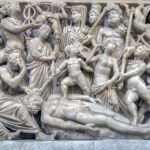
REVIEW · NAPLES NATIONAL ARCHAEOLOGICAL MUSEUM
Naples: National Archaeological Museum of Naples Guided Tour
Book on GetYourGuide →Operated by Askos Tours · Bookable on GetYourGuide
A giant museum can feel intimidating fast, but this 2-hour guided walk makes it doable. You’ll see the standouts tied to Pompeii and Herculaneum, then connect them to the art and myths that shaped Roman Naples. It’s a practical way to turn a hall full of objects into a story you can actually follow.
I love two things most: the chance to focus on the Farnese Collection first, and the way your guide points out details you’d likely miss on your own, especially in the Pompeii-and-Herculaneum mosaics and wall paintings.
The only drawback is time. The museum is huge, so this tour is a highlights route, not a full museum walkthrough—comfortable shoes help, because you’ll be on your feet for most of the 2 hours.
In This Review
- Key moments that make this tour worth it
- Where the tour starts: the ticket office and a clear first step
- A 2-hour guided walk through a huge museum without getting lost
- Farnese Collection: sculptural power you’ll want to see up close
- Pompeii and Herculaneum art: frescoes and mosaics tied to Vesuvius
- Greek and Roman gods in the corridors: a mythology shortcut
- How to think about value: entry included, guide included, time protected
- Pairing this with Pompeii and Herculaneum trips: do it to sharpen your perspective
- Practical logistics that affect your comfort
- Should you book this Naples museum guided tour?
- FAQ
- How long is the Naples National Archaeological Museum guided tour?
- Is skip-the-line entry included?
- Where do I meet the guide?
- What’s included in the price?
- What is not included?
- What language is the tour offered in?
- Is the museum tour suitable for people with mobility impairments or wheelchair users?
- Are there luggage or stroller restrictions?
- How much does the tour cost?
Key moments that make this tour worth it
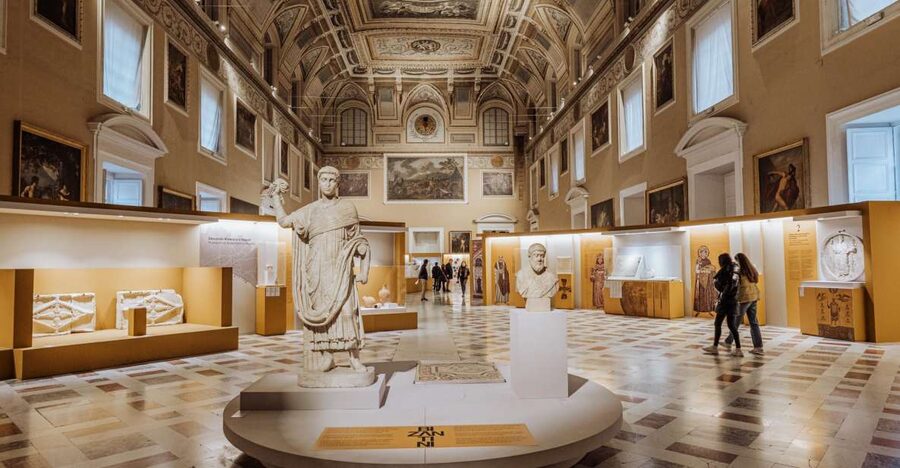
- Skip-the-line entry so you start seeing important pieces faster
- Farnese Collection highlights like Hercules and the Toro Farnese
- Pompeii and Herculaneum art: frescoes plus mosaics tied to Mount Vesuvius
- Hallway sculpture and busts showing Greek and Roman gods and emperors
- A guide you can ask questions to, including staff who have led tours in English and Italian (names you might encounter include Nicoletta, Carmine, Sylvia, and Maria)
Where the tour starts: the ticket office and a clear first step
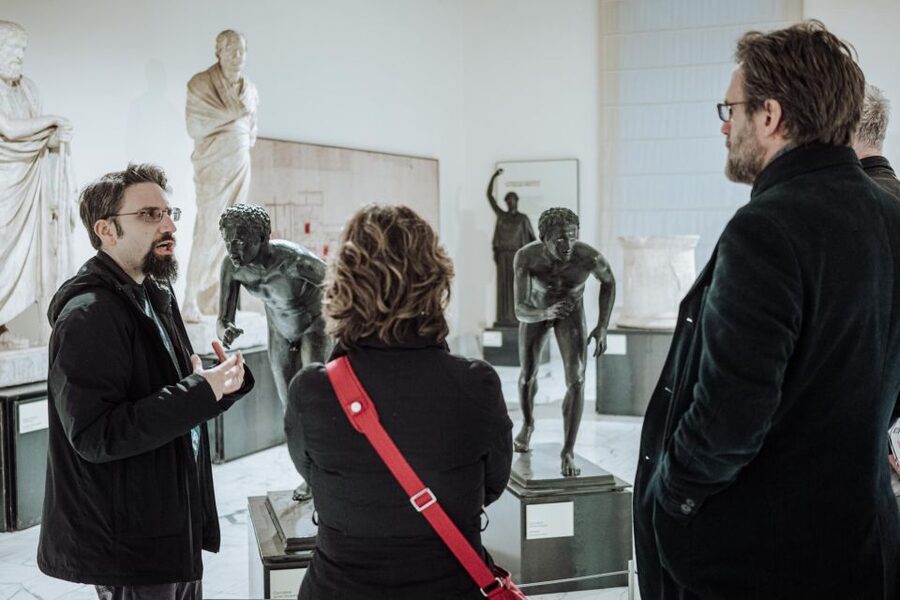
You meet outside the Museo Archeologico Nazionale di Napoli ticket office. The guide holds an ASKOS TOURS sign, so you’re not wandering around hoping you picked the right group. This matters because the museum area can get busy, and you’ll waste less energy getting organized.
From there, you’ll follow your guide into the museum and settle into a walking rhythm. Expect a structured route: the whole point is to help you see the pieces that give the biggest payoff, especially if it’s your first time in this building.
You can also read our reviews of more tours and experiences in Naples National Archaeological Museum.
A 2-hour guided walk through a huge museum without getting lost
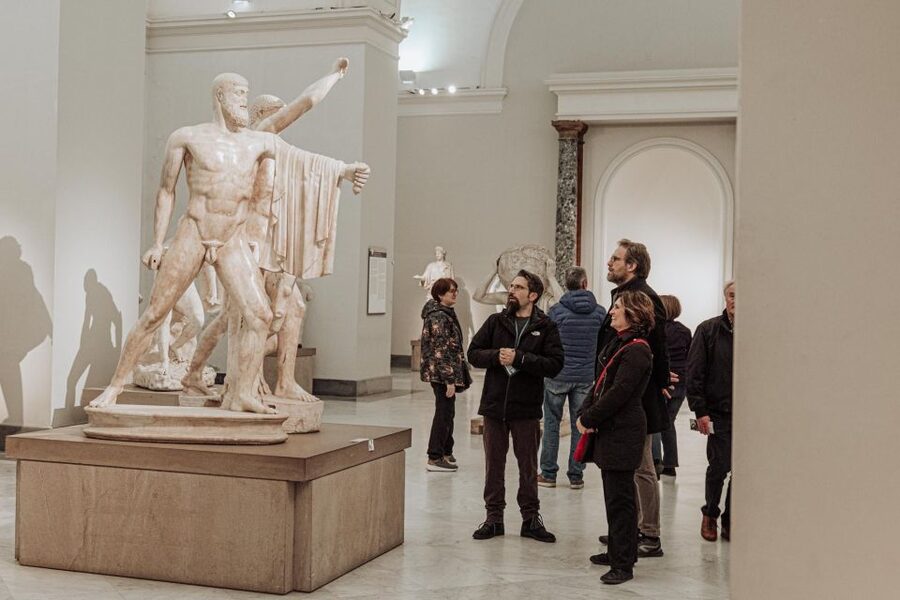
This tour is designed to cover a lot of ground in 2 hours, which is a sweet spot for a big museum. You’ll get context as you move from room to room, so the objects stop feeling like random antiques and start feeling like clues.
One thing I’d pay attention to is audio. In the experience you’re planning, one visitor described that ear pieces were provided for hearing needs, and another noted that audio quality can be a variable depending on the guide and conditions. If you’re hard of hearing, it’s smart to mention it at check-in and ask what support is available.
Also, don’t expect deep-study pacing at every stop. It’s more like a guided “best-of route” where your guide makes you see what to look for next. The payoff is that you’ll leave with a list of what you want to revisit on your own after the tour ends.
Farnese Collection: sculptural power you’ll want to see up close
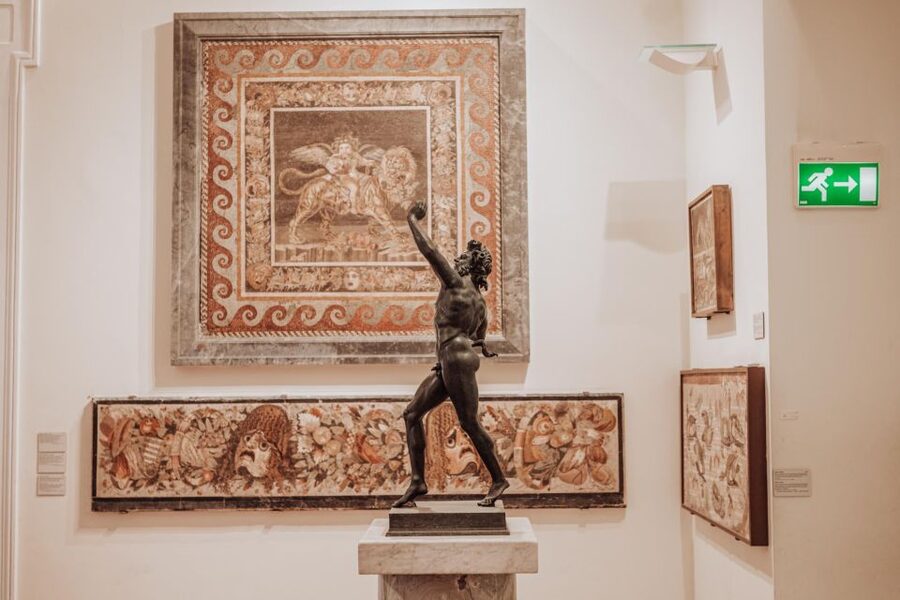
If you only have a short time in Naples’ National Archaeological Museum, the Farnese Collection is the obvious anchor. Your guide brings you to the sculpture highlights known for their scale and reputation, including famous works like Hercules and the Toro Farnese.
What makes this part of the tour so useful is not just the artworks themselves, but how the guide frames why they matter. You’re not only looking; you’re learning the visual logic behind Roman taste, Greek myth, and the way collectors shaped what ended up displayed.
A practical tip: take a minute before you rush to photos. These sculptures reward slow looking—your guide will point to specific elements, and once you know what to spot, you’ll notice more with each glance. It’s the kind of room where a good guide can turn a quick stop into a lasting memory.
Pompeii and Herculaneum art: frescoes and mosaics tied to Vesuvius
The museum shines when you connect art to the tragedy and detail of Campania’s ancient life. This tour highlights frescoes and mosaics linked to Pompeii and Herculaneum, including mosaics that survived the eruption of Mount Vesuvius in 79 AD.
The Vesuvius connection is where your brain suddenly makes sense of the museum. Without that context, you might just see decorative floors and wall paintings. With it, the same images feel like evidence: everyday life, belief, and style frozen in time.
One small heads-up: even when a masterpiece is partially under restoration, it can still be worth seeing in person because restoration doesn’t erase the historical importance—it just adds another layer of how we study the past. If you’re an art-and-archaeology person, this part of the tour usually lands big.
Greek and Roman gods in the corridors: a mythology shortcut
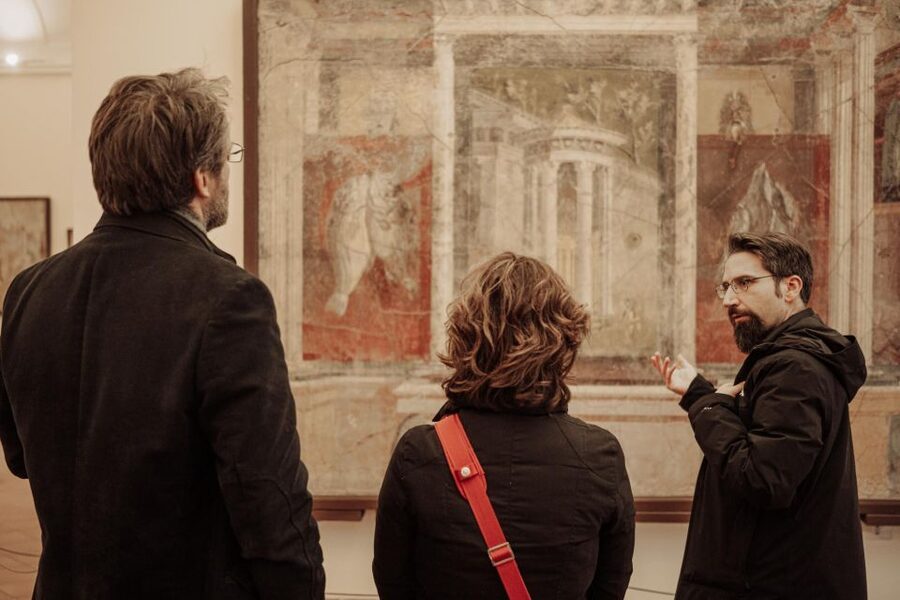
Between the major galleries, the museum is full of smaller moments—busts, portraits, and figures in corridors that set the mood. This tour includes time walking through areas decorated with busts of Roman and Greek gods and figures, which works like a mythology shortcut.
Your guide helps you interpret what you’re seeing. Instead of staring at faces with complicated hairstyles and titles you can’t place, you’ll hear how the symbols connect to wider Roman culture. If you enjoy myth, this section can be surprisingly fun because it’s where names, stories, and politics overlap.
You may also encounter related materials that support the main art highlights, like coins and other classroom-ready evidence of daily life. It’s not only “pretty objects,” it’s the practical stuff that makes the big stories believable.
How to think about value: entry included, guide included, time protected
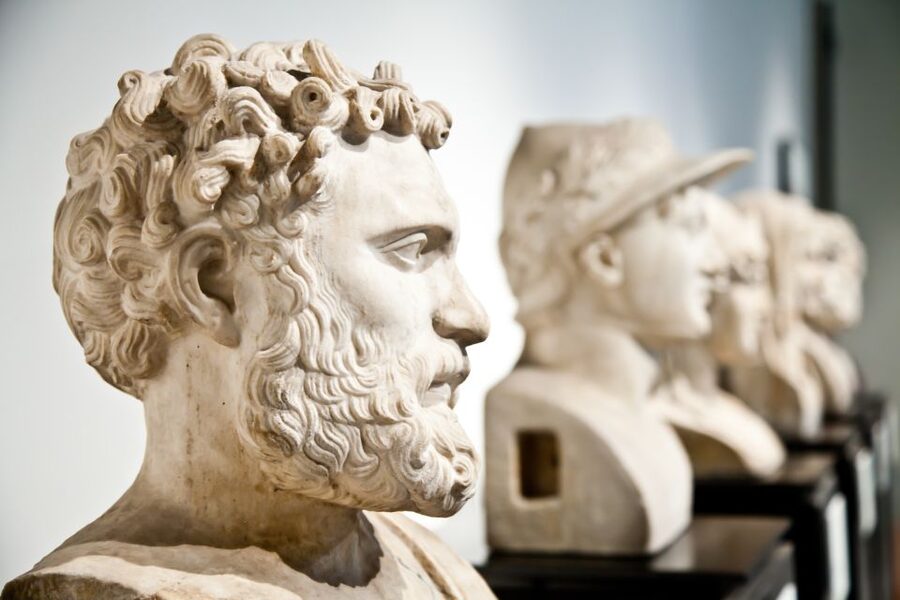
The price you’ll pay is $52 per person for a 2-hour tour, and the museum entry is included in the package (20.00 euros for adults, 2.00 euros for reduced EU citizens ages 18–25, according to the tour details). That’s the key point: you’re paying for more than access—you’re paying for a guide to point out what matters and help you understand it fast.
You also get guidance through a museum that is large enough to intimidate people who love history but want to avoid hours of aimless wandering. That time protection is the real value. If you show up without a plan, you might walk past the pieces you care about most, especially the Farnese sculptures.
Is it cheaper than DIY entry? Sometimes, depending on how you buy tickets and how much you value time. But the guided structure is what turns a “ticket” into a “route,” and a route is what makes a short trip to Naples feel satisfying.
Pairing this with Pompeii and Herculaneum trips: do it to sharpen your perspective
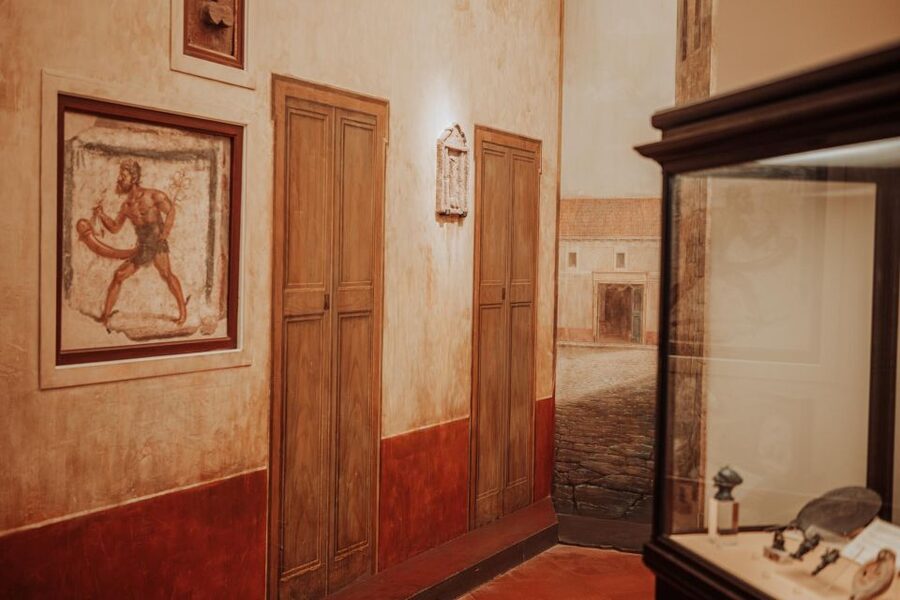
This tour works best when it’s connected to your plan for Pompeii and Herculaneum. If you’re visiting those sites, this museum is the perfect follow-up because it helps you interpret the art style and the myth-and-life themes you’ll recognize outside.
If you go first, it also helps. You’ll arrive at Pompeii or Herculaneum already knowing what to look for, so you’re not just viewing ruins—you’re reading them. Either order can work, but your guide can help reinforce whatever direction you’re taking.
One useful strategy: after your museum tour, pick one or two themes to “carry” into Pompeii/Herculaneum—like how mosaics and frescoes reflect social life, or how myth shows up in everyday imagery. Then you’ll start making connections yourself instead of relying only on interpretation on-site.
Practical logistics that affect your comfort
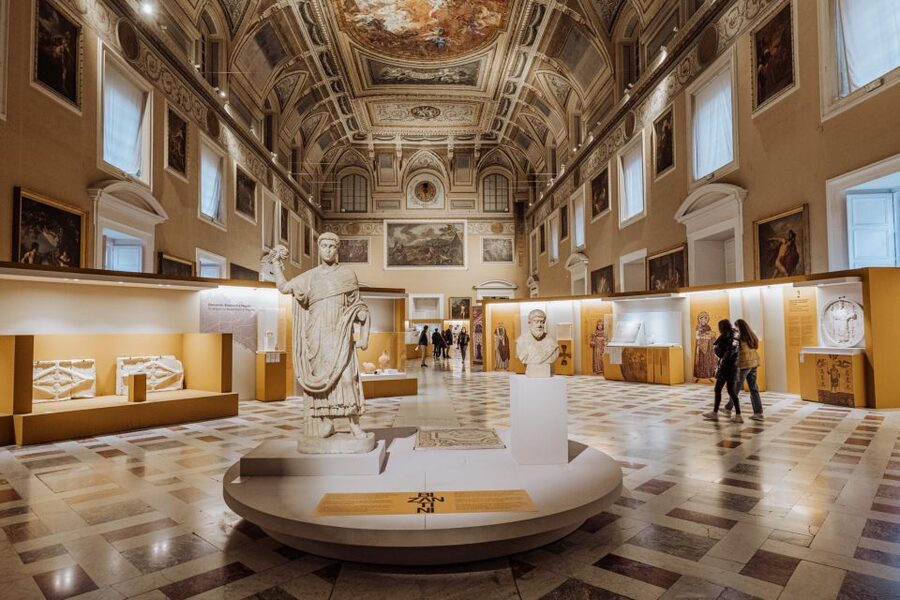
The tour is a guided walking tour, and your pace will be active. That means shoes you can stand in matter. It’s also worth noting the constraints listed for the experience: oversize luggage, baby strollers, large bags, and non-folding wheelchairs aren’t allowed. If you’re traveling light, you’ll have an easier time moving through the museum.
Group size isn’t stated in the tour details you provided, but the reviews describe smooth movement even in a large museum. If you want to ask lots of questions, this is a good setup, because the format is not just a lecture from the front.
Also, plan for the fact that you won’t see everything. One review wished there were more moments to rest, which is fair in a place built for long viewing. If you tend to tire quickly, do your sightseeing in short bursts and use your post-tour time to return to what you loved most.
Should you book this Naples museum guided tour?
Book it if you want the fastest path to the museum’s top art, especially the Farnese Collection and the Pompeii/Herculaneum frescoes and mosaics tied to 79 AD. It’s also a strong choice if you like asking questions, because the format is built for interaction rather than silent listening.
Skip (or at least reconsider) if you’re the type who wants to wander every floor completely, unhurried. This tour is a highlights route in 2 hours, so you’ll still want extra time on your own if you’re the slow-and-thorough museum type.
If you’re deciding between doing this and spending that time elsewhere, I’d think about one thing: with this tour, you leave with understanding. With a DIY visit, you might leave with photos—but not always the “why” behind what you saw.
FAQ
How long is the Naples National Archaeological Museum guided tour?
The guided tour lasts 2 hours.
Is skip-the-line entry included?
Yes. The tour includes skip-the-line access to the museum.
Where do I meet the guide?
Meet outside the ticket office of the Archaeological Museum of Naples. The guide will be holding an ASKOS TOURS sign.
What’s included in the price?
Included are the tour, an archaeologist guide, and entry to the Archaeological Museum of Naples.
What is not included?
Transportation and food and drinks are not included.
What language is the tour offered in?
The live guide speaks English and Italian.
Is the museum tour suitable for people with mobility impairments or wheelchair users?
No. It is listed as not suitable for people with mobility impairments and wheelchair users.
Are there luggage or stroller restrictions?
Yes. Oversize luggage, baby strollers, and large bags are not allowed, along with non-folding wheelchairs and electric wheelchairs.
How much does the tour cost?
The price is listed as $52 per person.