REVIEW · HELSINKI
Helsinki: Paradox Museum Entry Ticket
Book on GetYourGuide →Operated by Paradox Museum Helsinki · Bookable on GetYourGuide
Reality feels optional here. Paradox Museum Helsinki turns your eyes and your balance into the main characters, with room-size exhibits that toy with optical illusions and your sense of direction.
I especially like the Infinity Room setup, because it turns simple mirrors into a full-on visual puzzle you can’t solve the usual way. I also like the Zero Gravity Room, where the experience is fun and silly without being childish.
One possible drawback: if you hate waiting for your turn inside popular photo spots, plan some patience into your visit.
In This Review
- Key things to know before you go
- Paradox Museum Helsinki: what makes it fun (and not just weird)
- Infinity Room: the mirrors that make time feel longer
- Zero Gravity Room: astronaut-fun with real body awareness
- Paradox Sofa: the brain-disconnect moments
- Paradox Tunnel: when walking straight feels wrong
- How much time to plan in Helsinki
- Price and value: is $27 worth it?
- Who should book this museum ticket
- Quick FAQ for Paradox Museum Helsinki tickets
- FAQ
- How long will it take to visit Paradox Museum Helsinki?
- Is entry to Paradox Museum Helsinki included?
- Is there a guided tour included?
- Is the museum wheelchair accessible?
- Can I take photos inside?
- What is the cancellation policy?
- Should you book Paradox Museum Helsinki?
Key things to know before you go

- Infinity Room: Mirror geometry creates endless reflections that feel longer than the room itself
- Zero Gravity Room: Motion and perspective tricks can make you feel like you’re floating
- Paradox Tunnel: A walkthrough that messes with how straight-ahead walking feels
- Interactive for all ages: Made for kids, teens, and adults who want to play with perception
- Photography is encouraged: Just stay aware of other visitors as you pose and experiment
- About 60 minutes: Enough time to try the exhibits without turning it into a whole day
Paradox Museum Helsinki: what makes it fun (and not just weird)

Paradox Museum Helsinki is the kind of place where your brain keeps asking, wait… that doesn’t line up. You’re not just staring at paintings or reading explanations. You’re inside the illusion, and your body becomes part of the experiment.
The best part is how fast it shifts your mood. You walk in expecting a museum. Then the exhibits start pressing on your assumptions: about space, balance, gravity, and even what your eyes say is happening versus what your feet insist is true. It’s a rare mix of clever design and easy play.
At roughly 60 minutes, it’s also a practical stop. You don’t need a half-day plan, and it fits naturally into a Helsinki itinerary without turning your schedule into a puzzle box.
A few more Helsinki tours and experiences worth a look

Infinity Room: the mirrors that make time feel longer
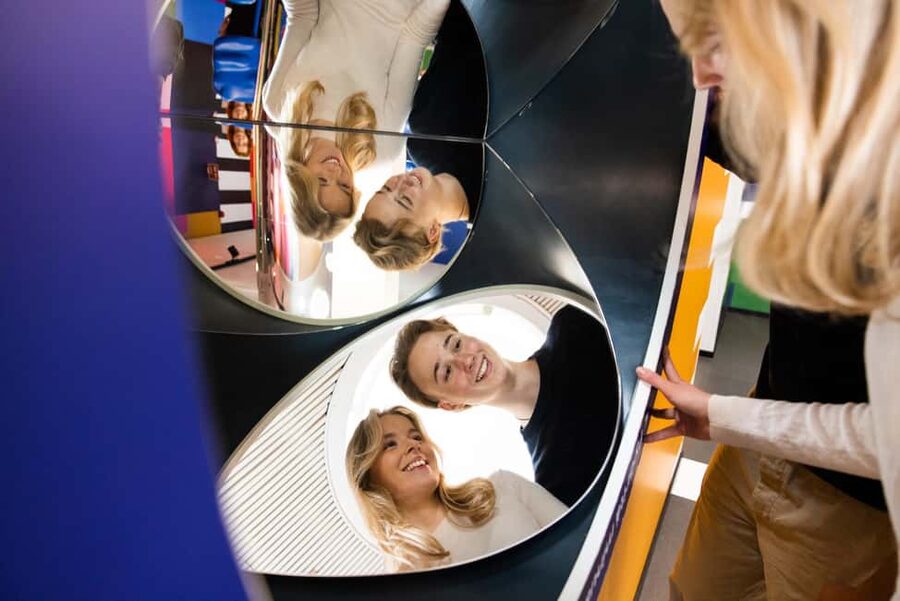
If you only remember one space, make it the Infinity Room. This exhibit is built around reflections that appear to stretch away forever, so you step into a corridor of repeated images. The effect is strong even when you understand the trick.
What I like about this room is how it gives you two ways to enjoy it. First, you get the visual impact right away—endless-looking depth that feels bigger than the actual space. Second, you get to experiment with how you stand and move. Tiny changes in your position can make the mirrored pattern behave differently, which keeps it from feeling like a one-second photo stop.
Photography works well here, and it’s easy to lose track of time because you’ll keep trying new angles. Just keep an eye on people waiting behind you. This is one of those places where being thoughtful actually improves the experience for everyone.
A small consideration: because it’s a visual illusion, you may find yourself leaning in close for photos. Try to keep the pace moving so you’re not blocking others while you test poses.
Zero Gravity Room: astronaut-fun with real body awareness
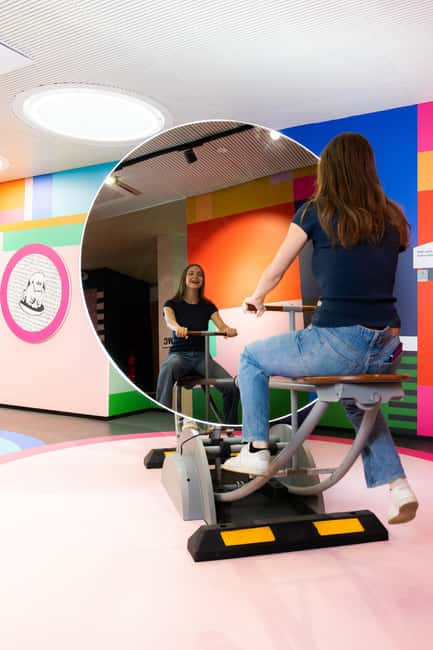
Next up is the Zero Gravity Room, which leans into the sci-fi idea: what would it feel like if gravity didn’t follow the rules? The space is designed so your usual physical cues don’t fully match what your body expects.
For me, the fun is in the mismatch. You don’t need to be a physics person to enjoy it. You just need to be willing to try the poses and moves it suggests, even if you’re laughing at yourself while you do.
This room is also a good “reset” after the Infinity Room. The Infinity Room is more about sight and stillness. Zero Gravity is about movement and how your balance feels. Even a short visit here can turn into a mini game: can you hold a pose, can you shift your weight, can you get that floating look?
A useful tip: wear comfortable shoes. You’ll likely be taking steps, adjusting, and trying again. The whole point is that your body is involved, so give it footing you trust.
Paradox Sofa: the brain-disconnect moments

The Paradox Sofa is the kind of exhibit that makes you look twice. It gives an unsettling impression—like a body has broken apart or been rearranged in a way that shouldn’t work.
What makes this stop valuable is the slow burn of confusion. You can’t solve it with one glance. You need a few seconds of observation to figure out what your eyes are trying to tell you. It’s also a reminder that optical tricks aren’t only about mirrors and tunnels. Sometimes it’s about visual shortcuts your brain makes automatically.
If you like playful weirdness, this is a great “stand with the group” moment. It’s not just for solo photo lovers. It also works well if you’re visiting with kids or older relatives, since the reactions tend to be instant and shared.
Paradox Tunnel: when walking straight feels wrong
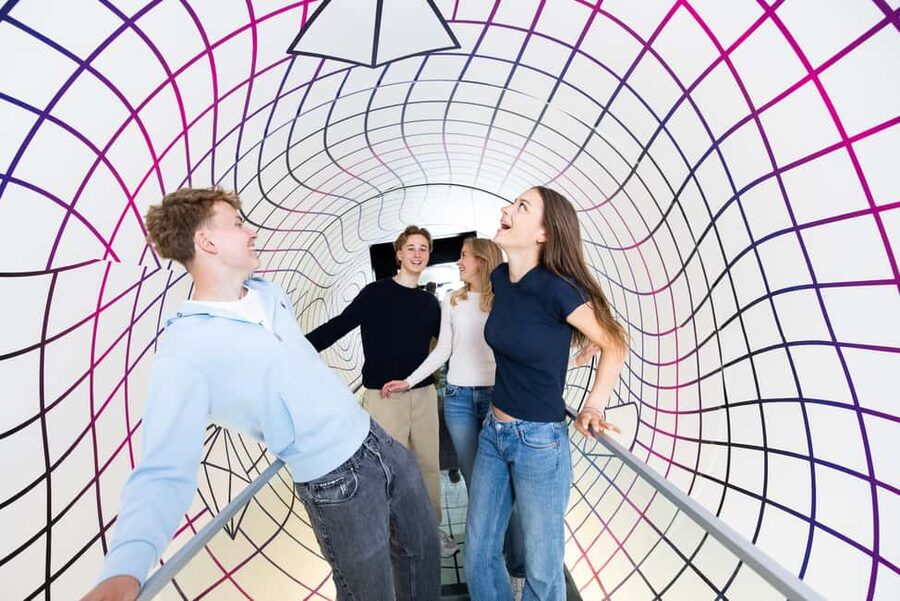
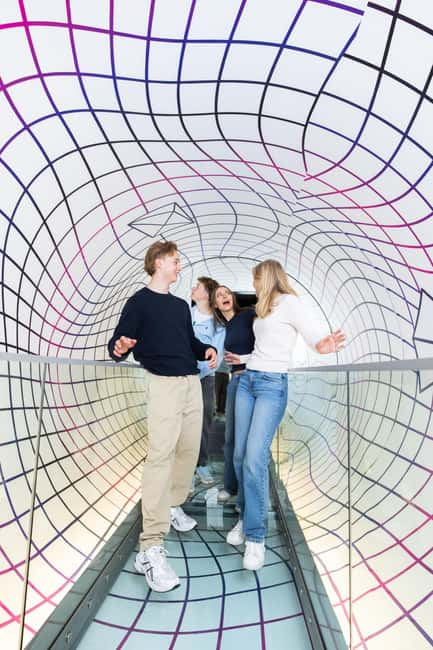
The Paradox Tunnel is a room-size walkthrough where the exhibit messes with how gravitational direction feels. In practice, it can make walking straight feel impossible—like your world is twisting around you.
This is the point in the museum where you’ll likely hear people talk less and move more carefully. That’s normal. Your brain is trying to interpret the space while your body provides contradicting signals, and the result is genuinely disorienting in a fun way.
Here’s how to get the most out of it:
- Go slow the first time through. If you try to power through, you’ll feel clumsy and lose the pleasure.
- Notice what your feet want to do versus what your eyes are seeing.
- Give yourself permission to look silly. That’s part of the payoff.
Also, this is a great exhibit for group visits because you can compare what each person feels. One person might be fine; another might feel like they’re being pulled off-line. It’s a useful reminder that perception is personal.
How much time to plan in Helsinki
Plan for about 60 minutes total. That’s enough time to experience the main rooms at a relaxed pace without turning the visit into a race.
A practical strategy: don’t try to hit everything as fast as possible. Start with a room that’s visually dramatic (Infinity Room), then move into motion-based exhibits (Zero Gravity Room), and finish with the disorienting walkthrough (Paradox Tunnel). That flow keeps the experience from feeling repetitive.
If you’re visiting with kids or teens, build in extra time for replays. Many people end up trying their favorite exhibit again once they get the hang of it.
If you’re on a tight Helsinki schedule, treat the museum as a focused hour rather than a slow wandering stop. It’s designed for that kind of pace.
Price and value: is $27 worth it?

The ticket price is listed at $27 per person, and the value comes from two things: it’s interactive and it’s short. You’re paying for an experience you enter and actively try, not just read about.
At around one hour, the cost per minute can look high if you compare it to a big museum with galleries and artifacts. But Paradox Museum is more like a hands-on show. You’re using your senses, taking photos, and getting an experience that changes depending on how you move and where you stand.
If you’re the type who likes optical illusions, hands-on activities, or quick, memorable detours, this is the kind of stop that feels fair. If you want quiet, contemplative art viewing, you might find it too playful.
For families, the math often improves because it’s suitable for all ages and doesn’t require deep attention to enjoy. For solo visitors, it can be a refreshing break from always looking outward at famous buildings. Here, you’re the subject.
Who should book this museum ticket
Paradox Museum Helsinki is a strong fit for:
- Families wanting a single-hour indoor activity that works across ages
- People who enjoy optical illusions and sensory tricks
- Anyone who wants a break from phone scrolling and prefers doing something physical and visual
- Visitors who want good photo opportunities, without needing a long guided program
It’s also a good rainy-day plan. Helsinki weather can change quickly, and this museum gives you something to do that doesn’t depend on outdoor visibility.
If you dislike getting disoriented, take it slow in the tunnel and don’t rush your way through. The exhibits are fun, but the Paradox Tunnel can be mentally punchy.
Quick FAQ for Paradox Museum Helsinki tickets

FAQ
How long will it take to visit Paradox Museum Helsinki?
You should plan on about 60 minutes exploring the museum.
Is entry to Paradox Museum Helsinki included?
Yes. The ticket includes entry to Paradox Museum Helsinki.
Is there a guided tour included?
No. A guided tour is not included with this entry ticket.
Is the museum wheelchair accessible?
Yes. The museum is wheelchair accessible.
Can I take photos inside?
Photography is encouraged. Just be mindful of other visitors while you take pictures.
What is the cancellation policy?
Free cancellation is available up to 24 hours in advance for a full refund.
Should you book Paradox Museum Helsinki?
I’d book it if you want a short, interactive Helsinki stop that plays with perception instead of just showing you exhibits from a distance. The Infinity Room and Zero Gravity Room are especially good when you enjoy visual tricks and want something you can try, not only watch. And if you’re bringing kids, teens, or older relatives, the museum’s hands-on style makes it easy for mixed ages to have fun.
Skip it only if you’re hunting for a traditional museum experience with lots of quiet time and detailed explanations. This is more about your senses and your body than about reading walls.
If you’re the type who likes to test your own “sure, that’s how it works” instincts, this ticket is an excellent use of an hour in Helsinki.