REVIEW · NEW YORK CITY
New York City: Museum of Broadway Entry Ticket
Book on GetYourGuide →Operated by Broadway Inbound · Bookable on GetYourGuide
Broadway has a whole museum side. In Times Square, this entry ticket turns Broadway history into an interactive, floor-by-floor timeline with immersive videos and hands-on stops. You’ll also get a behind-the-scenes look at what it really takes to mount a Broadway show.
I love the immersive videos that frame Broadway’s story from its early days to today, because they make the jump from era to era feel quick and clear. I also like the hands-on, photo-friendly exhibits that keep it from feeling like a slow slideshow.
One drawback to plan for: it can feel rushed if you only have an hour, and you’ll be on your feet a lot with stairs (including three flights).
In This Review
- Key things to know before you go
- Museum of Broadway: what the entry ticket actually gives you
- Walking in: lobby setup, lockers, and what to do first
- The Broadway timeline exhibits: why the story format works
- Socially progressive moments: history with real human stakes
- Designing a show: the behind-the-curtain production reality
- Costume and prop displays: famous shows made physical
- Photo spots and interactive moments: fun with purpose
- How long to plan: 1 hour is doable, but you’ll feel it
- Physical comfort and family logistics: stairs, strollers, and pacing
- Value for money: is $41 worth it?
- Who this museum is best for
- Should you book Museum of Broadway Entry Ticket?
- FAQ
- How long does the Museum of Broadway entry ticket take?
- What’s included with the ticket?
- Where do I present my voucher?
- Is this activity refundable?
- How much does it cost?
- What are the rules for children?
- Are strollers allowed inside the exhibits?
- Are service animals allowed?
- Do I need a specific start time?
- What rating does it have?
Key things to know before you go
- Times Square location makes it an easy add-on to a Broadway day
- 3 floors of exhibits with a clear timeline from Broadway’s birth to the present
- Immersive video moments explain how theaters and Broadway expanded over time
- Behind-the-curtain focus shows the unseen jobs needed for a musical
- Costumes and props on display connect famous shows to how they were built
- Lockers available help if you arrive with bags and want to move freely
Museum of Broadway: what the entry ticket actually gives you
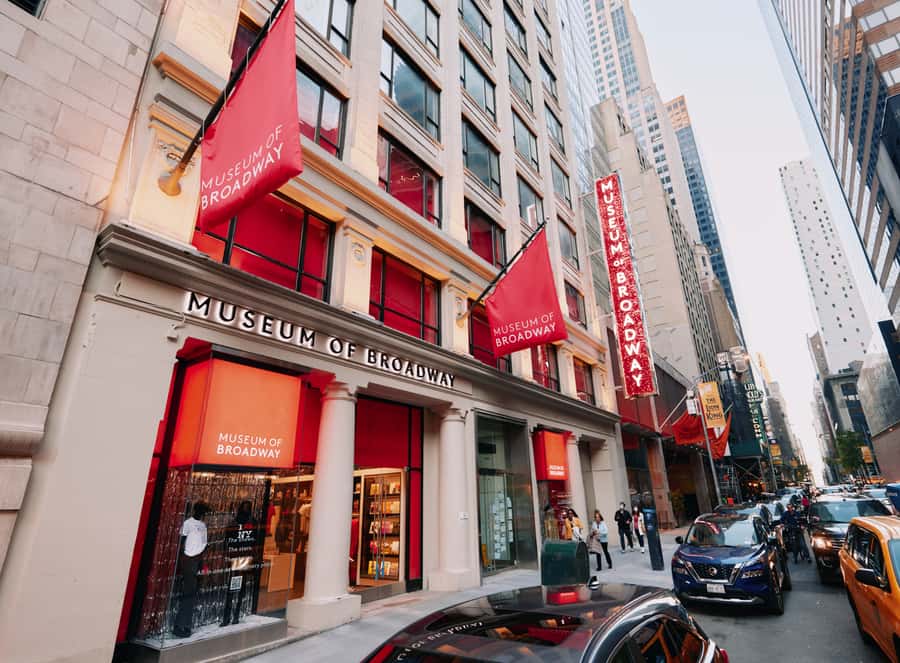
For $41 per person, you’re buying entry to a museum experience that mixes history, design, and show-business reality. This is not a quick lobby display. It’s a full visit through multiple exhibit areas, including a timeline of Broadway and a backstage-style look at production work.
The museum is set in the heart of Times Square, so it works well when you want something productive to do during the day before a show at night. I’d treat it like a mini education program with a strong entertainment streak: you’ll watch, read, and interact—not just walk past cases.
It runs as a one-day experience. The exact starting times depend on availability, so if you’re mixing it with dinner reservations or show tickets, check the schedule first so you’re not scrambling.
A few more New York City tours and experiences worth a look



Walking in: lobby setup, lockers, and what to do first
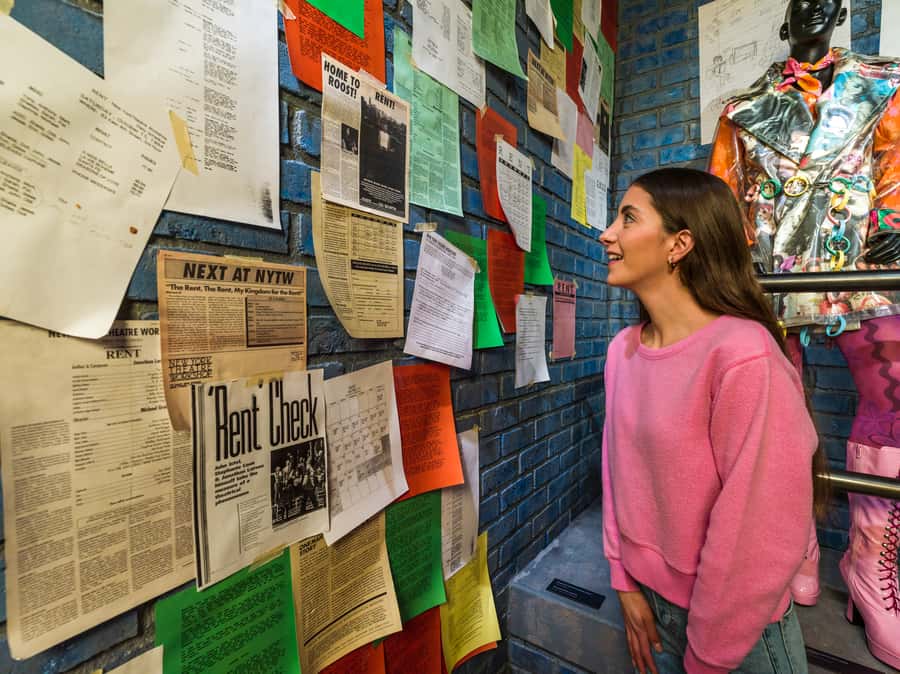
Your voucher redemption is straightforward: you present it at the Museum of Broadway. Once inside, the first thing to plan is your comfort and flow.
Expect a mix of crowds and busy moments, especially in a Times Square location. The good news is that there are lockers, which makes a big difference. If you’re carrying a day bag, you can store it and move through exhibits without constantly shifting weight in crowded spaces.
Also, build in a moment for logistics before you start the exhibits. Strollers are not allowed beyond the lobby and merchandise store, and you’ll be required to check them before entering the exhibit areas. If you’re traveling with kids and strollers, plan to arrive with that in mind so you’re not trying to figure it out mid-visit.
If you’re sensitive to stairs, note that the museum includes multiple flights. One rating even flags that you’ll be on your feet most of the time with three flights of stairs to navigate. Wear comfortable shoes, and don’t plan this right after a long walking day unless you’re okay with a second round of steps.
The Broadway timeline exhibits: why the story format works
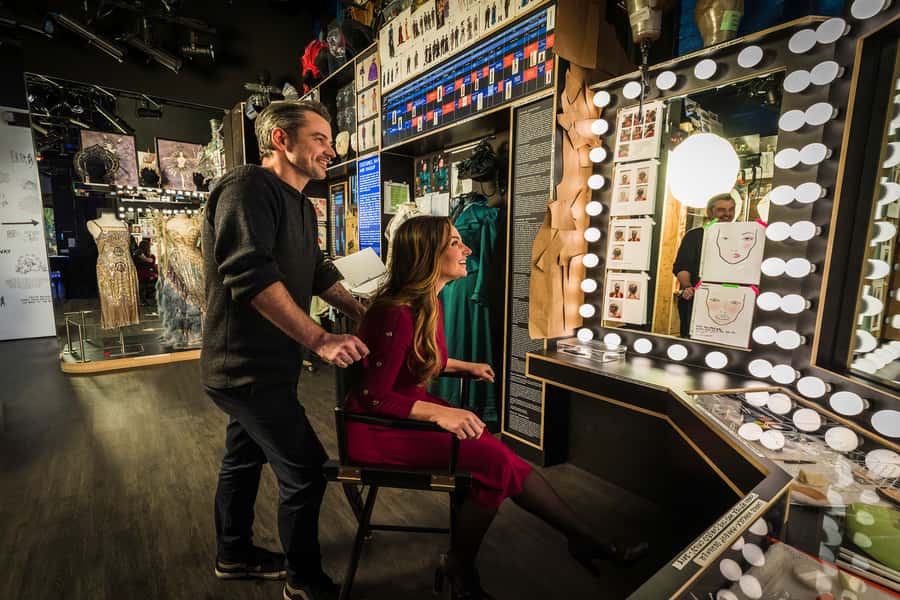
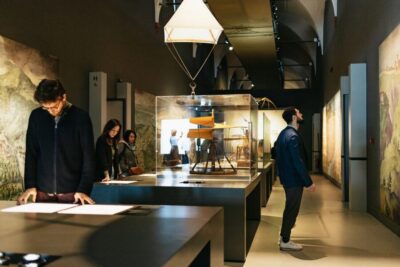
This museum’s main strength is how it frames Broadway as a living machine that changed over time. The exhibits guide you through Broadway’s timeline from its early birth to the present day, including theater pioneers and the expansion of Broadway.
The standout format is the immersive video setup. Instead of only reading captions, you see dramatic, moving visuals that help you understand how Broadway evolved—especially when it comes to the theaters themselves and the way productions grew beyond a single style.
I also like that the timeline doesn’t treat Broadway like a museum piece. It treats it as social and creative momentum. You’ll learn about moments described as socially progressive in Broadway’s history—exactly the kind of context that can make a show you’re about to see feel more meaningful.
Socially progressive moments: history with real human stakes
Broadway has always been about people pushing boundaries. This museum highlights socially progressive moments, showing how the stage has sometimes mirrored change and sometimes helped spark it.
I find this part valuable because it answers the quiet question many people have when they watch modern musicals: how did we get here? The exhibits don’t just list dates. They connect shifts in creative boundaries to the broader cultural environment that shaped what made it to the stage.
If you’re traveling with teens or older kids who like themes and social context, this section can be a win. It gives them a reason to care beyond costumes and songs.
Designing a show: the behind-the-curtain production reality
A huge chunk of the museum is about what it takes to make a Broadway show—not just the final performance. You’ll get a behind-the-curtain look through exhibits that explain production work, including the unseen jobs that most audiences never think about.
This part matters because it changes how you watch theater. After you see the exhibit side of production, a stage show stops being only a talent showcase. You start noticing the coordination: the craft, the timing, and the many roles working in sync.
The museum also describes learning experiences tied to making a musical, with attention to the backstage process and the many people involved. If you like theater as a craft—lights, costumes, scheduling, design—this section is the one you’ll want to slow down for.
You can also read our reviews of more city tours in New York City

Costume and prop displays: famous shows made physical
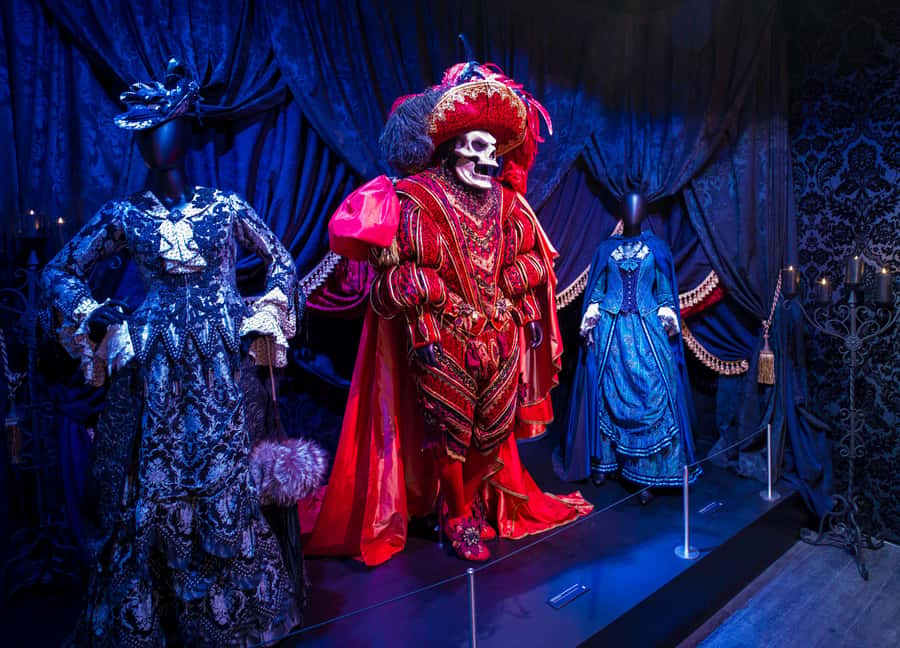
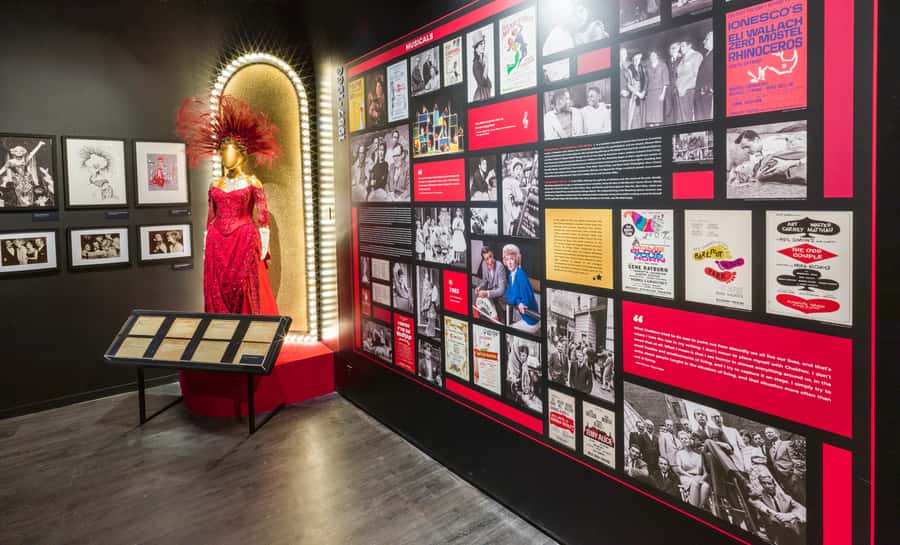
I love when a museum doesn’t just show you a picture of Broadway. This one includes items connected to beloved plays and musicals, including costumes and props you can actually see.
Several visitors highlight the variety: costume and prop displays span a wide range of shows, and the exhibits feel designed rather than random. That matters because it helps you connect the visual clues to the timeline and the production explanations.
If you’re a visual learner, this is where the museum becomes easiest to understand fast. You don’t need prior Broadway knowledge to get the point: Broadway is a full production ecosystem, and these physical artifacts show the results.
Photo spots and interactive moments: fun with purpose
You’ll find photo moments built into the experience, including spots described as cute and funny. These work as more than souvenir stops. They also encourage you to pause, look around, and take in details you might miss if you rush straight through.
There are also hands-on opportunities throughout the museum. One strong theme in the experience feedback is that there are enough interactive stops to keep kids and adults engaged without feeling like everything is locked behind glass.
My practical tip: use the photo spots strategically. Take pictures when you see them, not after you’ve already finished. Once you’re tired, it’s harder to stop and appreciate the details.
How long to plan: 1 hour is doable, but you’ll feel it
The museum is good at holding attention, but time pressure is real. One visit experience notes feeling rushed with only an hour, so I’d treat that as a warning label.
If you want to read captions, watch the video moments, and actually absorb what you’re seeing, plan for more than the minimum. A solid target is around 2 hours, or longer if you’re a true theater nerd who wants to linger on costumes, props, and exhibit text.
If you’re visiting while also juggling a night show, aim to go earlier in the day. That way you’re not fighting the clock when you hit a part you like.
Physical comfort and family logistics: stairs, strollers, and pacing
This museum is engaging, but it isn’t a sit-and-watch experience. You’ll be on your feet and moving between floors. With three flights of stairs mentioned, you’ll want to pace yourself.
For families: guests 12 and under must be accompanied by an adult who is 18 or older. That’s a clear rule, so don’t assume a teen can act as the supervising adult.
For strollers: they’re not allowed beyond the lobby and merchandise store, and you must check them before entering exhibit areas. If your group depends on stroller mobility, build in time for checking and retrieving it after.
Service animals are permitted as authorized by applicable law.
Value for money: is $41 worth it?
At $41 per person, you’re paying for a museum experience that’s designed to keep you engaged across multiple exhibit areas—timeline history, interactive displays, backstage production explanations, and physical artifacts like costumes and props.
Is it a bargain? Not in the bargain-shop sense, especially given the New York pricing reality of Times Square. But it can still be good value if you:
- Love Broadway and want context you don’t get from a show’s opening night program
- Want a daytime activity that feels connected to theater, not just another Times Square stop
- Prefer learning through visuals and hands-on moments rather than long tours
I’d especially call it worth considering if you’re seeing a Broadway show later. You’ll arrive with better questions and you’ll watch the production with more awareness.
Who this museum is best for
This entry ticket suits a mix of travelers:
- Broadway fans who want costumes, props, and production explanations in one place
- First-timers who want a fast but structured overview of how Broadway became what it is
- Students and history-minded adults who like socially progressive context alongside entertainment
- Families who can handle some walking and stairs, and who will enjoy interactive stops and photo moments
If you’re looking for a low-walking, sit-down experience, you might find it tiring. If you love theater craft, this museum is built for you.
Should you book Museum of Broadway Entry Ticket?
Book it if you want a high-focus Broadway experience in a tight time window, and you’re excited by the idea of learning how shows get made—not just what they look like onstage.
Skip or rethink it if you:
- Only have about an hour and know you get frustrated when you can’t slow down
- Need minimal stairs or very low mobility walking
- Are traveling with a stroller that you can’t easily check before exhibit areas
If you’re flexible and can give it a couple hours, this is one of those Times Square activities that feels purposeful. You’ll leave with more than memories—you’ll have a sharper sense of what Broadway production really involves.
FAQ
How long does the Museum of Broadway entry ticket take?
The experience is listed as 1 day. The time you spend depends on the pace you take through the exhibits.
What’s included with the ticket?
Your ticket includes museum entry to the Museum of Broadway.
Where do I present my voucher?
Present your voucher at the Museum of Broadway.
Is this activity refundable?
No. The activity is non-refundable.
How much does it cost?
The price is $41 per person.
What are the rules for children?
Guests 12 and under must be accompanied by an adult who is 18 or older.
Are strollers allowed inside the exhibits?
Strollers are not allowed beyond the lobby and merchandise store. You’ll be required to check them before entering the exhibit areas.
Are service animals allowed?
Yes, service animals are permitted as authorized by applicable law.
Do I need a specific start time?
You should check availability to see starting times.
What rating does it have?
It has a rating of 4.6 based on 113 reviews.