REVIEW · MUSEUM OF ILLUSIONS THESSALONIKI
Thessaloniki: Museum of Illusions Admission Ticket
Book on GetYourGuide →Operated by MOI THES AE · Bookable on GetYourGuide
Step into a room and reality might wobble. The Museum of Illusions Thessaloniki is a one-day, mind-bending stop built around 40 interactive visual tricks, holograms, and hands-on rooms. Expect to be confused, educated, and amazed in the same visit.
Two things I love about it: you get multiple “wow” photo moments in just about an hour, and the experience is designed to show how your brain interprets what your eyes see. It also keeps things simple and family-friendly, since the core idea is playful perception—no art history lecture needed.
One consideration: you can’t bring food or drinks, so plan to eat before you go (or after), and keep your visit focused on the exhibits. Also, since it’s an illusion experience, your best results come from slowing down and actually looking, not just walking through quickly.
In This Review
- Key things to know before you go
- A one-hour brain workout in Thessaloniki
- Rooms that mess with your sense of space
- Holograms and optical illusions you can actually study
- Photo-friendly moments that don’t feel staged
- What to expect from start to finish
- Price and value: why $12 makes sense here
- Logistics that actually matter on the ground
- Who should book this (and who might skip it)
- Tips to make your visit better
- Should you book the Museum of Illusions Thessaloniki?
Key things to know before you go
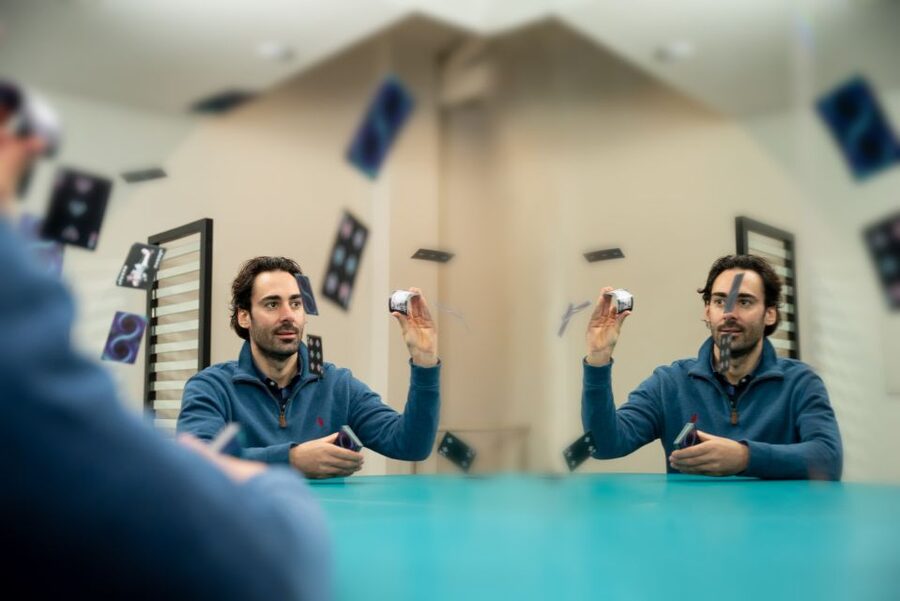
- 40 visual and interactive illusions designed to mess with perception and assumptions
- Infinity Room, Reverse Room, and Ames Room for big, instant photo impact
- Holograms and close-up optical illusions that reward careful looking
- About 1 hour on-site makes it an easy add-on to your Thessaloniki day
- No food and drinks allowed, so come ready to snack beforehand
- Greek and English support from the host/greeter
A one-hour brain workout in Thessaloniki
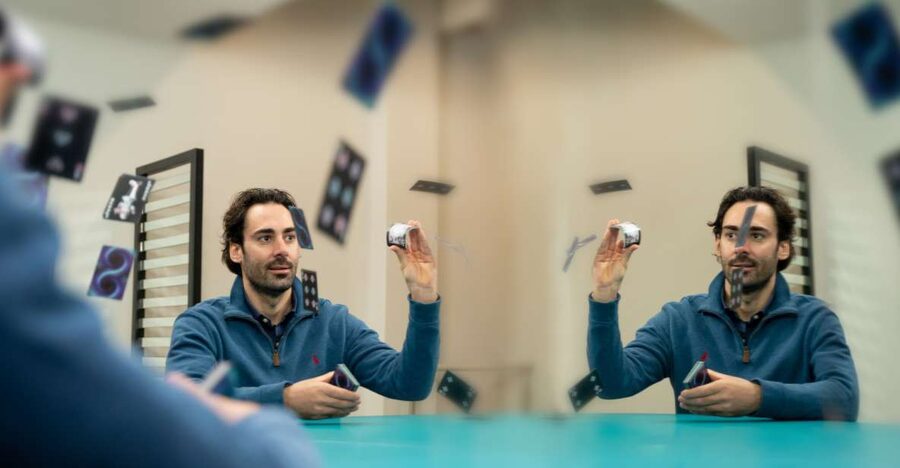
Thessaloniki has plenty of classic sights, but sometimes your best “cultural” moment is training your senses. This museum is built like a fun experiment: you walk in, your eyes make assumptions, and the exhibits quietly prove those assumptions wrong. That confusion is part of the point—and it turns into one of those rare activities that feels both silly and oddly satisfying.
The big promise here is simple. You’ll see 40 interactive illusions and move through hands-on rooms that are meant to be experienced, not just observed from a distance. The result is a visit that’s short enough to fit into almost any plan, but varied enough that it doesn’t feel like a single gimmick.
Pricing is also straightforward: about $12 per person. For that, you’re not buying a guided tour of a single room. You’re paying for a circuit of different illusion types—rooms that warp space, exhibits that play with focus, and visual effects like holograms. If you like activities where you actively participate, this tends to feel like good value.
Rooms that mess with your sense of space
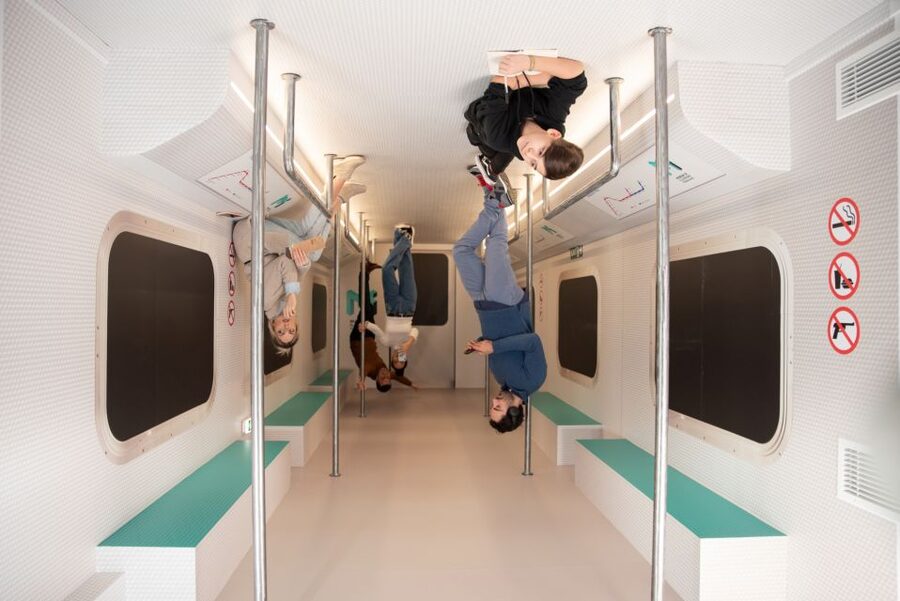
The museum organizes its magic around rooms that challenge how you understand size, direction, and even gravity-like effects. You’re not just looking at art. You’re standing in the scene the illusion depends on, which is why photos work so well here.
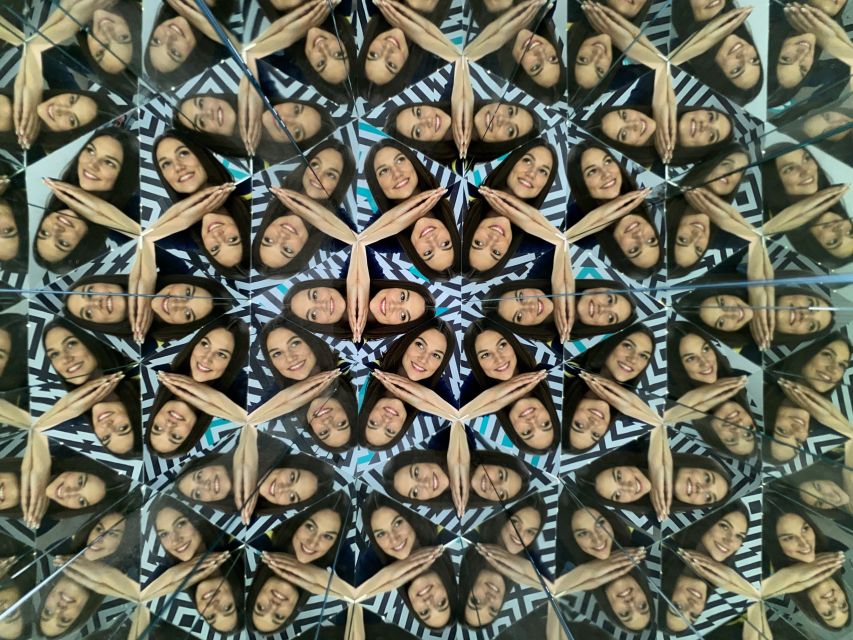
Start with the Infinity Room. The whole idea is that the space looks endless. You’ll face a visual setup designed to make you feel like you’re stepping into something that keeps going. Even if you know it’s an illusion, it still works because the brain hates uncertainty and tries to “complete” the scene.
Next is the Reverse Room, where the exhibit is designed to make it feel like gravity is being ignored. This is the room that usually gets people excited because you can stage very readable photos: the scene looks wrong in a way your brain can’t dismiss. The upside is that you don’t need advanced photography skills. The room does the heavy lifting.
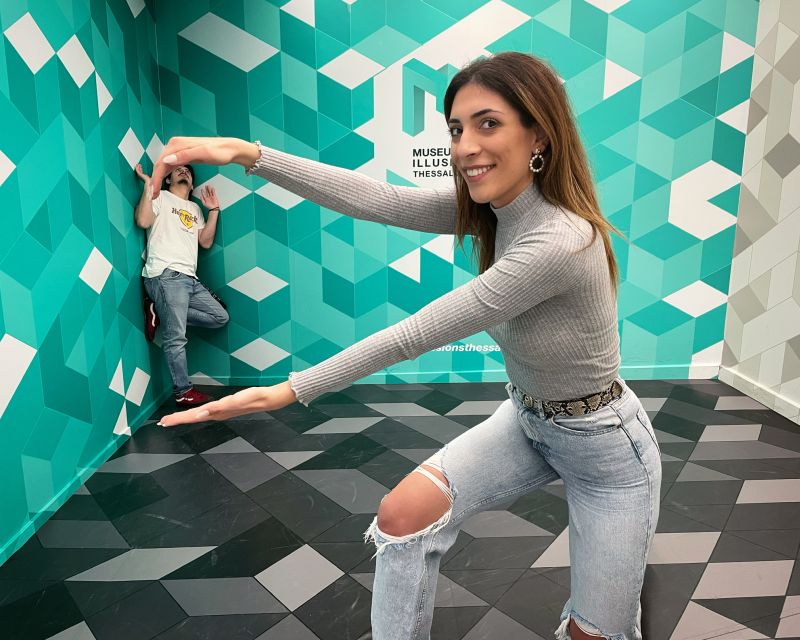
Then there’s the Ames Room, where you shrink to miniature size. This one plays with proportion and perspective, so the effect is immediate. It’s also a nice change of pace because the illusion isn’t only about depth—it’s about how your body’s scale suddenly makes sense in a way that feels impossible.
Across all these spaces, the common theme is sensory perception. The museum keeps reminding you that what you think is “real” is often your brain’s best guess, based on limited information.
Holograms and optical illusions you can actually study
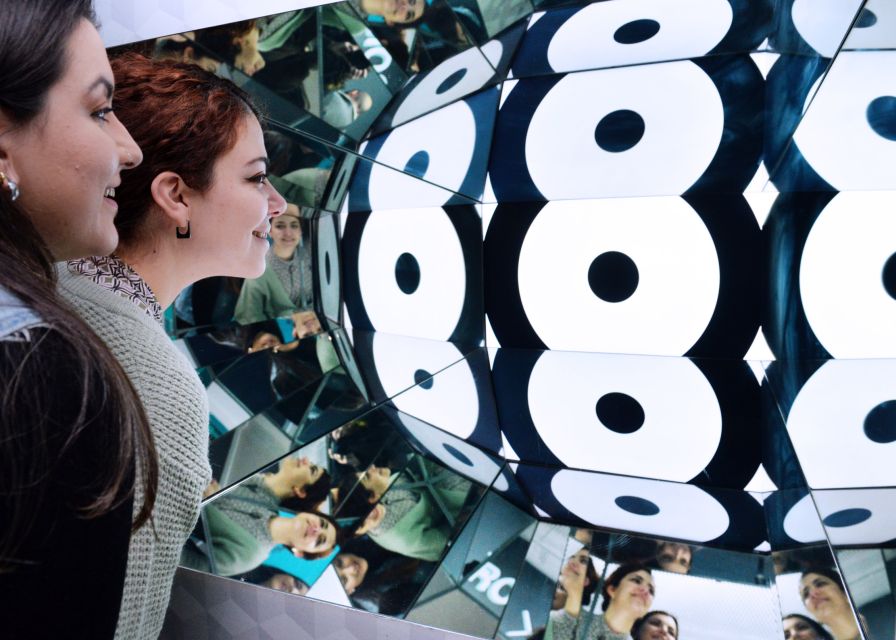
Not every illusion here is about a single dramatic photo. A chunk of the experience asks you to slow down and look closely. You’ll encounter a collection of holograms, plus other optical illusion exhibits where the effect can change as you notice details.
If you’ve ever watched one of those drawings that looks flat until you find the right angle, you’ll get the idea. These exhibits are designed for hands-on attention. Walk up, pause, and let your eyes adjust. Then look again. That small extra effort is often what turns a quick glance into a real “wait, how did that happen?” moment.
This part of the museum is also where the “educate” part of the experience feels most honest. You’re learning without being lectured. The exhibit doesn’t ask you to memorize theory. It shows you how easy it is to be fooled by patterns, lines, and motion—or even by the way your brain fills in missing context.
Photo-friendly moments that don’t feel staged
Let’s be real: many museums of tricks fail one basic test—your photos look awkward. Here, the rooms are designed to produce dramatic results. The Infinity Room, Reverse Room, and Ames Room are built for perspective tricks, which means you can create images your friends will instantly understand, even without context.
A practical tip: don’t treat the museum like a photo factory. Spend a moment standing where the illusion works best, then take a few shots, then move on. If you rush, you miss the feeling—and the photos can come out less convincing.
Also, plan for the way illusion spaces work with bodies. Some setups feel easiest when you’re calm and still. Others are more fun when you stage a simple action that the illusion exaggerates. You don’t need fancy gear. A phone works because the rooms are doing the visual trick, not your camera settings.
The best approach is to alternate. Take a photo, then step away and look again without the phone. That quick reset usually helps you appreciate what the exhibit is doing—and it can make your next photo even better.
What to expect from start to finish
Your visit is straightforward: you enter the Museum of Illusions Thessaloniki and move through the interactive areas at your own pace. The experience is designed to be confusing and enlightening at the same time. Expect to be confronted with moments where nothing feels quite normal.
The museum highlights several key types of experiences:
- Rooms built for dramatic effects (Infinity, Reverse, Ames)
- Visual elements like holograms
- Other optical illusion exhibits that reward careful observation
Time-wise, this is an easy “hour activity.” The museum is short enough that you can treat it like a planned break rather than a big commitment. That matters in Thessaloniki because you’ll likely want to pair it with other sights the same day.
One more practical detail: since food and drinks aren’t allowed, come with a clear plan. Eat beforehand, or you’ll likely feel your energy dip faster than you want. Keeping snacks off-site also helps the space stay focused on the exhibits and their controlled lighting and surfaces.
Price and value: why $12 makes sense here
At $12 per person, this isn’t a bargain attraction you’ll forget. It’s more like a focused, ticketed experience: you pay for access to a series of illusion environments that are built specifically to be interacted with.
Here’s how I think about value for this kind of museum:
- You get multiple illusion types, not just one room
- The photos are part of the experience, not an afterthought
- The visit is time-efficient (about 1 hour), so it won’t dominate your day
If you like hands-on activities, perception tricks, and photo-friendly scenes, the pricing usually feels fair. If you prefer only quiet museums where you can roam slowly for hours, you might find it too short or too playful. Still, even then, it can be a good change of pace on a day when the weather or your energy level doesn’t match a heavy sightseeing schedule.
Logistics that actually matter on the ground
This museum is set up to be simple to use. You book a ticket for a specific starting time, and your ticket is valid for one day. That matters because you can still be flexible with your overall itinerary, but you’ll want to show up at the time you selected.
You’ll also have support at the entrance. The host/greeter speaks Greek and English. That’s useful if you want help with accessibility needs, timing, or general questions before you enter.
Accessibility is covered too: it’s wheelchair accessible. If you’re traveling with mobility needs, this is a big plus for a smaller indoor attraction where movement through rooms can be tricky in other places.
Finally, take a moment before you go: there’s one negative data point tied to ticket validity. So, when you receive your ticket, double-check that it matches what you meant to book and the date/time you selected. It’s a small step that can save real frustration.
Who should book this (and who might skip it)
This museum is a strong match if you want:
- A short, fun indoor activity in Thessaloniki
- Big visual moments that work for photos without effort
- A brain-bending experience that’s more hands-on than lecture-based
It’s also a good choice for families, since the core experience is immediate and playful. Kids often get it fast because the rooms do the trick right in front of them. Adults usually get hooked too, because the illusion effects are surprisingly convincing even when you know what’s happening.
If you’re the type who needs quiet, contemplative pacing, you might find it a bit too “performative.” But even then, you can still treat it like an experiment: slow down where it matters, and keep expectations realistic.
And if you’re traveling with friends who love photos, this is the kind of place where everyone leaves with something to share.
Tips to make your visit better
You don’t need special skills here, but a few habits make it more enjoyable.
First, wear something comfortable for standing and moving between rooms. You’ll likely spend time positioning for photos and then stepping back to see the effect clearly.
Second, look with intention. Many illusions work best when you stop, align your eyes, and notice the setup. If you blast through like it’s a hallway, you’ll miss the pay-off.
Third, plan your timing. Since it’s about an hour, you can schedule it around other plans without stress. Morning or early afternoon can be a nice option if you want a calm indoor break before heading back out.
Fourth, respect the rules about no food and drinks. It’s not just policy. Keeping the space clean and focused makes the experience smoother for everyone.
Should you book the Museum of Illusions Thessaloniki?
Yes—if you want an indoor activity that’s short, interactive, and photo-friendly. At around $12 for a roughly one-hour experience with 40 illusions, it’s a practical add-on that doesn’t steal your whole day. The rooms you’ll remember most—Infinity, Reverse, and Ames—are built to create instant, shareable results.
Skip it only if you dislike playful, perception-based attractions or if you need a long, quiet museum session. Otherwise, this is one of the easiest ways to make a Thessaloniki day feel different, fast, and genuinely fun.