REVIEW · LYON
Lyon: Musée Soieries Brochier guided tour in French
Book on GetYourGuide →Operated by BROCHIER SOIERIES · Bookable on GetYourGuide
A silk museum with serious science behind it? That’s the fun surprise at the Musée Soieries Brochier inside Lyon’s Grand Hôtel-Dieu. You walk through 130 years of Lyon silk—from haute couture fabrics to modern textile tech—with a French guide and a small group.
What I love most is the way the tour makes the craft feel practical, not dusty. You’ll see actual couture names (like Givenchy and Yves Saint Laurent) tied directly to Brochier fabrics, and you’ll also learn how the company adapted tools like the Jacquard loom for real-world technical uses.
One thing to consider: this is a tight 1-hour visit, so you’ll get a strong overview, but you won’t have time to linger forever in every display or read every label in depth.
In This Review
- Key highlights you should care about
- Where this tour takes place: Grand Hôtel-Dieu, by the Rhône
- The 1890 family story that turns into a city story
- How haute couture gowns become a lesson in materials
- Artist collaborations: Miró, Calder, and Cocteau on textile design
- The Jacquard loom story: tradition gets repurposed for real problems
- Textiles of the future: optical fibres woven with silk thread
- Timing and pacing: why the 1 hour format is a plus
- The shop stop: Fabriqué à Lyon silk squares you’ll actually use
- Price and value: what $14 buys you (and what it doesn’t)
- Who should book this tour
- Should you book the Musée Soieries Brochier guided tour?
- FAQ
- FAQ
- What’s the meeting point for the French guided tour?
- How long is the guided tour?
- Is the tour offered in English?
- What’s the group size?
- Is the museum wheelchair accessible?
- What’s included in the price?
- What will I see during the visit?
- Can I shop after the tour?
- How much does the tour cost?
- Is there free cancellation?
Key highlights you should care about
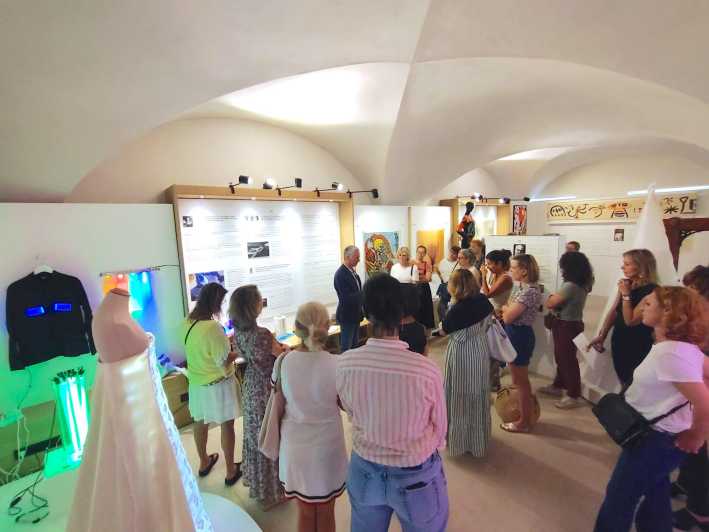
- Haute couture fabrics, explained: see gowns made with Brochier materials, not just photos of fashion
- Artists on textile design: work connected to Miró, Calder, and Cocteau
- Jacquard meets engineering: learn how a traditional loom supported technical fabrics
- From silk thread to optical fibres: a clear look at textiles of the future
- Grand Hôtel-Dieu setting: museum visit inside a landmark that already has “why Lyon matters” built in
- Shopping with a real Lyon label: Fabriqué à Lyon silk and velvet squares in the shop
Where this tour takes place: Grand Hôtel-Dieu, by the Rhône
This visit is built around a smart location: the Musée Soieries Brochier is in Lyon’s Grand Hôtel-Dieu area, an environment that already tells you this city has long traded in craft, culture, and big ideas. You meet your guide at the museum, but access is outside the building, on the riverside quays of the Rhône near the Winston bridge.
Why that matters for your experience: you’re starting in the real rhythm of the city. It feels less like you’re being dropped into a sealed indoor attraction and more like you’re stepping into Lyon’s story from the outside—right along the river that helped make commerce possible. Even before the tour starts, you can get oriented quickly.
Practical tip: check the exact riverside entrance on the map before you go. The museum entrance being outside can throw you off if you’re expecting a classic front-door setup.
You can also read our reviews of more tours and experiences in Lyon.



The 1890 family story that turns into a city story
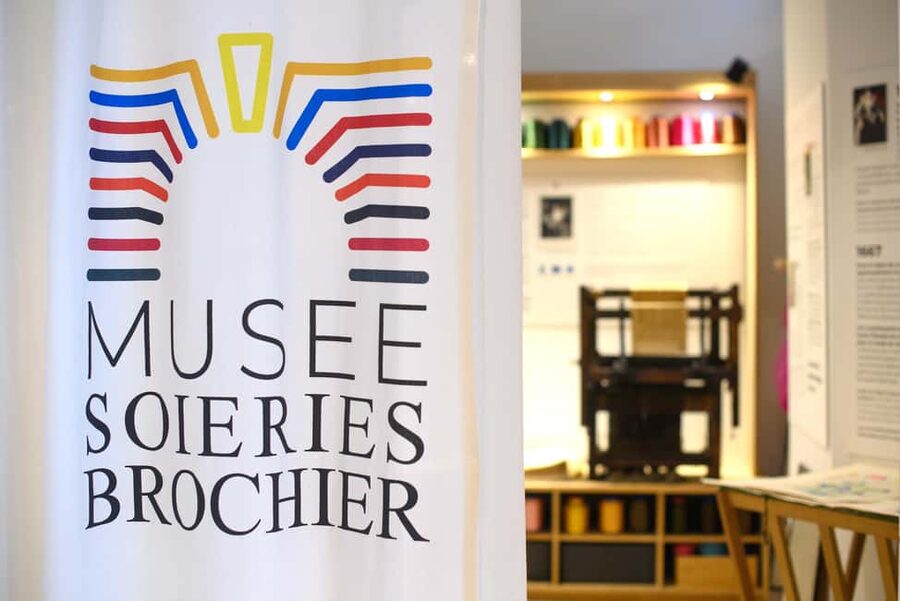
The core of the guided tour is a family-and-company narrative: a Lyon silk house that begins in 1890, with multiple generations (Brochier families, four generations, and a record of work spanning well over a century). Instead of treating silk like a decorative mystery, the museum frames it like an industry—built on labor, technique, and constant adaptation.
What I found especially effective is how the story connects scale to meaning. You hear about hundreds of thousands of metres of silk woven and printed for major names in haute couture and for artists. That’s not just trivia; it explains why Lyon became famous for silk in the first place. When a tradition reaches that level of output and specialization, it stops being a local hobby and becomes a global player.
For you, this is a good “first museum” choice if you want Lyon context without getting buried in 30 different rooms. In an hour, you get enough background to understand why people still care about Lyon silk today.
How haute couture gowns become a lesson in materials
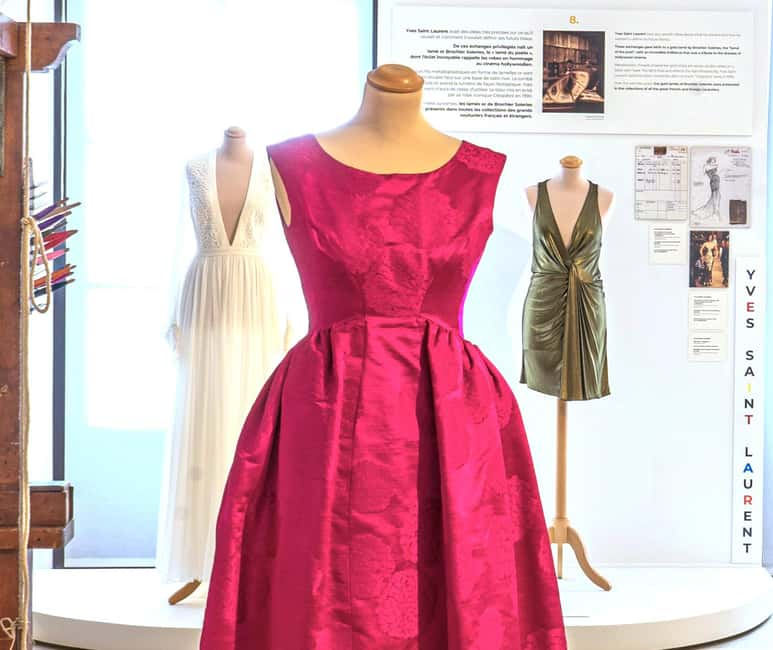
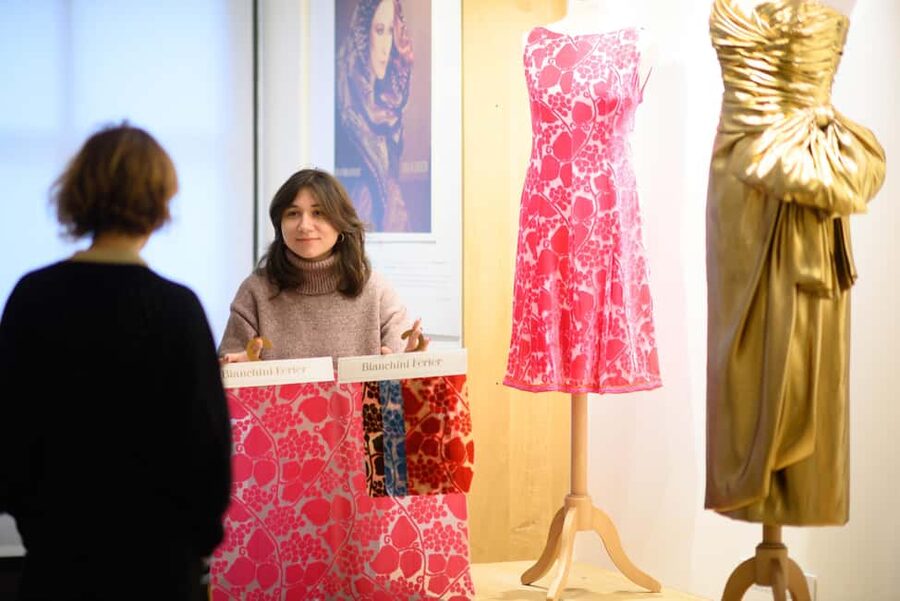
One of the most concrete parts of the tour is the haute couture angle. You’ll admire dresses connected to designers such as Hubert de Givenchy, Christian Lacroix, Valentino, Yves Saint Laurent, and Nicolas Fafiotte—made using fabrics from the Brochier silk house.
Here’s why this works so well: couture usually gets talked about like it’s all design and celebrity. The museum shifts the focus to the raw and engineered stuff that actually shapes what the garment can do. Silk is not just “pretty.” Depending on how it’s woven and printed, it can carry color differently, hold texture, and support specific visual effects.
Even if you’re not a fashion obsessive, this segment helps you see fabric as technology—something designers rely on. And if you are into fashion, you’ll love the way the tour gives you names, then ties those names back to the material source.
Potential drawback in this section: because the tour is limited to small group size (up to 10 participants) and time is tight, the guide likely moves quickly between key exhibits rather than letting you study one gown for a long stretch.
Artist collaborations: Miró, Calder, and Cocteau on textile design
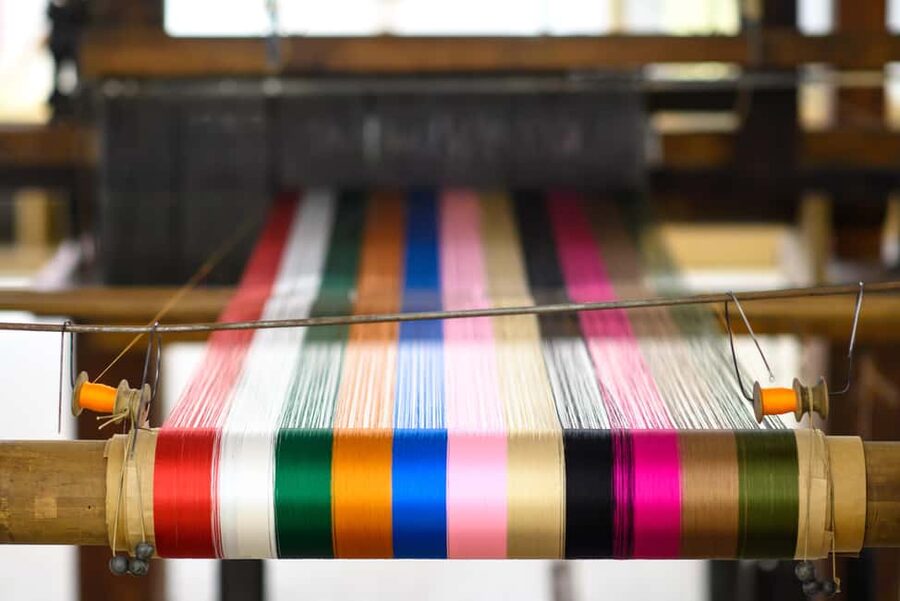
Silk in Lyon isn’t only about fashion. The museum also highlights Brochier’s involvement with artists, showing how textile design can translate ideas from the art world into repeatable patterns and wearable form.
You’ll specifically encounter designs associated with major 20th-century figures such as Joan Miró, Alexander Calder, and Jean Cocteau. Seeing these names in a silk museum gives you a useful perspective: the craft wasn’t isolated from culture. It was part of it.
What I think you’ll take away: textiles can be a bridge. They carry art and graphic thinking into everyday life. Instead of treating a textile as a simple background for clothing, the museum positions it as a canvas with its own language—color, line, and form.
The Jacquard loom story: tradition gets repurposed for real problems
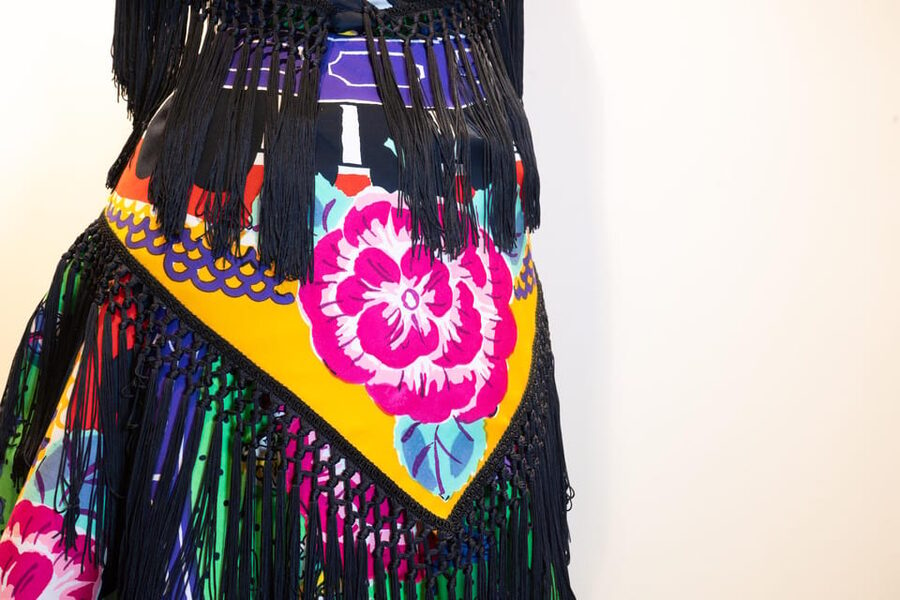
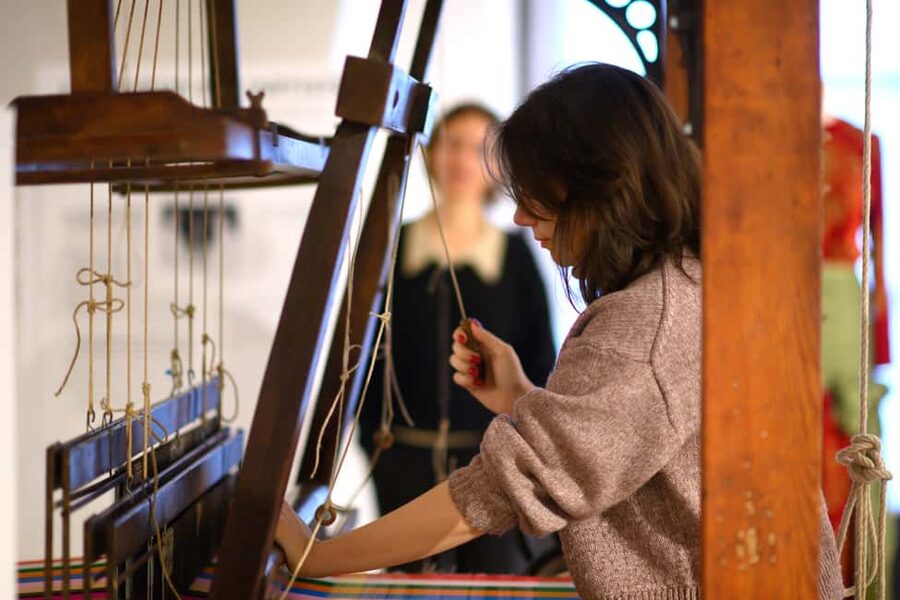
One of the most memorable themes during the tour is innovation that still respects the old craft. The museum explains how a “thirst for innovation” helped adapt the Jacquard loom for producing technical fabrics. That’s a big deal, because the Jacquard loom is already famous for weaving patterns with precision. But applying that capability to technical needs is where the story gets genuinely interesting.
You’ll learn about technical fabrics connected to projects such as Concord nose cones, rainforest canopy rafts, and Venus balloon probes. Those examples make the leap from boutique luxury to engineering feel logical. They show that the same discipline that creates elegant patterns can also help create materials for extreme environments and specialized applications.
For you, this adds value beyond “pretty silk.” It turns the tour into an education about manufacturing logic: how precision weaving can serve science, exploration, and transportation.
If you’re the kind of traveler who likes museums that connect to the present, this section is one of the best reasons to do the guided tour rather than just walking around on your own.
Textiles of the future: optical fibres woven with silk thread
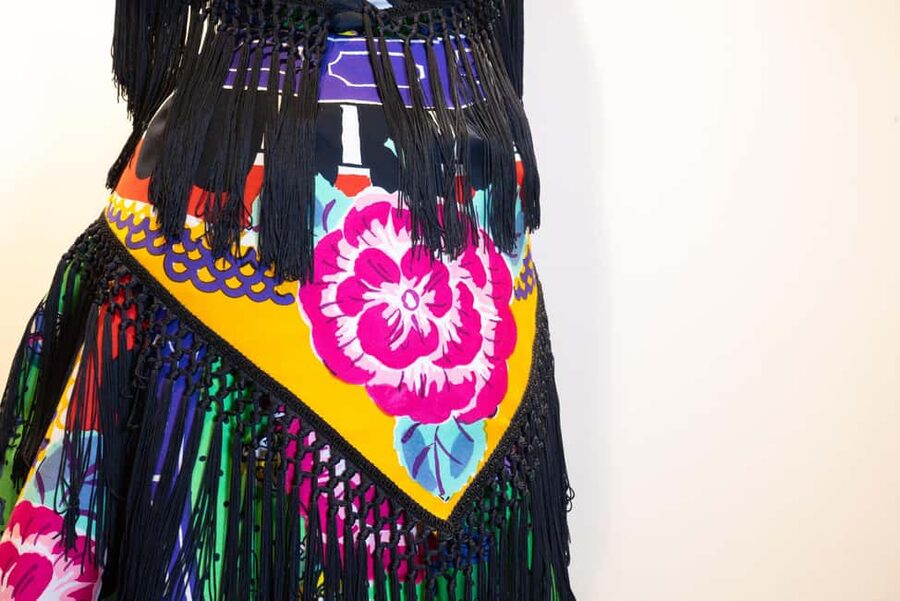
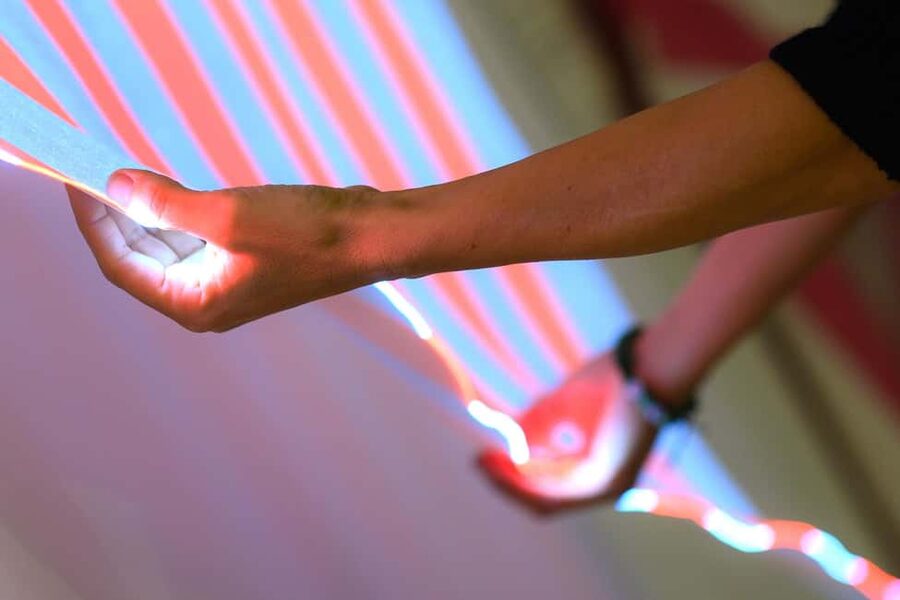
The tour doesn’t stop at the past. It also points to what’s next. One of the themes you’ll hear about is how silk thread can be woven with optical fibres, producing fabrics designed for the future.
I like this part because it’s clear and grounded. It’s not sci-fi for sci-fi’s sake. It links back to what the company already knows how to do: weave, print, and engineer materials with precision. Then it shows how those skills can evolve when new technologies enter the picture.
Even if you don’t fully picture the end product, you’ll understand the direction: silk is not being treated as a museum artifact. It’s being treated as a platform for modern function.
Timing and pacing: why the 1 hour format is a plus
This is a 1-hour guided tour in French, limited to small groups of up to 10. That matters because it keeps the experience focused. You’re not trapped for half a day. You can fit it into a Lyon itinerary without sacrificing the rest of your day.
The pacing is likely designed to hit the biggest themes fast:
- the 1890 family-to-industry story
- couture materials and textile design
- artist-linked work
- technical fabric innovations tied to Jacquard precision
- a view of textile tech with optical fibres
If you enjoy guided storytelling, it’ll feel satisfying. If you prefer long, quiet self-guided museum wandering, you may want to plan extra time nearby after the tour if the museum or surrounding buildings allow more exploration on your own.
The shop stop: Fabriqué à Lyon silk squares you’ll actually use
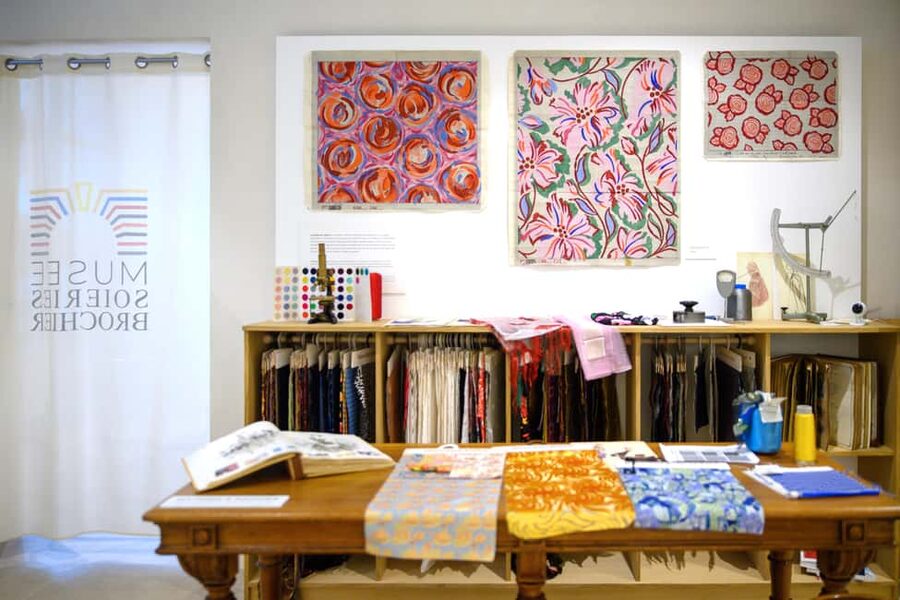
After (or at the end of) the visit, the museum’s shop is open to the public and it’s a smart place to cap the experience. You can shop silk accessories and handmade items with an authenticity you can verify: the label Fabriqué à Lyon and production described as coming from Brochier Soieries’ own weaving mills and printing workshops in Lyon.
The shop is especially focused on small, giftable objects—like hand-painted, 100% silk and velvet squares. These are the kind of souvenirs that don’t just sit in a drawer. They’re usable, displayable, and tied to the manufacturing story you just heard.
Value angle: at $14 per person for a guided visit, you’re paying mainly for an expert walk-through of the craft and its history. The shop is where you decide how much of that craft you want to bring home—at your own budget level.
Price and value: what $14 buys you (and what it doesn’t)
At about $14 per person, this is one of those museum experiences that feels reasonably priced for what you get. A guided tour format matters: you’re not only paying for entry, you’re paying for someone to connect the dots between fashion, art, engineering, and future textiles.
What it doesn’t promise: it’s not a long, slow, fully exhaustive museum marathon. The 1-hour duration makes it a “best overview” experience. If you want deep reading time, you’ll likely want to plan additional independent time later—if the museum allows it during open hours.
For most visitors, I think this pricing makes sense because it’s a focused lesson in why Lyon silk is both heritage and modern industry.
Who should book this tour
Book this if you:
- want a Lyon activity that mixes culture and real manufacturing
- like museums that connect design to engineering
- enjoy fashion history but want the story behind the fabric
- want a quick, guided overview you can fit into a city day
Skip it (or be cautious) if you need:
- a long-form museum experience with plenty of time to read every detail
- an English-language guide (this one is French only)
Should you book the Musée Soieries Brochier guided tour?
If you’re even slightly curious about how tradition evolves, I’d say yes. The best part isn’t just that you’ll see silk displays—it’s that you’ll understand why Lyon silk mattered, how it served haute couture and artists, and how the same weaving precision connects to technical uses and future optical technologies.
If your goal is a quick, high-quality guided stop inside a historic Lyon setting, this fits neatly. And if you end up wanting a souvenir, the Fabriqué à Lyon shop makes it easy to buy something tied to the story you just heard.
FAQ
FAQ
What’s the meeting point for the French guided tour?
You meet the guide at Musée Soieries Brochier. Access to the museum is outside the building on the Rhône riverside, close to the Winston bridge.
How long is the guided tour?
The tour lasts 1 hour. Starting times depend on availability.
Is the tour offered in English?
No. The live tour guide language provided is French.
What’s the group size?
It’s a small group limited to 10 participants.
Is the museum wheelchair accessible?
Yes, the activity is listed as wheelchair accessible.
What’s included in the price?
The included item is the entrance ticket for a guided tour.
What will I see during the visit?
You’ll explore the history of the Brochier silk company, including silk used for haute couture gowns, artist-linked textile designs, and the company’s innovations such as technical fabrics and newer textile approaches involving optical fibres.
Can I shop after the tour?
Yes. The museum shop is open to the public and sells silk accessories, including items labeled Fabriqué à Lyon.
How much does the tour cost?
The price is listed as $14 per person.
Is there free cancellation?
The activity offers free cancellation up to 24 hours in advance for a full refund.