REVIEW · LYON
Lyon: Musée de l’illusion Entrance Ticket
Book on GetYourGuide →Operated by Musee de l'Illusion Lyon · Bookable on GetYourGuide
Illusions hit hard in Lyon. The Museum of Illusions turns your eyes into the main character, with optical trick rooms and photo-ready surprises that make you look twice (then laugh).
What I like most is how quickly it pays off: you get a full, fun sweep of perception games in about an hour. The second big win is that the museum doesn’t just show tricks. You also get explanations behind what’s happening, with puzzles and visual info that connect the wow moments to how sight works.
One thing to plan around: the visit can feel short, and timing matters. If you show up at a busy moment, you may still run into lines and crowd flow issues, which can cut into your time inside.
In This Review
- Key Things I’d Focus On
- Museum of Illusions in Lyon: What You’re Actually Buying
- Your 1-Hour Game Plan: Timing and How to See It All
- The Picture-Perfect Rooms: Floating, Upside Down, and Shrinking
- The Science Behind the Tricks: Puzzles and Visual Explanation
- What Crowds Can Do to Your Hour
- Price and Value at $22: Is It Worth It?
- Who This Lyon Illusions Ticket Works Best For
- Rules That Affect Your Visit (So You Don’t Get Caught Off Guard)
- Should You Book This Ticket for Lyon?
- FAQ
- How long does the Museum of Illusions ticket last?
- What’s included in the ticket?
- How much does it cost?
- What should I bring?
- Are food and drinks allowed inside?
- What cancellation options are available?
Key Things I’d Focus On
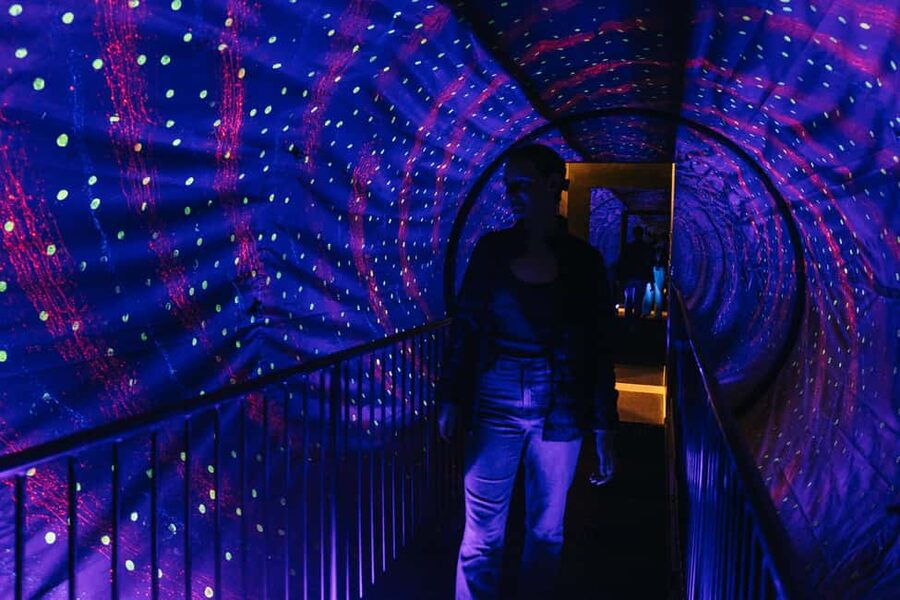
- Photo-worthy illusion setups that help you pose fast and look great
- Science-minded explanations that turn spectacle into understanding
- Hands-on perception puzzles that work for kids and adults
- An hour-long format that’s easy to fit into a day in Lyon
- Crowd flow reality that can make a short visit feel even tighter
Museum of Illusions in Lyon: What You’re Actually Buying
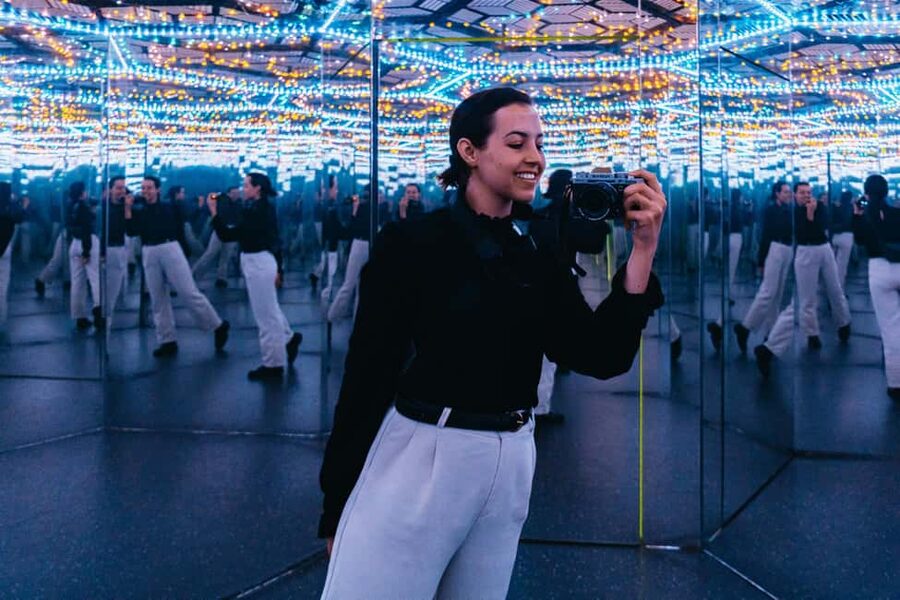
You’re buying a one-hour ticket into an attraction built around optical tricks: holograms, sensory visual experiments, and puzzle-like displays. The point is simple. Your brain makes assumptions about shape, size, motion, and perspective—and these rooms expose those assumptions in real time.
At $22 per person, the value depends on what you enjoy. If you like interactive exhibits, this is a solid use of time. You’ll see several illusion styles back-to-back, instead of hunting for one standout room. If you’re expecting a long museum experience like a classic art stop, you may feel the clock ticking.
This is also a ticket-only experience. The experience includes entrance only—no food, no drinks. That matters for planning. You’ll want a snack plan before or after, especially if you’re visiting with kids.
A few more Lyon tours and experiences worth a look

Your 1-Hour Game Plan: Timing and How to See It All
The museum experience is set for about 1 hour. Starting times can vary, so check what’s available when you book. Because the visit is short, your strategy should be practical: treat it like a circuit.
I’d do this:
- Aim to arrive with enough buffer so you’re not starting late in your time window.
- Keep your phone ready. You’ll want your camera and a charged smartphone on hand for the illusion poses.
- Move room to room. Don’t spend too long trying to perfect one shot while other rooms are waiting.
A helpful mindset: you’re not trying to solve everything like a test. You’re trying to notice patterns—what your eyes expect, then what the exhibit changes. If you keep that goal, the one-hour limit feels less like pressure and more like a fun sprint.
The Picture-Perfect Rooms: Floating, Upside Down, and Shrinking
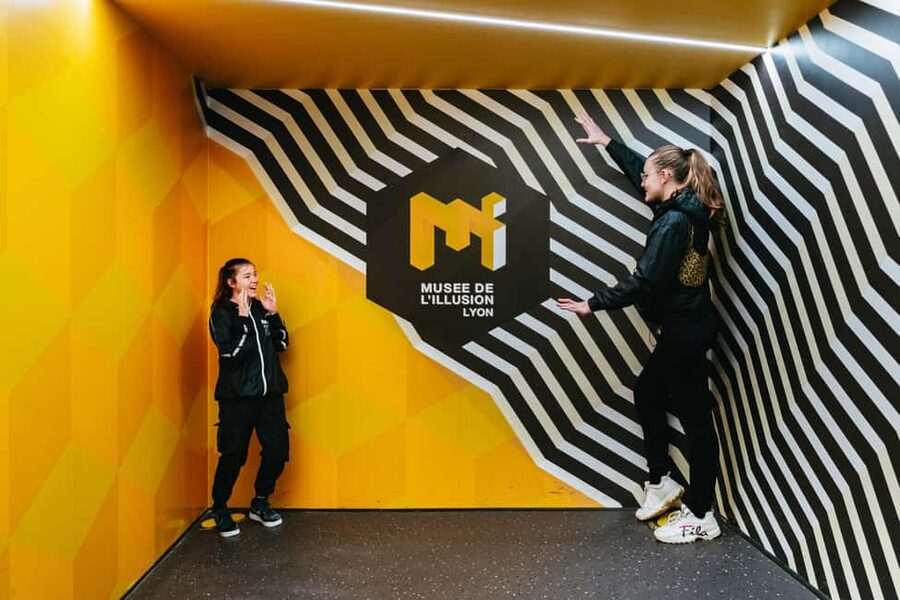
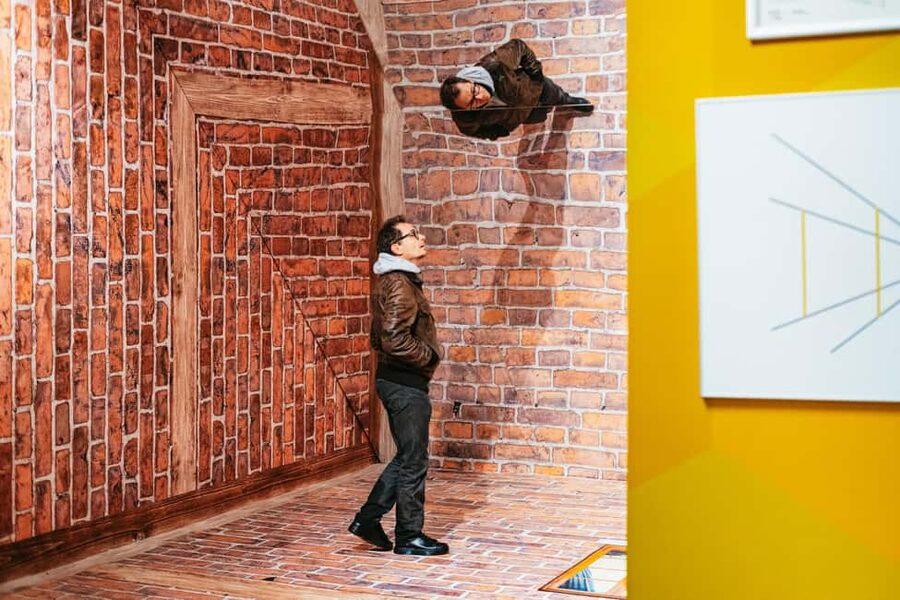
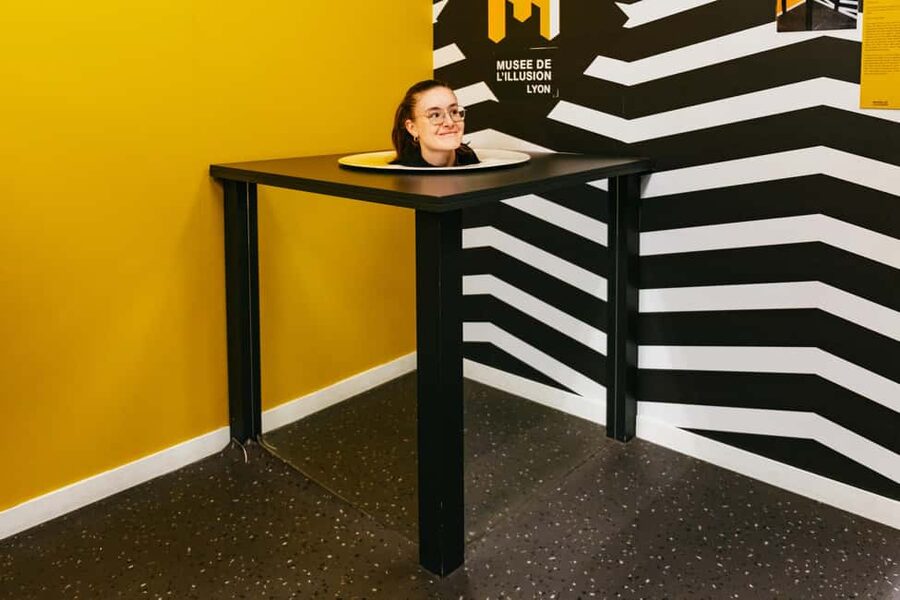
This museum is designed for fast, visual payoff. The common thread is bodily illusion—places where your body becomes part of the effect. The experience specifically highlights moments where you might appear to be floating in mid-air, standing upside down, or shrinking in size.
That’s why it works so well for families and groups. These are moments where even people who usually avoid museums end up participating. You don’t need a guide to tell you what to do. You just follow the setup and try a pose.
Two practical tips if you want great photos:
- Use a charged phone and take a few quick tries from slightly different angles. Optical effects can look different depending on where you stand.
- Treat lighting like part of the exhibit. If the room has strong light or a dark background, it can change how well your illusion photo reads.
Also, because the experience is interactive, you’ll likely repeat actions naturally: look, pose, check the effect, then adjust. That makes the time move quickly.
The Science Behind the Tricks: Puzzles and Visual Explanation

The fun is in the seeing, but the deeper satisfaction comes from the why. The museum includes visual information that explains the science behind illusions and helps you understand how perception can be fooled.
You’ll find a mix of:
- Visual information boards that connect the effect to how sight works
- Mystery-style rooms that make you slow down and observe
- Puzzles and optical elements that encourage problem-solving
I love this approach because it changes the experience from a passive attraction into something more like play with rules. You’re still having fun, but you’re also leaving with a better sense of how your eyes and brain collaborate—and sometimes disagree.
It’s also a great group experience. One person may notice the trick faster, while another will enjoy the puzzle side. The museum format encourages shared reactions like How did that work? and Wait, if I do this, it changes.
What Crowds Can Do to Your Hour
This is the part that deserves honesty.
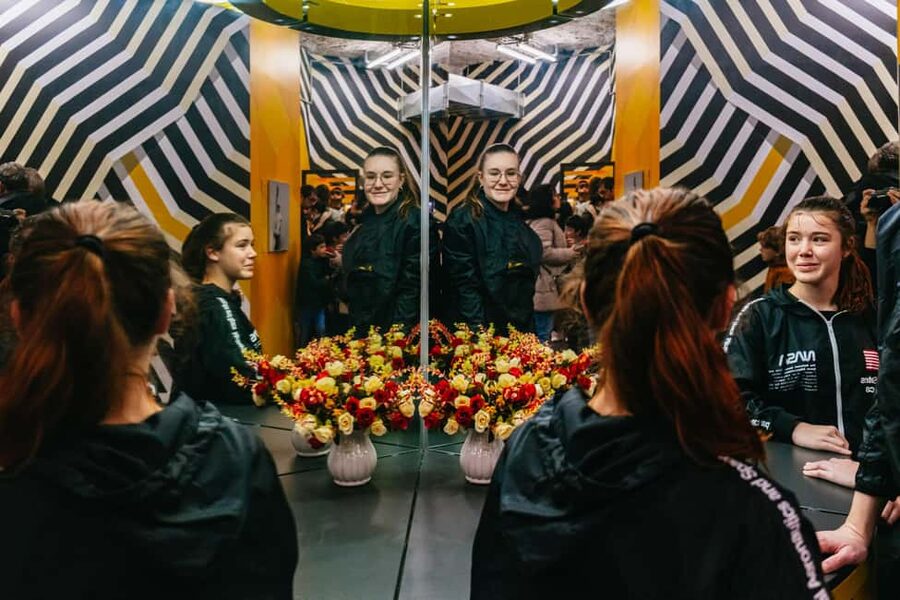
Several people have flagged crowd and entry management as a problem. Even when you reserve for an entry time, you might still wait. Some reports also describe heavy foot traffic inside the rooms and not enough help directing the flow. In a one-hour attraction, those delays add up fast.
So here’s my practical advice:
- Pick a time when the museum is likely less packed. Midday can be busier, especially with families.
- Don’t plan a tight connection right after your slot. Give yourself a little cushion.
- If you get stuck behind a group in one room, move on. You can come back later if time allows.
If you’re going with kids, crowd flow can make the visit feel more stressful than it needs to be. Going with the mindset of short stops and quick wins helps.

Price and Value at $22: Is It Worth It?
Let’s talk money in real terms.
At $22 per person, this is not the cheapest thing you can do in Lyon. If you’re a family of four, the total can feel like a bigger decision, especially when you compare it to longer attractions or more hands-on activities.
But the value is in the format:
- You get a compact, hour-long experience
- It’s built around interactive moments that work across ages
- You leave with both photos and a clearer understanding of perception
So when is it a good deal?
- When you want something fun and visual, not another long walking museum
- When your group likes interactive exhibits
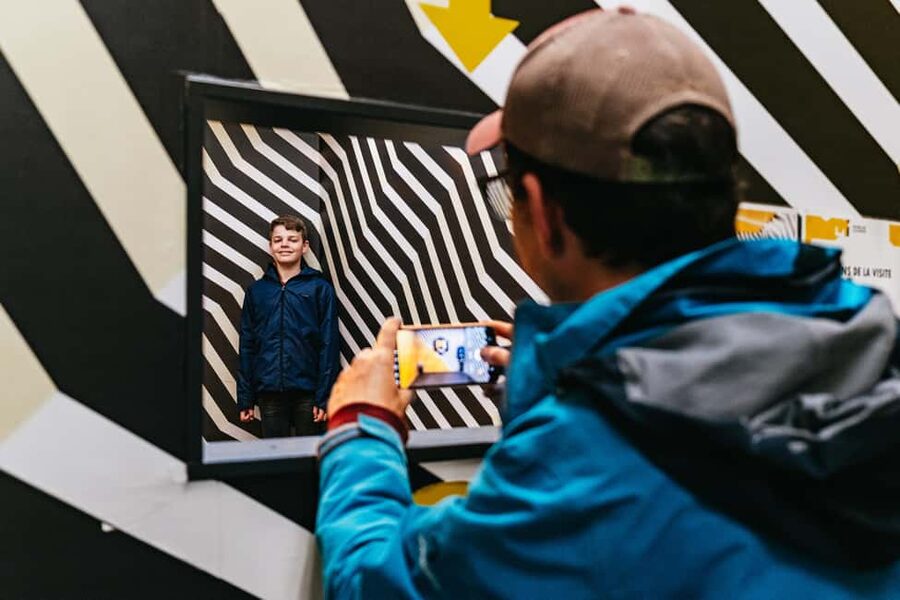
- When you’ll actually use the photo moments rather than just watch
When might it feel overpriced?
- If you’re visiting at a peak time and lose minutes to waiting
- If you expect a long, multi-hour experience
- If you prefer quiet, slow attractions over rooms designed for participation
My take: it’s best as a planned activity in a shorter schedule, not a replacement for an all-day cultural plan.
Who This Lyon Illusions Ticket Works Best For
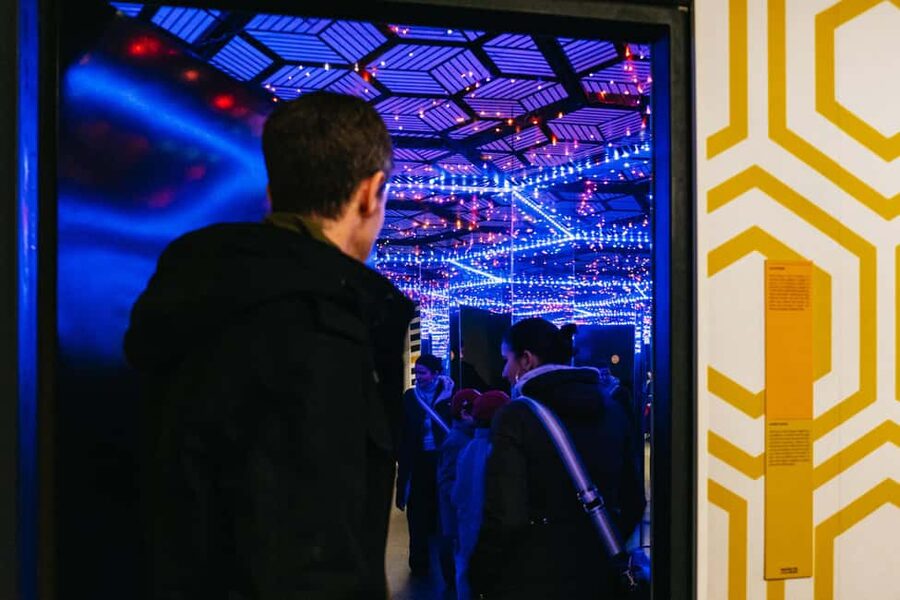
This museum is very good for groups. The attractions are clear and easy to join, which makes it friendly for:
- Families with children who like hands-on activities
- Couples who want something light and photo-friendly
- Friends who enjoy puzzles and visual challenges
- Anyone curious about perception and how easily the brain can be tricked
The museum also fits a “rain plan” mindset. If the weather turns, you’ve still got a fun indoor experience that doesn’t require hours of commitment.
If you’re someone who hates crowds, you should still go in with eyes open. The same popularity that creates great energy can also create congestion.
Rules That Affect Your Visit (So You Don’t Get Caught Off Guard)
A few basics matter because they affect behavior inside the rooms.
- Not allowed: food and drinks, and alcohol or drugs
- Plan to bring only what you need. The museum asks you to bring a camera and a charged smartphone.
That rule list means you should eat before you arrive, especially if you’re traveling with kids. It also means you’ll be focused on the exhibits rather than pausing for snacks.
And because food and drinks aren’t allowed, you’ll want your photo and puzzle time to feel uninterrupted. The museum is designed to keep you moving from illusion to illusion.
Should You Book This Ticket for Lyon?
Book it if you want a short, interactive, photo-friendly experience that also teaches you something about perception. The one-hour format is ideal when you’re building a day itinerary and don’t want to guess at timing.
Skip it or adjust expectations if:
- you’re hoping for a long, deep museum visit
- you’re extremely sensitive to crowds and lines
- you’re visiting during a likely peak period and can’t be flexible
If you go, do it like this: arrive ready to move, bring your camera and phone battery, and treat each room like a quick puzzle you can solve with your body and eyes. It’s a fun way to spend an hour in Lyon, especially with family or friends who enjoy getting involved.
FAQ
How long does the Museum of Illusions ticket last?
The experience is listed as about 1 hour. Starting times may vary, so check availability when you book.
What’s included in the ticket?
Your ticket includes entrance only. Food and drinks are not included.
How much does it cost?
The entrance ticket price is $22 per person.
What should I bring?
Bring a camera and a charged smartphone for photos.
Are food and drinks allowed inside?
No. Food and drinks are not allowed, and alcohol or drugs are also not allowed.
What cancellation options are available?
There is free cancellation up to 24 hours in advance for a full refund.