REVIEW · OTTAWA
Ottawa: Canadian War Museum Admission
Book on GetYourGuide →Operated by Canadian Museum of History & War Museum · Bookable on GetYourGuide
Military history hits differently here. The Canadian War Museum in Ottawa pairs powerful storytelling with a striking Raymond Moriyama-designed building concept called regeneration, built to make you think about the cost of conflict and the possibility of something better.
I especially like the way the exhibits mix personal stories with real objects, photos, and interactive presentations. I also love the museum’s focus on quiet, reflective spaces like Memorial Hall, where you can stand in the presence of the headstone of Canada’s Unknown Soldier.
One drawback to consider: it’s big, and if you only have a short visit window, you may miss sections—some people plan 6 to 8 hours to really take it in.
In This Review
- Key things I’d plan around
- A war museum that uses design, not just displays
- Start with the building’s message: Morse code and regeneration
- Memorial Hall: the quiet portion you’ll remember
- The permanent galleries: follow Canada through multiple eras
- LeBreton Gallery: tanks and artillery up close
- Temporary exhibitions and special displays that hit with variety
- Art, archives, and the Beaverbrook War Art collection
- Where a veteran moment can make it feel alive
- How to pace a full day at 1 Vimy Place
- Tickets and value: is $18 per person worth it?
- Practical tips that save time and frustration
- Should you book the Canadian War Museum admission in Ottawa?
- FAQ
- Where is the Canadian War Museum located?
- How much does admission cost?
- How long should I plan to spend?
- What’s included with the ticket?
- What should I bring?
- Are pets allowed?
- Is the museum wheelchair accessible?
- Are there ticket discounts for kids or young adults?
- Can I cancel?
Key things I’d plan around
- Regeneration architecture by Raymond Moriyama, including Morse-code lettering and intentionally imperfect textures
- Memorial Hall reflection, including the Unknown Soldier headstone experience
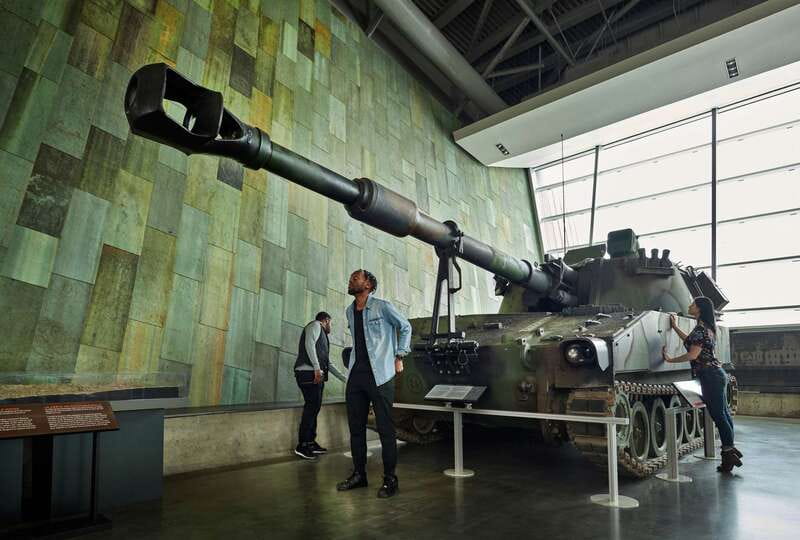
- Large artillery and vehicles in the LeBreton Gallery—tanks are not background décor
- Permanent galleries + rotating temporary exhibits, covering early wars through contemporary conflicts
- Quiet spaces throughout the museum that encourage you to slow down, not just scroll through history
A war museum that uses design, not just displays
The Canadian War Museum is Canada’s national museum of military history, but it doesn’t feel like a typical “rows of artifacts” place. The building itself is part of the message. Designed by Raymond Moriyama, the museum’s structure and surrounding grounds reflect regeneration—hope after damage—and it shows in details you’ll notice as you move around.
You’ll see Morse-code windows spelling out Lest We Forget / N’oublions jamais, and you’ll encounter rougher concrete textures and uneven floors. That physical messiness isn’t there to be weird. It’s a reminder that war doesn’t come out neat and tidy, and peace doesn’t either.
If you’re the type who likes meaning behind the method, this museum lands. The architecture prepares you for exhibits that don’t treat military history like a trivia contest. They treat it like human choices, human loss, and human consequences.
You can also read our reviews of more museum experiences in Ottawa

Start with the building’s message: Morse code and regeneration

Before you even pick an exhibit line, take a few minutes to read the building. It’s one of those rare museums where the exterior and layout are designed like an introduction.
Here’s what makes it practical for your visit: the regeneration concept helps you understand the museum’s rhythm. You’ll move between heavier, harder spaces and then back toward sections that hint at renewal—without pretending conflict never happened. That makes it easier to pace yourself emotionally, especially if you’re visiting with kids or if you’re more sensitive to memorial themes.
Also, if you’re a photo person, this is one of the best places in Ottawa for non-generic museum pictures. The Morse code windows and the concrete textures give you visual variety without hunting for the perfect angle.
Memorial Hall: the quiet portion you’ll remember
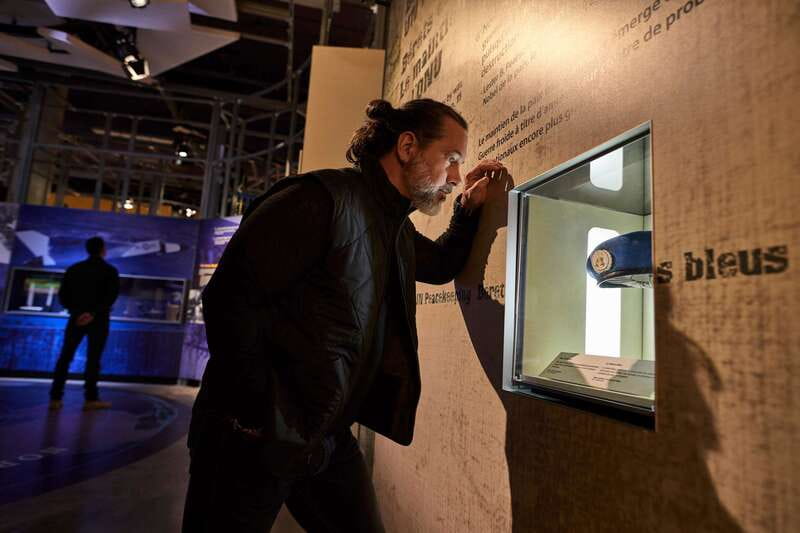
If the rest of the museum is about learning, Memorial Hall is about presence. The museum includes several spaces meant for quiet reflection, and this is the one people tend to talk about because it asks you to slow down.
The centerpiece is the headstone of Canada’s Unknown Soldier. Standing in that space is a powerful moment, not because it’s theatrical, but because it’s simple and direct. You don’t need extra context to feel the weight of it; the setting does the work.
A practical tip: don’t rush this stop. Even if you’re tempted to “hit the big thing and move on,” give yourself a little unhurried time here. If you’re visiting with a mixed group, this is also a good place to let everyone set their own pace—some people want a quick look, others want longer.
The permanent galleries: follow Canada through multiple eras
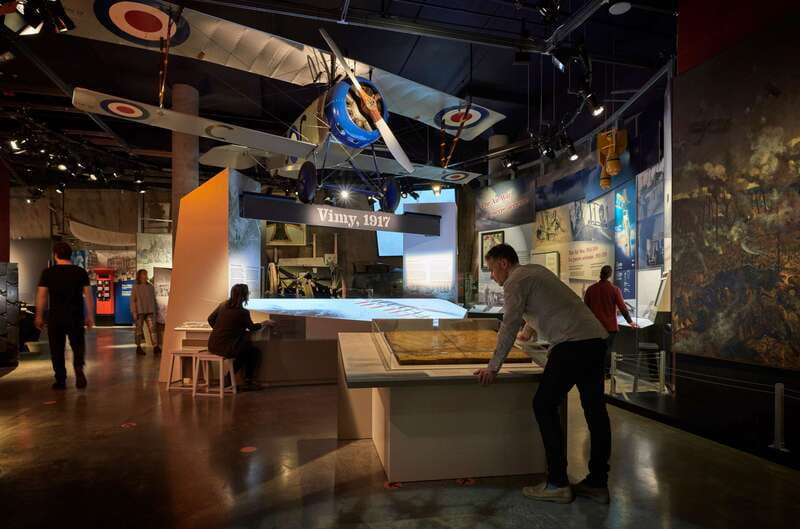
After the memorial spaces, you’ll get into the museum’s heart: galleries that explore Canadian military history across eras. The museum covers everything from early wars in Canada to contemporary conflicts, and it doesn’t stick to just one format.
What you’ll actually experience:
- thousands of personal stories
- objects, photographs, and works of art
- interactive presentations and immersive environments
- enough detail that you can choose how deep to go
This matters because military history can feel overwhelming. This museum helps you avoid that problem by offering multiple “entry points.” You can read short labels, watch interactive pieces, or focus on uniforms and equipment. You can also build a route that matches your interest: one path for World War II, another for vehicles, another for art and personal accounts.
If you’re history-first, you can treat it like a timeline. If you’re experience-first, you can treat it like a set of themes, where each gallery adds a different kind of understanding.
LeBreton Gallery: tanks and artillery up close
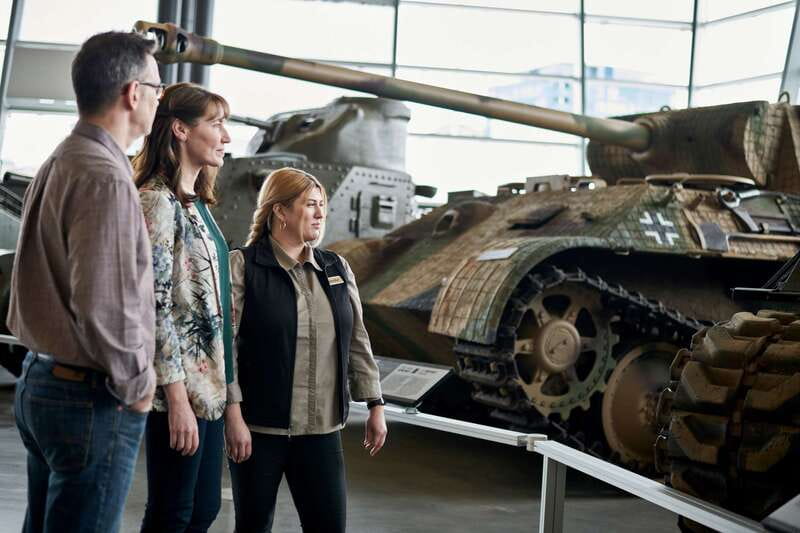
In most museums, vehicles are impressive in a distance kind of way. In the Canadian War Museum, large artillery and military vehicles in the LeBreton Gallery are meant to be seen up close. It’s one of the most effective sections for making history feel physical.
Expect to notice scale, wear, and design choices that only make sense once you see the real thing. If you’re traveling with kids, this is often the easiest “yes” moment of the day. Even if they don’t love the text yet, they can’t ignore the machines.
This is also a good place to reset your attention. After memorial rooms and document-heavy sections, vehicle halls bring you back to a more tangible sort of learning: engineering, logistics, and the realities of what armies relied on.
Temporary exhibitions and special displays that hit with variety
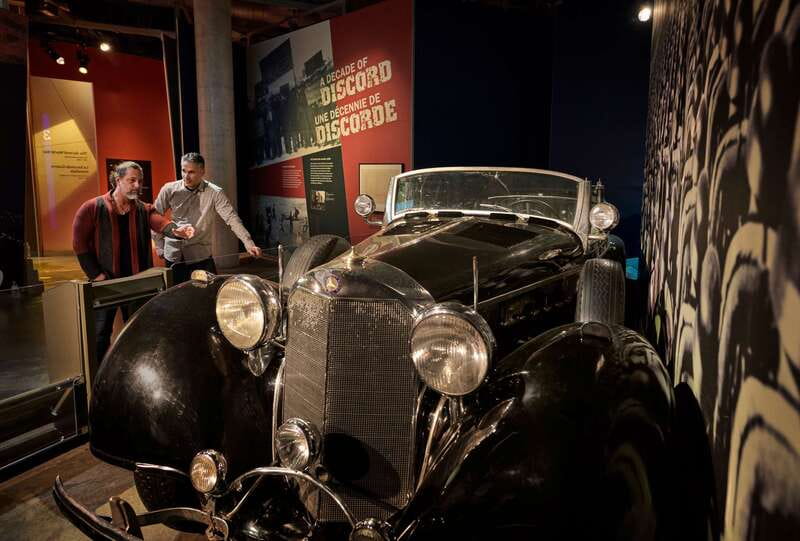
The museum isn’t limited to permanent galleries. It also features thought-provoking temporary exhibitions. Based on what’s been shown, the themes can range from major war coverage (including First and Second World Wars) to subjects like art produced by women in conflict zones.
One exhibit name that stands out from recent programming is In Their Own Voices. It focuses on struggles faced after the wars and after service. That’s the kind of exhibit that changes how you think about victory and aftermath. The emphasis is not just on battles, but on the lives that followed.
You might also pick up details through family-friendly surprises. One visitor mentioned Teddy from the book A Bear in War being associated with the museum, which can be a fun way to make the story-world feel connected. If you’re traveling with readers or kids who like that type of link, consider adding a little time specifically for any story-based displays you see.
Art, archives, and the Beaverbrook War Art collection
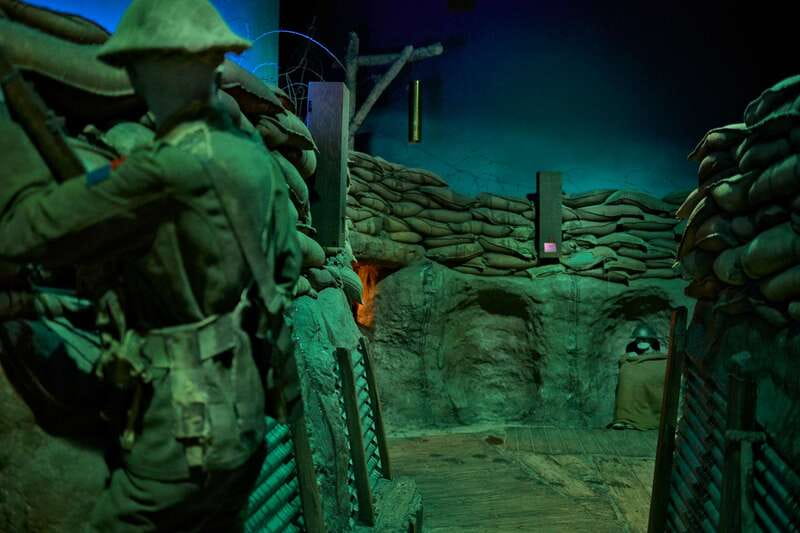
A big reason this museum stands out is the strength of its collections. The museum has rare vehicles, artillery, uniforms, medals, small arms, and rare books and archives. It also includes the outstanding Beaverbrook Collection of War Art.
Even if you’re not the kind of person who seeks out art in museums, this kind of collection helps you understand war beyond weaponry. Art can show what people thought, feared, documented, or hoped for—often in ways that photographs and official records can’t fully capture.
From a planning standpoint, this is another reason to avoid the “two-hour sprint” mindset. If you want the art and archives to land, you’ll need time for them to sink in.
Where a veteran moment can make it feel alive
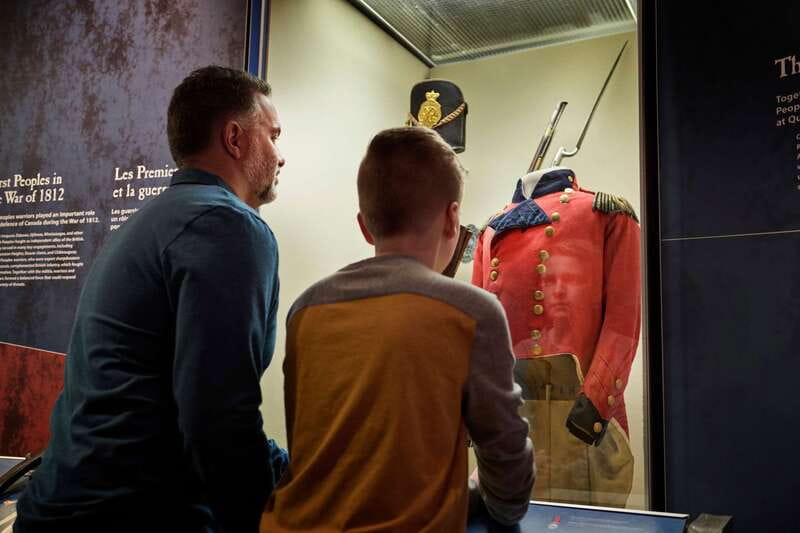
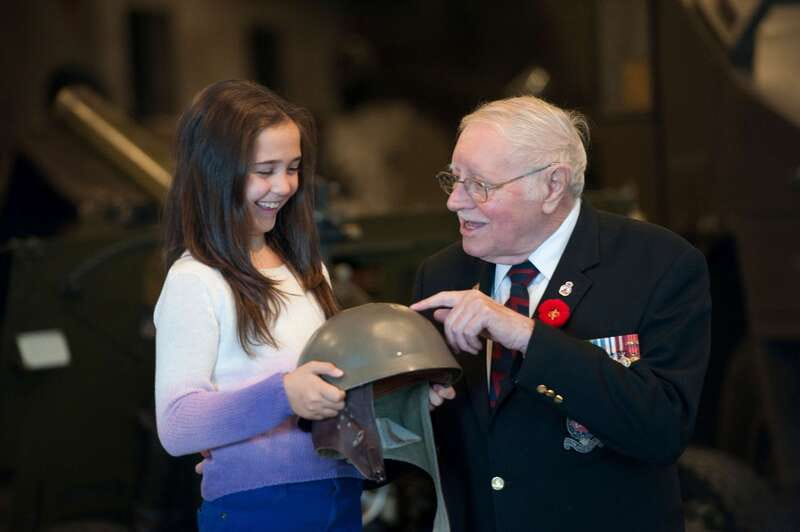
The highlights include a chance to chat with a veteran and have history come alive. Your experience here can depend on what’s happening during your visit, but the key idea is important: the museum doesn’t only rely on objects and text. It also connects you to lived experience.
If your visit schedule allows, keep an eye out for moments when staff offer talk-time or when veterans are present. Even a short conversation can change how you read labels afterward.
And if you’re visiting with someone who tends to tune out museum explanations, this is often where attention snaps back. Personal voice can do in 30 seconds what paragraphs can’t.
How to pace a full day at 1 Vimy Place
You’re looking at a one-day visit with access to permanent galleries and special exhibitions. The museum is at 1 Vimy Place, Ottawa, and it’s easy to reach from downtown Ottawa by foot, bicycle, public transit, or car.
One practical reality: the museum is big. Many visitors recommend planning serious time. Some people call out 6 to 8 hours if you want to read and look rather than just walk through.
Here’s a pacing approach that works:
- Start with the sections that set context (architecture, then major galleries)
- Put Memorial Hall on your route when you can give it time
- Use the vehicle and artillery areas as your “hands-on” breaks
- Save a bit of time at the end for temporary exhibits so you don’t feel rushed
Also, bring comfortable shoes. The uneven floor design is part of the museum’s message, so expect to walk more than you think.
Food and drinks aren’t included, and eating isn’t listed as allowed inside your visit flow. If you need meals, plan that around your outside time before and after.
Tickets and value: is $18 per person worth it?
At about $18 per person, the ticket price can feel reasonable for what you get—especially compared with museums that offer fewer hours of meaningful content. You’re paying for admission that covers permanent galleries and special exhibitions, plus a multilingual museum guide and a self-serve coat check.
The real value question is time. If you go in knowing you’ll spend a full chunk of your day reading and watching, it’s a strong use of money. If you only have a short stop, the cost-per-minute can feel worse, because you won’t see everything that makes the museum special.
Canada also has admission discounts through the Canada Strong Pass initiative from December 12, 2025, to January 15, 2026. If you’re eligible, that can make the museum an even better deal. You’ll also find:
- free general admission for children and youth aged 17 and under
- 50% off general admission for young adults aged 18 to 24 (proof of age may be required)
So if you’re planning a trip during that window—or you have kids or young adults in your group—check eligibility before you buy.
One more value note: the museum is wheelchair accessible, and the flow of spaces is designed so you can choose what to focus on. That flexibility is part of the “value,” even if it’s not priced on a receipt.
Practical tips that save time and frustration
A few smart things to do before you walk in:
- Wear shoes you can stand in for hours.
- If you’re traveling with bags, use the self-serve coat check rather than carrying everything through exhibits.
- Go to the Canadian War Museum, 1 Vimy Place, and once inside, head directly to the exhibition access point. You don’t need to go to the Museum Box Office for this experience.
Also, be prepared for a museum day that’s more reflective than many attractions. You’re not only learning facts; you’re walking through a space designed for remembrance and processing. That can be moving in a good way, but it also means you shouldn’t schedule back-to-back “heavy” attractions right after.
Should you book the Canadian War Museum admission in Ottawa?
Yes—book it if you want a top-tier national museum experience with both learning and reflection. The museum’s strengths are real and practical: the architecture sets the tone, Memorial Hall makes an unforgettable moment of respect, and the LeBreton Gallery brings military history into full scale.
You might skip or shorten your visit if you’re someone who prefers light, fast attractions over deep content, or if your schedule only allows a quick stop. This museum rewards time. If you give it that time, you’ll come away with a clearer sense of Canada’s military story and its human impact.
FAQ
Where is the Canadian War Museum located?
The Canadian War Museum is at 1 Vimy Place, Ottawa, Ontario, Canada.
How much does admission cost?
Admission is listed at $18 per person.
How long should I plan to spend?
This experience is listed as 1 day. Many visitors recommend planning several hours to see and read at a comfortable pace.
What’s included with the ticket?
Your ticket includes admission to the Canadian War Museum, access to permanent galleries and special exhibitions, a multilingual museum guide, and a self-serve coat check.
What should I bring?
Bring comfortable shoes, since you’ll be walking and standing through many exhibit spaces.
Are pets allowed?
Pets are not allowed. Assistance dogs are allowed.
Is the museum wheelchair accessible?
Yes, it is wheelchair accessible.
Are there ticket discounts for kids or young adults?
The Canada Strong Pass initiative offers discounted general admission to national museums for young people during the period Dec 12, 2025, to Jan 15, 2026. The info also notes free general admission for ages 17 and under and 50% off for ages 18 to 24, with proof of age possibly required.
Can I cancel?
Cancellation is allowed up to 24 hours in advance for a full refund.