REVIEW · LISBON
Lisbon: 3D Fun Art Museum Admission Ticket
Book on GetYourGuide →Operated by 3D Fun Art Museum Lisboa · Bookable on GetYourGuide
A 3D photo museum in Lisbon turns walking into play. You’ll work your way through 40 visual scenarios and optical illusions, then line up for that famous infinity mirror room where the angles feel impossible. It’s a fun way to spend an hour or so without needing a schedule full of “must-dos.”
The best part is how easy it is to make great photos fast, even if you’re not a “camera person.” I also like that it’s genuinely family-friendly, so kids aren’t stuck “looking at art” while adults squint at labels. One caution: because it’s self-guided and room-to-room, you can skip scenes if you rush or don’t slow down to check each setup.
In This Review
- Key Things You’ll Notice Fast
- A Self-Guided Photo Playground in Lisbon
- How the 40 Visual Scenarios Work (and How to Get Better Shots)
- Infinity Mirror Room: Why the Magic Keeps Tricking Your Eye
- Specific Fantasy Stops to Look For: Van Gogh, Safari, Dinosaurs, and More
- Time, Price, and When a $15 Ticket Makes Sense
- Family vs. Solo: Who This Museum Fits Best
- Before You Go: What to Bring and How to Navigate
- Should You Book the Lisbon 3D Fun Art Museum Ticket?
- FAQ
- How long is the Lisbon 3D Fun Art Museum experience?
- What’s included with my ticket?
- Is a tour guide included?
- Where do I meet for the visit?
- What language support is available?
- What should I bring with me?
- Can I cancel for a refund?
- Can I reserve first and pay later?
Key Things You’ll Notice Fast

- 40 photo scenarios built for posing, not just looking
- Infinity mirror room for that surreal reflection effect
- Fantasy scenes that mix recognizable art with goofy character play
- Optical illusion rooms where the “correct” viewpoint matters
- No tour guide included, so you’ll drive your own pace
A Self-Guided Photo Playground in Lisbon

The 3D Fun Art Museum in Lisbon is a modern take on museums. Instead of quiet galleries and long readings, you get a series of rooms that ask one thing from you: stand in the right spot and interact with the scene. The museum experience is set up so you can move at your own speed, whether you’re traveling with kids, coming with friends, or just hunting for a different kind of Lisbon stop.
I like that it feels low-pressure. You’re not expected to understand art history first. You just follow the visual instructions the room gives you—then you get a photo that looks like you’re inside the artwork. One review even pointed out the diversity of scenarios for photos, and that matches what the museum’s concept is built around.
The practical side: there’s no tour guide included with the ticket. That can be a plus for flexibility, but it also means you rely on what’s in front of you (and your own sense of where to stand). If you’re the type who wants someone to explain every scene, you might feel a little on your own.
A few more Lisbon tours and experiences worth a look


How the 40 Visual Scenarios Work (and How to Get Better Shots)
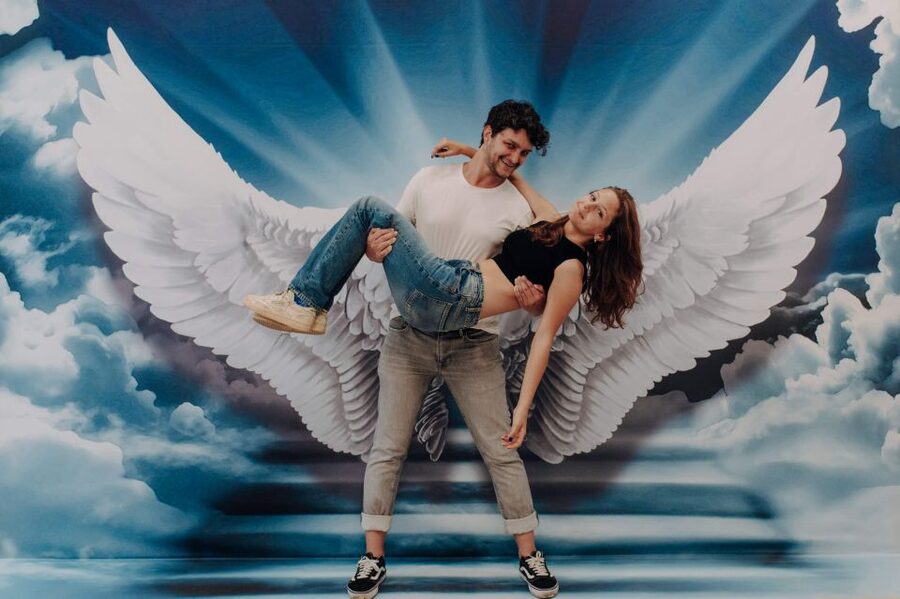
The museum features 40 different visual scenarios, and many are built from combinations of 2D artwork, depth tricks, and optical illusions. The result is that your photos are part art, part game. The museum isn’t just for viewing; it’s designed for you to act inside the frame.
Here’s the key to enjoying it and getting photos that actually work:
- Take your time finding the pose spot. If the room has a clear perspective line or a “stage” area, start by lining yourself up before you start snapping.
- Use your camera’s burst mode (if it has one). In these rooms, tiny movements change the effect.
- Move your body, not your camera attitude. Often the room expects your head/legs/arm placement to match what’s printed on the wall or floor.
- Don’t rush the illusion logic. Many optical rooms only look right from a specific angle.
One review shared that the final photo results were great, but they felt they may have missed some rooms because they got lost somewhere. That’s a real risk in any multi-room museum—especially one like this where your attention is split between the walls and your phone. My advice: do a simple “scan and check” as you go. When you finish a scenario, glance for the next doorway and confirm you didn’t skip an entire section.
You’ll also notice the museum leans into humor and imagination. There are scenes that feel like stage sets, like your body is a character in someone’s fantasy story. That’s why the museum works for both adults and kids: you don’t need a formal guidebook to make sense of it.
Infinity Mirror Room: Why the Magic Keeps Tricking Your Eye
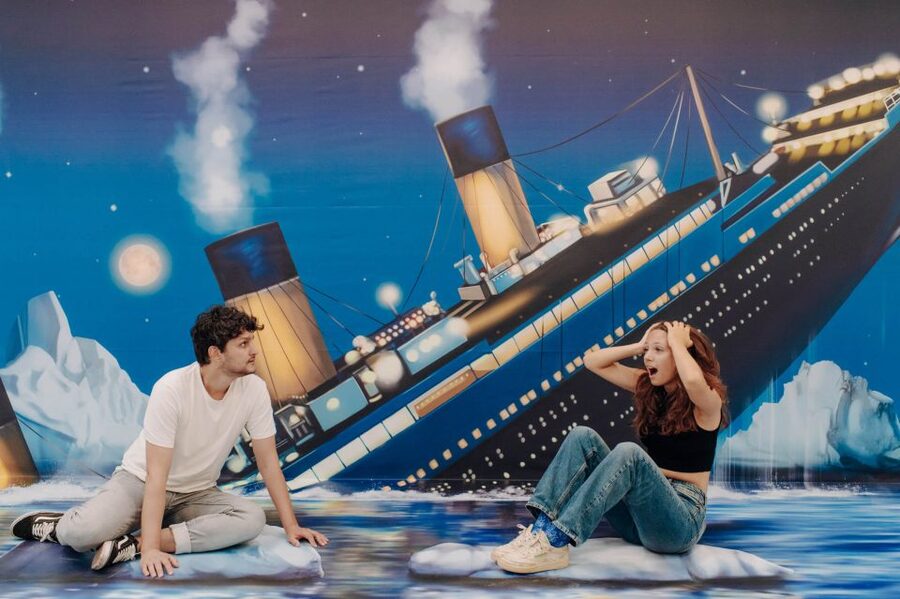
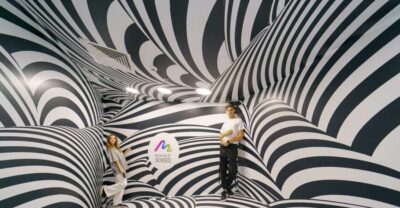
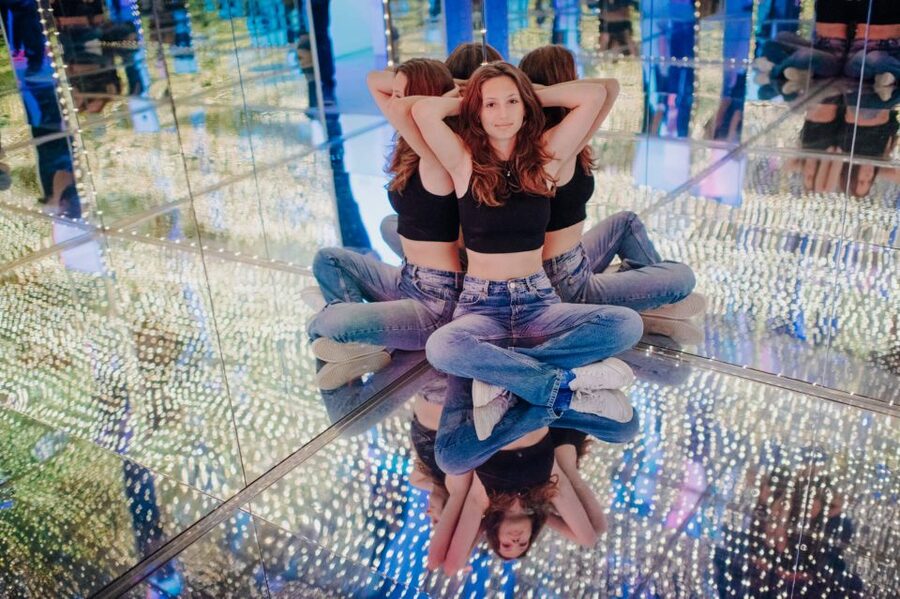
The museum’s infinity mirror room is the big headliner for a reason. Mirrors and lighting create repeated depth, so you get a looped look that feels endless. The trick is that it depends on your position and how the room captures reflections.
What I like about this room as a photo stop is that it’s forgiving compared to some optical illusions. Even if you don’t nail the exact pose, the room still creates that dramatic “how is this even possible?” look.
A few practical tips if you want more satisfying results:
- Stand farther back than you think at first. The room effect can change as you move closer.
- Try 2–3 different angles. One straight-on shot, one slightly off-center, and one with you closer to the floor effect.
- Watch for glare. Mirror rooms can reflect lights and make your screen washed out. Adjust your angle and keep the lens clean.
The infinity room also helps break up the museum rhythm. You’ve spent time interacting with flat-looking scenes that become 3D through perspective, and then this room flips the concept. Instead of “painted depth,” you get “reflected depth.” That contrast makes the visit feel more varied than a single-style attraction.
Specific Fantasy Stops to Look For: Van Gogh, Safari, Dinosaurs, and More
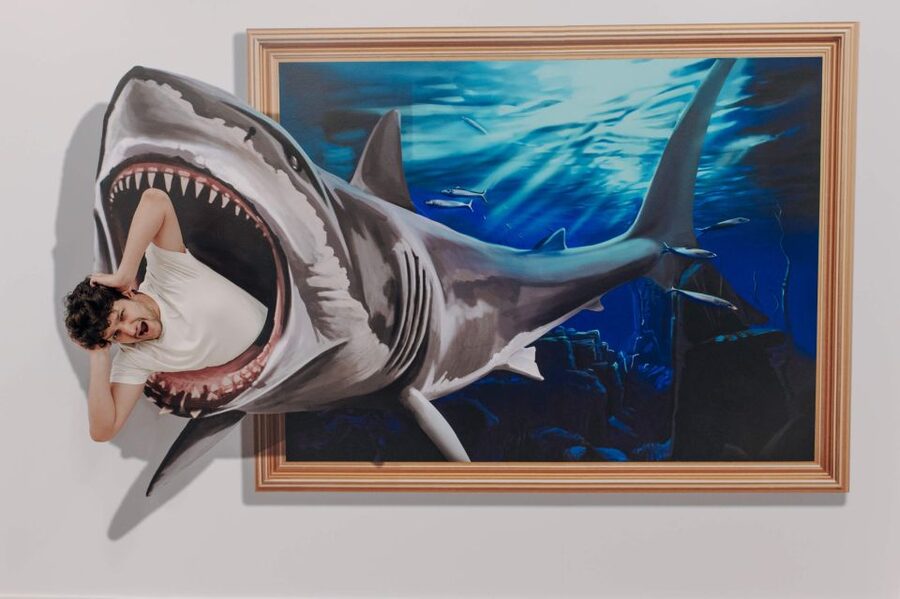
One reason people return to this kind of museum is that it doesn’t stick to one theme. It mixes classic art vibes with cartoon-level silliness, and it gives you role-play options all over the building. You’ll see a range of fantasy worlds designed for photos, including:
- Van Gogh’s doctor: You’re not just looking at a scene. You become part of the story setup with the right placement.
- A safari scene: Another “character in a world” moment where the background and your position create the final effect.
- A dinosaur as a pet: Pure playful absurdity, and that’s exactly why kids tend to love it.
- A head being served on a table: Dark humor meets art-studio staging. Expect a fun photo opportunity and plenty of giggles.
- A glass of wine served by God in Michelangelo’s Creation of Adam: This is where the museum gets clever—familiar art references turned into a modern, goofy photo moment.
These specific scenes matter because they’re not random decorations. The museum is designed so each scenario gives you a different kind of “pose challenge.” Some are about symmetry. Some are about “you are here” placement. Others are about making the scene feel like it’s happening around you.
And yes, there’s also a room that people call out for being especially memorable—like a confetti room where the illusions feel extra joyful. That kind of high-color, high-energy environment is exactly what keeps the visit fun instead of tiring.
Time, Price, and When a $15 Ticket Makes Sense
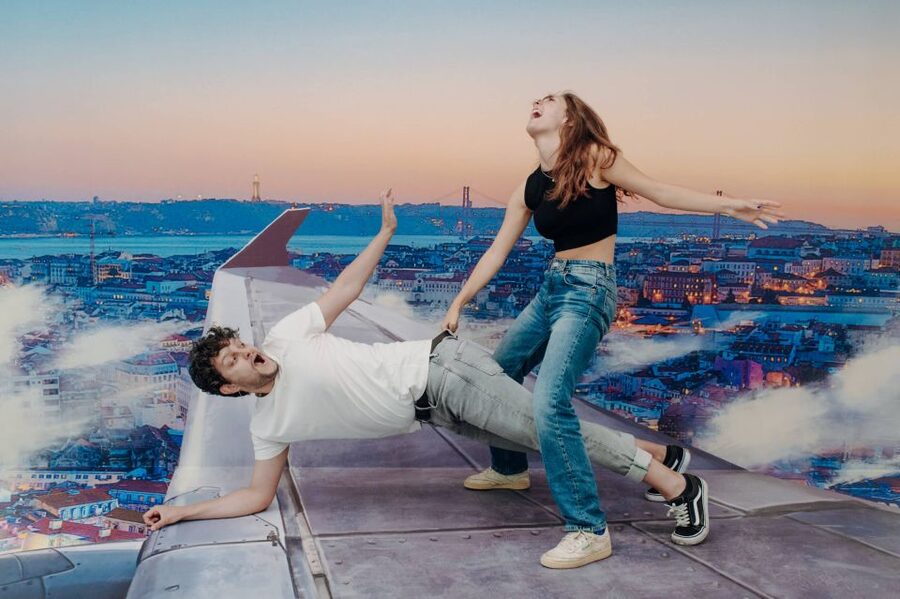
The ticket price is $15 per person, and the experience is listed for 1 day (so you can choose a starting time when availability is shown). For a modern photo museum, that price is usually about value per minute: you’re paying to have access to lots of prepared scenarios and to the infinity mirror room—one of the main attractions.
Is $15 a deal? It can be, if you go in with the right expectations. This isn’t a museum where you’ll spend hours reading and studying objects behind glass. It’s a “do the thing” type of attraction. If you’re the kind of traveler who loves quick, high-impact activities that also produce shareable photos, it’s a strong match.
Here’s how to think about value for your group:
- Families: Kids often enjoy the interactive role-play more than typical indoor activities, so the cost spreads across different ages.
- Couples/friends: You can turn it into a mini photo project—each of you gets to try a few scenes without needing a guide.
- Solo travelers: It’s still worth it if you enjoy illusions and don’t mind taking extra time to frame shots.
The one value risk is obvious: if you don’t enjoy playful posing or you rush through without slowing down for perspective, you might feel like you didn’t see enough. And because there’s no tour guide, you won’t get help finding every room if you lose track.
You can also read our reviews of more museum experiences in Lisbon




Family vs. Solo: Who This Museum Fits Best
This museum’s whole style is built for people who want interaction. That makes it a great fit for families and a surprisingly good fit for adults who just want a break from “serious travel.”
One family-focused review described it as a very fun hour for their family. That lines up with how these attractions usually work: once you’ve done a handful of scenarios and the mirror room, the momentum carries you to the end without dragging.
So who will love it most?
- Parents with kids: The scenes feel like games, and the museum’s playful themes tend to keep attention.
- Adults who like photography: You’ll get better results because the rooms are designed to reward specific viewpoints.
- Groups who enjoy kitschy fun: It’s creative, colorful, and photo-first.
Who might want to rethink it?
- If you’re hoping for a traditional museum with a calm pace, long explanations, and historical context, you may find it too playful.
- If you dislike crowds of photo-spotting (and you need quiet), you might feel impatient. The info you have says nothing about crowd control, so I’d treat it as a do-it-early style stop when possible.
Also, bring your own “strategy mindset.” In a room built for illusions, rushing is like taking a bad route in a maze. It’s not hard to figure out, but you’ll get better results if you move slower.
Before You Go: What to Bring and How to Navigate
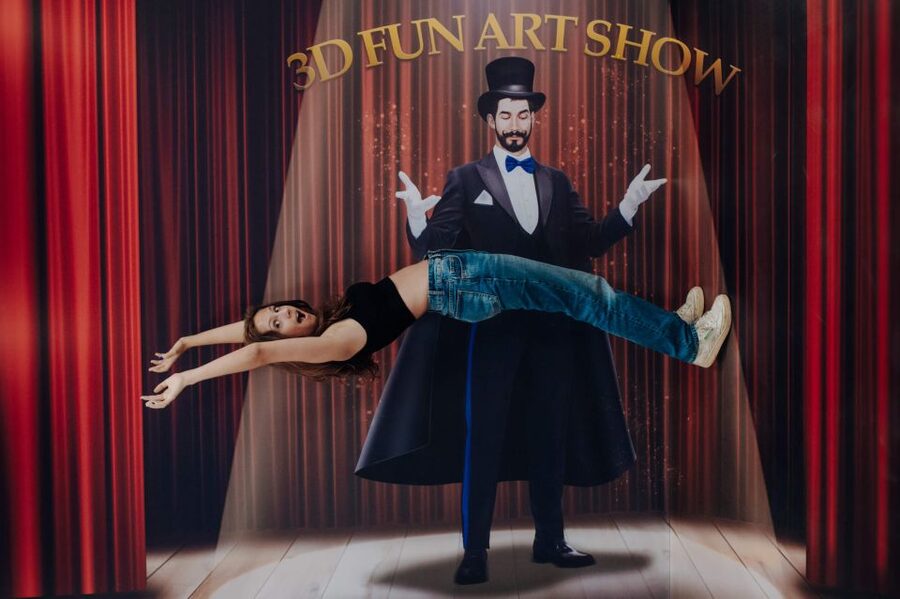
The museum says to bring a camera, and that’s the right call. Even if you primarily use your phone, treat it like a camera outing: clean the lens, check you’re set to the right focus, and remember that mirror rooms and bright scenes can mess with your exposure.
A few navigation tips that keep your visit smooth:
- Plan for changing viewpoints. Optical illusion rooms often work best from one spot, so be ready to step back and redo shots.
- Don’t ignore the next door. The one drawback that showed up in feedback is missing rooms by accident. Use a simple routine: when you finish a scenario, check the map area if there is one, or look for signage near each doorway so you don’t leave a section behind.
- Use the infinity mirror room as your photo grand finale (or close to it). It’s the most distinctive experience, so you’ll enjoy it more when you’re ready for the “big wow” moment.
Also, because the museum is listed with Portuguese and English language support, you can expect staff interaction when needed—but the experience itself is still self-directed. If anything is unclear, ask at the front when you arrive. That’s your best path to not missing rooms.
Should You Book the Lisbon 3D Fun Art Museum Ticket?
Book it if you want a fun, photo-driven indoor activity in Lisbon that works for both kids and adults. The 40 visual scenarios plus the infinity mirror room give you variety, and the themes range from art references (like the Michelangelo-inspired scene) to pure silliness (like the dinosaur pet moment). At $15, it’s usually good value because you’re paying for access to multiple prepared photo experiences in one place.
Consider skipping (or pairing it with something else) if you’re after a traditional museum with guided explanations and slow cultural immersion. With no tour guide included, the experience runs on your curiosity and your willingness to pose and play.
If you go with a camera, keep an eye out for every room as you move, and take a few extra minutes to line up your perspective, you’ll come away with pictures that feel like you actually stepped into the art—not just watched it.
FAQ
How long is the Lisbon 3D Fun Art Museum experience?
The ticket is valid for 1 day. One review specifically mentioned their family had about a one-hour visit, but your pace may vary.
What’s included with my ticket?
Your ticket includes admission to the 3D Fun Art Museum.
Is a tour guide included?
No. A tour guide is not included with this admission ticket.
Where do I meet for the visit?
You meet directly at the museum.
What language support is available?
The host or greeter is listed as Portuguese and English.
What should I bring with me?
Bring a camera for your photos.
Can I cancel for a refund?
Yes, free cancellation is available up to 24 hours in advance for a full refund.
Can I reserve first and pay later?
Yes. The option listed is reserve now & pay later, meaning you can book your spot and pay nothing today.