REVIEW · LONDON
London: British Museum Private Guided Tour with Tickets
Book on GetYourGuide →Operated by Anthonys Tours · Bookable on GetYourGuide
A museum can feel like speed-walking through time. This private British Museum tour turns the chaos into a clear path, with a Blue Badge guide who explains what you’re actually looking at. In just 2.5 hours, you hit the big touchstones of human history, from the Rosetta Stone to Anglo-Saxon England.
I especially like the way the route is built around meaning, not just objects. You get standout stops like the Rosetta Stone and the Parthenon sculptures, with context that makes the pieces click. One drawback to plan for: it’s a tight timeline, and there’s also no audio recording allowed, so you’ll want to take notes if you’re the type who likes to remember everything.
In This Review
- Key things that make this tour work
- Entering the British Museum: fast security, clear starting point
- Who Anthony Matthews is, and why a Blue Badge guide changes the visit
- The 2.5-hour highlights route: Rosetta Stone to Sutton Hoo
- Rosetta Stone: why one object can unlock a whole civilization
- Egypt beyond Tutankhamun: Ramses II, a metal cat, and the giant scarab
- Greek highlights: Parthenon sculptures and why the room feels right
- Rome in an hour: conquest, gladiators, Roman glass, and emperors
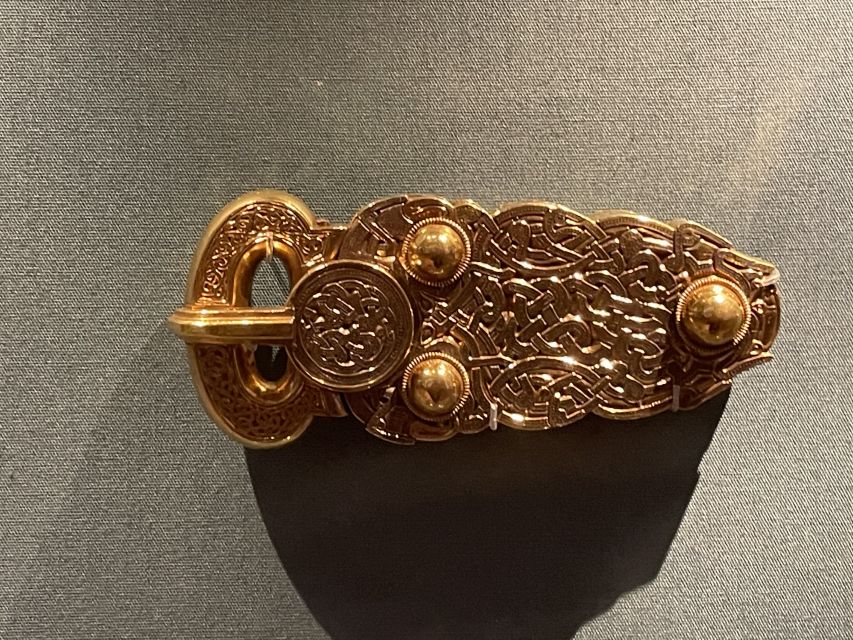
- Sutton Hoo: the mystery that turns archaeology into a time machine
- Price and value: is $337 per group up to 6 actually fair?
- Practical tips so your tour feels smooth
- Who should book this private British Museum tour?
- Should you book it?
- FAQ
- FAQ
- How long is the British Museum private guided tour?
- What’s the maximum group size?
- What’s included in the price?
- Are transportation or meals included?
- Where do we meet the guide?
- Does the tour skip the line?
- Is audio recording allowed during the tour?
- Is the tour wheelchair accessible and in English?
Key things that make this tour work
- Blue Badge guide-led storytelling focused on why each artifact matters, not just what it is
- Skip the line via express security, so you start seeing things faster
- A standout lineup: Rosetta Stone, Greek antiquities, Roman highlights, and Sutton Hoo
- Tailored pacing for your interests, with time for questions during the walk
- Family-friendly energy, including keeping kids engaged without dumbing anything down
- Private group up to 6 people, which makes the whole visit feel personal
Entering the British Museum: fast security, clear starting point
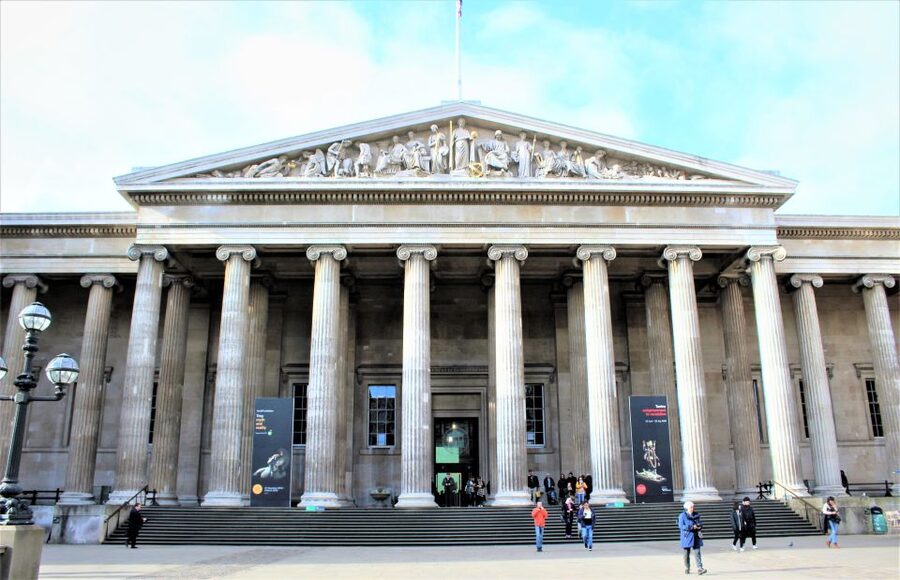
The biggest win is timing. You meet at the British Museum on Great Russell Street and use an express security check so you don’t waste your morning or afternoon stuck in the line. The guide appointment matters here: you should arrive 15 minutes early so you’re not flustered right when you’re trying to enjoy the tour.
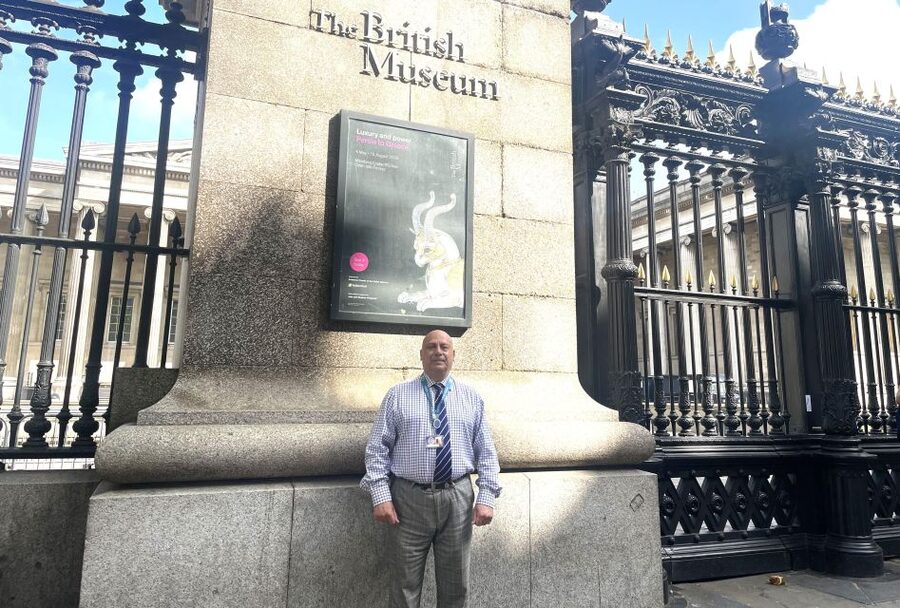
Your meeting spot is very specific: to the right of the red telephone boxes, left of the main entrance gates on Great Russell Street, opposite Starbucks. If you’re the kind of person who worries about missing a turn, this is worth a quick photo-check before you go—because once you’re inside, everything moves fast.
A few more London tours and experiences worth a look



Who Anthony Matthews is, and why a Blue Badge guide changes the visit
This isn’t a “wander and hope” museum day. The tour is led by a licensed Blue Badge professional guide, which is exactly what you want at a place as sprawling as the British Museum. You’ll get explanations that connect art, archaeology, and politics, so the museum starts to feel like one long story instead of separate rooms.
In practice, the guide’s approach is hands-on and conversational. Anthony Matthews (often called Anthony or Tony) is described as a retired archaeologist who works with the museum, and that shows in the way he talks about evidence: how we know what we know, what people believed, and how objects were used. If you like to ask questions, this is built for that—your guide can shape the route based on what you want most.
The 2.5-hour highlights route: Rosetta Stone to Sutton Hoo
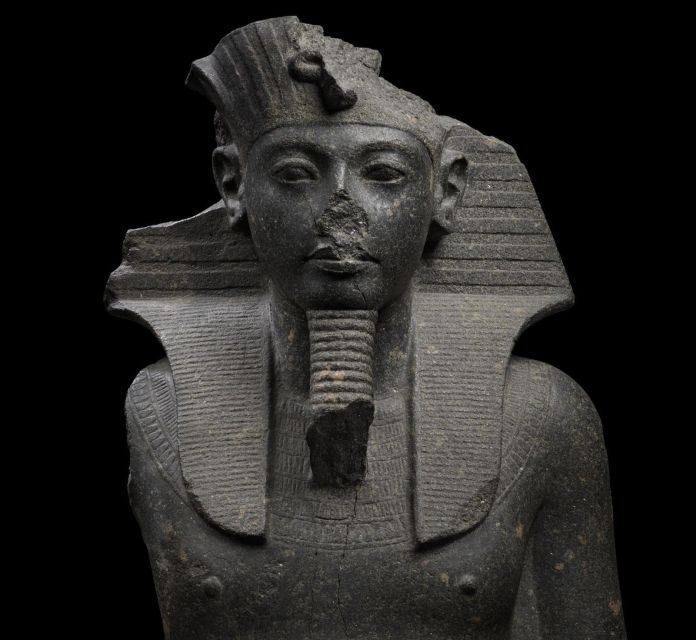
Think of this tour as a guided “greatest hits” with real context. You’re not trying to see everything in 150 minutes, but you are choosing the anchors that explain major civilizations and how they connected.
The route cycles through major eras in a logical sweep: Ancient Egypt, then Greece, then Rome, and then the Anglo-Saxon world. It also includes those extra wow-moments that make a museum stop feel like you’re standing inside a lesson plan—whether that’s the Rosetta Stone’s importance or Sutton Hoo’s mystery.
Rosetta Stone: why one object can unlock a whole civilization
You’ll see the Rosetta Stone early, and that’s smart. It’s not just famous because it looks old. It matters because it became a key tool for understanding Ancient Egyptian writing, letting scholars compare scripts and move from guesswork to real reading.
What I like about having this explained out loud is that you understand the “how” behind the breakthrough, not just the fact that it exists. The tour frames it as a turning point in deciphering, so when you stand in front of it, you’re not just looking at a stone—you’re seeing why historians can reconstruct stories that would otherwise stay locked.
Egypt beyond Tutankhamun: Ramses II, a metal cat, and the giant scarab
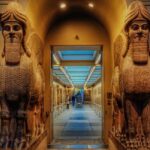
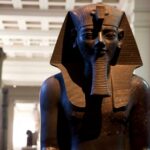
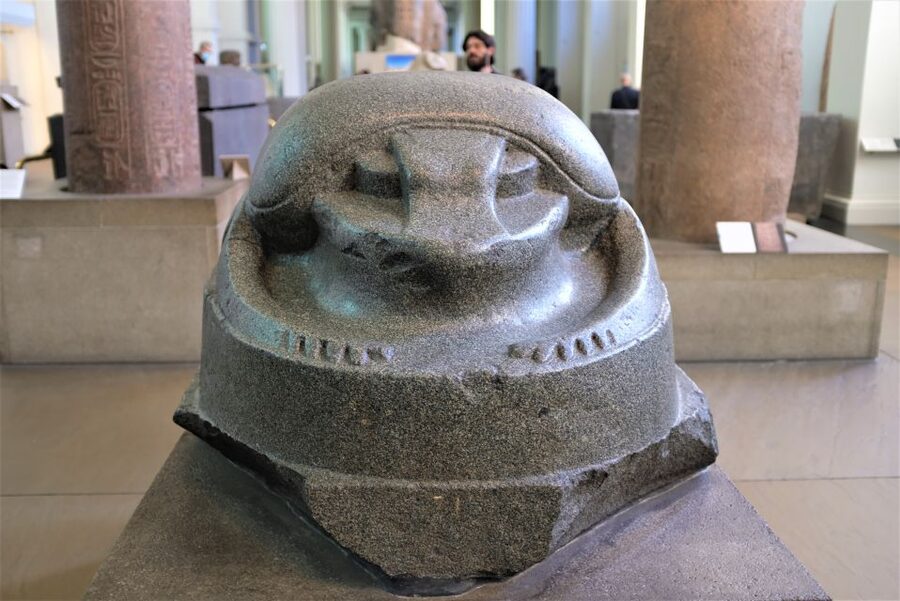
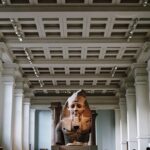
From Egypt, the tour builds momentum with several memorable stops. You’ll learn about Tutankhamun’s death and why his is often described as the only Pharaoh’s grave never discovered. Then you shift to royal power in stone with the great statue of Ramesses II.
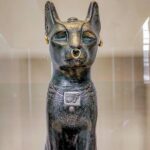
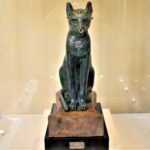
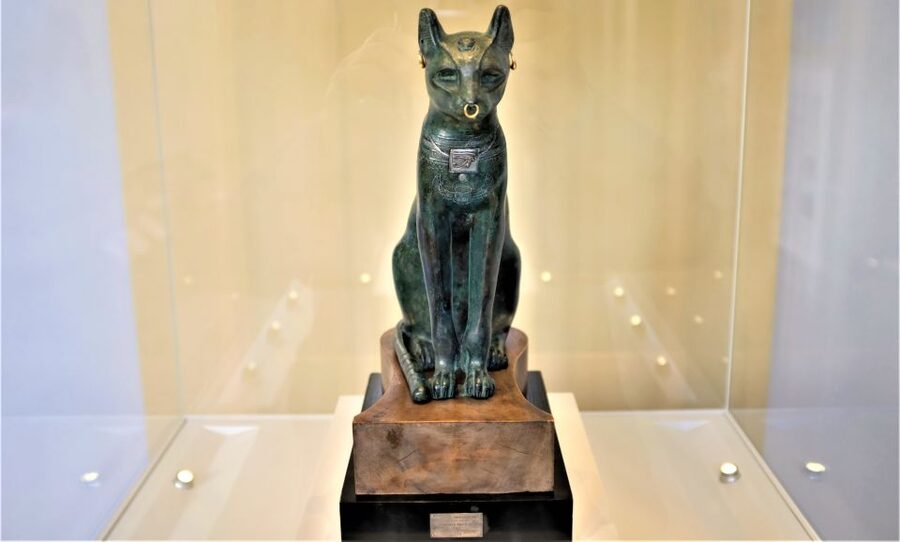
The tour also adds surprising objects that keep the “Ancient Egypt” section from becoming one long lecture. Expect stops like a sacred metal cat and a giant scarab beetle. Those details help you see the Egyptians as people with symbols, beliefs, and rituals—not just rulers and tombs.
You can also read our reviews of more guided tours in London



Greek highlights: Parthenon sculptures and why the room feels right
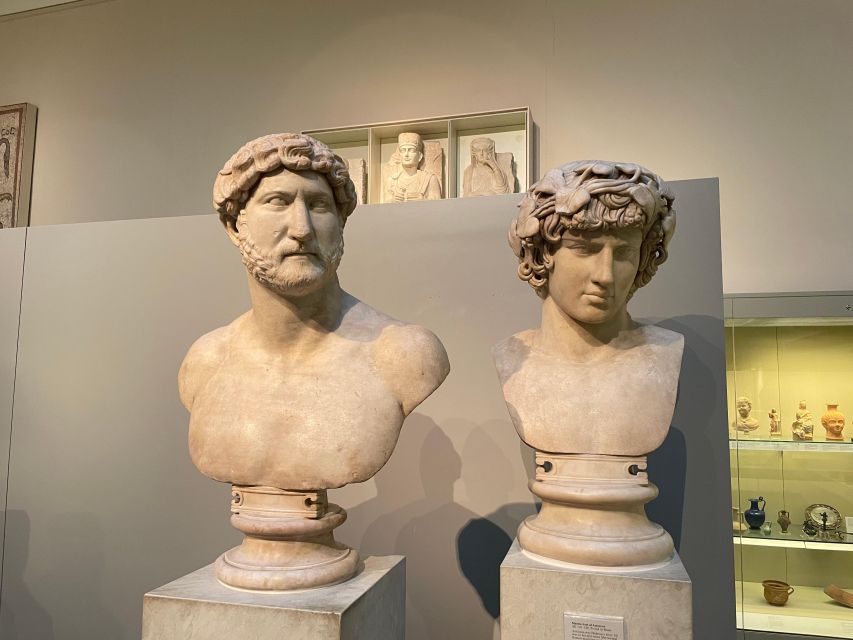
Greek antiquities are a major focus, and you’ll get a chance to see Parthenon sculptures as part of the museum’s world-famous collection. This is one of those moments where context really pays off. When you hear why these sculptures matter and how they were made to work with architecture, the museum stop stops being passive.
You’ll also hear why the room feels architecturally flawless—meaning it’s designed to present the sculptures so the details can land properly. That matters because Greek art often rewards close attention: proportions, movement, and the story carved into figures.
The guide doesn’t stop at art. You’ll connect the artifacts to ideas about Sparta and Athens, which helps you remember that Greek history wasn’t just dates and battles—it was competing models of society.
Rome in an hour: conquest, gladiators, Roman glass, and emperors
Then you move into Rome, with a big-picture thread: how Rome conquered countries along the Mediterranean and built control through force, systems, and culture. That framing helps the Roman objects feel tied together, not scattered.
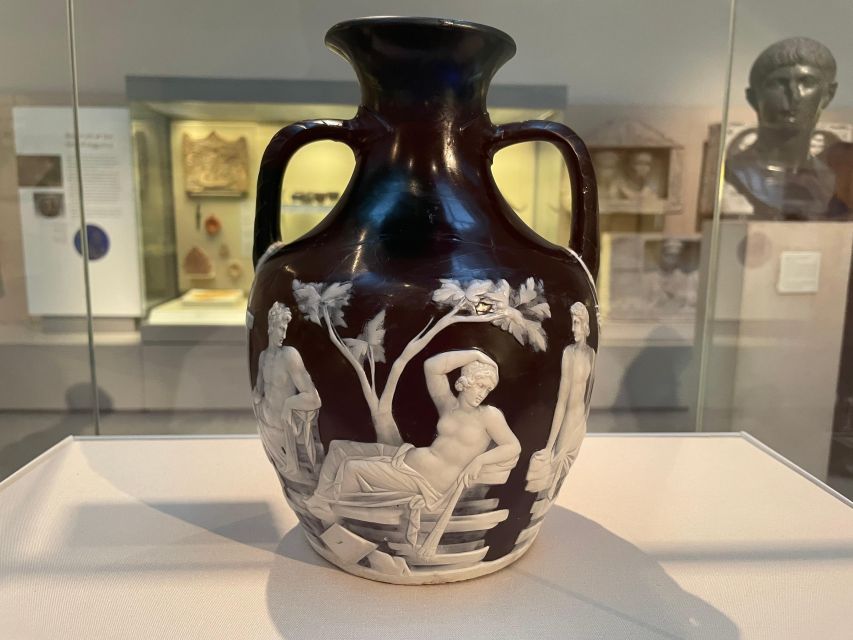
Highlights include a gladiator’s helmet, brilliant Roman glass, and a bust of one of Rome’s greatest emperors. The fun part is that these objects don’t just look impressive—they point to real life. A helmet is about training and spectacle. Glass hints at craft and everyday desire for beauty.
If you like a strong narrative arc, this portion delivers. You’ll get the “why Rome did what it did,” and then the artifacts act like proof.
Sutton Hoo: the mystery that turns archaeology into a time machine
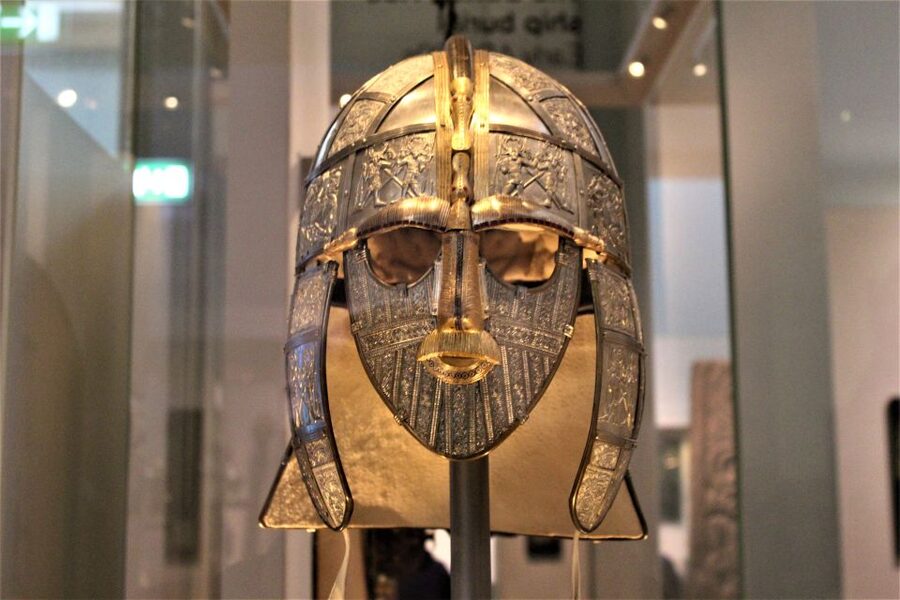
To end, you get one of the tour’s most fascinating stretches: Sutton Hoo and what it reveals about the Anglo-Saxon world that helped shape England. Sutton Hoo is the kind of topic that feels like a puzzle, and the tour explains the mysteries behind the burial so you’re not just staring at objects—you’re following a story of discovery and interpretation.
This is also where you start seeing the British Museum as more than a catalog of faraway empires. It becomes a place that helps explain how England formed, piece by piece, through contact, belief, and power.
Price and value: is $337 per group up to 6 actually fair?
At $337 per group (up to 6 people) for a 2.5-hour private tour, the value depends on how you travel.
If you come as a group of 3 to 6, the math is usually where this shines. You’re paying for a guide who can get you straight to the important pieces, keep the pace tight, and explain things you would miss on your own—especially in the British Museum, where it’s easy to waste time choosing what to see.
Even if you’re just two people, I’d call it a “buy back your time” option. Self-guided visits work, but they’re slower and they require you to do the thinking. This tour does that thinking for you while you walk through the galleries.
Practical tips so your tour feels smooth
A few small things make a big difference:
- Arrive 15 minutes early at the meeting point on Great Russell Street.
- Plan to ask questions. The format is private, so you can steer your guide.
- Bring a notebook or phone notes since audio recording isn’t allowed.
- Wear comfortable shoes. Even with express security, you’ll be moving between galleries.
If you’re visiting with kids, this tour can work well because it’s built to keep them engaged while still discussing serious topics. If you’re visiting with older relatives or anyone with limited mobility, the private format can make it easier to keep the pace humane.
Who should book this private British Museum tour?
Book it if you want your British Museum visit to feel like a guided storyline. It’s especially good for:
- families who want the highlights without losing the kids
- people who like archaeology and want the “how we know” explanations
- couples or small groups who would rather pay than spend hours planning a route
If you’re a true museum marathoner who wants to linger room by room for an entire day, this might feel too short. But if you want the big connections—Egypt to Greece to Rome to Sutton Hoo—in one smart sweep, this is a very strong fit.
Should you book it?
Yes, with one clear caveat: this is a high-impact, limited-time tour. If you can handle a structured 2.5 hours and you’re okay taking notes instead of recording, you’ll likely get a lot out of it fast.
If your goal is to walk away understanding why the Rosetta Stone matters, how Greek culture shows up in the Parthenon sculptures, why Rome’s reach shaped the Mediterranean world, and what Sutton Hoo means for England’s early story, then booking makes sense. You’re paying for focus, context, and a guide who can turn famous objects into clear human history.
FAQ
FAQ
How long is the British Museum private guided tour?
It runs for 2.5 hours.
What’s the maximum group size?
It’s a private group up to 6 people per booking.
What’s included in the price?
The tour includes a private guided tour, the guide, and entry tickets.
Are transportation or meals included?
No. Transportation and food/drinks are not included.
Where do we meet the guide?
Meet to the right of the red telephone boxes, left of the main entrance gates on Great Russell Street, opposite Starbucks. You should arrive 15 minutes early.
Does the tour skip the line?
Yes. It includes skip-the-line access through an express security check.
Is audio recording allowed during the tour?
No. Audio recording is not allowed.
Is the tour wheelchair accessible and in English?
Yes. The tour is wheelchair accessible and the live guide language is English.