REVIEW · BELGIUM
Brussels: Musical Instruments Museum Entry Ticket
Book on GetYourGuide →Operated by Royal Museums of Art and History · Bookable on GetYourGuide
Sound turns a museum into a party. With the Brussels Musical Instruments Museum ticket, you get global instruments and a hands-on way to hear them through an included multimedia device. I love the combination of almost 300 sound clips plus headphones, and I also love the setting in the Art Nouveau Old England building on Mont des Arts.
The one catch: not every exhibit always offers the same listening setup, so you may find that some instruments don’t have the headphone feature you’ll hope for.
In This Review
- Key highlights you’ll feel right away
- Mont des Arts arrival: where the Brussels Musical Instruments Museum fits
- Ticket perks: skipping lines and using the audio guide well
- Four floors of instruments: how to plan your route without getting lost
- European instrument history exhibition
- Keyboard collection
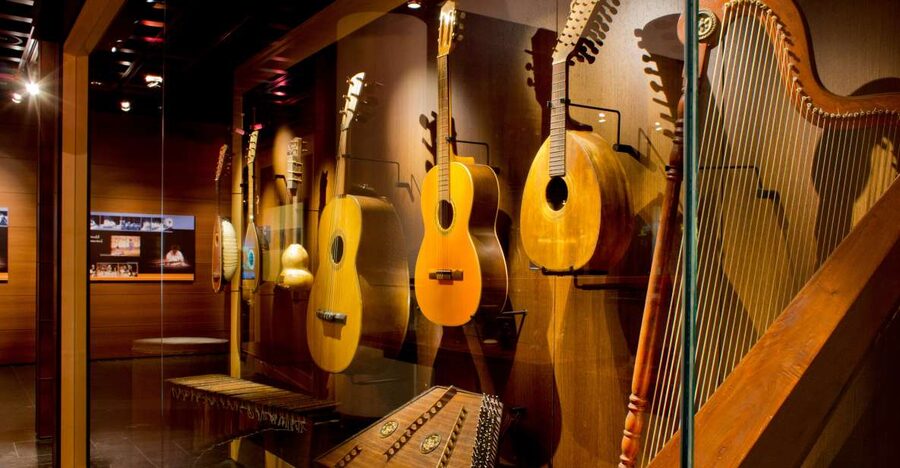
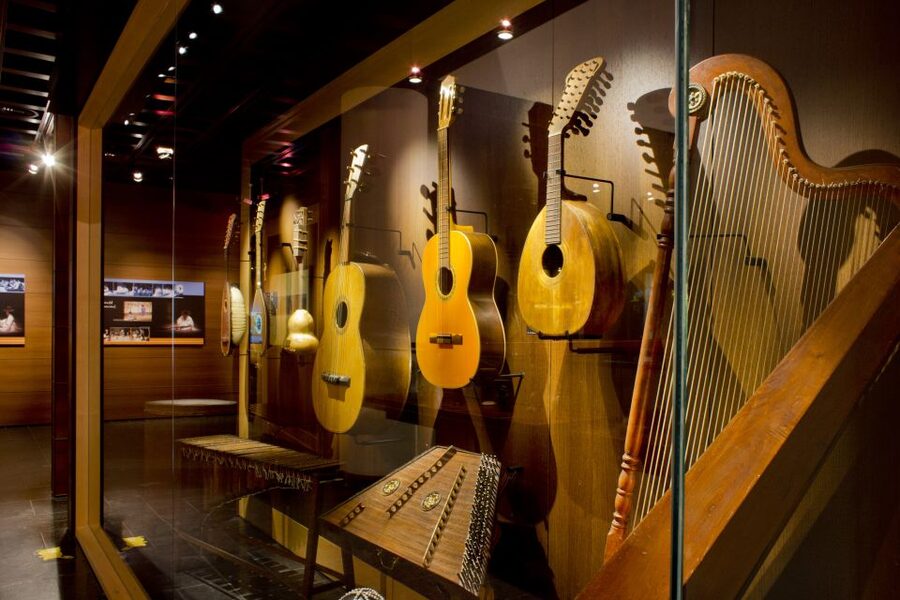
- Traditional instruments from around the world
- Electronic instruments exhibit
- The multimedia device: where the magic happens
- Don’t miss the saxophone artifact
- Art Nouveau + museum halls: the building matters
- Concert night option: what’s included and what isn’t
- How long you should plan (and why 2 hours is a good target)
- Price and value: is $17 a fair deal?
- Who should book this MIM ticket?
- Should you book the Brussels Musical Instruments Museum entry ticket?
- FAQ
- What is included with the Brussels Musical Instruments Museum entry ticket?
- Does the ticket include an audio guide, and which languages are available?
- How long is the ticket valid, and do I need to pick a time?
- Is the live concert included with the entry ticket?
- What can I listen to with the included multimedia device?
- Are there any restrictions on photos or luggage?
- Is the museum restaurant open?
Key highlights you’ll feel right away
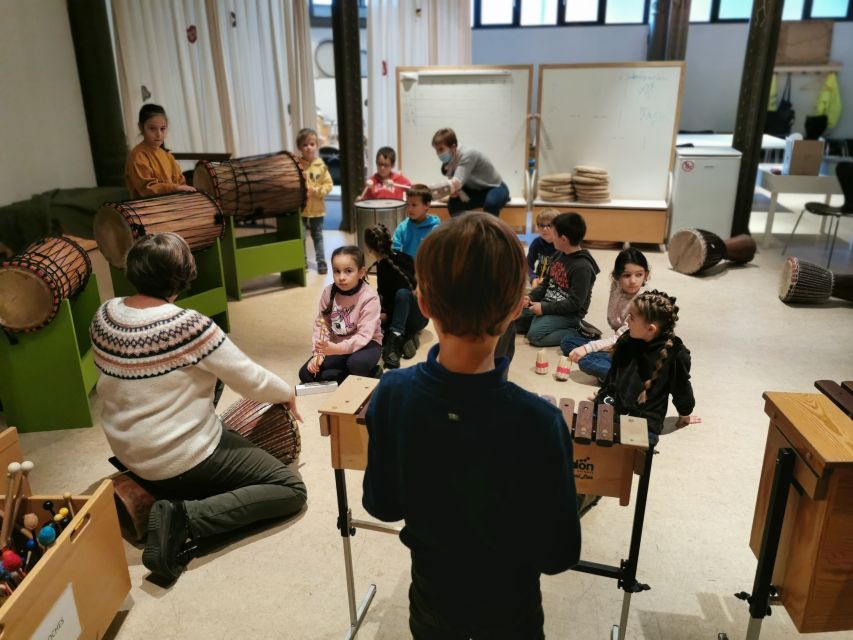
- Nearly 300 sound clips included, played on the museum multimedia device
- Four floors of instruments, from historical collections to modern and electronic sounds
- Oldest preserved saxophone in the world, on display
- Art Nouveau architecture of the Old England building at Mont des Arts
- Live music option in the neoclassical concert hall (concert ticket not included)
Mont des Arts arrival: where the Brussels Musical Instruments Museum fits
The Musical Instruments Museum (MIM) sits on Brussels’ famed Mont des Arts, the Hill of the Arts area that’s convenient for walking and sightseeing. You’re not just stepping into a museum box—you’re walking into the Old England building with its Art Nouveau character, which gives the whole visit a different feel than a plain museum hall.
This location is also useful if you’re building a day around the city’s sights. MIM works well as either a main event (if you’re into music) or a smart “reset” stop mid-day when you want something indoor, calm, and surprisingly fun.
Ticket perks: skipping lines and using the audio guide well
This entry ticket is priced at $17 per person, and for that you’re buying more than access to rooms. You’re also getting an included multimedia experience with sound, plus an audio guide in English, Dutch, and French.
One practical tip: scan the QR code at the entrance. This avoids the common hassle of being pointed toward a ticket desk you don’t need. The museum is set up so you can get in fast and start listening quickly, which matters because the best part of MIM is the audio—start early so you don’t miss your best moments.
A few rules to keep in mind:
- Oversize luggage isn’t allowed.
- Flash photography isn’t allowed.
If you’re carrying a larger bag, plan to travel lighter than you might for a walking-heavy day in Brussels.
Four floors of instruments: how to plan your route without getting lost
MIM is organized across four floors of exhibitions, and the layout is easy to follow if you think in “sound categories” instead of trying to see everything equally. You’ll get the most out of your visit if you move from one collection style to the next—Europe history, keyboards, traditional instruments worldwide, and electronic music.
Here’s what you can expect to find:
European instrument history exhibition
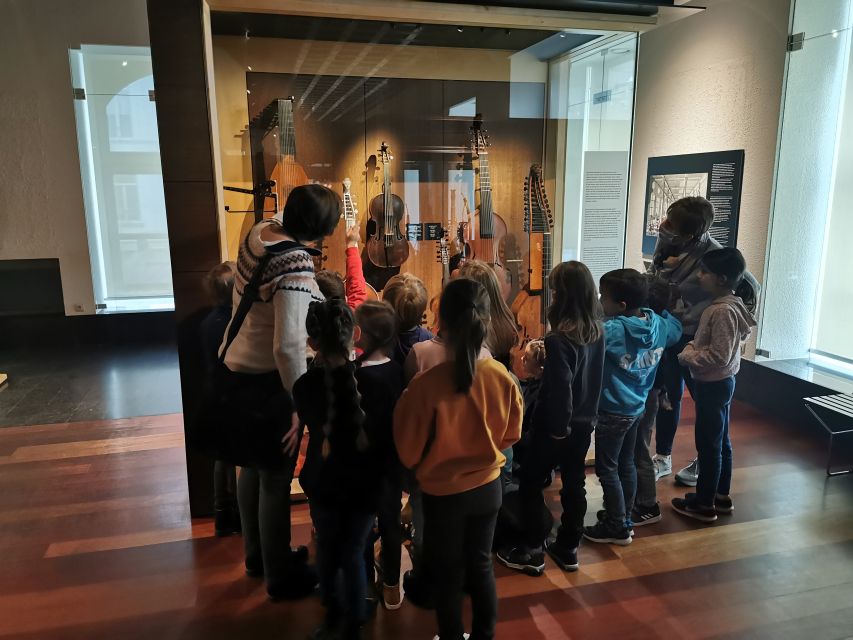
One floor focuses on the history of musical instruments in Europe. This is where you’ll see how instrument design changes over time, and how different eras treat sound as technology. Even if you don’t read every label, the audio clips make the history feel real—like you’re hearing the evolution rather than just looking at objects.
Keyboard collection
Another stop centers on keyboards. This part is great if you like structure and precision in music. Keyboards also connect well to other instrument families, so you’ll often start noticing how timbre, mechanics, and tuning choices show up across different eras.
If you’re the type who enjoys comparing instruments by ear, spend extra time here. Keyboard exhibits can feel technical, but the included sound clips give you an easy way to make sense of the theory.
Traditional instruments from around the world
You’ll also find a room devoted to traditional instruments worldwide. The museum includes instruments like African slit drums, and this section is where the sound world really expands beyond Europe.
This is the part I’d treat like a “choose your favorites” zone. Instead of trying to listen to everything, pick a few instruments that catch your ear and replay the audio when you find one you truly want to understand. The museum’s setup makes that kind of repeat listening easy.
Electronic instruments exhibit
Finally, there’s an exhibit on electronic instruments. This is where the museum shifts from object history into sound experimentation. It’s also a strong reminder that music technology isn’t new—it’s been evolving for a long time, and electronic instruments have their own lineage and design logic.
The multimedia device: where the magic happens
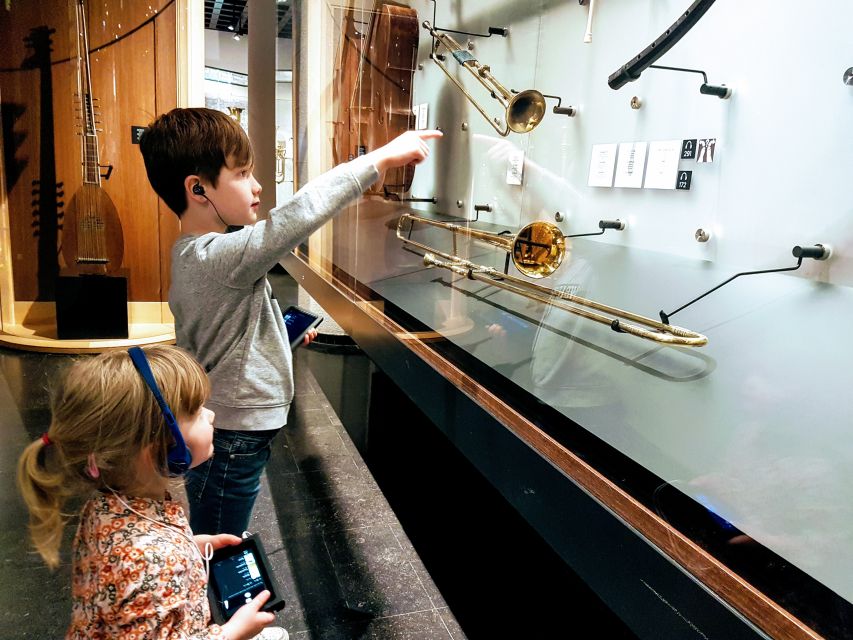
MIM’s big strength is that sound isn’t an afterthought. Your ticket includes a multimedia device with about 300 sound clips. Many exhibits let you hear instruments through the same system so you can compare what you’re seeing to what you’re hearing.
In practice, that means you can get something like instant learning without needing a musical background. You’ll also get the satisfying experience of hearing an instrument right after seeing its shape and materials. That link makes the displays feel alive.
One caution from my point of view: the headphone listening experience isn’t guaranteed for every instrument. The museum includes audio options, but you might notice that some displays are more “listening-focused” than others. Still, overall it’s one of the better museum uses of audio I’ve experienced—especially because the sound clips are baked into the entry ticket.
Don’t miss the saxophone artifact
Among the standout artifacts, the museum displays the oldest preserved saxophone in the world. If you only give MIM 90 minutes, this is one of the first things I’d track down so your visit has a clear “anchor moment.”
That kind of object works best with the audio model MIM uses. Seeing an instrument in person can make you curious about its sound, but hearing related clips helps you connect the artifact to the music it was made for.
Art Nouveau + museum halls: the building matters
The Art Nouveau architecture isn’t just decoration. The Old England building gives you something visually satisfying while you move between floors. It also helps keep the museum feeling like a place you want to stroll rather than a strict checklist.
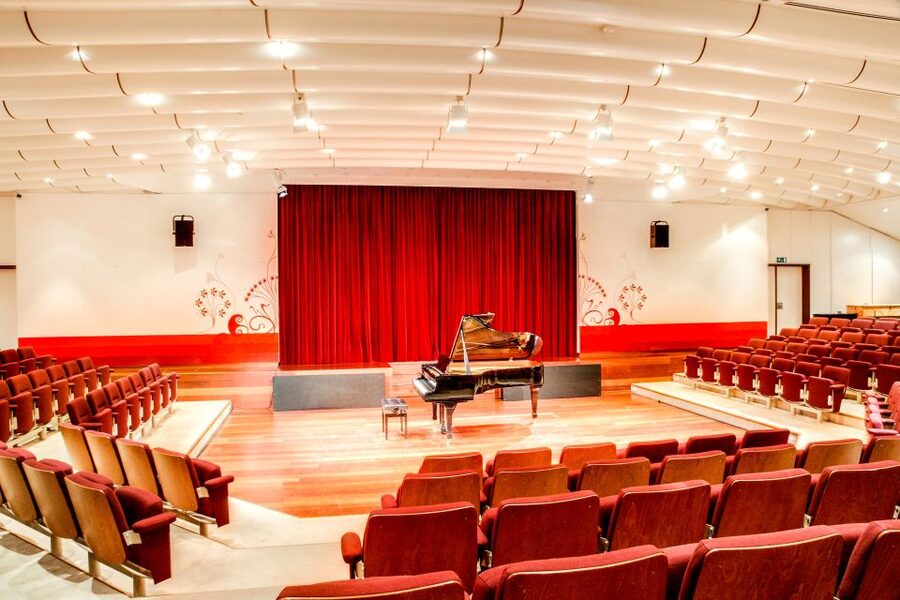
On top of that, MIM has a neoclassical concert hall, which brings an extra layer to the experience. Even if you don’t go to a concert, knowing the hall exists makes you treat the museum like more than a static exhibit space.
Concert night option: what’s included and what isn’t
You can stay for a live concert in the museum’s neoclassical concert hall, which is a nice bonus if you time your visit well. But here’s the key point: concert tickets aren’t included in the entry ticket.
So if music events are part of your travel plan, check the concert schedule and budget for a separate ticket. If you’re not sure you’ll stick around, aim to do at least the main museum experience first, then decide if the concert works with your energy level and timing.
How long you should plan (and why 2 hours is a good target)
Your ticket is valid for 1 day, with starting times depending on availability. In terms of actual visit time, a practical target is about 2 hours. That’s enough time to see the major exhibits without turning your ears into sandpaper.
If you’re a serious instrument nerd, you can go longer. But if you’re squeezing MIM into a day with other Brussels sights, you’ll do best by choosing a route:
- Hit the highest-impact sound zones early (European history + any must-see artifacts).
- Spend time in the traditional instruments room selecting a few favorites.
- Finish with the electronic instruments exhibit.
- If you still have steam, stick around for the concert option.
Also note: the museum’s restaurant is currently closed for renovation, so plan to eat elsewhere if you’re making a full afternoon of it.
Price and value: is $17 a fair deal?
At $17 per person, the value comes from three areas:
- You get access to four floors of exhibits.
- You get the multimedia sound experience with about 300 clips.
- You get an audio guide in three languages.
For a museum ticket, this is a strong match between what you pay and what you experience. Many museums have audio guides, but here the listening is central. You’re not just reading labels—you’re hearing instruments as part of the show.
If you’re the kind of person who likes hands-on learning and ear training, this ticket pays off quickly. If you only want to look at displays with minimal listening, you might still enjoy the building and standout artifacts, but you’d miss the best value.
Who should book this MIM ticket?
This is a great choice if you:
- Love music, instruments, or sound technology
- Want an easy way to compare how instruments sound
- Like museums where audio is built into the core experience
- Appreciate architecture as much as exhibits, thanks to the Art Nouveau setting
It’s also wheelchair accessible, so it’s designed to welcome different visitors. And because the ticket is valid for one day, it’s workable for both a half-day visit and a longer museum stretch.
Should you book the Brussels Musical Instruments Museum entry ticket?
I’d book it if you want a museum where your ears do half the work. The included multimedia device and near-300 sound clips make the instruments feel less like objects and more like living tools of music. Add in the Art Nouveau Old England building and the oldest preserved saxophone, and it’s a visit with clear payoff.
Skip it only if you strongly prefer traditional “look-only” museum experiences or you’re visiting with the expectation that every single exhibit will offer the same headphone-style audio. Most people will leave with new sound favorites, even if they came in with no music background.
FAQ
What is included with the Brussels Musical Instruments Museum entry ticket?
The ticket includes entry to the Musical Instruments Museum. It also includes an audio guide and access to the multimedia sound experience.
Does the ticket include an audio guide, and which languages are available?
Yes. The audio guide is included and is available in English, Dutch, and French.
How long is the ticket valid, and do I need to pick a time?
The ticket is valid for 1 day. Starting times depend on availability, so you’ll need to check the available times.
Is the live concert included with the entry ticket?
No. A live concert is available in the museum’s neoclassical concert hall, but concert tickets are not included.
What can I listen to with the included multimedia device?
You can listen to sound clips of almost 300 musical pieces using the multimedia device included with your ticket.
Are there any restrictions on photos or luggage?
Flash photography is not allowed. Oversize luggage is also not allowed.
Is the museum restaurant open?
The museum’s restaurant is currently closed for renovation.