REVIEW · CHATTANOOGA
Chattanooga Heritage Tour – Trolley Ride & Coker Museum
Book on Viator →Operated by Chattanooga Trolley Tour · Bookable on Viator
A free trolley, but it hits hard. This Chattanooga Heritage Tour pairs a coached ride with meaningful stops, and I especially liked the Coker Museum visit and the outdoor art time at Sculpture Fields. For $0, it still feels like you get your money’s worth because the trolley stitches sights together, then hands you a focused chunk of time inside the museum.
One thing to plan for: the trolley can run warm, and some guides speak fast or are easy to miss if you’re not near the front. I’d also expect tight timing—at least one guest wished they had longer at the Coker Museum—so come with a game plan, not a loose schedule.
In This Review
- Key Highlights You’ll Actually Care About
- How a 2.5-Hour Chattanooga Heritage Trolley Loop Works
- Frothy Monkey to Bluff View: Getting Your Bearings Fast
- The Culture Stop: African American Music and Heritage
- Coker Museum Honest Charley: Over 100 Vehicles in One Hit
- Chattanooga National Cemetery: What 15 Minutes Can Teach
- Sculpture Fields: Outdoor Art Time on a Real Walking Scale
- River and Aquarium Stops: Seeing the City’s Modern Pulse
- Trolley Comfort Tips: Heat, Water, and Hearing
- Value Check: Free Price, Real Included Stops
- Who This Chattanooga Tour Suits Best
- Should You Book the Chattanooga Heritage Tour – Trolley Ride & Coker Museum?
- FAQ
- What is the duration of the Chattanooga Heritage Tour – Trolley Ride & Coker Museum?
- What’s included, and is the Coker Museum admission covered?
- Does the tour cost anything?
- Where does the tour start, and what time is it?
- Are parking fees included?
- Is the tour refundable if plans change, and what happens if the weather is poor?
Key Highlights You’ll Actually Care About
- Coker Museum’s Honest Charley collection: more than 100 vehicles, from early-1900s eras, including cars, motorcycles, trucks, tour buses, airplanes, and bicycles
- Photo stops near Bluff View Art District: you’ll get viewpoint time to shoot Chattanooga from above
- Sculpture Fields outdoor sculpture park: 33 acres and large-scale works in a setting you can walk at your own pace
- Chattanooga National Cemetery stop: a short, focused visit to learn the history of a major national cemetery
- African American culture and music museum: one stop designed around Chattanooga’s cultural story
- Small group size: capped at 20 travelers, which makes the ride feel less like a cattle-call
How a 2.5-Hour Chattanooga Heritage Trolley Loop Works
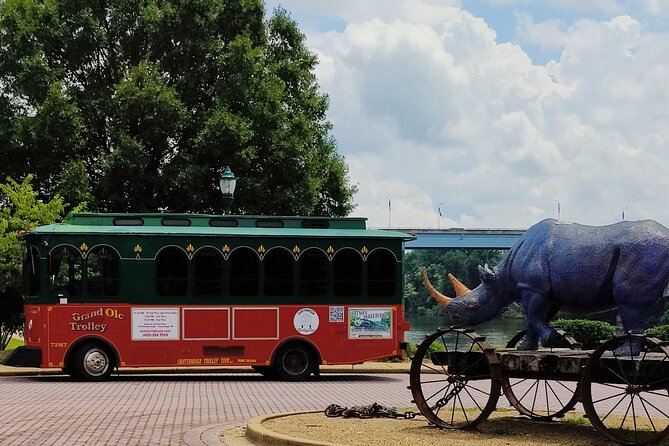
This is a trolley-style heritage outing in Chattanooga that lasts about 2 hours 30 minutes. You start at Frothy Monkey, 1400 Market St, and you end back there, which helps if you’re pairing it with dinner downtown.
Because it’s built like a loop, you’re not driving around searching for parking or running from place to place. That’s part of the appeal: you get guided routing through key areas, then you land at a couple of stops where time actually matters—especially the Coker Museum.
The group max is 20 people, so you’re more likely to hear your guide clearly and ask questions without shouting. That said, a few guests noted that the driver’s delivery could be hard to follow at times (speech clarity, speed, or audio reach), so aim for a seat where you can see the guide. If you use hearing aids, that seat choice becomes even more important.
Also, expect a “see a lot” pace. The trolley works best when you’re okay with short, efficient visits rather than a slow wander.
You can also read our reviews of more historical tours in Chattanooga

Frothy Monkey to Bluff View: Getting Your Bearings Fast
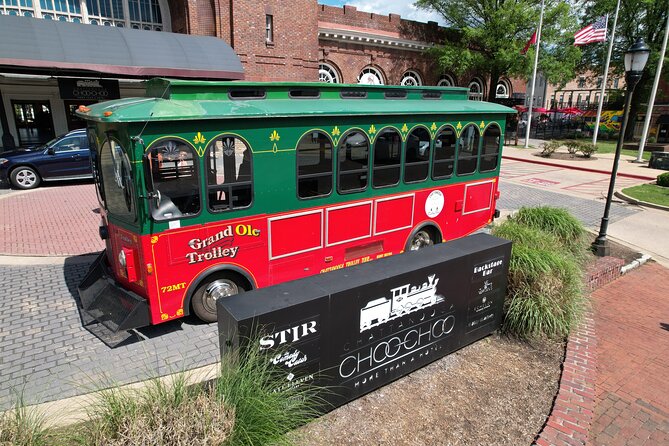
The tour kicks off at the popular downtown coffee spot, Frothy Monkey. From there, you’ll roll through downtown and hit scenic viewpoints near the Bluff View Art District, where Chattanooga looks dramatic from above.
This is a smart move for first-timers. Chattanooga sits in layers—river, downtown, and the hills and bluffs—and the vantage points help you understand the city’s shape quickly. You’ll also get natural chances to take photos without sprinting between locations.
A downside of viewpoint stops on any trolley tour is that you might feel a little rushed if you want lots of photos from multiple angles. The fix is simple: decide what you want most—wide skyline shots or close-detail city views—then focus your camera accordingly.
The Culture Stop: African American Music and Heritage
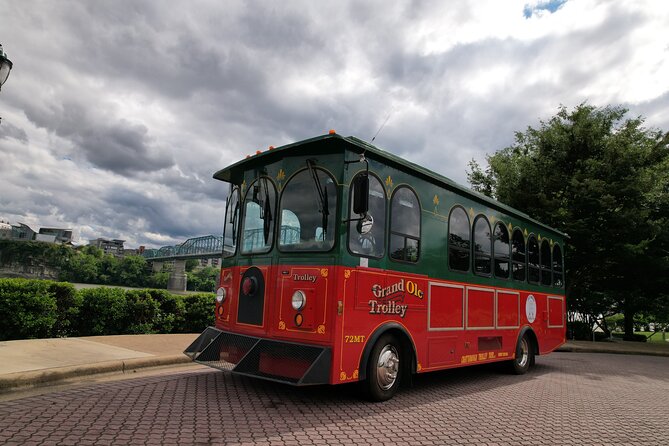
One of the early stops is built around an African American culture and music museum. Even though this is only one stop in a broader route, it changes the feel of the day. You’re not just looking at buildings and landmarks—you’re meeting the story side of Chattanooga.
What I like about structuring this way is that it gives the city context early. When your guide later points out places connected to work, community, and change, the references land better.
Time is short on this type of itinerary, so go in with a mindset of browsing and listening rather than trying to absorb everything. If a particular exhibit grabs you, take a photo of any key dates or names you want to follow up on after the tour.
Coker Museum Honest Charley: Over 100 Vehicles in One Hit

The biggest payoff is the Coker Museum visit—about 45 minutes, with entry included. This is the kind of museum that works even if you’re not a car person, because it’s less about speed and more about everyday engineering and design across a century.
The collection centers on Corky Coker’s personal stash, often called the Honest Charley collection. You’ll see over 100 vehicles, including cars, motorcycles, trucks, tour buses, airplanes, and bicycles, with pieces dating back to the first decade of the 20th century. That mix is key: it makes the exhibit feel like one continuous story of transportation and ingenuity, not a bunch of unrelated displays.
What makes this stop valuable for you is the built-in time window. You don’t need to plan an entire separate half-day. You just walk the museum, hit the main galleries, and come away with new facts you’ll remember.
A practical note: a couple of guests felt the museum time wasn’t long enough and wanted more. If you’re the type who reads every placard and wants slow walking time, treat the 45 minutes as a starter visit and plan a return visit later.
Chattanooga National Cemetery: What 15 Minutes Can Teach
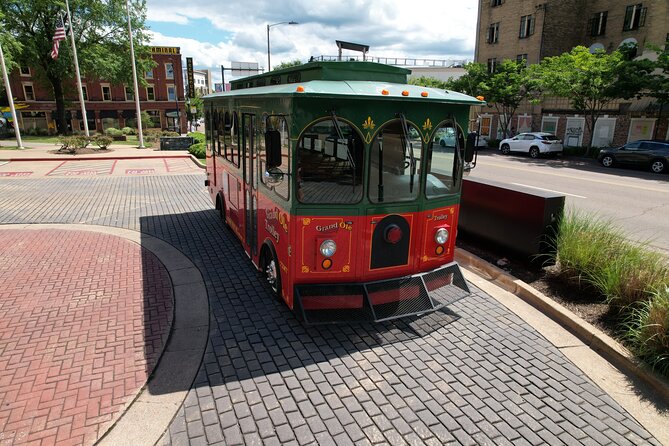
Next is Chattanooga National Cemetery, with entry free. The stop is about 15 minutes, which is brief, but it can still be powerful if you use it well.
The cemetery is one of the oldest and also one of the largest national cemeteries in the United States, and the tour includes learning the history behind that significance. With only 15 minutes, don’t try to see every marker. Instead, focus on where your guide directs your attention and listen for the specific historical points that connect the cemetery to Chattanooga’s larger story.
If you’re sensitive to memorial spaces, keep your pace slow and give yourself a moment before moving on. Short stops are easier when you’re present, not rushing to finish.
Sculpture Fields: Outdoor Art Time on a Real Walking Scale
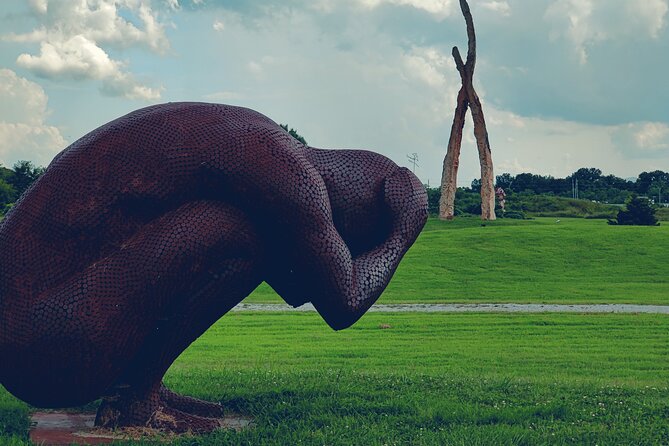
After the cemetery, the tour ends at or includes time at Sculpture Fields, described as the largest outdoor sculpture park in the southeast. It spans 33 acres and features large-scale sculptures.
This is one of those “you don’t have to be an art expert” stops. Outdoor sculpture parks work because you can walk your own route, pause where something catches your eye, and take in how the art sits in real space. Even if you don’t love every piece, you’ll probably remember the scale and the setting.
A fair drawback: because the tour is timed, the sculpture park may feel like you didn’t get enough time. One person specifically wished they had more time at the Coker Museum and less at the sculpture park. That tells me the itinerary can feel a little redistributed depending on what you’re most excited about.
So here’s my practical advice: if sculptures are your main reason for booking, wear comfortable shoes and use the full walking energy. If cars are your main reason, go into Sculpture Fields ready to do a highlights walk, not a museum-level deep read.
River and Aquarium Stops: Seeing the City’s Modern Pulse

The itinerary also includes stops tied to Chattanooga’s key public spaces: a central outdoor leisure park, plus time near the city’s biggest aquarium in Tennessee.
These stops matter because they show what Chattanooga looks like when it’s not just historic buildings and memorials. You’ll see how the city uses waterfront and public gathering spaces, and you’ll get a sense of why people like coming here beyond just passing through.
The downside of mixing these into a heritage tour is that they can feel like “drive-by moments” if you were expecting a long, ticketed aquarium visit. Still, as a route-building experience, this portion does the job: it helps you map where you might want to return later, especially if you travel with kids or just like lively downtown areas.
Trolley Comfort Tips: Heat, Water, and Hearing
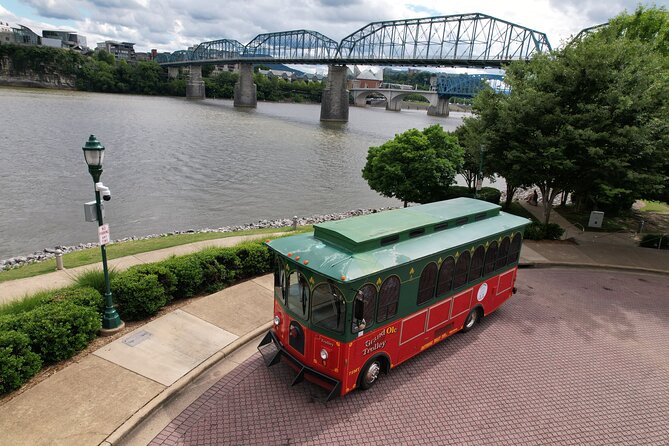
This is an air-conditioned vehicle, which is a big plus in summer. Still, multiple guests warned that the trolley can get hot and that the AC might not feel like it’s doing enough on some rides.
My advice is boring and effective:
- Bring your own water and sip early, not when you’re already thirsty.
- Dress for changing temperatures—trolley rides can shift between shaded stops and sunny viewpoints.
- If you use hearing aids or you have trouble catching fast speech, sit where you can see the guide’s mouth and face the direction they’re speaking.
One guest also mentioned the guide’s speaking pace and clarity varied. That doesn’t mean the tour is bad—it means you should choose your seat intentionally and be ready to ask questions when there’s a moment to pause.
Also plan bathroom timing. One family reported that bathroom break needs weren’t adequately handled, so don’t count on a leisurely restroom stop in the middle of the loop.
Value Check: Free Price, Real Included Stops
Price is $0.00 per person, which is rare for a tour that includes real admissions. The Coker Museum ticket is included, and Chattanooga National Cemetery admission is free as well. That alone can make this a smarter use of time than trying to stitch these stops together on your own.
What costs extra: parking fees, if you drive to the meeting point or along the way. The good news is that the start point is downtown and the tour is near public transportation, so you might avoid parking entirely.
The other “cost” is time management. The tour packs multiple stops into 2.5 hours, so if you’re hoping for a long museum crawl or lots of leisure walking, you may feel the schedule squeeze. But if your goal is to get oriented and see the highlights, you’re set up well.
Also remember the value of guide storytelling. Many guests singled out the guide’s humor and detailed knowledge, and at least one called out Craig by name. When a guide can connect downtown scenes, culture, and history, your photo stops and museum visit stop feeling separate and start feeling like one coherent Chattanooga story.
Who This Chattanooga Tour Suits Best
This works best if you want:
- A guided way to see Chattanooga without parking stress
- A strong museum stop with a clear theme (the Honest Charley vehicle collection)
- Scenic photo time near the Bluff View area
- A short taste of cemeteries, culture, and public spaces—then you’ll return on your own later
It may feel less ideal if you’re the type who needs lots of time per stop. The museum is 45 minutes, the cemetery is 15 minutes, and the sculpture park is part of a route. If you’re aiming for deep reading and slow walking, you might prefer a longer ticketed museum session or a hop-on-hop-off style plan.
It also can be a mixed fit if you strongly rely on clear, slow audio. Most guides are engaging, but a few guests noted speech clarity and hearing difficulty. Seat selection helps, and arriving with patience helps more.
Should You Book the Chattanooga Heritage Tour – Trolley Ride & Coker Museum?
Book it if you want an efficient, guided introduction to Chattanooga that doesn’t leave you paying admission out of pocket. The included Coker Museum stop plus viewpoints near Bluff View Art District is a great pairing, and the Sculpture Fields time gives you a change of pace beyond indoor exhibits.
Skip it or plan differently if you want long museum time or you know you’ll get frustrated by tight pacing. In that case, consider booking only a Coker Museum visit on its own, then come back for outdoor sculpture when you can linger.
If you do book, show up ready to move. Bring water, wear comfortable shoes for sculpture park walking, and sit where you can best hear the guide—your experience will feel smoother right away.
FAQ
What is the duration of the Chattanooga Heritage Tour – Trolley Ride & Coker Museum?
It runs for about 2 hours 30 minutes.
What’s included, and is the Coker Museum admission covered?
You get an air-conditioned vehicle, and Coker Museum admission is included. Chattanooga National Cemetery entry is free.
Does the tour cost anything?
The listed price is $0.00 per person.
Where does the tour start, and what time is it?
The meeting point is Frothy Monkey, 1400 Market St, Chattanooga, TN 37402, and the start time is 3:00 pm.
Are parking fees included?
Parking fees are not included.
Is the tour refundable if plans change, and what happens if the weather is poor?
The experience is non-refundable and cannot be changed. If it’s canceled due to poor weather, you’ll be offered a different date or a full refund. If the minimum traveler requirement isn’t met, you’ll be offered a different date or a full refund.