REVIEW · CAIRO
National Museum of Egyptian Civilization Private Guided Tour
Book on Viator →Operated by Twitter Egypt Travel · Bookable on Viator
Mummies, but with context. This private, Egyptologist-led visit makes the National Museum of Egyptian Civilization easier to understand, with clear explanations of how Egypt’s story changes from period to period. I really like the way guides such as Mario and Dina translate what you’re seeing into everyday life, not just dates and names.
Two things I love most: first, the museum’s layout is organized both chronologically and thematically, so your guide can steer you to what fits your curiosity. Second, the hotel pickup and drop-off removes the Cairo-stress factor and keeps your time focused on the galleries, not logistics.
The main drawback to plan around is simple: the tour price doesn’t include the entrance ticket. You’ll need to pay 500 EGP per person on top, and that can affect your total cost depending on your group size.
In This Review
- Key highlights to look for on this tour
- Why the National Museum of Egyptian Civilization works so well
- The museum’s two-part layout: chronological plus thematic
- Royal Mummies: more than a photo stop
- What Egyptologists add: names, life details, and better memory
- Where the collection comes from: a museum built from multiple sources
- Your 2–3 hour flow: how to get the most out of the galleries
- Price and value: $45 tour cost plus the 500 EGP entrance
- Comfort and logistics in Cairo: pickup does real work
- Who this private tour suits best
- Should you book this private Egyptologist tour?
- FAQ
- How long is the National Museum of Egyptian Civilization private guided tour?
- What time does the tour start?
- Is the museum entrance fee included in the $45 price?
- What’s included in the tour price?
- Is this tour private?
- What is the cancellation policy?
Key highlights to look for on this tour
- Private tour for your party with an Egyptologist guiding the pace
- Hotel pickup and drop-off with an air-conditioned ride through Cairo
- Royal Mummies gallery access within a guided route that adds meaning to the spectacle
- Museum organized two ways: chronological and thematic areas
- UNESCO technical help mentioned as part of the museum’s setup
- Bottled water included so you stay comfortable during your 2–3 hour visit
Why the National Museum of Egyptian Civilization works so well
Cairo has no shortage of museums, but this one feels built for modern visitors: you’re not just hunting for artifacts. You’re guided through how the story of Egypt changes over time, with context that helps your brain connect the dots.
What makes it a strong choice is that the museum’s approach is practical. Instead of dumping you into a giant building and hoping you’ll find the “main things,” the tour uses the museum’s own structure: you can follow Egypt’s timeline while also jumping into big themes like writing, beliefs, and state life. That means you’re not stuck reading every label the hard way.
And because it’s private, your guide can slow down when something catches your eye—or speed up when you want to keep momentum. One visitor experience stood out for me: the guides didn’t just explain the obvious. They helped people understand how ancient Egyptians lived, not only what objects exist.
You can also read our reviews of more guided tours in Cairo



The museum’s two-part layout: chronological plus thematic
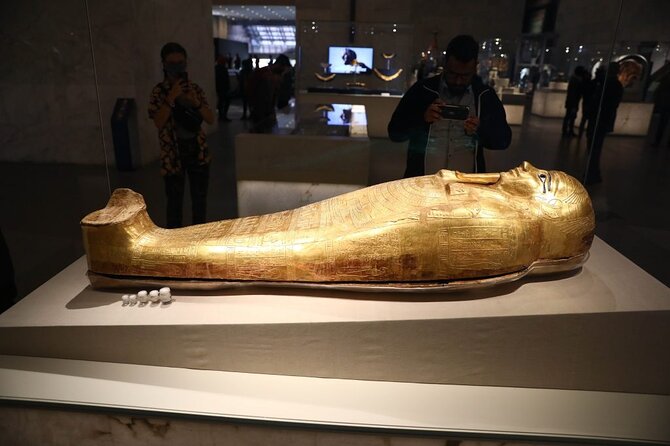
This museum is split into two ways of seeing.
First, there’s the chronological route. It moves through major eras you’ll recognize, including Archaic, Pharaonic, Greco-Roman, Coptic, Medieval, Islamic, and modern and contemporary Egypt. Even if you only know Egypt from mummies and pyramids, this chronological path helps you understand what came before—and what changed later.
Second, there’s a thematic route. This is where the tour becomes fun and human-scale. You’ll encounter themed sections such as Dawn of Civilization, The Nile, Writing, State and Society, Material Culture, Beliefs and Thinking, plus the Gallery of Royal Mummies. If you’re the type who likes big questions—How did people organize society? What did writing do?—the thematic areas tend to click fast.
UNESCO provided technical help for the museum, and you can feel it in how the exhibits are organized for visitors. It’s not just “here’s an object.” It’s more like “here’s what the object was for.”
Royal Mummies: more than a photo stop

Yes, you’ll see mummies. But the value here is not the sight itself—it’s what your guide helps you understand around it.
In several guide-led experiences, visitors were thrilled by the royal mummies because the visit becomes a story, not a shock-and-awe moment. A guide can explain what you’re looking at, how royal burials fit into broader beliefs, and how these practices connect with the surrounding artifacts.
If you only have a short time in Cairo, I like this approach because it respects your attention. In about 2–3 hours, you’re not spending the whole day wandering. You’re focusing on key areas, and the mummies don’t become random objects you pass by.
One extra bonus: the museum environment tends to feel cool, serene, and organized. When it’s hot outside, this matters. It helps you stay patient enough to enjoy the slower parts of the exhibits.
What Egyptologists add: names, life details, and better memory
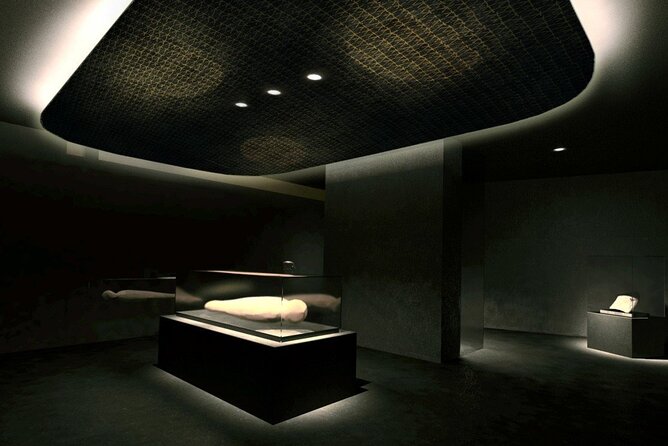
A private Egyptologist guide is the main reason this tour feels worth it, especially if you’re not planning to do a full self-guided deep read.
In the experiences shared, guides like Mario, Gina, and Dina were praised for going beyond display text. That’s exactly what you want. Labels give facts, but a guide can connect the facts to why they matter—like how the Nile shaped daily life, how writing changes administration, or how state power shows up in artifacts and materials.
Think of it as turning the museum into a conversation. You’ll likely notice more details because you know what to look for. And you’ll remember more afterward because your guide builds a mental map while you walk through the galleries.
Where the collection comes from: a museum built from multiple sources
Another practical reason this museum is compelling: the collection includes artifacts gathered from several other Egyptian museums in Cairo, plus related collections.
The museum’s holdings were taken from institutions such as:
- the Egyptian Museum
- the Coptic Museum
- the Museum of Islamic Art
- the Manial Palace and Museum in Cairo
- the Royal Jewelry Museum in AlRead more (as the collection description indicates)
That mix matters. It means you’re not only seeing one narrow slice of Egypt. You can move across eras and themes without needing to hop between multiple museum locations.
So if you’re thinking, I only have so much time and I want it to feel coherent—this museum design supports that.
You can also read our reviews of more private tours in Cairo




Your 2–3 hour flow: how to get the most out of the galleries
The time window is short enough that you need a plan, but long enough to do real sightseeing without fatigue. Expect about 2 to 3 hours, with the main focus on the museum visit.
Here’s a smart way to approach the experience so it feels satisfying:
1) Start with orientation
Your guide can help you choose the best route based on what you care about most. If you love ancient Egypt primarily, you’ll probably spend more time in the Archaic and Pharaonic eras and then adjust from there.
2) Use the chronological structure for your backbone
Even a light chronological walk helps. You’ll understand transitions—when certain styles appear, how the museum marks major historical shifts, and how later periods echo earlier themes.
3) Add thematic highlights to make it stick
Then swing into the thematic areas. For example, writing and state life are often where artifacts become easier to interpret, because you can connect an object to a function: communication, administration, authority.
4) Save the Gallery of Royal Mummies for impact
If you love the mummies, it’s worth giving them a little emotional space. With a guide, the visit doesn’t end at looking. It ends with meaning.
Also, keep expectations realistic. The tour is focused and efficient, not a full-day museum marathon. That’s a plus for many visitors, but if you want to read every label cover-to-cover, you may need more time than this format provides.
Price and value: $45 tour cost plus the 500 EGP entrance

Let’s talk money like adults.
The tour is priced at $45.00 per person, and what you’re paying for is not just access to the museum. You’re paying for:
- a qualified Egyptologist guide
- private transportation in an air-conditioned vehicle
- hotel pickup and drop-off
- bottled water
The part you’ll pay separately is the museum entrance ticket: 500 EGP per person. Lunch isn’t included either.
So is it good value? Usually, yes—especially if you don’t want to spend your morning figuring out Cairo transport and museum timing. Private guiding is also the key value driver here, because Egyptology explanations are exactly what turn a room of artifacts into a story you can follow.
If you’re traveling solo or as a small group, private tours often feel expensive on paper but efficient in real life. The pickup saves time. The guide saves mental effort. And you get more from the 2–3 hours than you would on your own.
Comfort and logistics in Cairo: pickup does real work
A museum visit can be great, but in Cairo the trip to get there can steal your energy. This tour helps by including an air-conditioned vehicle and hotel pickup and drop-off. That’s not a small detail—it changes your day.
Start time is listed as 9:00 am, which is a practical move. You’re getting into the museum earlier rather than waiting and building fatigue.
You’ll also get a mobile ticket, which simplifies the day. When you’re already managing heat, traffic, and schedules, anything that reduces friction is worth something.
Who this private tour suits best
This experience is a strong fit if you:
- want a short, high-impact museum visit
- care about understanding what you’re looking at, not just photographing it
- prefer a calm, organized route in a large collection
- like the idea of mixing chronological history with big themes such as writing and beliefs
It may not be ideal if you prefer total independence and hate structured pacing. Since the format is private and time-limited, you’ll still be able to ask questions, but the guide will keep you within a focused schedule.
Should you book this private Egyptologist tour?
I’d book it if you want maximum clarity in a limited amount of time. The combination of a well-organized museum layout, an Egyptologist guide, and hassle-free hotel pickup is a smart way to spend your morning in Cairo—especially if it’s your first visit or you want the mummies to feel meaningful, not random.
Book it with a quick budget check because the 500 EGP entrance fee is separate, and you’ll want to plan for lunch on your own. If you’re okay with that and you like learning through real explanations, this is one of the more dependable ways to get more out of Egypt’s museum treasures without turning your day into logistics.
FAQ
How long is the National Museum of Egyptian Civilization private guided tour?
The tour lasts about 2 to 3 hours (approx.).
What time does the tour start?
The start time is 9:00 am.
Is the museum entrance fee included in the $45 price?
No. Entrance fees are 500 EGP per person and are not included.
What’s included in the tour price?
It includes an air-conditioned vehicle, private transportation, a qualified Egyptologist guide, hotel pickup and drop-off, and bottled water.
Is this tour private?
Yes. It’s a private tour/activity, and only your group participates.
What is the cancellation policy?
You can cancel for a full refund up to 24 hours in advance. A good-weather requirement is noted, and if it’s canceled due to poor weather, you’ll be offered a different date or a full refund.