REVIEW · LONDON
Natural History Museum London – Exclusive Guided Museum Tour
Book on Viator →Operated by Babylon Tours London · Bookable on Viator
The Natural History Museum feels endless at first. This exclusive guided tour turns the chaos into a smart route through major specimens and stories, including Archaeopteryx and Sophie the Stegosaurus.
Two things I really like: you get a guide-led highlights route (so you don’t waste time wandering), and the tour hits the kind of objects that make the museum click fast—dinosaurs, rare plants, fossils, and even the weird-but-fascinating human history details like skull drinking vessels. One heads-up: it’s a tight 2 hours, so you will see the best parts, not everything, and the pace can feel brisk at the start.
In This Review
- Key highlights you’ll care about
- Why this Natural History Museum tour works in 2 hours
- The two-hour route: what you’ll see with your guide
- Earth’s story, from beginnings to extinction
- Archaeopteryx: the missing link moment
- Sophie the Stegosaurus and the dinosaur stars
- Dodo skeleton: the reality check
- Fossils, rare plants, and the museum’s living “evidence”
- Pompeii casts and the human “why”
- Giant sequoia slice: size you can feel
- Cursed gemstones and other oddball showpieces
- Crowds, pacing, and why the route feels fast at first
- What makes the guide the real value
- Price and what you’re really buying
- Morning or afternoon plans: when to go
- Practical notes that can save your day
- Who this tour is best for
- Should you book this exclusive Natural History Museum tour?
- FAQ
- How long is the exclusive guided tour?
- Where is the meeting point?
- Is museum admission included?
- Is this tour private?
- What bag or security rules should I expect?
- Is the tour wheelchair friendly?
Key highlights you’ll care about
- A guide-led hits list: you’ll focus on the major icons instead of wandering aimlessly.
- Dinosaur-to-birds story: you’ll get face time with Archaeopteryx, the missing link exhibit.
- Real time-savers in a huge museum: your route is designed to reduce crowd stress.
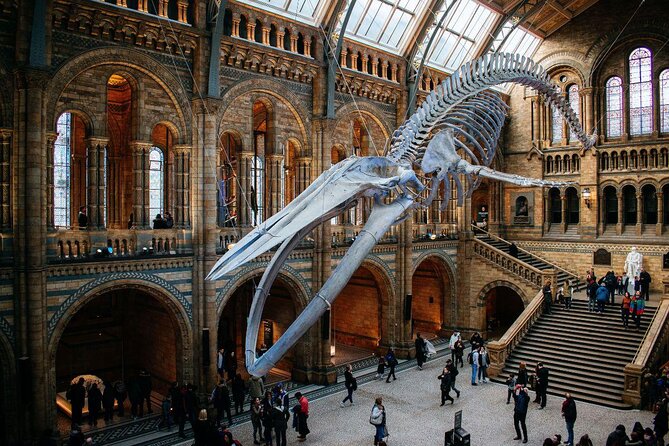
- Specimens with strong visual impact: fossils, rare plants, and dramatic displays like the giant sequoia slice.
- Options matter: it’s private for your group, but the details change if you choose a semi-private savings option.
Why this Natural History Museum tour works in 2 hours
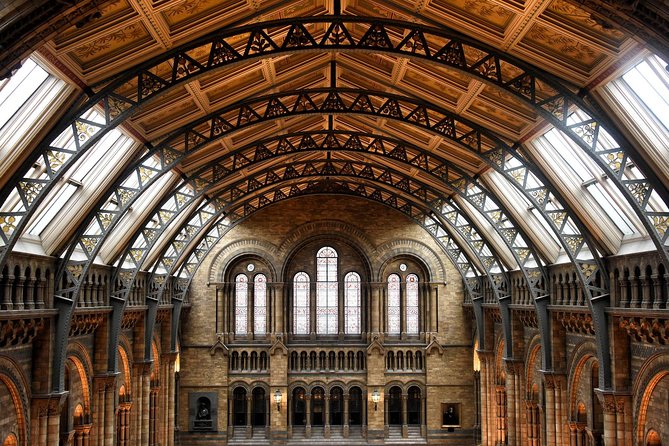
The Natural History Museum in London is the kind of place where you could easily lose an entire day. The problem is simple: without a plan, you end up zigzagging, double-backing, and missing the very things that people came for.
This tour solves that with a short, guided route through Earth’s history—starting with the planet’s origins and moving through volcanic disasters, the extinction of dinosaurs, and the dawn of humankind. You’re not being asked to “experience the museum” in some vague way. You’re being led to specific must-sees, with explanations that help you understand why the specimens matter.
I also like the tone. It’s not just facts dropped like homework. The best guides on this tour—people such as Ivo, Becky, Matilda, and Sacha—are the ones who make the museum feel like a living story. That means you’ll spend your time looking at objects rather than standing in front of labels, trying to figure out what you’re supposed to care about.
You can also read our reviews of more guided tours in London

The two-hour route: what you’ll see with your guide
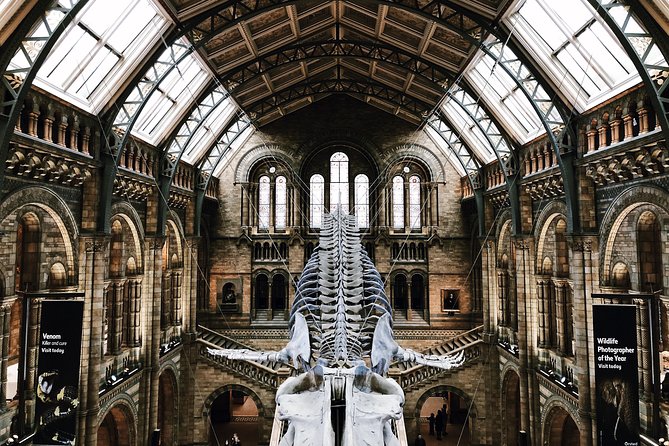
Even though the tour is listed as one main stop, the experience is really a guided sweep through multiple galleries and star exhibits. Expect a curated walk that connects themes: life science, deep time, geology, and the human impact on the planet.
Here’s the flow you can expect, based on what the tour focuses on inside the museum:
Earth’s story, from beginnings to extinction
You’ll start with an overview of Earth’s history—planet origins and the kind of catastrophic events that shaped life. This is where the guide’s role is most useful. Without context, geology galleries can feel like lots of rocks and timelines. With a guide, you start seeing patterns: how the museum connects volcanic history, mass extinction, and the long arc of evolution.
The tour is designed so you don’t get stuck in the weeds. You get the big timeline, then you immediately see standout proof objects.
Archaeopteryx: the missing link moment
One exhibit is repeatedly called out: Archaeopteryx, described here as the missing link between dinosaurs and birds. This is one of those displays that can be moving even if you’re not a dinosaur person.
If you’ve ever stood in a museum and thought, I get the idea, but I don’t really understand it, this is the fix. The guide helps you read what you’re seeing—so the specimen stops being just a named object and becomes a clue in an evolutionary story.
Sophie the Stegosaurus and the dinosaur stars
Next, you’ll spend time in the dinosaur zone. The tour specifically highlights Sophie the Stegosaurus, which is exactly the kind of moment that makes people understand why they wanted to come in the first place. Giant skeletons are impressive on their own, but the guide makes them easier to connect: how skeletons are interpreted, what the displays are trying to show, and why these animals are still relevant to how we think about life on Earth.
You can also read our reviews of more historical tours in London

Dodo skeleton: the reality check
You’ll also see the skeleton of the long-gone Dodo. This matters because it changes the mood. Dinosaur displays can feel like science fiction. The Dodo brings it back to real life—and extinction as something that actually happened in the human world, not just deep time.
It’s the kind of stop that lands especially well if you’re traveling with teens or kids, because it turns an “old history” topic into a human story.
Fossils, rare plants, and the museum’s living “evidence”
The tour highlights rare plants and fossils, with a focus on specimens that show what scientists can learn from preserved remains. This is where the guided angle helps most: plants and fossils are easy to overlook if you’re only chasing dinosaurs.
A guide helps you slow down in the right places and notice what makes each specimen rare or scientifically important—so the tour feels like education, not just a photo safari.
Pompeii casts and the human “why”
One standout detail is the inclusion of casts from victims from Pompeii. That’s a major tone shift, but it works because the museum isn’t only about animals and plants. It also shows how people interpret disaster and how natural events shape human history.
And the tour even points out why some civilizations used human skulls as drinking vessels—one of those facts that sounds shocking until you learn the context. It’s not there to be gross. It’s there to show how biology, belief, and culture can intersect.
Giant sequoia slice: size you can feel
Another frequently mentioned highlight is a huge slice of a Giant Sequoia. Big tree specimens have a strange power: you can’t help reacting to the sheer scale.
The guide’s job here is to connect scale to meaning—why the museum displays it this way and what you can learn from the tree form. In a short tour, this is a smart “anchor stop.” It gives you something memorable that your brain can hold onto later when you’re trying to explain what the museum showed you.
Cursed gemstones and other oddball showpieces
The tour also mentions cursed gemstones and other fascinating displays. This kind of stop is useful because it gets you curious, then the guide turns curiosity into understanding. It’s also a good way to keep energy up during a 2-hour window.
In short: yes, you’ll see serious science. You’ll also see the kind of object that makes you stop and think, wait, how did they even get that?
Crowds, pacing, and why the route feels fast at first
A big practical challenge at this museum is that it’s huge and often crowded. Even with good planning, self-guided visits can turn into stress: too many rooms, too many choices, and you keep asking yourself whether you’re in the right place.
This tour is built for decision fatigue. You’re guided to key spots in a sequence that tries to reduce backtracking. That’s why, if you start feeling like you’re moving quickly, it makes sense. The tour isn’t trying to show everything. It’s trying to show the right things, in the right order, before the crowd thickens around you.
In fact, many of the best experiences come from guides who know how to shepherd a group through a busy building. People mentioned that the route helped them miss most of the crowd trouble points, and the guides like Ivo and Andi were singled out for navigating the museum effectively.
What makes the guide the real value
Let’s talk about the core value: you’re paying for a human filter.
A museum label can tell you what something is. A good guide helps you understand why it matters and how to look. That’s why the guide names keep showing up in strong feedback. Becky is praised for making stories come alive and for a warm, steady style. Matilda stands out for breaking down the museum’s scale so it feels manageable. Ivo is repeatedly described as engaging and capable of answering questions without making it feel like a lecture.
Also, the tour seems especially strong for families. When you bring kids, a normal museum day can become a “stand there while adults read” situation. But with this tour format, the pacing and explanation style are aimed at keeping younger visitors engaged. If you’re traveling with a child (even a young one), this guided structure can be a big win.
Price and what you’re really buying
At $108.49 per person for about 2 hours, this isn’t a budget activity. If you’re only chasing the museum’s general atmosphere, self-guided can be cheaper.
But you’re not just buying admission. You’re buying:
- A guided route that targets high-impact exhibits
- A guide who can answer questions on the spot
- Time saved in a museum that can swallow hours
- A “less wandering, more seeing” plan
That last point matters. If you hate spending vacation time lost in hallways, the guide fee starts looking more reasonable. It becomes a way to buy back your limited sightseeing hours and reduce the mental load of choosing what to see.
One more thing: the tour is private for your group by default (only your group participates). However, there’s an option where the guide exclusivity and some included notes (like wheelchair-friendly specifics) don’t apply if you choose a semi-private savings version. So if exclusivity is part of your reason for booking, double-check which option you select.
Morning or afternoon plans: when to go
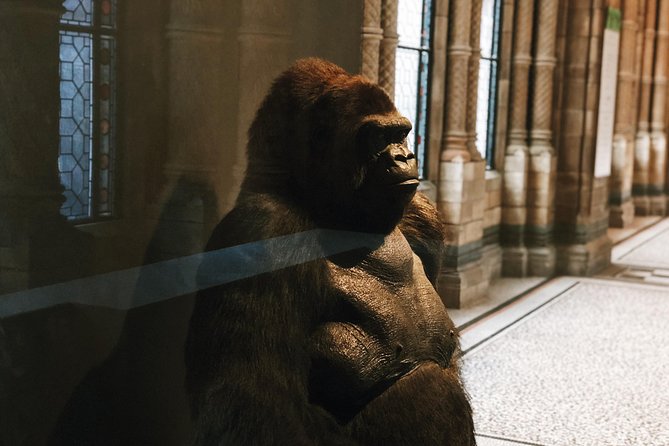
The highlights mention that private tour options are available both in the morning and afternoon. I can’t promise which time feels calmer on any particular day, but the practical advice is straightforward:
- If you like a fresher start and want fewer people in the building, consider the morning slot.
- If you want the museum later after you’ve handled other London basics, the afternoon slot still works because the tour focuses on key rooms and keeps you moving.
Also, the tour is often booked about 28 days in advance on average. If you’re traveling in peak seasons, booking ahead is smart.
Practical notes that can save your day
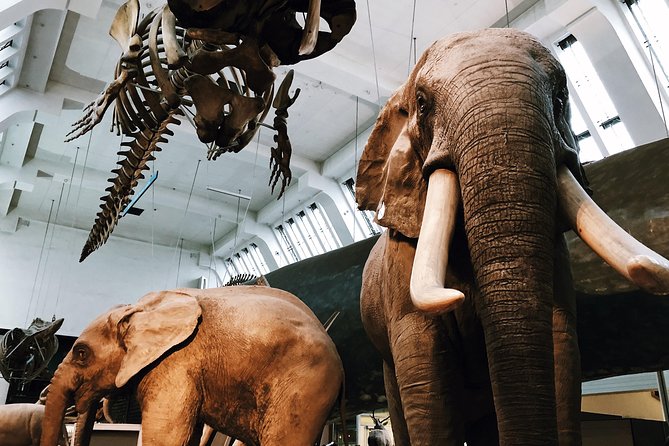
This tour has a few museum-style rules that are worth knowing before you show up:
- You’ll meet at the Natural History Museum / Cromwell Road (Stop H), South Kensington (SW7 2DH). The tour ends back at the meeting point.
- You must provide a mobile phone number (with country code). If you forget this, it can create a last-minute scramble.
- Admission ticket details are included as free in the tour listing for this experience, but you’ll still go through museum entry flow like everyone else.
- No large bags or suitcases inside. You should bring a handbag or a small thin bag that fits security rules.
- Some sites need appropriate dress for entry, so avoid showing up in anything too skimpy or inappropriate for indoor museum areas.
- Security lines happen. Even if something sounds like reduced waiting, expect lines in busy times.
- A few rooms can be very quiet or restrict speaking. Your guide will explain what to do before you enter those areas.
There’s also a real-world risk with museums: occasional closures can happen. If the museum’s opening time is delayed by more than 1 hour from the tour start time, the operator says you’ll get an appropriate alternative, but refunds or discounts won’t be offered in those cases. It’s rare, but it’s part of planning in London.
Who this tour is best for
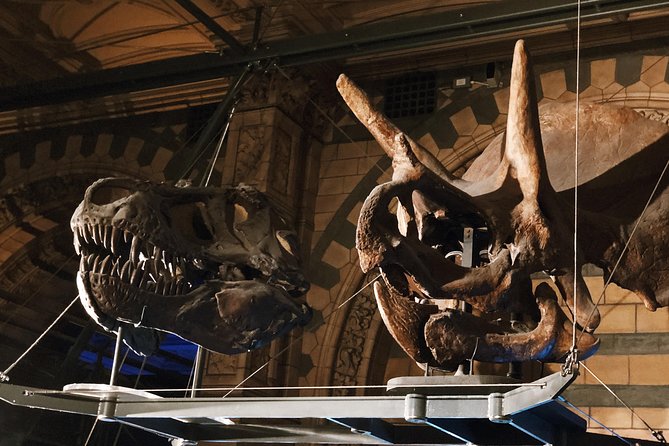
This experience is a strong match if you:
- Love natural history and want a focused route through the museum’s big specimens
- Want the museum’s stories explained instead of reading every label
- Hate wandering aimlessly in a huge building
- Travel with kids and need a pace that keeps them interested
- Plan a short London stay and want the most impact from limited time
It’s less ideal if you:
- Want to roam freely at your own pace for the full museum breadth
- Prefer museums where you spend a long time in one gallery reading everything
- Are looking for a lower-cost option purely for general entry
Should you book this exclusive Natural History Museum tour?
If you’re the type who wants to see the highlights and you value a guide who can answer questions while keeping you moving, I’d book it. The biggest payoff is practical: you get a smart 2-hour tour through the museum’s headline objects—dinosaurs, Archaeopteryx, Dodo, fossils, rare plants, Pompeii casts, and the giant sequoia slice—without getting lost in the scale.
If you’re on a tight budget or you love slow museum wandering, you might skip the guided tour and go self-guided. But if you’re paying for time savings and story, this one makes sense.
FAQ
How long is the exclusive guided tour?
It runs for about 2 hours.
Where is the meeting point?
You meet at the Natural History Museum / Cromwell Road (Stop H), South Kensington, London SW7 2DH, UK.
Is museum admission included?
Yes. The tour listing notes an admission ticket is free for the experience.
Is this tour private?
Yes. It’s described as private, meaning only your group participates. The inclusions can change if you choose a semi-private savings option.
What bag or security rules should I expect?
No large bags or suitcases are allowed inside. You should use a handbag or small thin bag pack that’s allowed through museum security.
Is the tour wheelchair friendly?
Wheelchair friendly is included for the standard option, but it does not apply if you choose the SAVE! BOOK SEMI-PRIVATE option.