REVIEW · LONDON
Paradox Museum London Admission Ticket
Book on Viator →Operated by Paradox Museum in London · Bookable on Viator
Optical illusions hit fast at Paradox Museum London. You prebook, then step into rooms made for instant camera laughs, from the Camouflage Room to the tricky turns of the Wizard Room. I love how the exhibits push you to play, not just look, and I also like that it works well for both kids and adults. The main drawback to plan around: the experience can feel short, and some elements may be limited or unavailable during your visit.
My other big plus is the practical setup. You can grab a time slot online, and that helps you avoid standing around while the fun is right there. I also like the mobile ticket system because it’s one less thing to manage in London. Just keep your expectations grounded: this is an illusion show where you’ll spend a lot of time photographing, not a full-day museum.
In This Review
- Key highlights to know before you go
- First impressions: what this museum really is
- Tickets, timing, and keeping your day on track
- Camouflage Room: the best kind of “wait, what?”
- Paradox Tunnel: walking wrong on purpose
- Wizard Room: tricky hallways and the Paradox Sofa
- How long does it take, really?
- The Zero Gravity Room upgrade: what’s included vs. extra
- Value for money at about $34.39
- Getting there and on-site flow
- Who should book this illusion museum?
- Should you book Paradox Museum London?
- FAQ
- How long is the Paradox Museum London visit?
- How much are tickets for Paradox Museum London?
- Is the ticket mobile?
- Is the Zero Gravity Room included with general admission?
- Can I cancel for a full refund?
- Are service animals allowed?
- Is it easy to get there on public transport?
Key highlights to know before you go
- Prebook with a mobile ticket so you can show up and get moving.
- Camera-first design means you’ll take a lot of photos, not just watch effects.
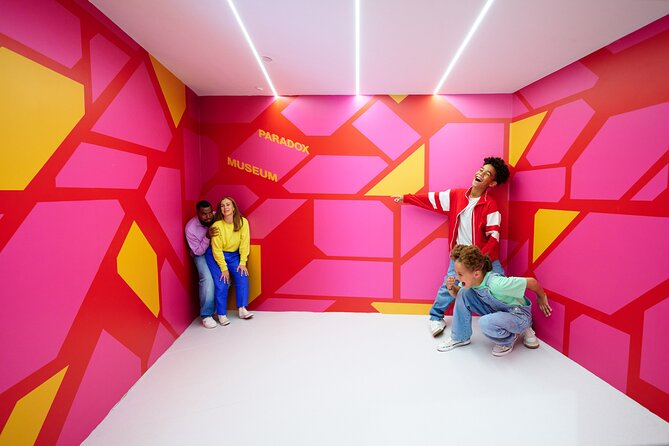
- Camouflage Room teaches you how to use angles to look like you belong.
- Paradox Tunnel turns walking into a balancing act you can see on camera.
- Wizard Room mixes tricky hallways with the Paradox Sofa photo moment.
- Zero Gravity Room is an on-site add-on if you want the extra wow.
First impressions: what this museum really is
Paradox Museum London is an optical illusion attraction built for one job: getting your eyes to argue with your brain. You’ll walk through themed spaces where perspective, body positions, and camera angles create the magic. The vibe is playful and light. This is not the kind of place where you read long labels for hours.
For me, the value is in the way the rooms are staged for fast interaction. You don’t need technical skills. You just need curiosity, a phone or camera, and the willingness to look a little ridiculous for 30 seconds at a time. If you travel with kids, that matters. If you travel with friends, it matters even more.
Where you should calibrate your expectations: the museum experience is time-limited and tends to move quickly. The ticket duration is listed at about 1 hour 30 minutes, but many people end up faster if they’re efficient with photos and don’t get stuck waiting for others to clear a pose.
A few more London tours and experiences worth a look


Tickets, timing, and keeping your day on track
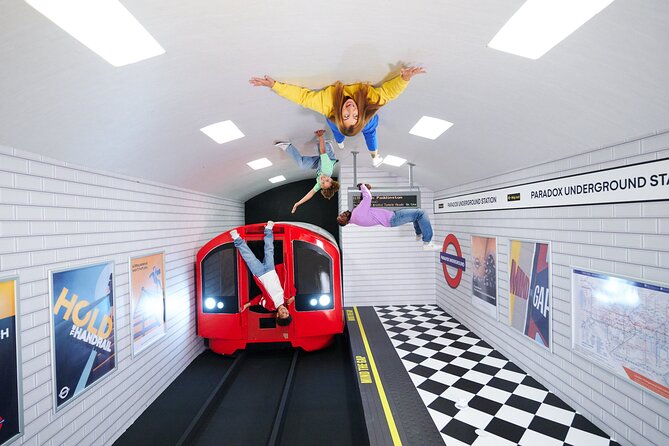
Paradox Museum London runs on time slots you book online. That’s a real help in a city like London, where “find the place and hope” can cost you time. The ticket is mobile, so you’ll show it on your phone.
Price-wise, you’re looking at $34.39 per person. Whether that feels expensive or fair depends on how you like these kinds of attractions:
- If you love photographing optical illusions and getting the right angle, you’re likely to feel satisfied.
- If you’re expecting a long museum experience with deep exhibits, you may feel it’s too short.
I’d also suggest booking ahead because you’ll be able to choose a time that fits your route. On a busy day, that can mean less waiting and more time inside doing the fun parts.
Camouflage Room: the best kind of “wait, what?”
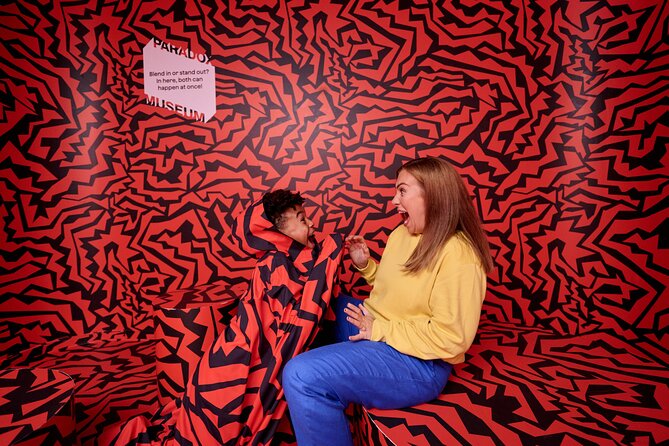
The Camouflage Room is the kind of exhibit that makes you instantly understand what this museum does. The goal is to make you look like you’re hidden in plain sight, using positioning and perspective. It’s funny, it’s visual, and it’s highly camera-friendly.
Here’s the trick that makes it work: don’t just stand where your instinct tells you to stand. Step slightly, change the angle, and watch how the illusion behaves with your body. If you’re traveling with someone, take turns. One person shoots while the other tries a new stance. You’ll get better results faster than if everyone piles into the same exact spot.
This is one of the highlights for a reason. It’s the kind of room that gives quick payoff, which is great for families and people who don’t want to spend the whole visit in line or figuring out how an effect is supposed to work.
Paradox Tunnel: walking wrong on purpose
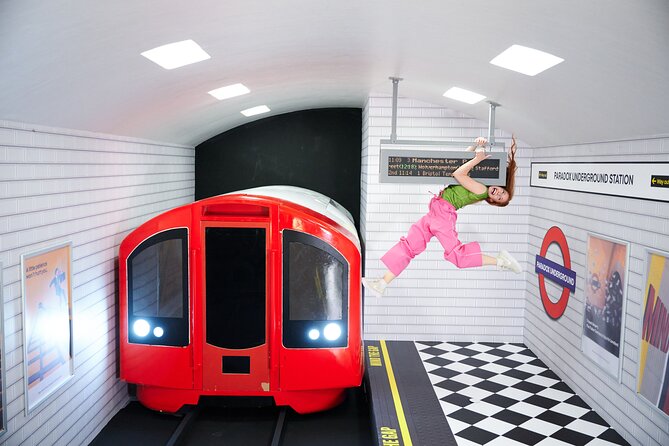
The Paradox Tunnel is where you attempt to negotiate a “walk straight” challenge. It looks simple at first. Then it plays with your sense of direction, and you end up correcting your steps in real time. The result is usually a burst of laughter—and a camera reel full of shots where your posture and path don’t match what you felt in the moment.
What I like about this room is that it’s physical without being complicated. You’re not doing anything athletic. You’re just walking while the environment tries to trick your eyes. If you’re with kids, this is often the “run it back” part of the visit. People want another take after they finally get the illusion to show on camera.
One consideration: at any photo-heavy exhibit, crowds can slow you down. If you notice a cluster blocking the best angle, pause and regroup. Wait for a clear window so you can get your shot without feeling rushed.
Wizard Room: tricky hallways and the Paradox Sofa
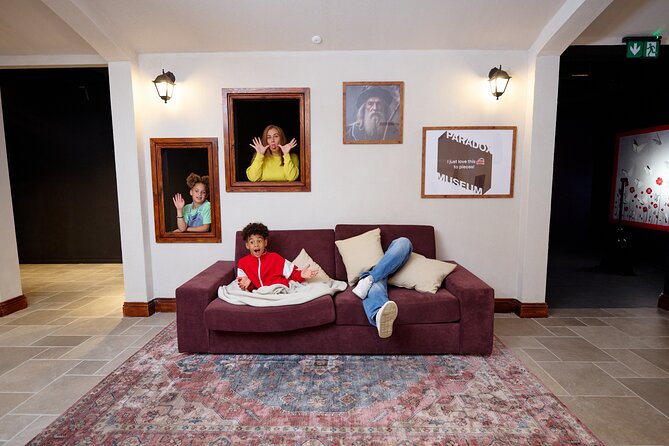
The Wizard Room is built around misdirection—hallways that feel odd, and photo spots that tempt you to test what’s really going on. The Paradox Sofa is one of the star moments people aim for here.
The biggest win in the Wizard Room is pacing. It’s not one long “stand and watch” area. It’s a sequence of spaces that keep you moving and give you multiple photo opportunities. That reduces the chance you’ll feel bored. It also makes it easier to keep kids engaged, since there’s always a new spot to try.
For the Paradox Sofa, think in terms of angles and scale. Optical illusions tend to punish the one position you assumed would work. Try a few small adjustments—shift your distance from the sofa, change where your camera is relative to the room, and then shoot. You’ll usually get the effect with simple tweaks.
A balanced note: if certain elements are temporarily unavailable, the Wizard Room impact may feel smaller. Some people report parts being out of order or needing extra access. If your heart is set on a specific photo spot, plan for the possibility that you’ll need to make a backup plan on the fly.
You can also read our reviews of more museum experiences in London


How long does it take, really?
The official listed duration is about 1 hour 30 minutes, but your actual time will depend on two things: crowd level and how long you spend perfecting photos.
If the museum is busy, expect to spend extra minutes waiting for others to finish at popular poses. If it’s calmer, you can cover the core rooms quickly. Either way, it’s not a slow, wandering museum with hours of reading and contemplation. It’s an activity.
My practical advice: set aside about 90 minutes for a comfortable visit, especially if you want photos without stress. If you’re racing to catch another London reservation, you might still make it, but you’ll want to move efficiently.
The Zero Gravity Room upgrade: what’s included vs. extra
The general admission ticket covers the museum. There’s also an option to upgrade on site to experience the Zero Gravity Room, subject to availability.
So how do you decide if the add-on is worth it? Ask yourself what you came for:
- If you primarily want photo fun in multiple rooms, general admission may be enough.
- If you want that extra headline effect and don’t mind paying more, the Zero Gravity Room is the most obvious add-on target.
The key is “subject to availability.” That means you shouldn’t plan your whole day assuming you’ll definitely get it. If it’s available when you arrive, it can be a strong closer to the visit. If it’s not, you can still leave happy with the core illusion rooms—just don’t anchor your expectations entirely on the upgrade.
Value for money at about $34.39
$34.39 isn’t cheap, but illusion museums can be worth it when you treat them like a photo-and-play experience rather than a traditional museum.
What boosts value here:
- Multiple themed areas that change the mood as you move.
- A strong focus on taking pictures, so you leave with tangible memories.
- A format that works well across ages, which can make it a better family spend than a niche adult-only attraction.
What can reduce value:
- If you’re expecting something long, you may feel the time doesn’t match the ticket cost.
- If some components are limited or out of order, your number of “wow moments” might drop.
- Some effects can require additional access or extra payment, depending on what’s running that day.
My bottom line: it’s best value when you actually want the photo results. If you’re the type who likes to pose, retry, and experiment, you’ll likely feel you got your money’s worth. If you only want a quick look and photos are incidental, consider whether you’ll spend enough time in each room to justify the price.
Getting there and on-site flow
Paradox Museum London is near public transportation, which is a big deal in London. You won’t need a car plan. That keeps your day flexible.
On arrival, the mobile ticket helps you move quickly. Staff are also reported as helpful, which matters in places where you’re trying to figure out the best route and photo spots without slowing down.
One more practical note: because the museum is built around posing and camera angles, you’ll get the best experience when you’re willing to pause, try a new spot, and then move on. If you try to power through without taking any photos, you’ll miss what makes the place fun.
Who should book this illusion museum?
This is a good fit for:
- Families looking for an activity that keeps kids engaged without being purely childish.
- Friends traveling together who want a low-effort, high-laugh activity.
- Anyone who likes optical illusion photography and doesn’t mind looking a little silly.
It may not be your best match if:
- You want a long, multi-hour museum with heavy interpretive content.
- You dislike crowds or waiting for photo spots.
- You need a very structured guided explanation. This is more about doing and testing than listening to a deep lecture.
Should you book Paradox Museum London?
Book it if you want a fun, photo-focused illusion experience that’s easy to fit into a London day. I think it’s especially worth it when you like interactive attractions where you can repeat poses until the illusion clicks.
Hold off or book with realistic expectations if you’re very price-sensitive, you hate the idea that parts might be limited, or you’re expecting more than about an hour to an hour and a half of activity. For the best odds of satisfaction, plan your visit during a time slot that gives you breathing room—then go in ready to play with angles and perspective.
If you still have room in your budget once you’re there, check whether the Zero Gravity Room upgrade is available. That add-on can turn a good visit into a memorable one.
FAQ
How long is the Paradox Museum London visit?
The duration is listed at about 1 hour 30 minutes.
How much are tickets for Paradox Museum London?
The price is $34.39 per person.
Is the ticket mobile?
Yes, you get a mobile ticket.
Is the Zero Gravity Room included with general admission?
No. The Zero Gravity Room is available as an on-site add-on purchase, subject to availability.
Can I cancel for a full refund?
Yes. You can cancel up to 24 hours in advance for a full refund.
Are service animals allowed?
Yes, service animals are allowed.
Is it easy to get there on public transport?
It’s near public transportation.