REVIEW · COLMAR
Visit of Choco-story COLMAR, the Chocolate Museum.
Book on Viator →Operated by Choco-Story COLMAR · Bookable on Viator
Chocolate starts with a forest and ends with tastings. This is a 90-minute, scripted-but-playful museum experience in Colmar that walks you through cocoa’s story from early origins to modern chocolate making. I like the way it mixes hands-on interactions with big visual set pieces instead of feeling like a standard museum lecture.
You’ll follow a clear timeline: a virgin-forest beginning, an Aztec legend scene, a 16th-century ship setup, then the shift to European courts and industrial chocolate. The included audioguide (multiple languages) keeps the pacing moving, and the experience builds in small games that make it easier to stay engaged.
One thing to consider: it’s a theatrical ride, so if you prefer quiet reading and lots of free wandering time, this may feel a bit structured.
In This Review
- Key highlights at Choco-story COLMAR
- What the Choco-story Colmar experience feels like
- The 90-minute timeline: from virgin forest to cocoa legends
- European courts and the fun photo breaks
- The “Choco scanner” and why the interactions work
- Second floor: industrialization, cabaret theatrics, and chocolate sculptures
- The tasting: the best reason to care about the story
- Price and timing: is $18.02 worth 1 hour 30 minutes?
- Where to meet in Colmar (and how to plan your day)
- Who should book Choco-story COLMAR
- Should you book this chocolate museum?
- FAQ
- Where is Choco-story COLMAR located?
- How long is the visit?
- How much does it cost?
- What’s included in the ticket?
- Is hot chocolate included?
- How many languages is the audioguide available in?
- Is this suitable for children?
- What is the cancellation policy?
Key highlights at Choco-story COLMAR
- Audioguide in 6 languages so you’re not stuck guessing what each scene is saying.
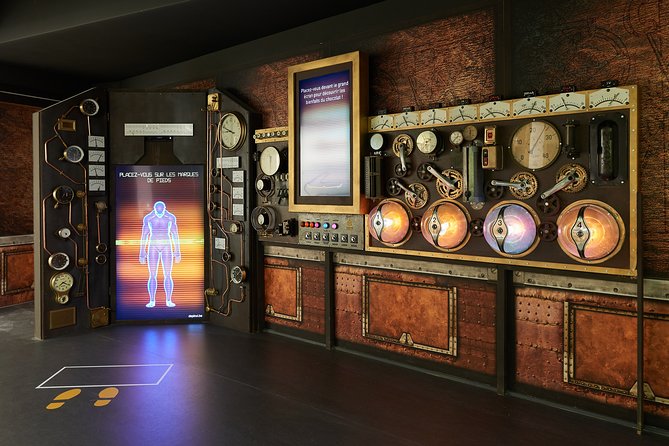
- Interactive stops like motion-based effects and the body scanner-style segment.
- Hands-on photo moments including royal armchairs for a fun break from watching.
- Industrial-age showmanship with a striking 250 kg Statue of Liberty lighting up alongside chocolate sculptures.
- Chocolate tasting included, and that matters because it ties everything together.
- Built-in games that make it easier for kids to stay interested without you “performing” as the activity leader.
What the Choco-story Colmar experience feels like
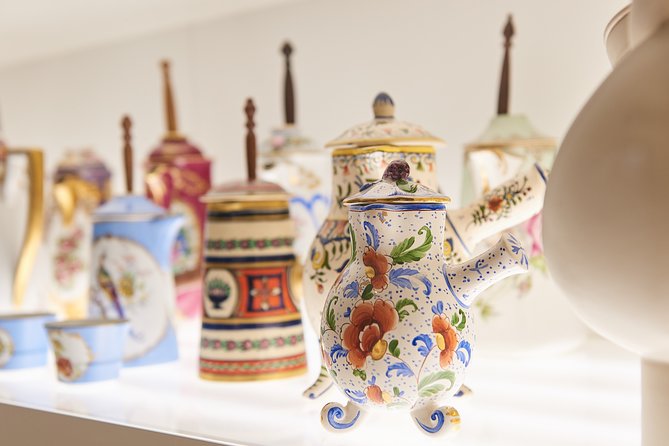
Choco-story COLMAR is set up like a chocolate-themed storybook you can walk through. The big idea is simple: you don’t just read about cocoa—you move through scenes, watch short film-style moments, and hit interactive elements along the way. The included chocolate tasting is the payoff that keeps the whole visit grounded in something you can actually taste.
I like that it covers more than one angle. You’ll learn about where cocoa comes from and how the product traveled, but you’ll also see how the “chocolate world” grew into something visual, theatrical, and market-ready. That mix is what makes it work for both adults who want facts and families who want something lively.
The time window is also realistic. At about 1 hour 30 minutes, you can fit it into a Colmar day without turning your schedule into a spreadsheet. And with a maximum group size of 200 travelers, it’s large-scale, but not so huge that you’re constantly stuck behind strangers the entire time.
You can also read our reviews of more museum experiences in Colmar
The 90-minute timeline: from virgin forest to cocoa legends
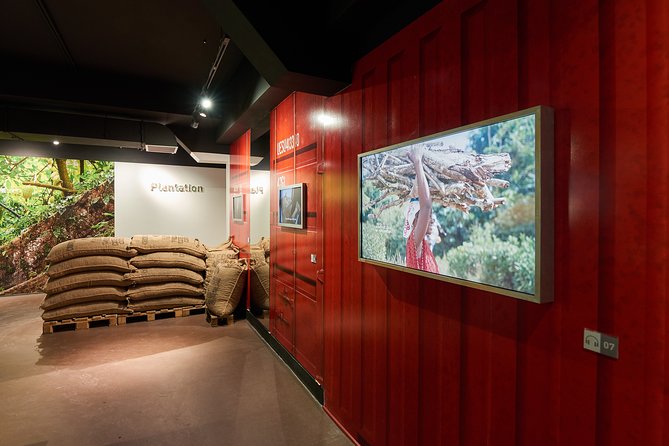
The journey starts in a virgin forest, which sets the tone right away. One animated panel shows a little monkey tasting cocoa beans, and the experience quickly communicates that this isn’t just European chocolate history—it’s about the cocoa plant as a living source of flavor and culture.
Then you move into the legendary side of the story. An Aztec temple scene introduces the feathered serpent god Quetzalcoatl, tied to a legend about bringing cocoa to earth. This section is memorable because it’s not presented like a dry museum placard. It’s staged like you’re inside a myth—so even if you only catch parts of the narration, the visuals do a lot of the work.
Next comes the 16th-century Spanish ship setup. The ground creaks, hurricane-style lamps move, and the windows reveal a sea-like horizon effect—so you feel transported rather than just informed. Even if you’re not a history buff, you’ll probably enjoy how the museum turns a “trade route” topic into a scene you can physically experience.
Practical tip: take your time at the transition moments. If you’re rushing, you’ll miss small interactive bits that make this tour feel different from a standard walkthrough.
European courts and the fun photo breaks
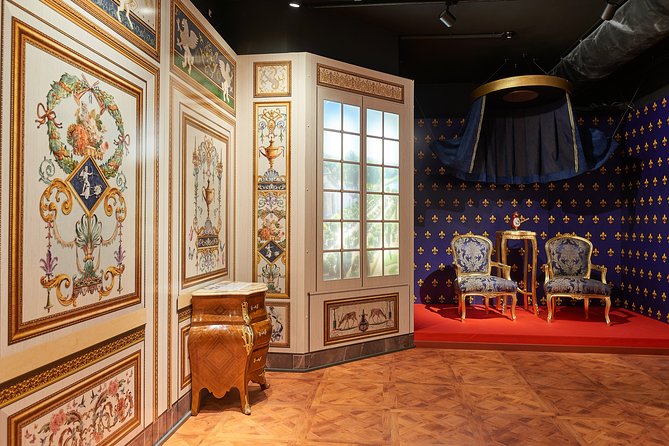
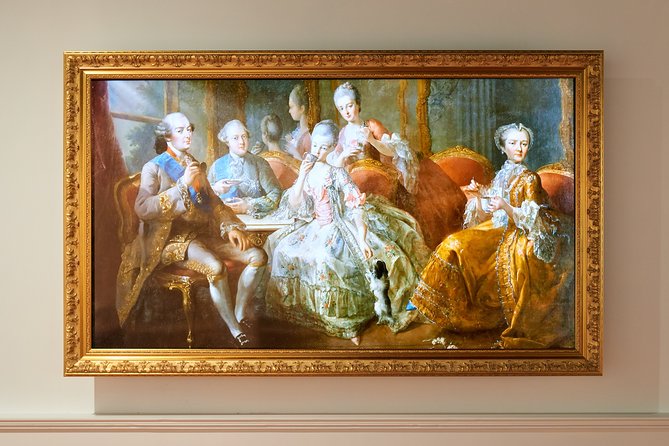
Once the story reaches Europe, the mood shifts. Chocolate enters European courts, and the museum leans into the showy side of the history—exactly the part that tends to get overlooked when museums focus only on agriculture and trade.
This is where you get picture-friendly moments, including the chance to pose in royal armchairs. It’s silly in the best way: you’ll feel like you’ve stepped into a period scene, and it breaks up the more educational portions so you don’t burn out.
I also like that the narration keeps pace with what you’re seeing. The audio guide helps you connect the scenes: you’re not just taking photos; you’re learning why that court fascination mattered and how chocolate’s role evolved in Europe.
One consideration: it’s still a guided flow. If you’re the type who wants to linger for 20 minutes on one display, you may find yourself moving along on the museum’s schedule. The good news is that the experience is designed to be friendly to different pacing styles, so you won’t feel constantly pressured—just gently guided.
The “Choco scanner” and why the interactions work
One of the most talked-about elements is the choco scanner. This portion reproduces movements of your body and highlights benefits associated with the cocoa fruit. It’s interactive without requiring you to be athletic, and it turns a plant-and-product topic into something you can actively do.
This matters more than it sounds. Museum interactions are usually either too gimmicky or too technical. Here, it seems built to keep people engaged without making anyone feel singled out. That’s why it’s a strong choice even if you’re visiting with kids.
You’ll likely appreciate the balance between entertainment and information. Even when you’re laughing at the motion-based part, you’re still being pointed back to the cocoa tree fruit and why people value it.
Tip for parents: use the scanner moment as a reset. Let kids run through the interaction once, then you can regroup and move into the next floor without everyone getting cranky.
Second floor: industrialization, cabaret theatrics, and chocolate sculptures
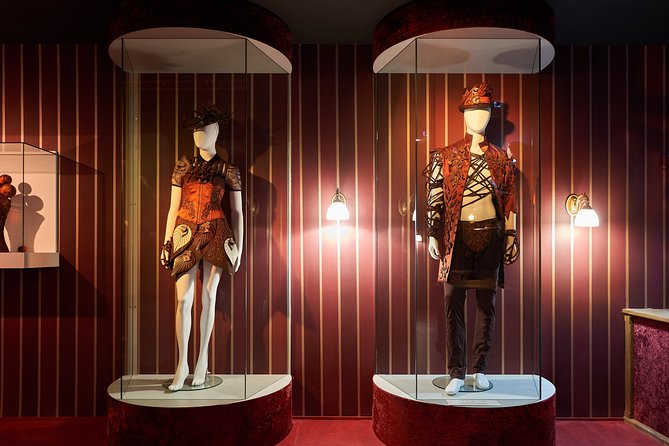
The second floor focuses on industrialization, and it changes the vibe again. You go from early origins and court fascination into how chocolate became a modern, manufactured product. That’s the part of the story a lot of people only half-remember from school, so getting it in a staged format can make it stick.
There’s also a cabaret show element with a massive 250 kg Statue of Liberty lighting up the world alongside other chocolate sculptures. This is the kind of set piece that makes the museum feel like an event, not a quiet room of displays. If you love big, photo-ready spectacle, this is where you’ll notice the crowd energy rise.
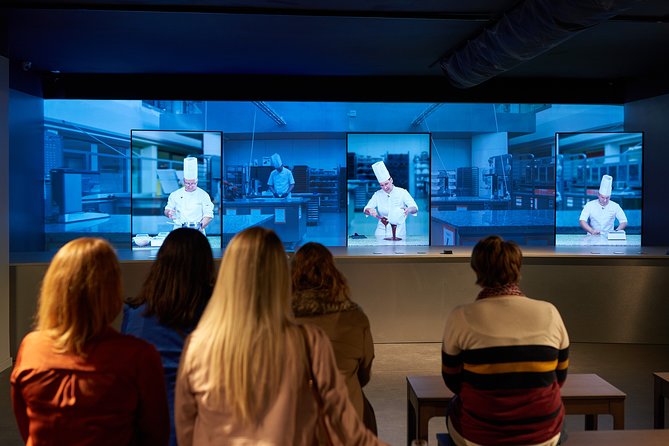
After that, you hit a giant screen segment where three master chocolatiers present their recipes. This is useful because it gives you a bridge from history to the present day. Instead of stopping at what chocolate used to be, it points you toward how today’s makers work.
One practical note: you may want to stand back once or twice during the cabaret show so you don’t get blocked. The sculptures are impressive, but being too close can limit your view. If you’re short, adjust early rather than waiting until the most important lighting moment.
The tasting: the best reason to care about the story
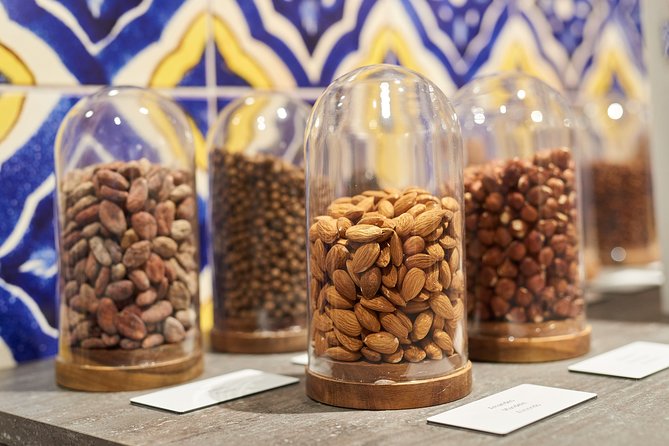
Chocolate tasting is included, and honestly, it’s the anchor that makes the whole experience worth it. You can learn about cocoa origins, trade routes, and manufacturing techniques—but tasting is what turns information into something real in your mouth.
From the overall vibe of the experience, the tasting seems to be one of the best parts. People tend to remember it because it connects directly to the story you just watched. If you’re a chocolate lover, that’s the moment you’ll feel most satisfied about your ticket time.
What to expect on-site: the tasting is part of the included package, but a hot chocolate drink is not included. If you’re craving that warm cup, you’ll need to plan to buy it separately (or skip the drink and focus on the tasting).
If you’re sensitive to sugar, pace yourself. It’s a single museum session, so you don’t have to rush through the tasting line just to catch up.
Price and timing: is $18.02 worth 1 hour 30 minutes?
At $18.02 per person for about 1 hour 30 minutes, this is priced like a dedicated activity—big enough to feel like an event, not so expensive that it crowds your whole day.
Here’s the value logic I’d use when deciding: you’re paying for three things at once—(1) an audio-guided narrative, (2) interactive scenes, and (3) chocolate tasting included. Many chocolate-themed stops in cities cost similar or more when you add entrance and then pay separately for something hands-on. This package bundles those pieces, which makes the per-minute cost feel more reasonable.
Also, you can usually find time for this. Colmar is compact and easy to explore on foot, so a 90-minute indoor visit works well when the weather changes or when you want a break from walking.
One more scheduling note: this experience is often booked around 9 days in advance on average. That doesn’t mean you must book instantly, but if you’re traveling in peak season or on a tight itinerary, it’s smart to reserve ahead.
Where to meet in Colmar (and how to plan your day)
Meeting point is 12 Pl. de la Cathédrale, 68000 Colmar, France. The activity ends back at the meeting point, which is helpful because it keeps your navigation simple—you don’t need to figure out how to get across town after the museum ends.
The attraction is also near public transportation, so it’s easy to combine with other Colmar sights. I like that for travelers who don’t want to reorganize their day around one long-distance transfer.
Practical planning idea: put this either mid-morning or afternoon, when you’re ready for an indoor break. Since it’s about 90 minutes, you can follow it with a relaxed walk afterward rather than trying to squeeze it between two major timed tours.
Who should book Choco-story COLMAR
This is a strong pick if any of these fit you:
- You want a family-friendly activity that doesn’t treat kids like an afterthought.
- You prefer learning through interactive scenes rather than only reading panels.
- You like chocolate, but you also like understanding where it comes from and how it became popular.
It’s also a good option if you’re in Colmar for a short city break. You get a full, themed experience without needing an entire half day.
If you’re someone who hates group flow and would rather wander at your own pace for hours, you might find the guided format a bit limiting. But if you enjoy set pieces—my guess is you’ll have fun here.
Should you book this chocolate museum?
I’d book Choco-story COLMAR if you want a chocolate experience that’s more than just a store and more than just static displays. For $18.02, the combination of audio narrative, multiple interactive moments, and the included tasting is exactly the kind of “pay once, get a full experience” setup that works on a real travel schedule.
I’d skip it (or at least think twice) if you’re looking for a quiet museum you can take slowly for hours, or if you hate structured walkthroughs. This place is built to move.
Bottom line: if you’re traveling with kids, want something rainy-day proof, or you simply enjoy theatrical history with a tasty finish, this is an easy yes.
FAQ
Where is Choco-story COLMAR located?
The start (meeting point) is 12 Pl. de la Cathédrale, 68000 Colmar, France.
How long is the visit?
The duration is about 1 hour 30 minutes.
How much does it cost?
The price is listed as $18.02 per person.
What’s included in the ticket?
The included items are an audio guide in 6 languages, an interactive experience, and a chocolate tasting.
Is hot chocolate included?
No. A hot chocolate drink is not included.
How many languages is the audioguide available in?
The audio guide is provided in 6 languages.
Is this suitable for children?
Most travelers can participate, and the experience is also described as suitable for children because it includes games.
What is the cancellation policy?
This experience is non-refundable and cannot be changed for any reason.