REVIEW · COLMAR
Colmar: Chocolate Museum Entrance Ticket
Book on GetYourGuide →Operated by Choco-Story COLMAR · Bookable on GetYourGuide
Chocolate has a time machine. This Choco-Story Colmar ticket turns a simple museum visit into a step-by-step story of cocoa, from the forest to European courts, with interactive rooms and plenty of chocolate moments.
I especially like two things: the sheer variety of chocolate experiences along the route, and the way the museum keeps you moving with tastings as you go, not just at the end. It’s hands-on, family-friendly, and designed so the information lands without feeling like a lecture.
One thing to consider: there’s no live guide included. You’ll rely on the on-site audiovisual scenes plus the audio guide app, so it works best if you’re happy to read/listen as you explore.
In This Review
- Key things you’ll notice right away
- A chocolate walk-through that feels like a story, not a lecture
- Your ticket: self-paced, audio-led, and designed for multiple ages
- Starting in a cocoa forest with a cheeky monkey
- The Aztec temple and Quetzalcoatl: legend meets origin story
- On a Spanish ship in the 16th century
- European courts and courtly chocolate drinking in the 17th century
- Second-floor shift: industrialization and Alsace chocolate production
- The virtual demo with 3 master chocolatiers: compare techniques
- Why the tastings and 30 experiences matter for real learning
- Price and value: about $14 for a full, multi-sensory day
- Who this ticket suits best in Colmar
- Should you book Choco-Story Colmar?
- FAQ
- What does the ticket include?
- Is there a live guide included?
- How long is the experience?
- What chocolate experiences and tastings can I expect?
- Do I get to meet chocolatiers?
- What languages is the audioguide offered in?
- Is the museum wheelchair accessible?
- Is cancellation possible if my plans change?
- Can I reserve now and pay later?
Key things you’ll notice right away
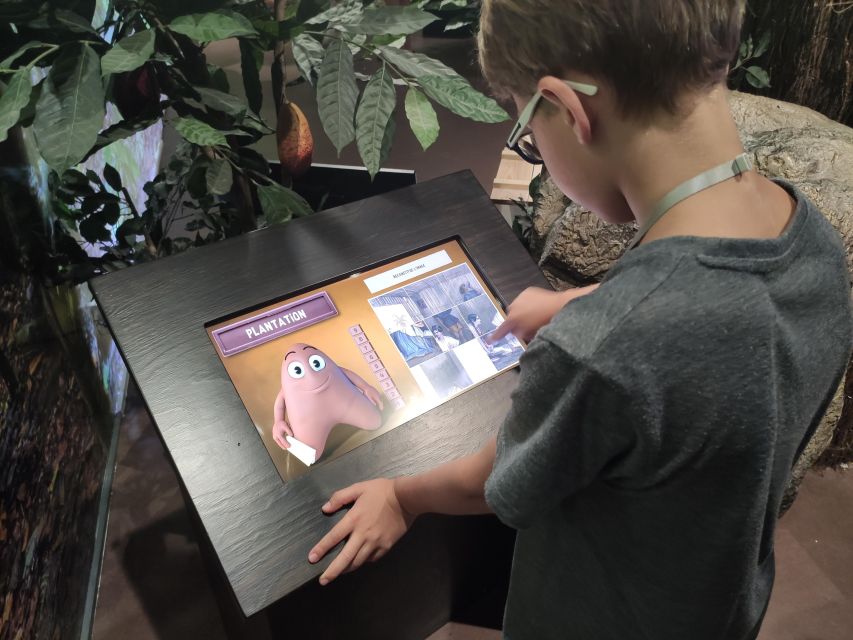
- 30 chocolate experiences built into the walk-through, so you’re not just watching panels
- Story rooms that change scenes fast, from cocoa harvesting to European chocolate culture
- Film and projection effects (including 3D-style visuals) that make the history feel physical
- Tastings throughout, which is where a lot of the learning sticks
- A virtual demo with 3 master chocolatiers, letting you compare technique and craft
- Audio guide in multiple languages, including Chinese, English, French, German, Spanish, and Dutch
A chocolate walk-through that feels like a story, not a lecture
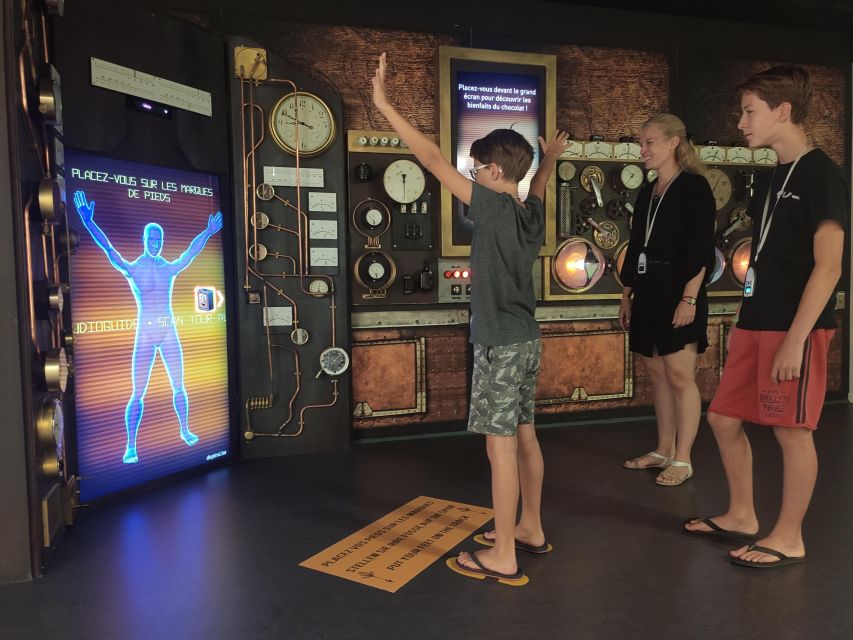
At Choco-Story Colmar, you’re buying a ticket to an interactive experience, not a static museum. The format matters: you move room to room through themed environments, with short films, projection scenes, and guided audio that keeps the timeline moving. If you like your history with smell, taste, and sound, this is exactly that.
The other big reason people enjoy it is the pace. The route is built around “learn, try, move on.” Instead of saving all the food for one tasting station, the museum sprinkles chocolate samples throughout your visit. That makes it easier to stay interested even if you’re visiting with kids or people who don’t want to spend hours reading.
You can also read our reviews of more tours and experiences in Colmar.
Your ticket: self-paced, audio-led, and designed for multiple ages
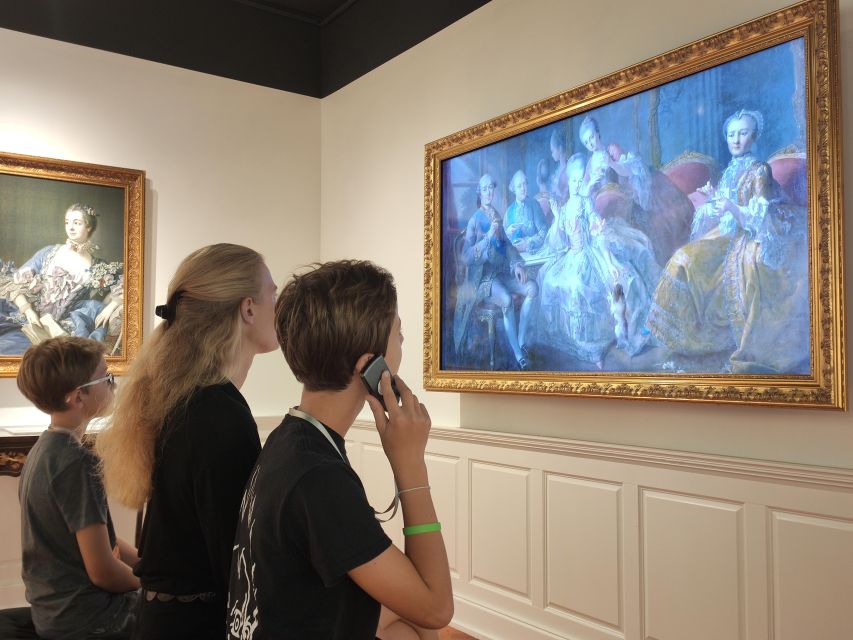
This is a self-guided experience. There’s no live guide included, but you do get access to an audioguide app available in multiple languages. You’ll still get human-style narration and context, just through your phone and the museum’s visuals rather than a person talking face-to-face.
For most visitors, that’s a plus. You can pause when something catches your attention, speed up when you’re ready, and replay sections if the chocolate part is what you came for. If you’re the type who likes to control the timing of your day, you’ll appreciate this setup.
If you’re traveling with a group and someone hates audio apps, plan for small compromises. You can still enjoy the scenes, but the explanation and pacing come from the audio.
Starting in a cocoa forest with a cheeky monkey
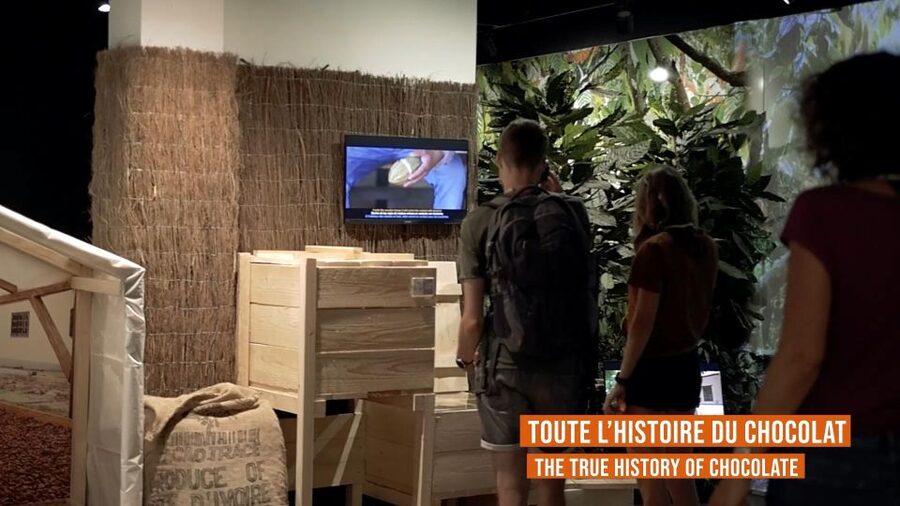
The journey begins in a tropical forest scene where you meet a small monkey eating cocoa pods. It sounds like a cute opening (and it is), but it also does useful work: it gives you an immediate sense of where cocoa comes from and what harvesting means in real life.
From there, the experience shifts to the cocoa tree itself—how the pods grow and how people harvest. The museum uses this opening to ground everything that follows. You’re not just hearing that chocolate has an origin; you’re seeing the starting point before the story jumps across centuries.
Practical tip: this is a good “wake-up moment.” If you arrive slightly tired or distracted, the novelty of the scene helps you reset fast.
The Aztec temple and Quetzalcoatl: legend meets origin story
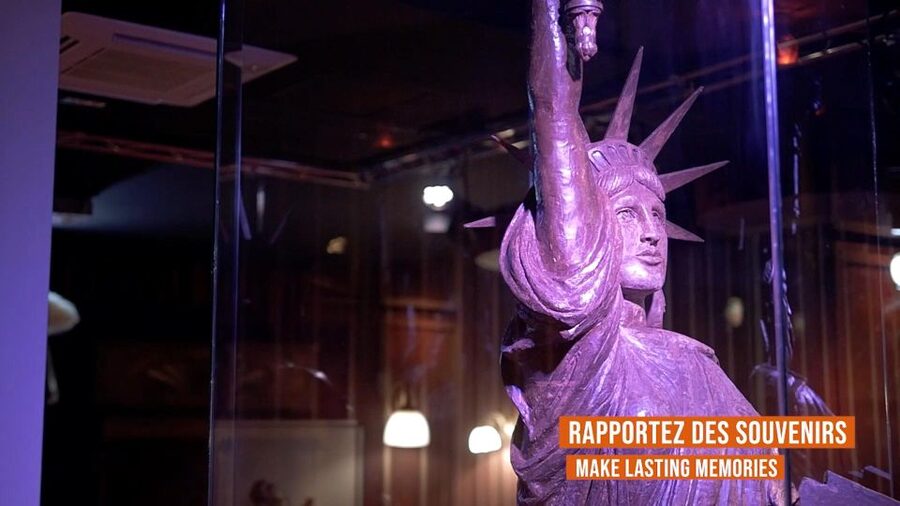
Leaving the forest, you enter an Aztec temple scene connected to the legend of Quetzalcoatl, the serpent god said to have introduced cocoa on earth. This section matters because it shows chocolate as more than a European treat. It presents cocoa as a meaningful substance in belief and story long before it was a product in stores.
What I like about this part is the mix of myth and explanation. It doesn’t just throw the legend at you. It places it in a broader narrative of how cocoa traveled and why people valued it.
If you’re a fan of cultural history, you’ll probably enjoy this stop most. If you’re mainly chasing tastings, it still helps because it gives context for what comes next: cocoa moving from its place of origin toward Europe.
On a Spanish ship in the 16th century
The next room turns dramatic. The floor creaks, lamps shift, and the windows present a bright blue sea view—then you’re placed in the 16th century on a Spanish ship. This section focuses on cocoa’s journey to Europe.
It’s not just set dressing. The museum is trying to make the timeline feel concrete: you’re in transit, not reading about transit. For visitors who learn better when they can visualize steps, this is a clever trick.
What to watch for: the way the story frames Europe as a destination with a new appetite for cocoa, rather than treating cocoa’s arrival as a random event.
European courts and courtly chocolate drinking in the 17th century
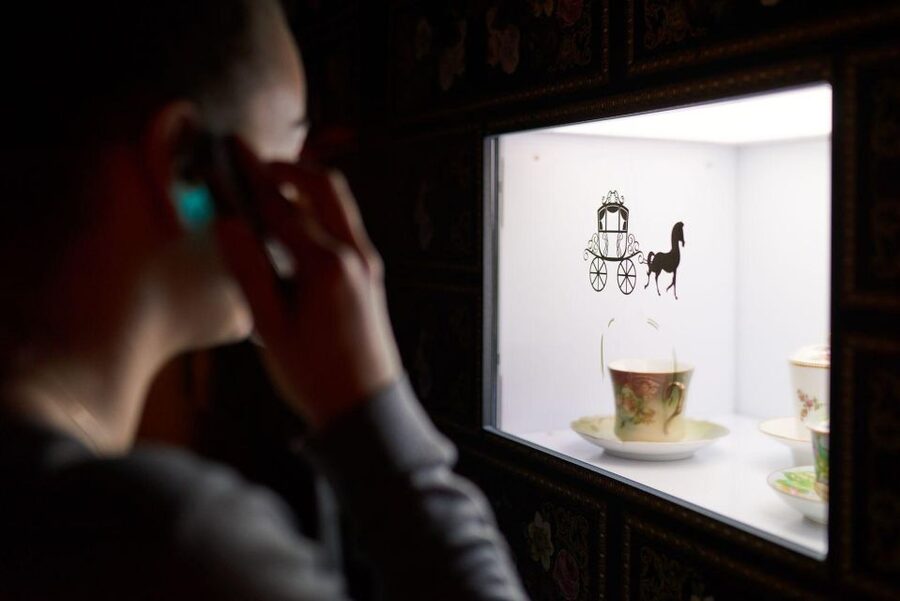
A century later, the story shifts to how chocolate entered European courts. You follow that path and learn about the luxurious equipment made to drink cocoa. It’s easy to think of chocolate as a modern snack, so this section corrects that idea.
You’ll also hear about original flavors offered at the time. That’s a key detail. It helps you understand that today’s sweet profile wasn’t always the default, and that tastes change with tools, customs, and access.
This is also where the museum brings in the idea that chocolate was considered medicinal. You’ll discover beliefs and claims about the benefits of cocoa. I like this part because it gives you a window into how people used new ingredients: not only for pleasure, but for health theories.
Second-floor shift: industrialization and Alsace chocolate production
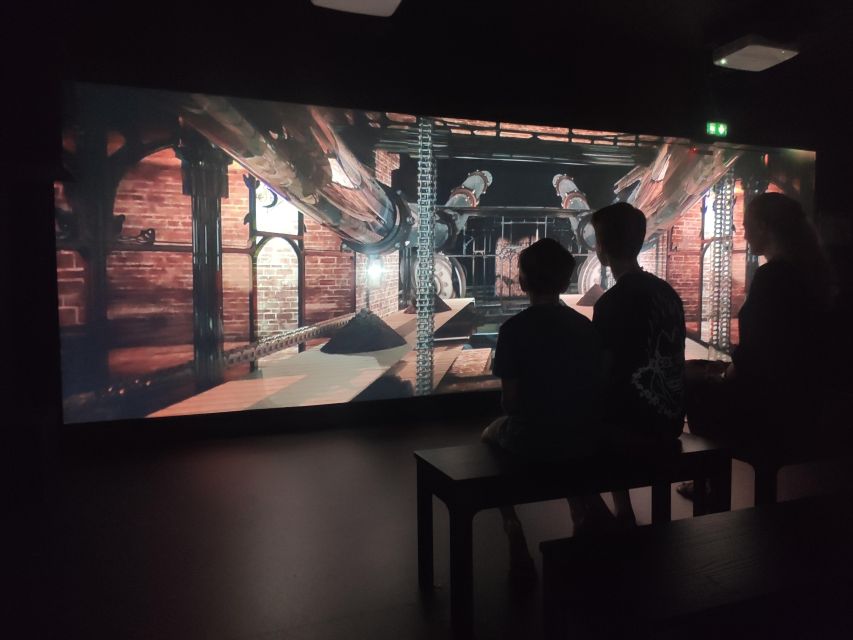
The second floor moves from storybook origins to industry. Here you’ll see how chocolatiers helped make Alsace one of the largest producers of chocolate in France. That local link is a smart choice in Colmar, because it turns a “world history” visit into something rooted in the region you’re actually standing in.
If you enjoy craft and manufacturing processes, this is the area that feels most practical. Even though this isn’t a factory tour, the focus on industrialization and regional production gives you a clearer view of how cocoa became a major business.
Keep an eye out for the way the museum ties the earlier centuries to the later reality. The early rooms are about cultural arrival; this is about turning cocoa into an industry and a local identity.
The virtual demo with 3 master chocolatiers: compare techniques
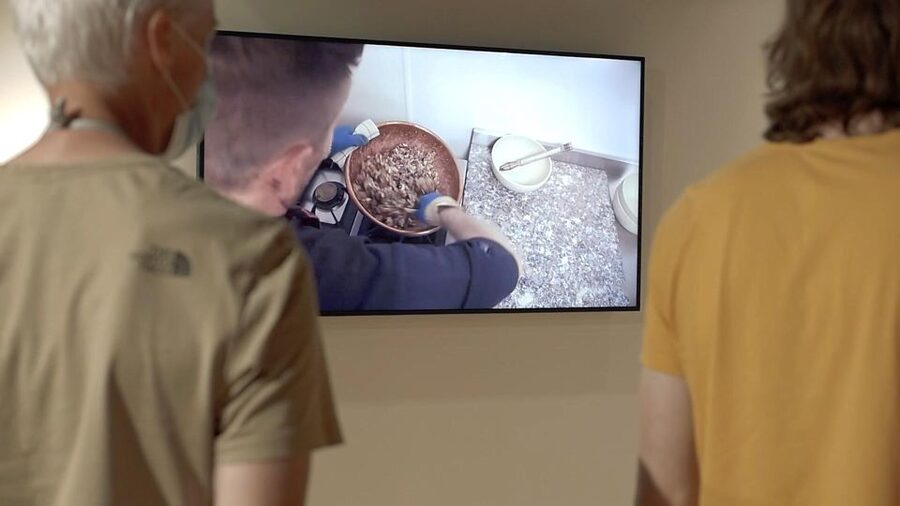
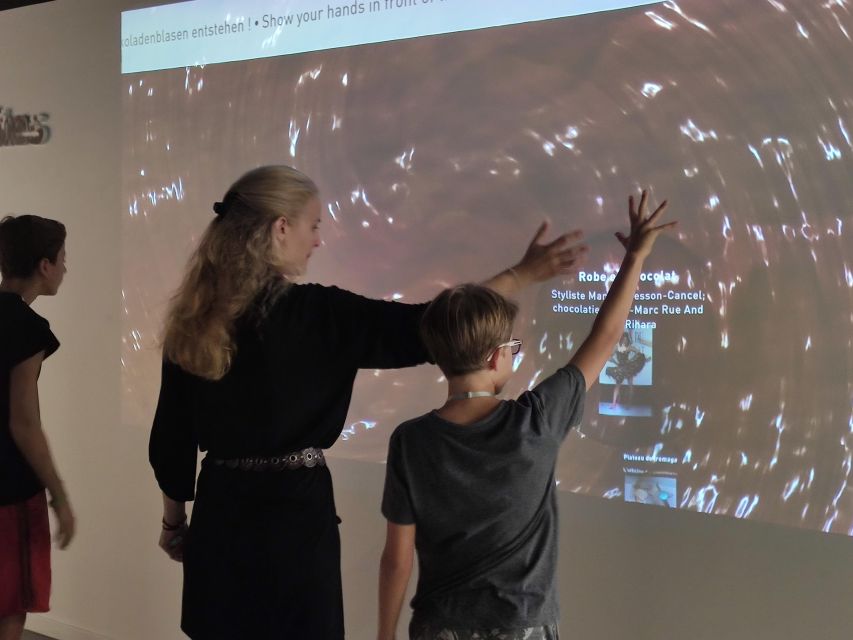
Near the end, you meet three master chocolatiers in a virtual demonstration. They present recipes and share some of the tricks used to make their perfect chocolates.
This is one of the best parts for people who are more interested in technique than timeline. You’re not just hearing that chocolate making is complex; you’re seeing it framed through multiple specialists, each with their own approach. It’s a useful way to understand how small choices can lead to different results.
Also, because it’s virtual, you can watch it without worrying about a live schedule. It’s built into the route, so you don’t have to hunt for the right moment.
If you’re sensitive to language differences, choose the audio language that matches your comfort. The explanation in the audio app helps you get more from the demo.
Why the tastings and 30 experiences matter for real learning
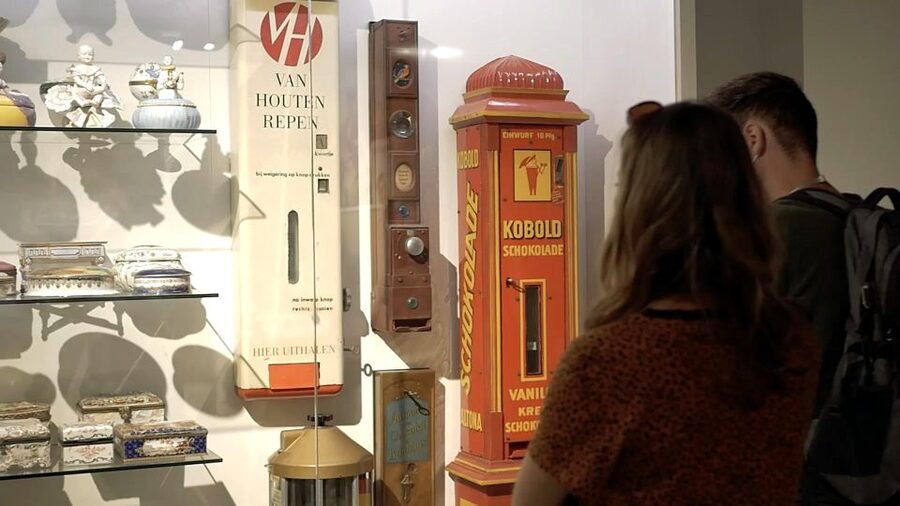
Lots of museums offer tasting at the end. Choco-Story builds tastings into the experience as you move through rooms, and that changes how you remember what you learn. When you taste something right after hearing the origin or story behind it, the facts stick.
The included samples also help you “understand with your mouth.” Cocoa notes, sweetness levels, and how chocolate is presented can clue you into what earlier chapters were talking about—like how European courts treated cocoa as a special drink or ingredient.
And the 30 chocolate experiences claim isn’t just marketing fluff in practice. The museum keeps you engaged by changing the format often: scenes, films, projections, and then tasting. That rotation helps the visit feel shorter than it is.
Price and value: about $14 for a full, multi-sensory day
At $14 per person, the value depends on what you like. If you want a classic art museum with quiet contemplation, you may find this too food-forward and story-driven. But if you want an interactive, multi-sensory experience, it’s hard to argue with the cost.
Here’s the value math that matters:
- You get access to the museum experience that includes audio guidance.
- You get chocolate samples.
- You get the virtual demonstration with three master chocolatiers.
- The content is structured as a full route, not a short add-on.
One review also mentioned that the hot chocolate at the very end could be improved. That’s useful to keep in mind. Even so, the rest of the visit is packed with experiences and tastings, so one element at the end isn’t likely to spoil the day.
Who this ticket suits best in Colmar
This is a strong match for families, because the museum uses lots of different formats and keeps things interactive. It also works well for couples who want something playful and not overly serious. You’ll both get something: one side enjoys the chocolate, the other enjoys the story structure.
It’s also a good pick for adults who like learning through senses. You’ll get cocoa origin context, historical movement into Europe, and an Alsace production focus. Add in the virtual chocolatiers and you’ve got both culture and craft.
If you dislike audio-guided attractions and prefer a person to answer questions on the spot, you may find the lack of a live guide limiting. In that case, consider how comfortable you are using a phone app during the visit.
Should you book Choco-Story Colmar?
Yes, if you want a practical, fun way to learn chocolate history in one visit. The combination of story rooms, tastings throughout, and the virtual demo with three master chocolatiers is exactly what makes it worth your time.
Skip it only if you’re mainly looking for a quiet museum experience or you strongly prefer a live guide. Since the tour is self-paced and audio-led, you’ll get the most from it if you enjoy learning by watching, listening, and tasting.
If you book, I’d plan to arrive ready to take your time through the rooms. This is one of those experiences where rushing can make it feel like you’re just grabbing samples instead of following the story.
FAQ
What does the ticket include?
Your ticket includes the entrance fee to the Chocolate Museum, chocolate samples, the virtual demonstration, and an audioguide app available in multiple languages.
Is there a live guide included?
No. A live guide is not included.
How long is the experience?
The experience is listed as lasting 1 day. You should check starting times to plan your visit.
What chocolate experiences and tastings can I expect?
The experience includes 30 chocolate experiences and many chocolate tastings as you make your way through the museum.
Do I get to meet chocolatiers?
Yes. You’ll meet 3 master chocolatiers in a virtual demonstration where they present recipes and the tricks behind making chocolates.
What languages is the audioguide offered in?
The audioguide is offered in Chinese, English, French, German, Spanish, and Dutch.
Is the museum wheelchair accessible?
Yes, it is wheelchair accessible.
Is cancellation possible if my plans change?
Free cancellation is offered up to 24 hours in advance for a full refund.
Can I reserve now and pay later?
Yes. You can reserve your spot and pay later to keep plans flexible.