REVIEW · VENICE
The Murano Glass Museum in Venice
Book on Viator →Operated by Weekend in Italy · Bookable on Viator
Murano glass is one of the quickest ways to understand Venice’s craft legacy. With a museum ticket that aims to give you secure entry and help you avoid waiting, the visit is a smart, low-stress stop when your time in Venice is tight.
What I like most is the sheer scope: you’re looking at the largest collection of Murano glass in the world, organized so the story makes sense. The second big win is the free audio guide in different languages, which helps you pace the galleries without feeling rushed.
One heads-up: it is not an interactive museum. If you’re visiting with a young kid, they may bounce after a short spell.
In This Review
- Key things to know before you go
- Murano Glass Museum at Museo del Vetro: what you’re really buying
- Ground floor Roman glass: the surprise prologue
- First-floor galleries: Murano glass in historical sequence
- Audio guide in multiple languages: how to get more from it
- Garden calm and the museum shop: small extras with real value
- Ticket logistics that can affect your day
- Price and value: when $26.43 makes sense
- Who should book this museum ticket
- Avoiding ticket problems: don’t leave entry to chance
- Should you book the Murano Glass Museum ticket?
- FAQ
- How long does the Murano Glass Museum visit take?
- What does my ticket include?
- Is the experience offered in English?
- When should I book if I’m traveling soon?
- When will I receive confirmation after booking?
- Is this museum close to public transportation?
- Do I need to pay a €5 access fee?
- Can I change or cancel my booking?
- How does the ticket help with lines?
Key things to know before you go
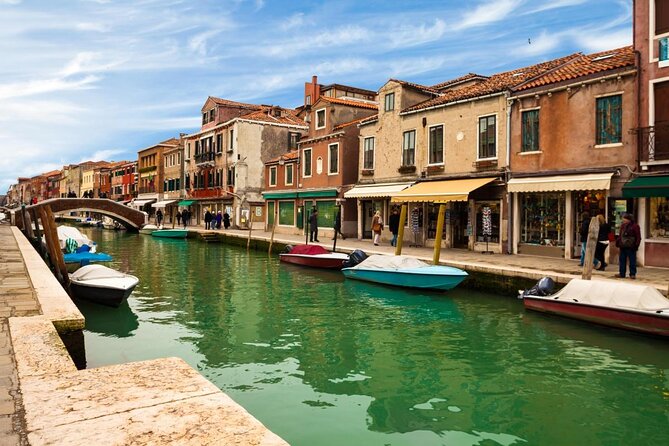
- Chronological layout that starts with archaeology and moves forward through the centuries
- Ground-floor Roman works (1st to 3rd century A.D.) that put glassmaking in context
- A major 15th–20th century collection of Murano pieces, including well-known masterpieces
- Free audio guide in multiple languages to make the visit feel more guided
- Garden and museum shop exist, but the museum focus is clearly the glass
Murano Glass Museum at Museo del Vetro: what you’re really buying
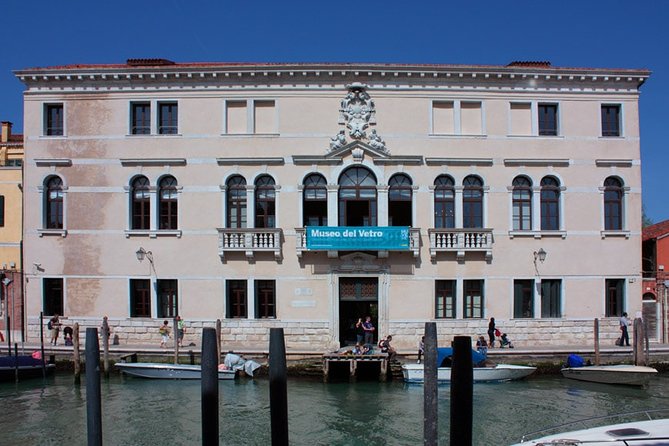
The Murano Glass Museum, officially the Museo del Vetro, is the kind of ticket that feels practical. You’re paying for access to a serious collection, and the offer is designed to help you save time by bypassing potential ticket lines. That matters in Venice, where even small delays can snowball into missed ferry connections or a shortened day.
At about $26.43 per person for entry, this is not a cheap add-on, but it can be good value if you actually enjoy design, materials, and how a craft evolves over time. The visit is usually around 1 to 3 hours, so it’s also manageable even if you’re juggling other Murano stops.
One more thing: the experience is offered in English, and that’s useful if you want your visit to feel smooth rather than guess-and-check.
You can also read our reviews of more museum experiences in Venice



Ground floor Roman glass: the surprise prologue
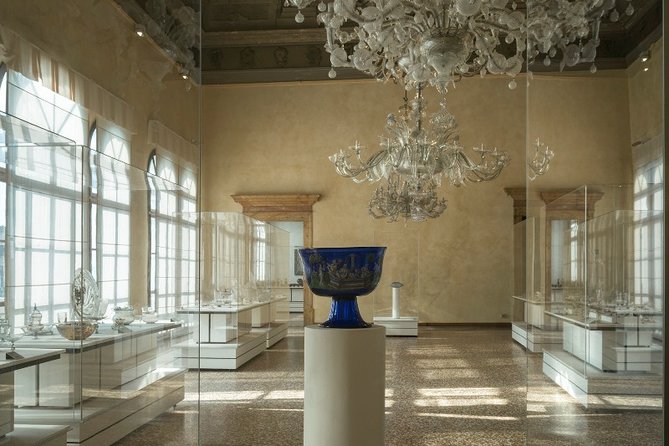
Before the Murano glass galleries start, the museum eases you in with an archaeological section on the ground floor. Here you’ll find notable Roman works dating from the 1st to the 3rd century A.D.
I like this opening because it gives you something more than decorative eye-candy. Even if Roman glass is not what you came for, seeing early material from that era helps you understand that glassmaking wasn’t invented from scratch on Murano. It’s part of a long technical story that Venice later helped shape.
And because the museum is laid out chronologically, you’re not jumping between eras. You get a stepping-stone effect: early roots first, then the later Murano collections you’re here to see.
First-floor galleries: Murano glass in historical sequence
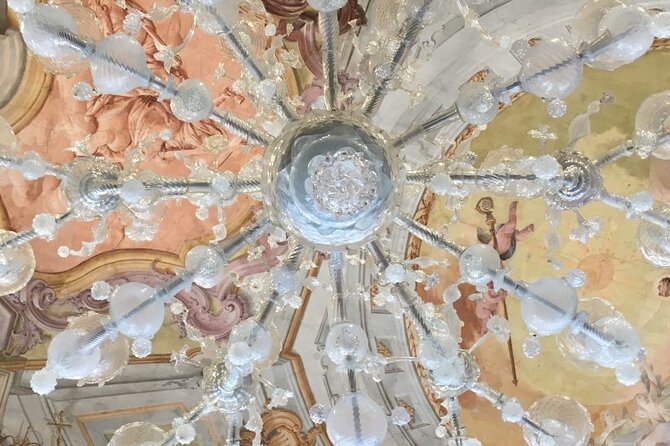
Once you reach the first floor, the museum becomes the main event. The Murano Glass Museum collection is arranged chronologically, and it spans the biggest historical arc of Murano glass—pieces from the 15th to the 20th century.
This is where you’ll see what the museum is known for: the largest historical collection of Murano glass in the world, with many world-famous masterpieces. For me, that chronology is the key. Instead of treating every object like a one-off artifact, you start recognizing how styles, techniques, and visual tastes shift over time.
A practical way to enjoy this section: don’t try to rush every room. Pick one or two “time periods” to linger on longer. Even if you move faster for the rest, slowing down for a couple of eras helps the museum’s story stick in your mind.
Audio guide in multiple languages: how to get more from it
One of the strongest features mentioned in the experience is a free audio guide available in different languages. Even if you’re not a museum person, an audio guide usually changes the feel of a visit from passive looking into active noticing.
Use it to decide your tempo. You can listen while you stand still for a few minutes in each sala, or you can treat it like a highlight reel—catch the commentary where it fits your interests most, then skim the rest with your eyes.
This matters because the museum itself is mostly about looking closely. It’s not built around hands-on interaction. The audio guide helps you fill in the context you’d otherwise have to piece together on your own.
Garden calm and the museum shop: small extras with real value
Outside the galleries, there’s a garden area. It’s described as tranquil, but it’s not extensive. For me, that makes it a good reset spot: a place to slow down, regroup, and take a breather without turning the visit into a half-day detour.
The museum shop is also on the small side. That can be a plus. You’re in Murano—there are plenty of glass shops around the island, so you don’t need a giant souvenir store inside the museum to get what you want. Use the museum stop to see the history; then let Murano’s wider shop scene do the shopping.





Ticket logistics that can affect your day
This ticket is designed for secure entry, and it’s positioned as a way to bypass potential ticket lines. That’s the good news. The other side of the coin is that museum entry only works smoothly if you show up with the right confirmation in hand.
Booking averages matter too. This is commonly booked around 23 days in advance, so if your dates are fixed, waiting until the last minute can force you into a less convenient plan.
You should also know about the €5 access fee issue on certain dates. If you’re staying outside of Venice and you’re visiting for the day, you may need to pay this fee depending on the date. The details (including exemptions) are listed at https://cda.ve.it. Plan to check that page for your specific day so there are no surprise charges.
Finally, the booking is non-refundable and can’t be changed. That’s typical for tickets, but it does mean you should only buy if you’re confident your schedule is solid.
Price and value: when $26.43 makes sense
Let’s talk value in plain terms. You’re paying for one thing: museum access. There’s no private guide included, and snacks or transport aren’t part of the price. So the value comes down to one question: will you actually spend time inside and enjoy the story the museum tells?
If you like art history, craftsmanship, material culture, or design evolution, this can feel worth it because the museum is built around a clear timeline and a big collection from 15th through 20th centuries. If you’re expecting hands-on activities or quick entertainment, the museum may feel like more work than play.
Duration helps here: with a 1 to 3 hour visit window, you can right-size the experience. You don’t have to see everything line-by-line. You can focus on the eras that catch your eye and call it a day.
Who should book this museum ticket
This is a strong match for adults and older teens who enjoy museums where you stand still and look closely. Art history buffs tend to get the most out of it because the museum’s structure is designed to help you connect pieces and periods.
It’s also a reasonable choice for families with older kids who can handle a more traditional museum pace. One review-style note you should take seriously: the museum is described as not interactive, and interest may fade for younger children. If your group includes a 10-year-old (or younger), consider whether your kid enjoys slow, quiet viewing—or if you’d rather build in more hands-on Murano stops.
The good news: “most travelers can participate,” and the museum is near public transportation, which makes it easier to plug into a day.
Avoiding ticket problems: don’t leave entry to chance
There’s at least one serious caution worth listening to: a booking-related issue where tickets didn’t arrive and entry was refused unless the person paid again. I can’t help with their specific case, but the practical takeaway is simple.
Make sure your confirmation happens and that you can access the entry details on your phone or in an email. This experience notes that you’ll receive confirmation within 48 hours of booking (subject to availability). If you don’t see it within that window, don’t wait until you’re already on Murano—get clarity before you show up.
Should you book the Murano Glass Museum ticket?
Book it if you want a focused, time-efficient visit to a major collection and you like seeing how craft evolves. With chronological displays, a free audio guide, and the promise of secure entry, it’s a smart way to spend a chunk of your Murano day without getting trapped in ticket-line chaos.
Skip it (or rethink your plan) if you’re hoping for an interactive museum experience, or if your time in Venice is so short that you only want the most hands-on stops. Even some art lovers don’t call it a must-see for every itinerary. If you don’t care about glass design history, you might finish feeling “that was nice,” not “I’m blown away.”
If you do care about design history and Murano glass itself, this ticket is a solid value way to see a big slice of the story in one place.
FAQ
How long does the Murano Glass Museum visit take?
Plan on about 1 to 3 hours.
What does my ticket include?
Your ticket includes entrance to the Museo del Vetro (the Murano Glass Museum).
Is the experience offered in English?
Yes, it’s offered in English.
When should I book if I’m traveling soon?
On average, this is booked about 23 days in advance.
When will I receive confirmation after booking?
You should receive confirmation within 48 hours, subject to availability.
Is this museum close to public transportation?
Yes, it’s listed as being near public transportation.
Do I need to pay a €5 access fee?
On certain dates, day visitors staying outside of Venice may be required to pay a €5 access fee. Check https://cda.ve.it for applicable days and exemptions.
Can I change or cancel my booking?
No. It’s non-refundable and cannot be changed for any reason.
How does the ticket help with lines?
The ticket is described as providing secure entry and helping you bypass potential ticket lines.