REVIEW · WHALEY HOUSE MUSEUM
Whaley House Museum Self-Guided Tour
Book on GetYourGuide →Operated by Historic Tours of America** - San Diego · Bookable on GetYourGuide
One house can feel like several time periods. The Whaley House Museum lets you wander an 1857 Old Town landmark on a self-guided route, then ask questions to a docent in each room. I like that structure because you get freedom to go at your speed, without losing the thread of the story.
I also love the physical details: 19th-century furnishings, bedrooms, and interior spaces in a building known for its standout Greek Revival look. It’s the kind of place where the architecture and the everyday objects help you picture what life might have been like.
One consideration: the full visit is about 40 minutes, and that can feel quick if you want to take lots of photos, read every label, and go extra-slow through stairs and uneven grounds.
In This Review
- Whaley House Museum self-guided tour: key highlights
- Entering Whaley House Museum at the Verna House Gift Shop
- The 40-minute self-guided route: how the pacing really works
- Thomas Whaley’s house in 1857 Old Town San Diego
- Greek Revival architecture: the visual clue to the era
- Rooms with docents: bedrooms, interiors, and what to ask
- San Diego’s first commercial theater and second county courthouse
- The haunted pedigree: paranormal and spiritual encounters (PG)
- Practical tips for camera time, stairs, and uneven grounds
- What the $14 price covers, and why it’s fair
- Who should book this self-guided Whaley House visit
- Should you book the Whaley House Museum self-guided tour?
- FAQ
- FAQ
- What is the location and where do I check in?
- How much does the Whaley House Museum self-guided tour cost?
- How long does the tour take?
- Is the tour self-guided or guided?
- What time is the last entry?
- What do I get with my ticket?
- What should I bring, and is a camera allowed?
- Can I record video during the tour?
- Are food, drinks, or alcohol allowed?
- Is the tour wheelchair accessible?
Whaley House Museum self-guided tour: key highlights
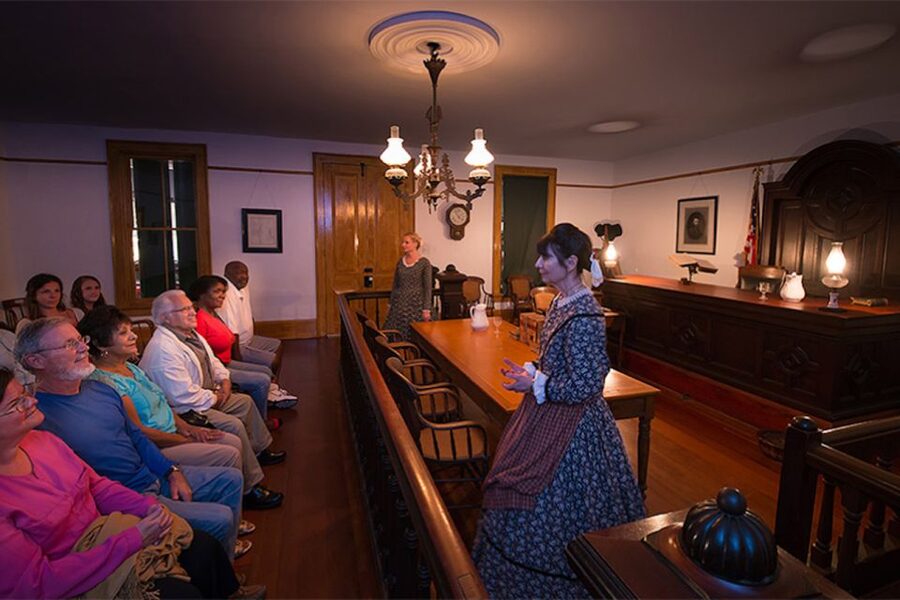
- Docent-led questions in each room so you’re not stuck guessing
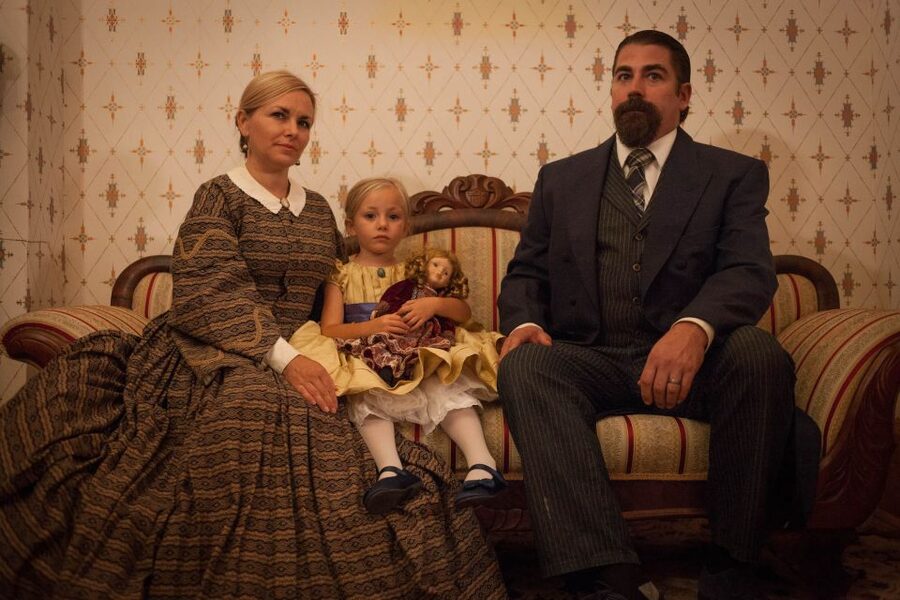
- 19th-century interiors like bedrooms and period furnishings
- Greek Revival architecture in an Old Town brick landmark
- Haunted-house stories tied to past and present paranormal and spiritual encounters (PG)
- Camera-friendly stop, with no video recording allowed
Entering Whaley House Museum at the Verna House Gift Shop
Your visit starts at the Verna House Gift Shop, the yellow building to the right of the Whaley House. This matters more than you might think: if you arrive thinking it’s just a single “front door” attraction, you can waste time figuring out where check-in actually happens.
Once you’re in, you’ll get a short kickoff (about 5 minutes), then you’re on your own. That brief intro is a smart use of time. It gives you context for what you’re about to see—so when you hit the first room, you know what questions to ask and what details to watch for.
If you’re driving, there’s free parking at Old Town State Park. Old Town can be busy, so I suggest planning for a little extra walking from the lot, especially on busier days.
The 40-minute self-guided route: how the pacing really works
This isn’t a “group marching tour.” It’s a day entry ticket plus a self-guided walk through the house and grounds, paced to your comfort level. The official duration is 40 minutes, and you can only get in up to the last entry time (noted as 4:30 PM).
Here’s the practical way to think about it: you’re paying for access to a specific, contained experience. You don’t have to stand with a big group for long stretches, but you do have to keep moving. If you’re the type who loves to read every sign slowly and linger at doorways, plan to prioritize a few rooms instead of trying to take in everything.
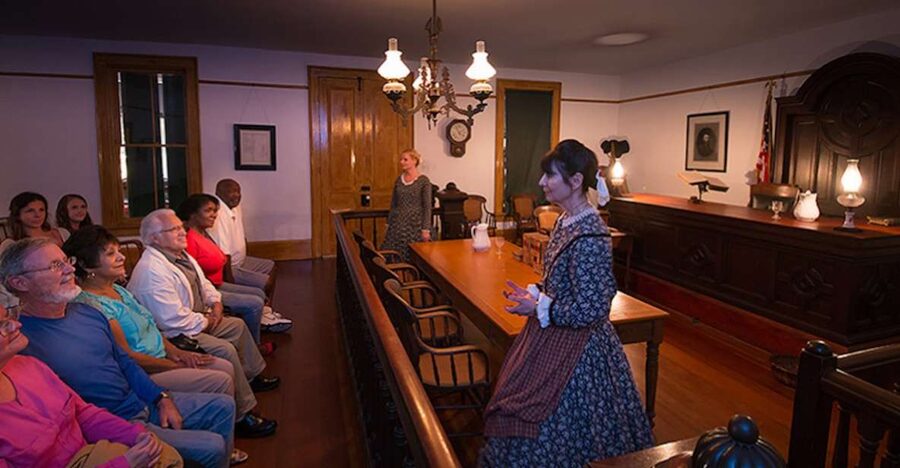
A nice feature: you’re not left completely alone. After the short introduction, you can ask the docent any questions you have in each room. That’s a great setup for people who want details beyond what’s printed, including context about the house’s changing roles through time.
Thomas Whaley’s house in 1857 Old Town San Diego
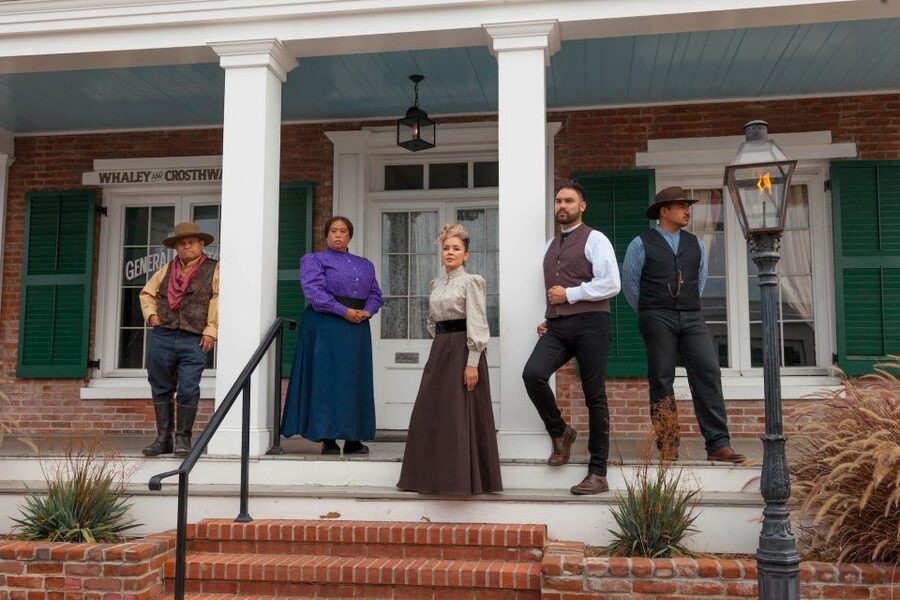
The Whaley House Museum is tied to Thomas Whaley and the historic street scene of Old Town San Diego. You’ll be walking through what’s been viewed as an integral part of Old Town since 1857—which helps explain why the museum is built around layers, not just a single “snapshot.”
What makes this valuable is that you’re not only seeing a home. The highlights emphasize that the building fits into a broader local timeline. You’re looking at a structure that carried multiple civic and community functions along with being a family residence.
Even if you’re coming purely for the ghost stories, I think the best experience happens when you let the history lead first. Start by noticing the spaces—how the rooms connect, what looks lived-in, and how the interiors are arranged. Once you can picture daily life, the paranormal tales land differently.
Greek Revival architecture: the visual clue to the era
One of the house’s standout facts is that it’s recognized as the oldest two-story brick structure south of Monterey, California. That single detail does a lot of work for your imagination. It signals why the building became part of the area’s identity, not just its background.
The house also features Greek Revival architecture. For your visit, that means you’ll likely notice styling that looks more formal and “public-facing” than you’d expect from a private home. Even without being an architecture expert, you can use that contrast to understand how the Whaley House fit into its time—both as a family home and as a landmark people would remember.
I like this part because it keeps the museum grounded. The building itself gives you something real to look at, which is especially helpful if the haunted angle isn’t automatically your thing.
Rooms with docents: bedrooms, interiors, and what to ask
You’ll see 19th-century furnishings, along with bedrooms and other interior spaces. The tour is self-guided, but docents are present in rooms for questions, which turns the museum from passive reading into active learning.
When you’re in a room, think about two types of questions:
- Questions about how people used the space back then
- Questions about how the house became associated with famous accounts of paranormal activity
Because you can ask anything you’re curious about, you’ll get more out of the time if you prepare one or two questions ahead of arrival. Ask what the objects represent, how the rooms were used, or what details people point to when discussing the spiritual encounters connected with the house.
The experience rating and feedback point to staff who are friendly and able to explain things clearly, including a strong performance by a docent named Darcey, who has been described as both informative and entertaining. That’s exactly the kind of docent energy that helps a short tour feel satisfying.
San Diego’s first commercial theater and second county courthouse
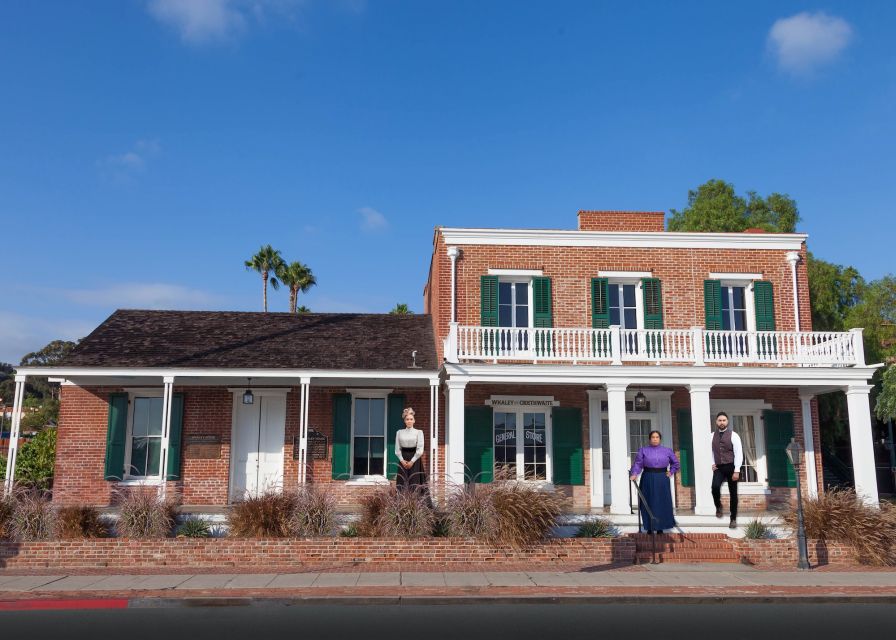
This is where the Whaley House can surprise you. The museum experience highlights that the building’s historical timeline includes San Diego’s first commercial theater and the second county courthouse, plus a general store.
For readers who mostly associate Old Town with walking streets and museums, this is a reminder that historic buildings often served multiple roles as towns grew. In one structure, you can connect the dots between a home, community business, and civic life.
And that’s a big part of the value here: you’re not just paying to see old furniture. You’re paying for a chance to understand how a place can keep getting reused—decades can stack up inside the same walls.
When you’re walking through, pause at spaces that feel like they could handle visitors or public activity. Then connect that feeling back to the theater/courthouse/general store facts. It makes the history easier to remember after you’ve left.
The haunted pedigree: paranormal and spiritual encounters (PG)
The Whaley House is widely regarded as America’s most haunted house, and the museum leans into that reputation. The description also notes past and present paranormal and spiritual encounters, along with unexplained events.
Because the tour is rated PG, it’s worth saying plainly: if you’re sensitive to ghost stories, dread, or spooky themes, take that rating seriously. The museum doesn’t sound like it’s built for small kids, either. It may not be suitable for children under 13, and there’s an adult accompaniment rule for children age 12 and under.
If you do decide to go, here’s how to make it fun instead of stressful:
- Treat the haunting stories as part of the museum’s interpretive layer, not as a test
- Keep your focus on the space itself—what you’re seeing—so the mood stays balanced
- Ask docents what they say about the encounters, but don’t let it swallow your historical context
I think the best experience comes when you let both sides exist at once: history you can picture, and haunting stories you can evaluate with curiosity.
Practical tips for camera time, stairs, and uneven grounds
This is a straightforward museum visit, but the building is historic, so the “comfort” details matter.
Bring a camera—it’s allowed. Video recording isn’t allowed, and there are rules against food and drinks and alcohol and drugs. Pets aren’t allowed either, except assistance dogs.
You should also plan for the physical side:
- There are stairs and uneven grounds
- Wheelchair access is available only on the first floor
- There are no on-site elevators
If mobility is a factor, it’s smart to know you may not be able to see everything, since access is limited to the first floor. If you’re traveling with anyone who needs assistance, give yourself extra time to move carefully and avoid rushing.
Also, since it ends back at the meeting point, don’t schedule anything immediately after your entry window. A 40-minute visit plus walking time is still enough to make you feel late if you’re tight on timing.
What the $14 price covers, and why it’s fair
At $14 per person, you’re not paying for a long guided bus ride or an all-day program. You’re paying for access to a specific historic house museum during daytime, with docents available room-by-room for questions.
So the value depends on what you want:
- If you like haunted-house lore and early California history, this price is often reasonable because you get both themes in one stop.
- If you want a deep, hour-plus guided narrative, the 40-minute runtime might feel short. It’s not a deal-breaker, but it changes your expectations.
I see the ticket as a strong buy if you’re doing Old Town as a half-day area and want one focused anchor. The location, the historic building, and the chance to ask questions help justify the cost for most visitors.
Who should book this self-guided Whaley House visit
I’d steer you toward this experience if you:
- Like history that’s tied to real places, not just facts on a page
- Want a self-guided format with the option to ask questions
- Enjoy paranormal lore, as long as you’re okay with a PG level theme
- Appreciate architecture details like Greek Revival styling in historic buildings
I’d think twice if you:
- Need wheelchair access beyond the first floor
- Are uncomfortable with stairs or uneven ground
- Want a longer, more detailed guided experience that takes your time across every room
If you’re visiting with kids, pay attention to the age suitability. The tour may not be suitable for children under 13, and an adult must accompany children 12 and under.
Should you book the Whaley House Museum self-guided tour?
Yes, if you want a compact, high-impact stop in Old Town San Diego: 1857 roots, 19th-century rooms, civic history inside the same building, and haunted-house stories told in a museum setting. For $14, the blend of history plus paranormal interpretation—supported by docents who can answer questions—makes it a solid choice for a time-efficient visit.
Hold off if you’re looking for a long guided deep dive or if mobility limitations make a stair-and-uneven-ground building tough for your group. In that case, you’ll likely be happier choosing another nearby attraction with fewer physical constraints or more accessible routes.
FAQ
FAQ
What is the location and where do I check in?
You check in at the Verna House Gift Shop, the yellow building to the right of the Whaley House. Parking is available for free at Old Town State Park.
How much does the Whaley House Museum self-guided tour cost?
It costs $14 per person.
How long does the tour take?
The duration is about 40 minutes. Starting times depend on availability.
Is the tour self-guided or guided?
It’s self-guided. After a short introduction, you walk through the house at your own pace and can ask a docent questions in each room.
What time is the last entry?
The last entry to the museum is at 4:30 PM.
What do I get with my ticket?
Your ticket includes daytime entry to the Whaley House and a self-guided tour of the house and grounds.
What should I bring, and is a camera allowed?
Bring a camera. Cameras are allowed.
Can I record video during the tour?
No, video recording is not allowed.
Are food, drinks, or alcohol allowed?
Food and drinks are not allowed. Alcohol and drugs are also not allowed.
Is the tour wheelchair accessible?
Wheelchair access is available only on the first floor. There are stairs, uneven grounds, and no on-site elevators.