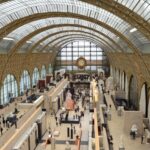
REVIEW · PARIS
Orangerie & Monet’s Water Lilies Exclusive Tour w/ Reserved Entry
Book on Viator →Operated by Babylon Tours Paris · Bookable on Viator
Monet’s water lilies really hit different. This guided Musée de l’Orangerie experience pairs reserved entry with a focused walk through the museum’s most famous rooms and key works by artists beyond Monet. In about two hours, you get the why behind what you’re seeing, not just the what.
Two things I like a lot: first, the guides bring the art to life with background and context that helps you notice more than you’d catch alone. Guides such as Belen, Anatole, Dunya, Michel, and Marcel are repeatedly called out for explaining connections between artists and eras, and for keeping the pace comfortable. Second, the tour keeps a smart balance between your guide’s pointers and quiet moments where you can just look at the work.
One consideration: museum rules matter here. You’ll need to travel light for security (no large bags or suitcases), and some rooms are very quiet or restrict speaking, so be ready for a more controlled museum vibe.
In This Review
- Key things to know before you go
- Why Musée de l’Orangerie works so well in a short visit
- Reserved entry and meeting logistics: what you’ll actually manage
- Private guide vs small group
- Inside the water-lily rooms: how the guide helps you look better
- Beyond Monet: what you’ll see after the main rooms
- How guides like Belen, Anatole, Dunya, and Marcel shape your visit
- Timing and pace: what a smooth two-hour visit feels like
- Price and value: is $143.91 worth it?
- Who should book this Orangerie and Monet reserved-entry tour
- Should you book it?
- FAQ
- What’s included in the tour price?
- How long is the Orangerie tour?
- Is the tour in English?
- Do I need hotel pickup?
- Is reserved entry actually included?
- Are temporary exhibitions included?
- What bag can I bring into the museum?
- What’s the cancellation window?
Key things to know before you go
- Reserved entry included, so you’re not playing line roulette
- Monet’s Water Lilies rooms are the main event, designed for slow looking
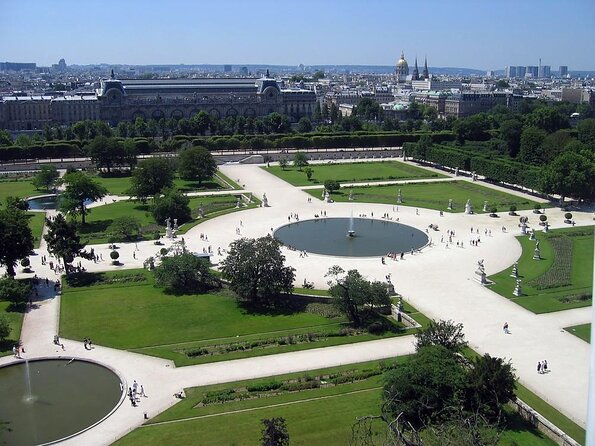
- More than Monet: you’ll also see major works by artists like Cézanne, Matisse, Picasso, Renoir, Modigliani, and Utrillo
- A guide-led art story, often tied to social context and influences
- Time to observe independently, not just a rapid-fire checklist
- Occasional museum closures can happen, with an alternative offered only if delays pass a one-hour mark
Why Musée de l’Orangerie works so well in a short visit
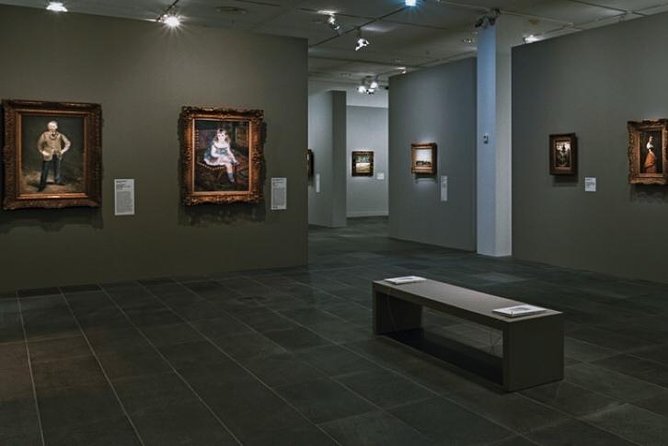
The Musée de l’Orangerie is a smart pick when you want a big art moment without burning an entire day. The museum sits in the Tuileries Gardens, which already gives you a calm, classic Paris setup before you even reach the galleries. And compared with the giant museums, Orangerie tends to feel easier to manage: you’re not constantly trying to outpace crowds just to see the highlights.
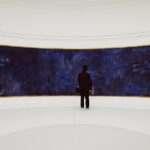
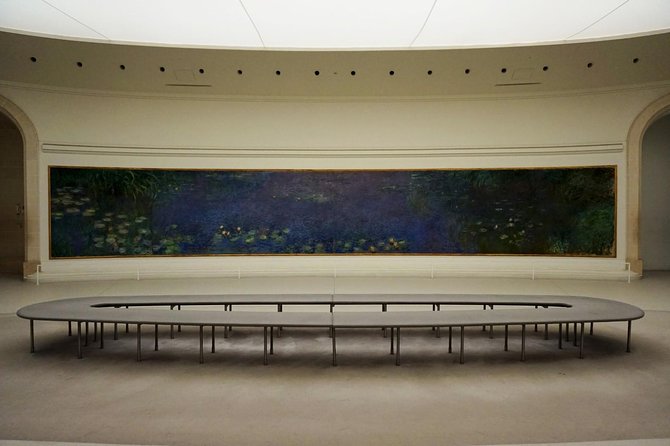
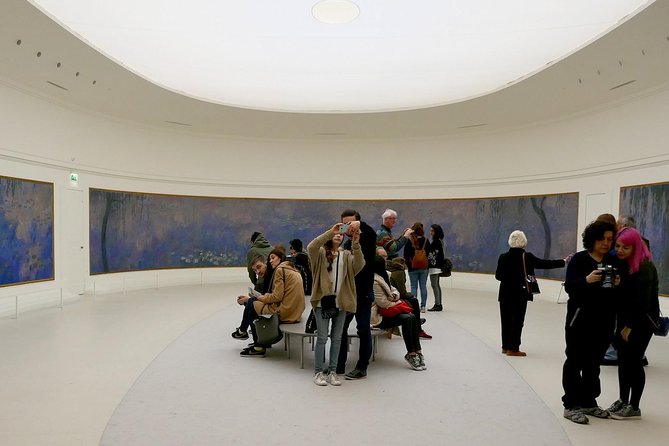
The centerpiece is Monet’s Water Lilies series. These rooms are set up for a reason: you’re surrounded by water and light, and the experience is meant to slow your thinking down. That’s exactly the kind of place where a guide helps, because you can learn the story behind the work while still keeping time for quiet looking.
You can also read our reviews of more tours and experiences in Paris.



Reserved entry and meeting logistics: what you’ll actually manage
This tour runs about two hours and includes entrance fees. You also get a mobile ticket, which is convenient on the day itself. The meeting point is at the Musée de l’Orangerie in the Jardin des Tuileries area, and the tour ends back at the same spot, so you’re not forced into a complicated end-of-day route.
Two practical tips make your day smoother. First, plan on using public transport, taxi, or Uber rather than expecting hotel pickup, since none is included. Second, pack for security: no large bags or suitcases are allowed inside—only handbags or small thin bag packs go through.
Even with reserved entry, do expect normal security checks. The museum (and nearby attractions) may still have lines at times due to increased security measures. The goal of reserved entry is to help you avoid the worst timing stress, not to erase every queue.
Private guide vs small group
This experience is described as private, meaning only your group participates. Some options also mention a small-group choice where a guide may not be exclusively assigned and wheelchair support may change. If you want the most personal attention, pick the version that makes it clear you’ll have the guide’s full focus.
Inside the water-lily rooms: how the guide helps you look better
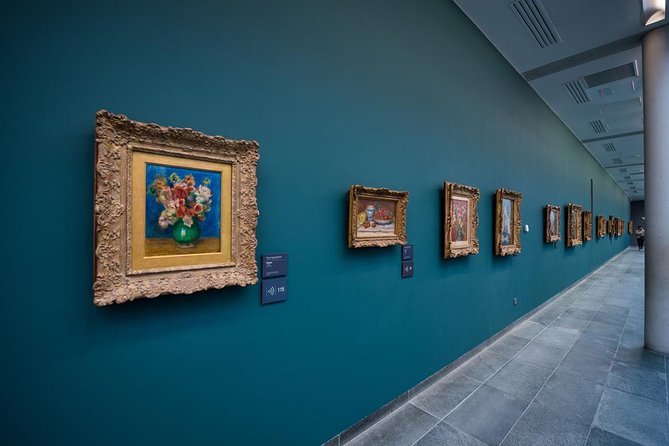
The Water Lilies rooms are the reason most people come. You’ll see Monet’s famous water-garden scenes in the format that made the museum special in the first place. These galleries were created after Monet’s series was given to France, tied to his relationship with George Clemenceau. That connection matters because it turns the work from just beautiful painting into something with national meaning and a very deliberate public setting.
Here’s where a guide earns their fee. A good guide doesn’t just point at paintings; they explain how to read the room. Expect talk about how light changes across the surfaces and how Monet’s repeated images function like variations on a theme. The guides also often guide you on where to pause so you don’t end up staring at the same spot the whole time.
Several guides—like Michel, Marcel, and Belen—are highlighted for leaving space for reflection. You’re not rushed out. One guide style you’ll likely notice is the mix of narration plus quiet time. That balance is key in these rooms because the art is immersive in the best way: slow, observational, and emotionally direct.
Beyond Monet: what you’ll see after the main rooms
Orangerie isn’t only a Monet museum. The collections include major works across late-19th and early-20th century art, and the tour approach typically helps you connect those styles to what came before and after.
You can expect stops that place Monet in a wider context, including:
- Paul Cézanne, with fruit and flower studies that show his thinking about form and structure
- Henri Matisse, including seductive portrait work
- Pablo Picasso, including several phases of his career with nude studies
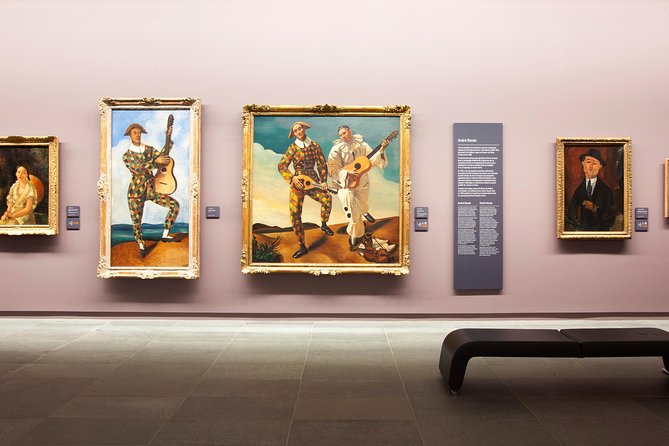
- A mix of other major names such as Modigliani, Renoir, and Utrillo
On top of that, at least one highlight from a guide-focused experience includes time with part of the museum’s holdings tied to the Heinz Berggruen collection (including Picasso, Klee, and Matisse). Even if what’s on view varies by time of year, the tour’s purpose stays the same: you’re meant to leave understanding that Orangerie is a focused showcase of French and modern art, not a one-painting stop.
One room detail worth knowing: some areas are described as quiet or with restricted rules around speaking. Your guide should give you heads-up before you enter those spaces. It’s not a big deal, but it changes the mood—more respectful silence, less casual chatter—so don’t plan a loud, phone-heavy experience in every corner.






How guides like Belen, Anatole, Dunya, and Marcel shape your visit
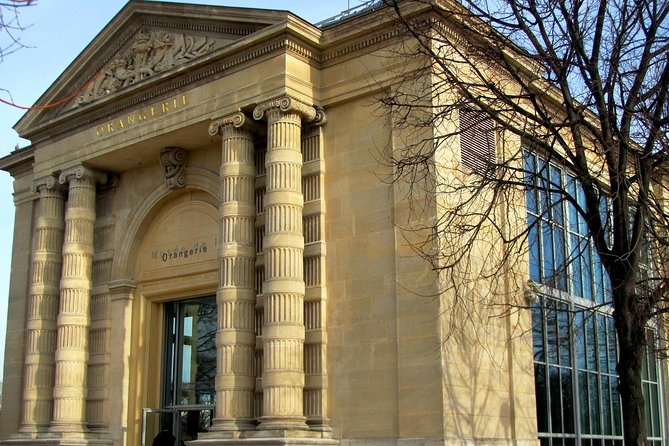
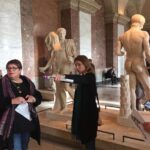
The biggest difference between a guided Orangerie and a self-guided one is how the guide organizes your attention. In this experience, guides are repeatedly praised for being energetic and for turning art history into something you can actually use while you’re standing in front of the painting.
For example, Belen is mentioned as thorough with context and influences, taking time to build your understanding before you reach the Water Lilies rooms. Anatole gets credit for explaining the history of the water-lily paintings and placing Impressionists in their wider historical timeline. Dunya is described as giving clear context not just about Monet but also about the other artists and collections. Marcel is singled out for balancing explanation with patience, including advice on where to stand for photos.
That last part matters more than you’d think. In Orangerie, small changes in your position can completely change the lighting and the way the room frames the water. A guide who knows the layout can help you avoid awkward angles and wasted minutes.
Some guides also use tools to support visual understanding. One tour experience notes a tablet with photos to add detail to what you’re seeing. Even when you can’t use it for every moment, it helps you connect brushwork and composition ideas to the bigger art-story.
Timing and pace: what a smooth two-hour visit feels like
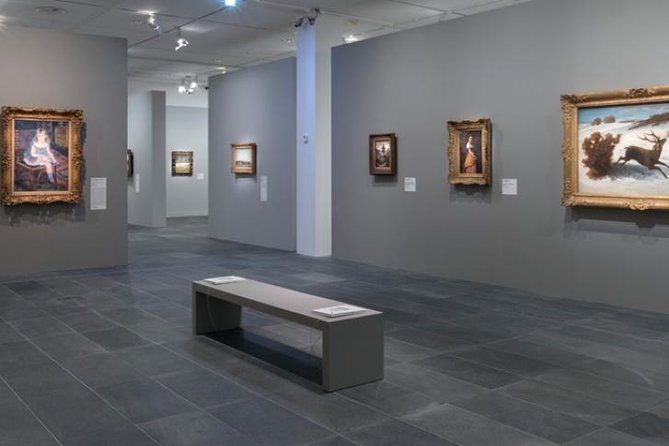
This tour is built around a two-hour window. That sounds short until you’re inside Orangerie. The museum isn’t huge, but it’s deep. A good guide plan prevents two common problems: spending too long on one painting and leaving before you understand the bigger picture.
The pacing you’ll want is one that includes:
- time to hear the key context for Monet before you reach the water-lily rooms
- a chance to actually sit or stand and watch the room like it was designed
- time later to explore major works that explain why Monet matters in art history
One of the most consistent themes in the high ratings is this balance: you get guidance, but you also get moments to look on your own. That’s how you come away with real impressions instead of just facts.
Price and value: is $143.91 worth it?
At $143.91 per person, this tour is not a cheap ticket. The value is mostly in what you get bundled together: reserved entry, a guided tour, and all entrance fees within a short, organized visit.
Here’s the math that matters for real life:
- If you buy entry and go solo, you still face security rules, room etiquette, and the timing stress of arrival.
- If you join a guided experience like this, you pay for someone to structure your visit and explain connections between artists and styles while you’re physically in the galleries.
- Because Orangerie is built for looking slowly, a guide helps you make the most of that design instead of just walking from room to room.
I think this is best value when you care about more than just the Water Lilies. If you love Impressionism, or you want a credible bridge from Monet to Cézanne, Matisse, and Picasso, the guide adds real payoff. If you only want one quick highlight photo and don’t care about context, a simpler entry might be enough. But if you want meaning you can carry with you after you leave, this price starts to make sense.
Who should book this Orangerie and Monet reserved-entry tour
Book it if you:
- want Monet’s Water Lilies with an explanation that helps you see more detail
- care about French art history connections, not just a caption-style walkthrough
- prefer a guided plan that saves time and keeps your visit from feeling chaotic
- like the idea of quiet looking time built into the tour flow
It can also work well for mixed groups, including older kids and teens, as long as they’re okay with museum pacing and attention to art details. The tour notes call for moderate physical fitness, so if you move slowly or need extra time, plan accordingly.
If you’re the type who wants to sprint through museums, this might feel slower than you expect. Or if you want a DIY wander with zero structure, you may prefer going on your own and taking long breaks whenever you want. This tour is designed for a guided narrative with reserved access, not total freedom.
Should you book it?
Yes—if you want the Water Lilies experience with help unlocking what you’re seeing, this is a very strong choice. The mix of reserved entry, a guide who can connect Monet to other big names, and a pace that includes quiet viewing makes it hard to beat for a first-or repeat Orangerie visit.
If you only want Monet and you’re totally fine figuring the rest out by yourself, you could save money elsewhere. But if you’re paying for one Paris art moment that you’ll remember and understand, this is the kind of guided visit that justifies the cost.
FAQ
What’s included in the tour price?
The price includes a guided museum tour with reserved entry plus all entrance fees.
How long is the Orangerie tour?
The tour lasts about two hours (approx.).
Is the tour in English?
Yes, the tour is offered in English.
Do I need hotel pickup?
No. Hotel pickup or drop-off is not included.
Is reserved entry actually included?
Yes. Reserved entry is included for your convenience.
Are temporary exhibitions included?
No. Temporary exhibitions are not included.
What bag can I bring into the museum?
The museum security policy allows handbags or small thin bag packs. No large bags or suitcases are allowed inside.
What’s the cancellation window?
You can cancel for a full refund up to 24 hours before the experience’s start time.