REVIEW · HASH MARIHUANA HEMP MUSEUM BARCELONA
Barcelona: Hash Marihuana & Hemp Museum Entry Ticket
Book on GetYourGuide →Operated by Hash Marihuana & Hemp Museum Barcelona · Bookable on GetYourGuide
A cannabis-themed stop in Barcelona sounds weird, but it works.
You’ll step into a Modernista palace and see how hemp moved from rope and textiles to modern debates, plus you can grab a souvenir from the photo booth.
I particularly like how the museum turns history into real objects and specific sections, not just general claims. The biggest draw for me is the medical area, built around an unusually large collection of medicinal cannabis bottles (with a 19th-century focus). One consideration: the museum is not suitable for people with mobility impairments.
In This Review
- Key highlights worth planning for
- Entering a Modernista Palace on Carrer Ample
- Tickets, timing, and how to fit 1 day into your plan
- The permanent exhibition: tools, art, and practical hemp history
- The medical section and those medicinal cannabis bottles
- Tools and textiles: why the rope-and-paper angle is worth your time
- Live hemp plants (seasonal): what to look for during growing season
- Photo booth and museum shop: taking the experience home
- Size, pace, and what it feels like when you’re done
- Price and value: is $11 worth it?
- Who should book this entry ticket—and who might skip it
- Should you book the Hash Marihuana & Hemp Museum?
- FAQ
- How much is the Barcelona Hash Marihuana & Hemp Museum ticket?
- Where do I meet for the entry ticket?
- How long is the experience?
- Is an audio guide included, and what languages are available?
- Is a photo souvenir included?
- Are food and drinks allowed inside the museum?
- Can I take photos with a flash?
- Is the museum suitable for people with mobility impairments?
- Is free cancellation available?
Key highlights worth planning for
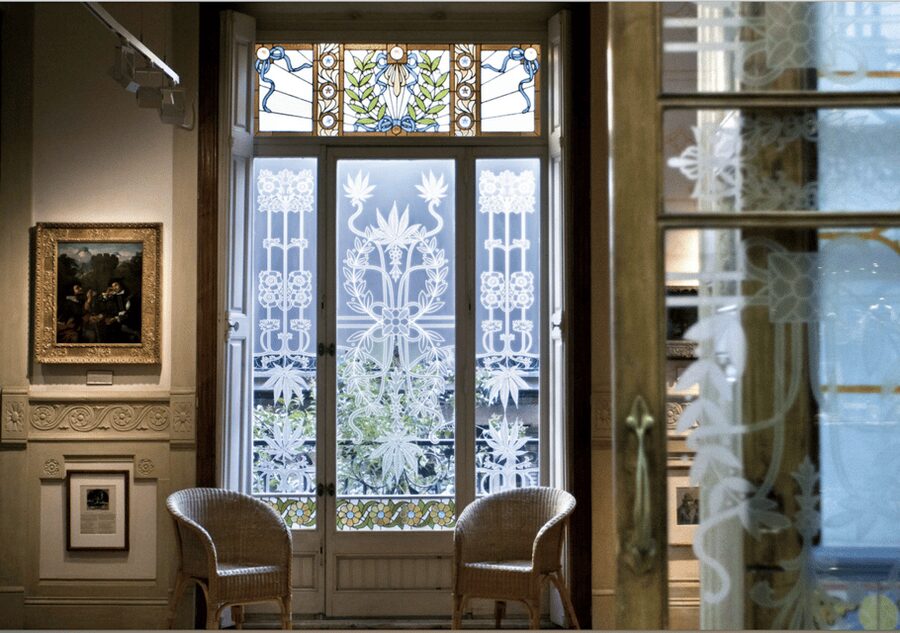
- Modernista building setting that makes the museum feel like a real Barcelona experience, not just a showroom
- Permanent exhibition with tools from early hemp processing for rope, paper, and textiles
- Medical section featuring one of the world’s largest collections of medicinal cannabis bottles
- Live hemp plants during the growing season (timing matters)
- Photo booth + included photo souvenir for an easy take-home memory
- Museum shop with a wide range of hemp products
Entering a Modernista Palace on Carrer Ample
The Hash Marihuana & Hemp Museum sits at Carrer Ample, 35 (08002 Barcelona). Even if you only have a short window, arriving at a Modernista palace gives you an immediate sense that this isn’t a random theme room—it’s housed in a real slice of Barcelona architecture.
Right away, you’re guided into the museum’s permanent exhibition. That matters because it means you’re not chasing temporary exhibits or relying on luck. You can show up, put on the included audio guide, and work through the sections at your own pace.
Also note a couple rules that affect how you plan: food and drinks aren’t allowed, and flash photography is not allowed. If you like to snack while you read, you’ll want to finish that before you enter.
Tickets, timing, and how to fit 1 day into your plan
This is an entry ticket that’s valid for 1 day. The practical point: even though it’s listed as one-day, you’ll want to choose an arrival time that fits your day, because museums work best when you’re not sprinting through content.
The museum includes an audio guide in Catalan, English, Spanish, Italian, German, and French. That’s genuinely useful in Barcelona, since you can match your language comfort level instead of hoping signage alone will carry you.
A good fit if you’re doing a few focused stops in one day: this museum is easiest to enjoy when you can slow down. Since you can’t bring food inside, it pairs better with a meal nearby—or a plan to do this before dinner.
The permanent exhibition: tools, art, and practical hemp history
The core experience is the museum’s permanent exhibition about cannabis and hemp: past, present, and future. What I like here is that it doesn’t treat the plant as a single topic. Instead, it frames hemp as a versatile resource—industrial, nutritional, medicinal, sacramental, and recreational—so you understand how different societies used it for very different reasons.
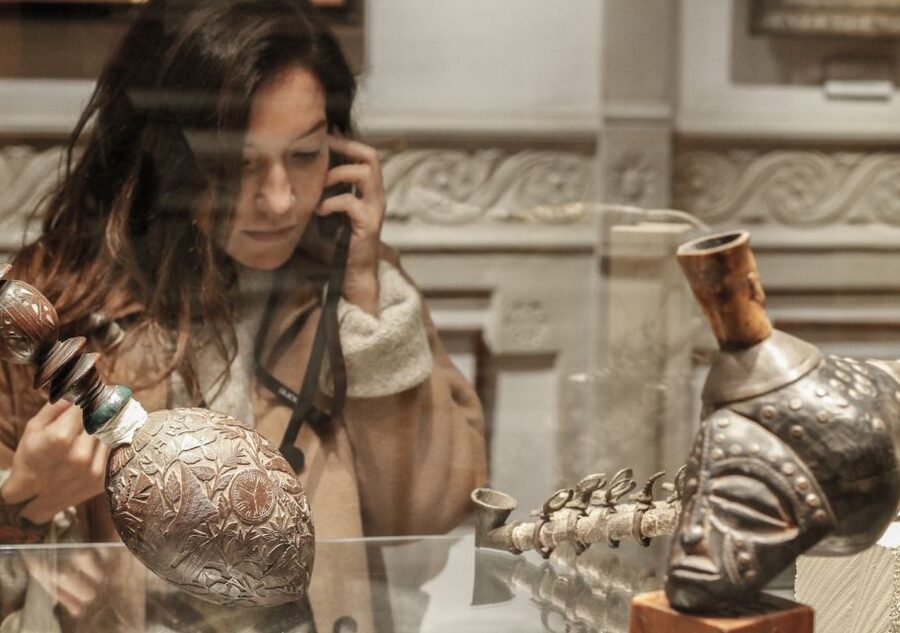
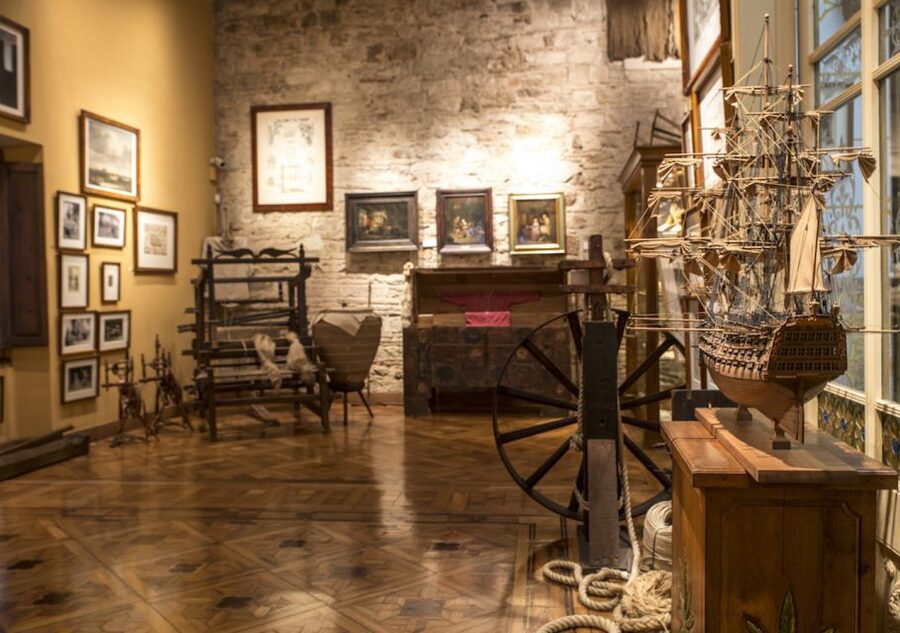
As you move through the museum, you’ll see uncommon tools and utensils used in ancient times to transform hemp into everyday materials. The practical takeaway for you: it’s easier to understand why hemp mattered historically when you can visualize how it was processed—into rope, paper, or textiles—long before modern manufacturing.
You’ll also encounter a series of paintings and engravings describing cannabis use across the ages. This is where the museum helps you connect dots: art becomes a kind of evidence trail. Even when you’re not a history person, it gives you a way to see cultural acceptance, debate, and changing attitudes over time.
There’s also an art element that’s easy to miss if you assume the museum is only about science. The exhibition includes paintings by leading 17th-century artists. That’s a smart design choice, because it reminds you that cannabis and hemp weren’t just “counterculture” topics—they showed up in mainstream artistic circles too.
The medical section and those medicinal cannabis bottles
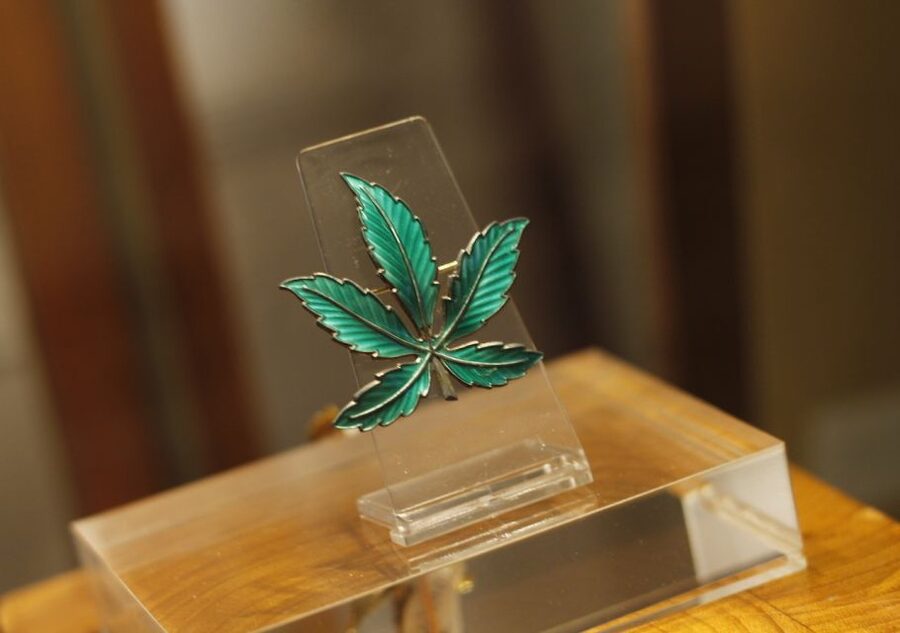
If you want one part that makes the museum feel more serious (and more unexpected), it’s the medical area. The museum showcases one of the world’s largest collections of bottles of medicinal cannabis, tracing widespread use for medical complaints since the 19th century.
For your planning, this section is likely to take more time than you expect. Why? Because bottles are visually specific, and you’ll probably find yourself reading and comparing. The museum turns medicine into a tangible artifact collection, which helps if you like learning through objects rather than only through explanations.
This is also where you’ll get the strongest sense of the museum’s argument about the plant’s potential across different uses. It doesn’t just say the plant has history—it shows that medical interest has been around a long time, at least in terms of recorded treatments and preserved materials.
If you’re visiting with someone who’s curious but nervous about the subject, the medical section is a great anchor. It’s more about documentation and historical context than shock value.
Tools and textiles: why the rope-and-paper angle is worth your time
One of the smartest ways this museum builds understanding is by focusing on practical outputs of hemp—rope, paper, textiles. When you see those processing tools, it makes the plant’s usefulness feel grounded and mechanical.
This angle also helps you avoid the common trap of thinking cannabis/hemp is only about one cultural storyline. Hemp production historically supported industries. That’s the key value for you: it reframes the plant as a materials story before it becomes a politics or lifestyle story.
Even if you’re not a craft-minded person, the “how it was made” details help you understand why hemp spread when it did. You’re not just reading that it could be used—you’re seeing the kinds of utensils that turned plants into products.
Live hemp plants (seasonal): what to look for during growing season
One of the highlights listed for this museum is the chance to see live hemp plants during the growing season. That’s not guaranteed year-round in the way a painting is, so it’s something to treat like a bonus.
If you’re traveling around Barcelona in a time window that overlaps typical growing season, you may catch the plants. If not, don’t panic: the exhibition still covers the history, tools, and medical materials. Just keep your expectations flexible.
When you do see live plants, it changes the vibe of the visit. Objects become connected to living biology. It’s a simple effect, but it helps many people understand the plant as something real, not only as an idea.
Photo booth and museum shop: taking the experience home
The museum includes a photo booth, and a photo souvenir is part of your ticket. This is a small thing, but it’s a practical memory tool. If you like leaving with something you didn’t have before—beyond notes in your phone—this is an easy win.
Then there’s the museum shop. You can explore a wide range of hemp products, which is useful if you want to take a look at what “hemp products” actually means in the real world. This can help you separate curiosity from hype, since you’ll see the variety on one floor instead of chasing it across multiple stores.
One practical caution: because food and drinks aren’t allowed inside, the shop may tempt you to buy items you can’t immediately enjoy on-site. Plan to carry your purchases carefully after you leave.
Size, pace, and what it feels like when you’re done
One small caution from the overall vibe: this is a small museum experience. That can be a good thing. If you’re short on time and want something focused that still covers multiple themes—industrial use, art across centuries, and medical bottles—this works.
But if you’re hoping for a slow, all-day meander with lots of extra rooms to disappear into, you’ll probably finish faster than you imagine. Think of it more like a concentrated “learn + see + collect a souvenir” visit rather than a half-day wandering program.
I’d also plan a little downtime after. Not because it’s heavy, but because it’s a topic that makes you think. You’ll likely want a café break nearby after you leave, even though you can’t bring that routine inside.
Price and value: is $11 worth it?
At about $11 per person, this entry ticket is priced like an affordable museum stop rather than a premium guided tour. For your money, you’re getting a lot of structure: a permanent exhibition with sections across history and use, an included audio guide in multiple languages, and a photo souvenir.
The value angle comes from the “mix.” Many museums have one theme lane. This one includes industrial processing tools, art/engraving storytelling, a medically focused bottle collection, and seasonal live plants (when available). If one topic doesn’t hook you, another likely will.
So the question isn’t only cost—it’s whether you want a compact museum visit that covers multiple angles quickly. If yes, $11 feels fair. If you prefer very long exhibitions or hands-on workshops, you might feel you want more, especially since it’s not built as an all-day immersion.
Who should book this entry ticket—and who might skip it
This is a good fit if you:
- like museums that use objects—tools, bottles, prints—so history feels concrete
- want an audio-guided experience in your preferred language
- enjoy unusual themes as long as they’re explained thoughtfully
It may be less ideal if:
- you need accessibility accommodations, since it’s not suitable for people with mobility impairments
- you’re uncomfortable with cannabis/hemp as a subject and want something purely traditional (this museum doesn’t pretend the topic is simple)
- you’re expecting a full-day program with lots of activity beyond walking the exhibition
Should you book the Hash Marihuana & Hemp Museum?
I’d book it if you want a compact, structured museum visit in Barcelona that mixes art, industry, and medicine in one place. The $11 price works well for what you get—especially the audio guide and the medical bottle collection—and the photo booth/photo souvenir makes it easy to mark the visit.
Skip it if you’re looking for a long, meandering day or you need accessibility support. If you’re in between—curious, open-minded, and short on time—this is exactly the kind of stop that turns into an interesting conversation later.
FAQ
How much is the Barcelona Hash Marihuana & Hemp Museum ticket?
The price is listed as $11 per person.
Where do I meet for the entry ticket?
Meet at Carrer Ample, 35, 08002 Barcelona, Spain.
How long is the experience?
It’s valid for 1 day, with a listed duration of 1 day.
Is an audio guide included, and what languages are available?
Yes, an audio guide is included. Languages listed are Catalan, English, Spanish, Italian, German, and French.
Is a photo souvenir included?
Yes. A photo booth is available, and a photo souvenir is included with your ticket.
Are food and drinks allowed inside the museum?
No. Food and drinks are not allowed.
Can I take photos with a flash?
Flash photography is not allowed.
Is the museum suitable for people with mobility impairments?
No. It is not suitable for people with mobility impairments.
Is free cancellation available?
Yes. You can cancel up to 24 hours in advance for a full refund.