REVIEW · SHREWSBURY
Shrewsbury Prison Guided Tour and Museum Access
Book on GetYourGuide →Operated by Shrewsbury Prison Ltd · Bookable on GetYourGuide
A visit to Shrewsbury Prison hits differently than a normal museum. You get a guided walk led by a prison officer through Victorian wings, then time to explore on your own, plus access to the museum inside the site. I especially like how the tour moves from cell life to procedures and rules, not just grim scenery.
Two things I really enjoyed: the storytelling style from guides I saw in reviews like Alex and Dan, and the way the tour connects Georgian-era roots to modern-day imprisonment. The self-guided portion also matters, because you can slow down after the big facts and look again where something caught your attention.
One drawback to plan for: you will do a lot of standing and walking on stone surfaces, and it can feel cold even when it is warm outside. If dark subject matter and prisons make you uneasy, this is not the kind of place to treat as casual sightseeing.
In This Review
- Key highlights worth centering your visit
- First step through the giant gates at Shrewsbury Prison
- Meet your prison officer guide and get the story thread
- Touring the A Wing and C Wing Victorian cells
- The landing and what it meant for 200 years
- Reception area and the B.O.S.S. chair processing detail
- Exercise yards: netting, routines, and the myths to question
- Healthcare, medication queues, and addiction programs
- Visits area: where outside contact met strict security
- Executioner’s bedroom and the condemned cell story
- The execution room: how it worked and how the system changed
- Museum access and why the self-guided walk is worth your time
- On-site restaurant breaks up the heaviness
- Price and value: why $33 can feel fair here
- Things to watch for before you go
- Should you book Shrewsbury Prison?
- FAQ
- How long is the Shrewsbury Prison guided tour?
- What is included with the ticket besides the guided tour?
- Where does the tour start?
- Is the tour available in English?
- Is Shrewsbury Prison accessible for wheelchair users?
- Is there a museum as part of the experience?
- Can I explore on my own before or after the guided tour?
- Are there places to eat on site?
- Is free cancellation available?
Key highlights worth centering your visit

- Two traditional Victorian prison wings: A Wing with 172 cells built for 350 men, plus C Wing designed for women (until 1921)
- Reception and the B.O.S.S. chair: a look at processing prisoners entering and leaving the jail
- Exercise yards details that spark questions: including why netting was placed and how routines worked
- Healthcare and support systems: medication queues and drug/alcohol addiction programs
- Visits area with high scrutiny: where meeting people from outside involved strict rules
- Executioner’s bedroom and the execution room: including stories tied to Albert Pierrepoint and George Riley
First step through the giant gates at Shrewsbury Prison
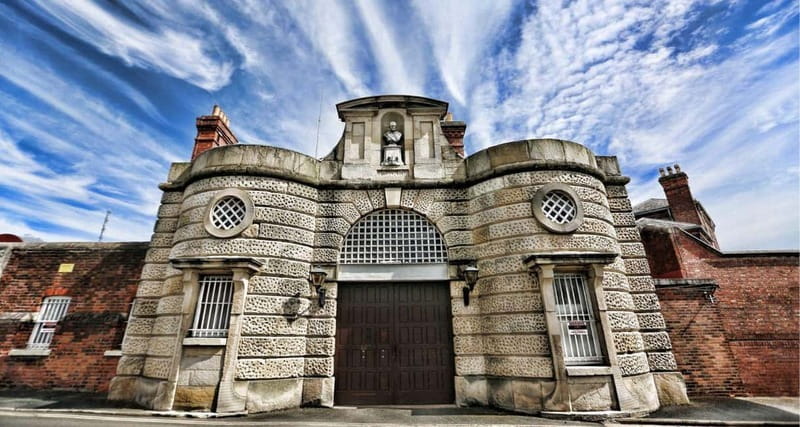
Shrewsbury Prison is in Shropshire, and it does not feel like a “tourist attraction” the moment you arrive. You enter through the big metal gates and see the sign that points you toward the visitor center. From there, you are shown where the guided tour starts.
This matters because the site is built for control and movement. The tour works best when you arrive with your bearings, because you’ll be moving between rooms that once served real functions: processing, locking up, supervision, and punishment.
Meet your prison officer guide and get the story thread
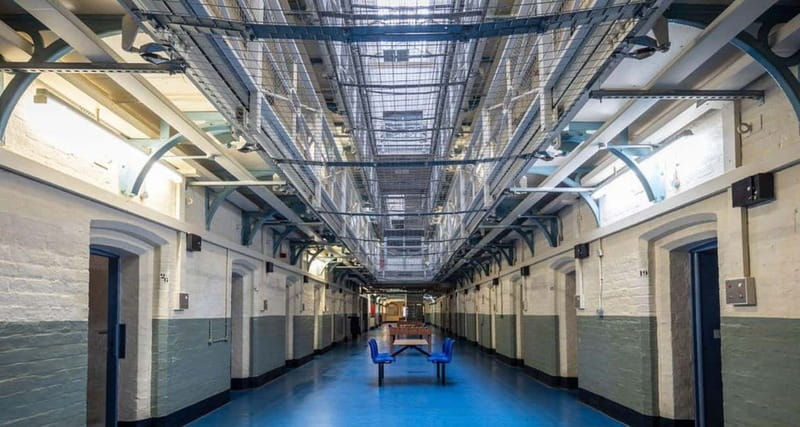
The guided part lasts about 1.5 hours and is led by a live guide, typically an active-style storyteller with real prison-service perspective. The reviews I read repeatedly praised guides such as Alex, Dan, Michelle, Malcolm, Graham, and Sarah for staying friendly while covering heavy topics.
Expect the guide to frame the prison in a practical way. You’ll learn not just what happened, but how daily life was structured. That is a key difference from many “dark history” tours that list facts without explaining the system.
The best benefit of the officer-led format is that you can ask questions in your head while you walk. As you pass from cells to yards to visits, you start to connect the dots: why certain spaces existed, how rules shaped behavior, and what changes over time actually look like on the ground.
Touring the A Wing and C Wing Victorian cells
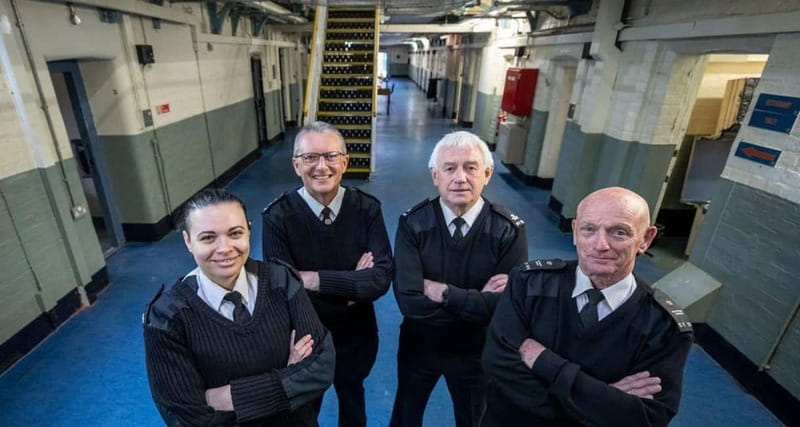
The heart of your visit is touring two traditional Victorian wings: A Wing and C Wing. The numbers alone give you instant scale.
- A Wing has 172 cells built to house 350 men
- C Wing has 22 cells, originally designed for female prisoners until 1921
Walking these wings is where the prison becomes tangible. You can see how the design encourages oversight: long sightlines, locked doors, and tight circulation. The “cell-to-landing-to-doorway” flow is the sort of architecture that keeps people contained without constant physical contact.
The tour route also helps you understand how “space” functioned as a tool. Narrow areas were not neutral. In a prison, even a landing is part of the rulebook.
The landing and what it meant for 200 years
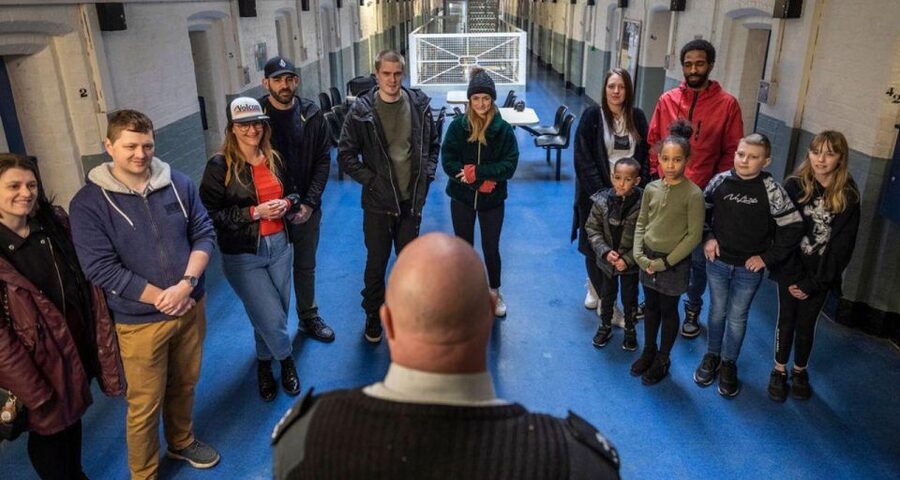
A special moment in the tour is walking the landing as officers did for around 200 years. This is one of those details that turns architecture into routine. The landing is not just a corridor; it’s the place where supervision happened and where movement between spaces could be controlled.
As you stand there, you’ll notice how sound and sight work in a stone building. It is the kind of spot where you can feel why rules mattered, because small spaces create big emotional pressure.
If you are visiting with kids or teenagers, this is also where the tour often lands as “real-life explanation” instead of horror-movie atmosphere. The guide can translate what the prison meant without turning the experience into pure shock.
Reception area and the B.O.S.S. chair processing detail
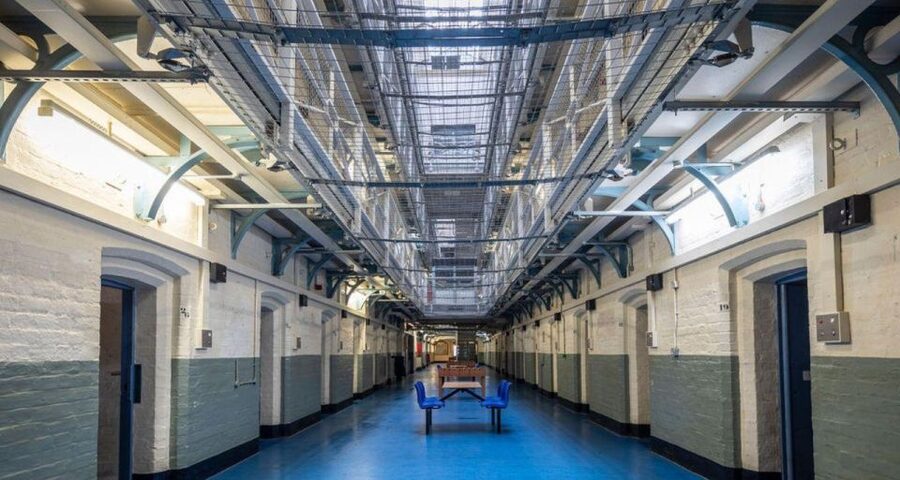
One stop I’d prioritize is the Reception area. This is where prisoners entered or left the prison, and the tour explains what the processing looked like.
You’ll also see the B.O.S.S. chair, the Body Orifice Security Scanner. Even if the name sounds unusual, it represents how security systems evolve. The takeaway is not just what the scanner looks like, but how technology changed the prison’s approach to control.
This is a great section if you like systems thinking. It gives context for everything else you’ll see afterward: cells and yards are the visible parts, but processing is where the prison begins shaping the day.
Exercise yards: netting, routines, and the myths to question

After reception, the tour moves to the exercise yards, both enclosed by tall, foreboding prison walls. These spaces are not big and open; they are controlled outdoors, which is part of the point.
One yard detail is especially interesting: you’ll hear the real reason netting was placed over the main exercise yard. Another question the guide addresses is whether prisoners always walked clockwise. Whether you think it’s true or not, the value here is learning the logic behind routines—how order was enforced, how visibility was managed, and how escape or interference was prevented.
This part of the tour is also where your own imagination should work a little. The yards let you picture how people spent time when they were not in cells, and how even leisure could be supervised.
Healthcare, medication queues, and addiction programs
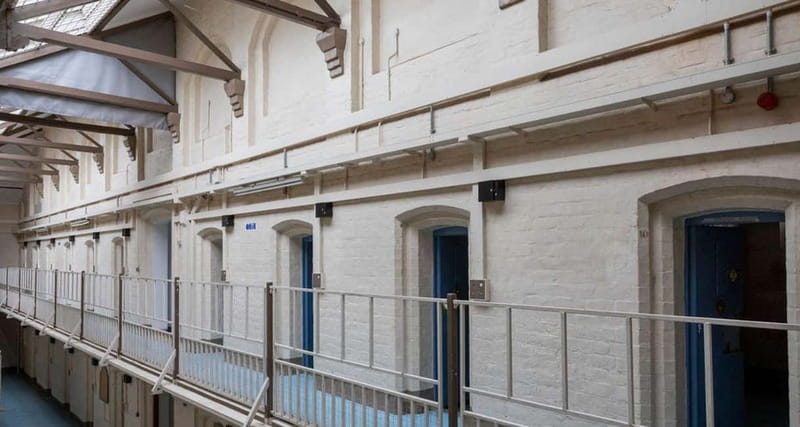
Next comes healthcare, including where prisoners queued for their medication. The tour also explains where drug and alcohol addiction programs were administered.
Even if you are not a history buff, this stop adds balance. It pushes the narrative beyond confinement and into health management. You start to see the prison as a place that tried to address issues with structured programs, not just punishment.
For me, the standout value here is that it shows prisons have multiple functions at once: detention, discipline, and service systems that reflect the era’s thinking about treatment.
Visits area: where outside contact met strict security
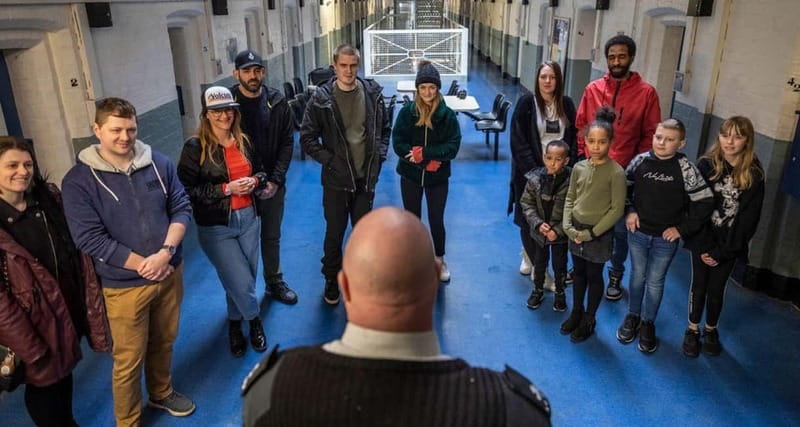
The visits area is described as the only place within the prison walls where prisoners could meet people from outside. It also has the highest level of security and scrutiny.
In plain terms, this is where you learn that contact was never “free.” The prison controlled time, access, and behavior, even during what sounds like a humane connection.
You’ll hear about how many visits a prisoner was entitled to, how long visits lasted, and why this area required extra monitoring. This section is one of the most emotionally intense on the route, but it is also one of the clearest for understanding policy.
If you only focus on cells and yards, you can miss that visits shaped families and emotional survival. Here, the tour helps you see that the prison’s rules extended into relationships.
Executioner’s bedroom and the condemned cell story
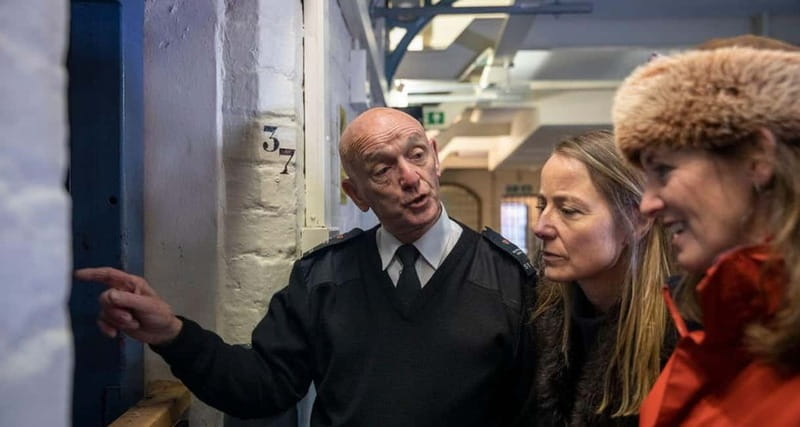
If you are comfortable with dark history, this is the section most people remember. You’ll visit the Executioner’s bedroom, where executioners would have stayed the night before sending the condemned man through the drop. The tour also connects this to Albert Pierrepoint, a name strongly associated with Shrewsbury.
Then comes the view where the condemned man had his cell and where he would have spent his last days before being hanged. The tour connects these spaces to the timing and procedure of executions.
Even without graphic detail, the setting does the work. It forces you to think about the final hours and how the prison treated a person at the end of a process.
The execution room: how it worked and how the system changed
The Execution Room is understandably one of the darkest places in the prison due to its previous usage. The tour explains that a total of eight men lost their lives in this room after committing horrendous crimes.
You’ll also hear about George Riley, described as the last man executed at Shrewsbury Prison in 1961. From there, the guide explains how executions happened, why public executions were outlawed, and why the death penalty was removed altogether in 1965.
This is where you get a history lesson with a physical anchor. You can stand where the process occurred and then hear how legal and social thinking shifted. It becomes less abstract than reading a textbook line about abolition.
The tour also covers what made Albert Pierrepoint the world’s most well-known executioner—helpful if you’ve heard the name but never understood why it became so prominent.
Museum access and why the self-guided walk is worth your time
Your ticket also includes access to the Shrewsbury Prison Museum, which displays artifacts hidden within the prison walls from past inmates. That phrasing matters: these items are presented as part of the prison fabric, not as generic exhibits pulled from storage.
You’ll also get self-guided access to explore the prison before or after your guided portion. This is a big value add. The guided tour gives you the spine of the story. The self-guided time lets you choose where to linger: perhaps you want to revisit the reception area and B.O.S.S. chair, or you want to spend more time with cell details that you didn’t fully process on the first pass.
I like this structure because it respects different energy levels. You can be curious without feeling forced to “keep up” with a single long lecture.
On-site restaurant breaks up the heaviness
There is an on-site restaurant included in the experience. You can use it for hot or cold food and drinks, plus homemade cakes and bakes.
That might sound like a small detail, but it changes how the day feels. After an experience like this, you want an easy, on-site reset where you don’t need to figure out transport or hunting for food.
If you are visiting with family, a reliable meal stop also keeps the experience from turning into a rushed scramble.
Price and value: why $33 can feel fair here
At $33 per person, this is not a bargain price, but it also isn’t priced like a one-room show. You’re paying for:
- a live, officer-led guided tour (about 1.5 hours),
- self-guided access to explore additional parts at your own pace,
- museum access with artifacts connected to the prison,
- access to the onsite restaurant.
In other words, you’re not just buying a walk-through. You’re buying time, context, and multiple layers of interpretation. If you want to understand how imprisonment changed from Victorian systems to later approaches (and how rules shaped real spaces), this price can feel like a solid deal.
The biggest value tip: don’t treat it like a quick stop between sights. Build it into your day so you can use both the guided and self-guided portions.
Things to watch for before you go
I’d plan around three practical considerations:
First, standing. Even reviews that praised the guides noted that the tour involves standing and talking through a lot of stone spaces. Wear shoes that support you on hard floors.
Second, temperature. One helpful warning from a guide-style visitor was simple: even on a warm day, it can be cold behind thick walls. Bring a warm layer.
Third, emotional weight. This is not a light attraction. The execution room details, the history of executions, and the way people were processed can be intense. If you’re bringing younger kids, it helps to have a short chat beforehand about what you will see and why the tour exists.
Should you book Shrewsbury Prison?
Book this tour if you want prison history explained in a concrete way—through spaces that still show the logic of confinement. I also think it’s a great choice for students, people studying law or social systems, and anyone who likes guided interpretation instead of wandering without context.
Skip it (or visit with caution) if you hate standing for long stretches, get uncomfortable with dark historical topics, or are looking for purely scenic attractions.
My bottom line: if you like your history practical and grounded in real locations, this is a strong booking—especially because you get both the officer-led story and the self-guided museum time to make it stick.
FAQ
How long is the Shrewsbury Prison guided tour?
The guided tour lasts about 1.5 hours.
What is included with the ticket besides the guided tour?
Your ticket includes a self-guided tour of the prison and access to the Shrewsbury Prison Museum. Access to the onsite restaurant is also included.
Where does the tour start?
You enter through the giant metal gates, look for the Welcome to Shrewsbury Prison sign to the left of the main entrance, then follow the signage to the visitor center where staff show you where the guided tour begins.
Is the tour available in English?
Yes, the live tour guide is English.
Is Shrewsbury Prison accessible for wheelchair users?
Yes, the tour is wheelchair accessible.
Is there a museum as part of the experience?
Yes. The Shrewsbury Prison Museum is included, with artifacts displayed from items hidden within the prison walls.
Can I explore on my own before or after the guided tour?
Yes. The ticket includes self-guided prison access before or after your guided tour.
Are there places to eat on site?
Yes. There is an onsite restaurant with hot and cold food and drinks, plus homemade cakes and bakes.
Is free cancellation available?
Yes. You can cancel up to 24 hours in advance for a full refund.