REVIEW · NEW YORK CITY
NYC: Museum of the Moving Image Flexible Ticket
Book on GetYourGuide →Operated by Museum of the Moving Image · Bookable on GetYourGuide
Move images, not just exhibits.
In NYC, the Museum of the Moving Image turns movie-making into something you can actually touch, hear, and try, with a Jim Henson Exhibition that pulls in fans fast. I love the museum’s hands-on focus and its ability to make film tech feel simple, even if you’re not a self-proclaimed cinephile.
I also like that your ticket gives you room to come back during a 14-day window, so you’re not racing a checklist. One drawback to plan around: this ticket covers the core galleries, while special exhibitions are not included, so you may need to budget extra for add-ons you’re hoping to see.
In This Review
- Key things to know before you go
- Why this NYC museum feels different from a typical day out
- Price and value: $21 that buys you 14 days of options
- Getting in: will-call at the Admissions Desk and a small group setup
- Build your 14-day plan around your priorities
- Jim Henson Exhibition: puppets, performers, and the behind-the-scenes team
- Behind the Screen: how movies and TV are made, promoted, and presented
- Mission: Impossible—Story and Spectacle as a bonus target
- The hands-on audio stations: dub your voice and play with sound
- Temporary exhibition spotlights: The Sopranos set designs (through May 31)
- Included core exhibitions vs special exhibits: know what your ticket covers
- Rules that affect your day: strollers, food, and flash
- Family programs and Moving Image Studio on weekends
- Practical tips for a smoother visit in NYC
- Who should book this flexible ticket?
- Should you book the Museum of the Moving Image flexible ticket?
- FAQ
- How long is the flexible admission valid?
- What’s included with this ticket?
- Are special exhibitions included?
- Is flash photography allowed?
- Are strollers allowed?
- Can children under 3 visit for free?
- Is the Moving Image Studio included?
Key things to know before you go
- 14-day flexible admission: choose your days instead of squeezing everything into one visit
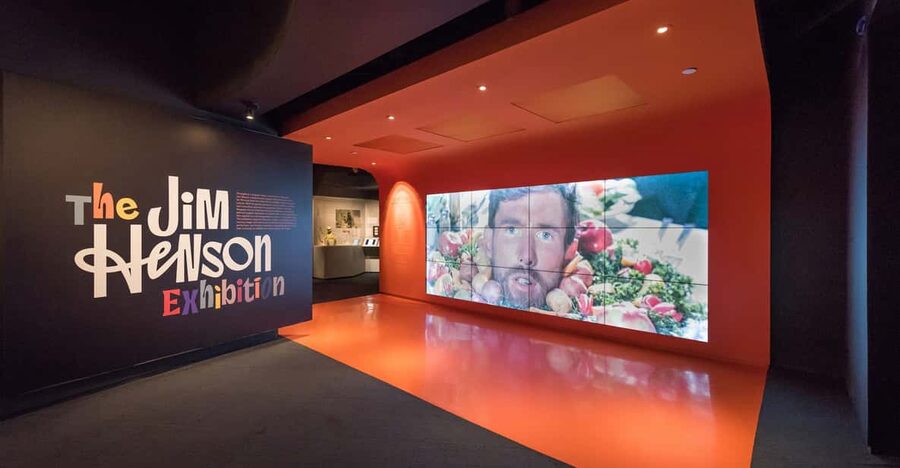
- Jim Henson Exhibition: puppets and the people behind them, including Kermit and Miss Piggy
- Hands-on audio stations: dub a voice into a famous film/TV moment and experiment with sound and music
- Behind the Screen: production, promotion, and presentation of moving images, plus Tut’s Fever Movie Palace
- Family programming on weekends: drop-in options like Moving Image Studio
- Coat check and Wi-Fi included: you can stash bags and stay connected while you wander
Why this NYC museum feels different from a typical day out
Most museums show you art you look at. This one shows you art you can make-believe with. It’s dedicated to the art, history, technique, and technology of the moving image in all its forms, so the vibe is equal parts film history and playful lab.
I like that it’s built for different types of visitors. If you love classic cinema, you’ll find context. If you’re visiting with kids or a gamer, you’ll find interactive stations and “try it yourself” activities that don’t feel like homework.
A few more New York City tours and experiences worth a look


Price and value: $21 that buys you 14 days of options
At $21 per person, this ticket can be good value—especially because it’s valid for 14 days from the date you book. Instead of doing the museum once and feeling guilty about what you skipped, you can spread it out across two or more visits.
You also get a few practical extras with the ticket: complimentary coat check and baggage storage, plus free Wi-Fi. That matters more than it sounds. If you’re carrying bags through NYC, being able to stash them can keep your visit calm instead of chaotic.
The ticket covers general admission to core exhibitions, not every possible add-on. If you’re hoping to hit a special exhibit, budget for that possibility so the day doesn’t end with a “wait, that costs more?” surprise.
Getting in: will-call at the Admissions Desk and a small group setup
Your “meeting point” is the Museum of the Moving Image itself. Join the will-call line at the Admissions Desk, where an English host or greeter can help you get set.
This is listed as a small group experience limited to 9 participants. That’s helpful if you prefer a less crowded arrival and a smoother start, especially with hands-on spaces where movement can get tight.
Build your 14-day plan around your priorities
A flexible 14-day window is perfect if you don’t know how much time you’ll need. I’d treat the museum as three chunks: (1) Jim Henson Exhibition, (2) the core interactive galleries, and (3) any temporary or special content you want to target.
Here’s a simple approach you can use:
- Day 1: start with Jim Henson, then do a quick loop through the core galleries
- Day 2 (if you want it): focus on the hands-on audio and film-music areas
- Day 3 (optional): aim for temporary or rotating exhibits and slower reading
Because photography is allowed without flash for personal use (unless otherwise noted), you can also plan a “photo day” versus a “hands-on day.” Just remember the no-flash rule.
Jim Henson Exhibition: puppets, performers, and the behind-the-scenes team
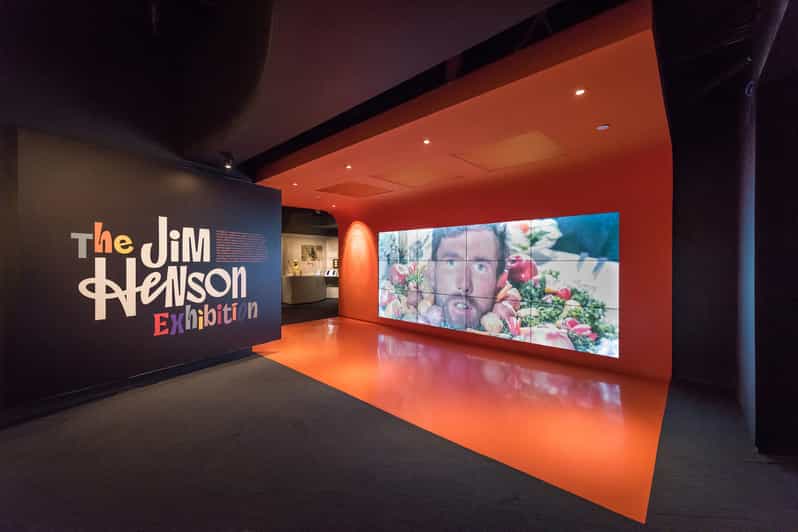
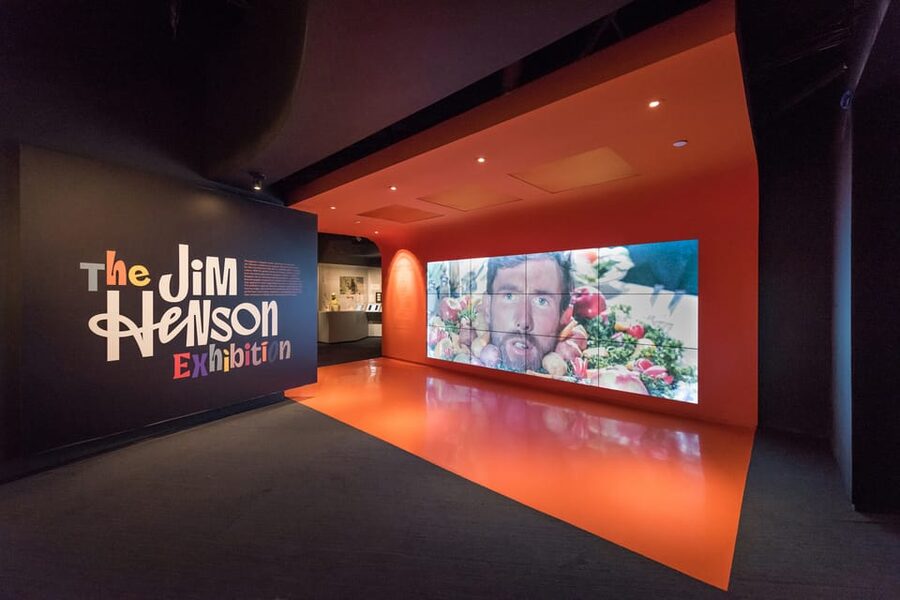
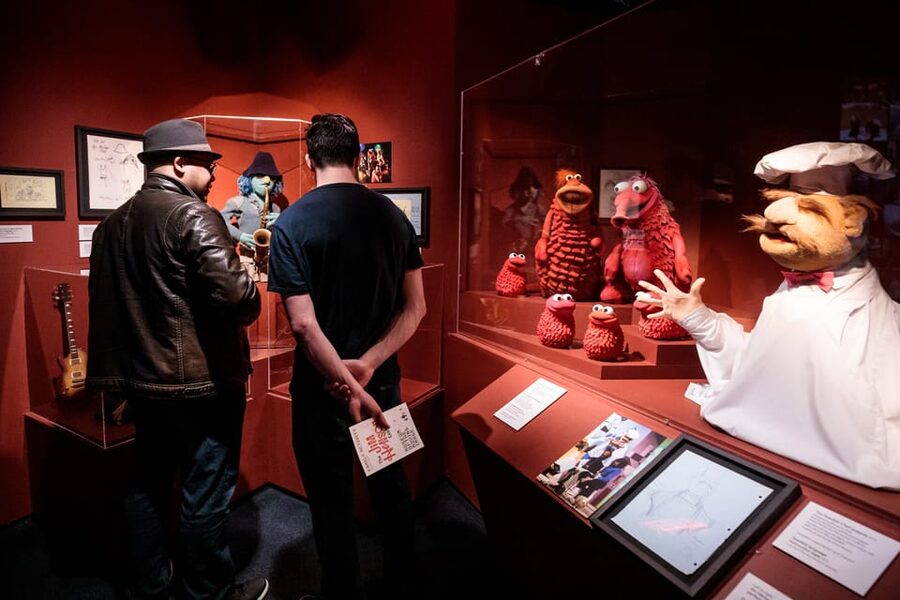
If you’re a fan of characters like Kermit and Miss Piggy, this is the part that usually wins people over first. The Jim Henson Exhibition looks at how Henson and the team of builders, performers, and writers brought major projects to life, including The Muppet Show, Muppet movies, Sesame Street, Fraggle Rock, The Dark Crystal, and Labyrinth.
What I like about this exhibition is the mix of creativity and craft. It’s not only about the famous characters. It’s about the process: how puppets become performances, and how the creative team turns ideas into something you can watch and believe.
You can also read our reviews of more museum experiences in New York City


Behind the Screen: how movies and TV are made, promoted, and presented
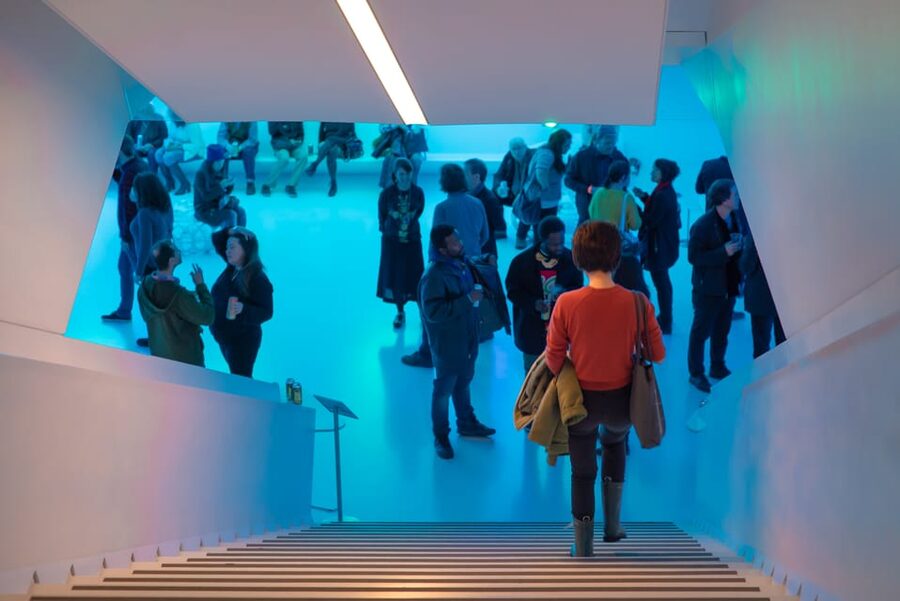
The museum’s second major anchor is Behind the Screen. This is where you get a broader look at the moving-image pipeline—how content is produced, promoted, and presented, not just filmed.
One specific highlight named here is Tut’s Fever Movie Palace installation. It’s the kind of detail that makes a museum day feel more specific than generic “film history” talk.
If you like understanding systems—how media works—this is the section that rewards you. It also helps connect the fun hands-on experiences to real-world production steps, so it feels like more than play.
Mission: Impossible—Story and Spectacle as a bonus target
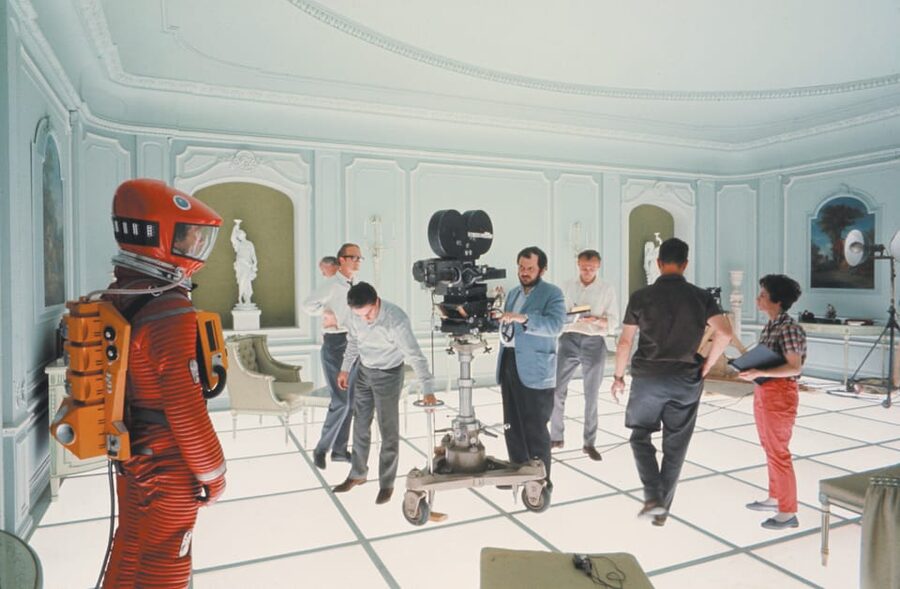
Your ticket highlights the Mission: Impossible—Story and Spectacle exhibition as something you can see during your visit. Since the exact on-view dates aren’t spelled out here, treat it as a must-check item when you arrive.
Why it’s worth prioritizing: it ties storytelling to style and spectacle. Even if you don’t know every film beat, seeing how narrative and production choices connect can make the museum feel more relevant to what you watch today.
The hands-on audio stations: dub your voice and play with sound
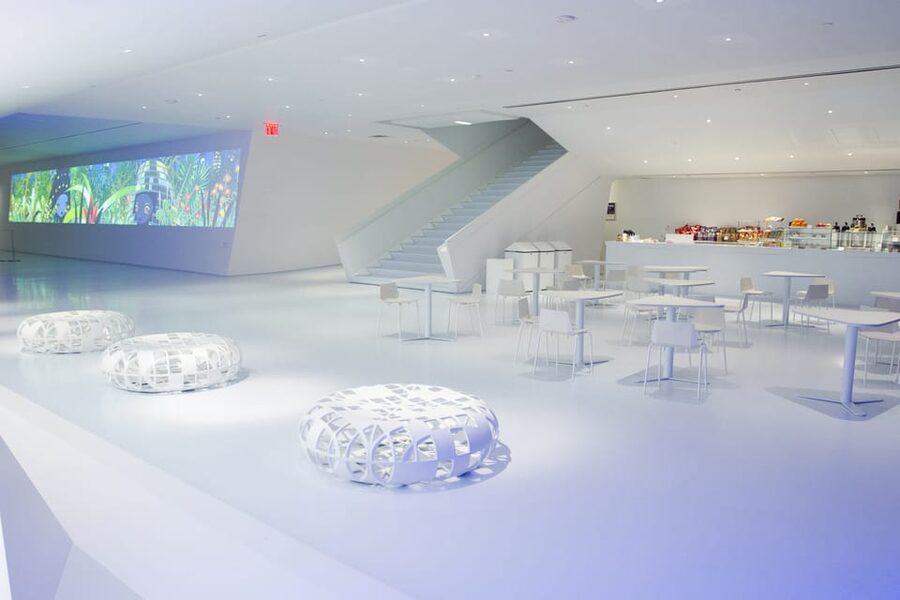
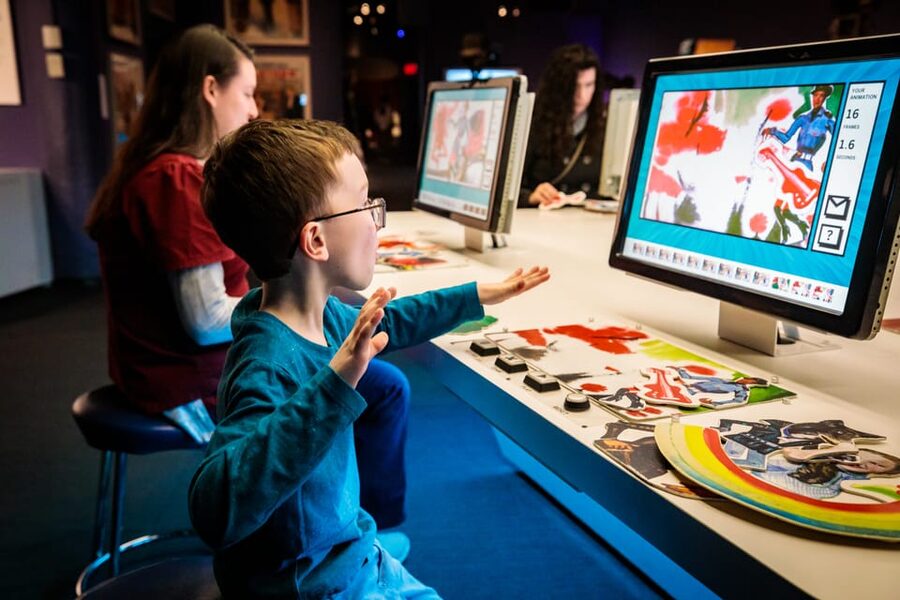
This is where the museum earns its reputation. You can dub your voice into a famous film or TV scene, then use the space to experiment with sound effects and film music.
That trio—voice, sound effects, and music—makes a big difference for different visitor types. If you’re into acting, the dubbing activity scratches that itch. If you’re into tech or audio, the sound experimentation gives you something tangible to play with.
Plan to spend real time here. These stations are easy to rush past, but they’re also the most likely to turn your visit from “I saw it” into “I did it.”
Temporary exhibition spotlights: The Sopranos set designs (through May 31)
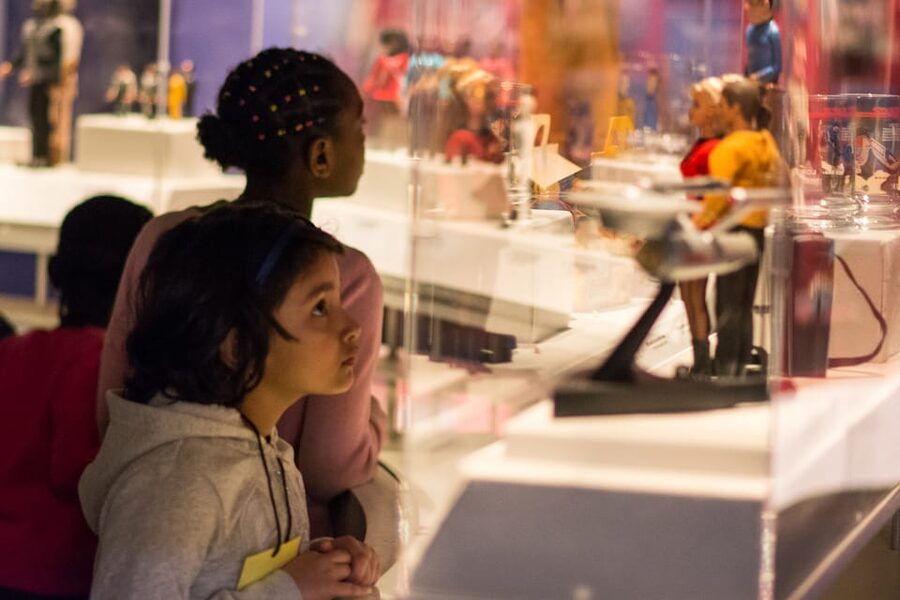
Right now, there’s a temporary exhibit on view: Stories and Set Designs for The Sopranos—Drawing from showrunner and series creator David Chase’s personal archive. It uses scripts, notes, and research material to show how the series developed from a pilot into the first season.
This is a strong choice if you like writing, character arcs, and the process of how stories change before they reach the screen. It’s also a nice counterbalance to the museum’s more playful tech side. Instead of sound and puppets, you get paper trails—how decisions get made.
If you’re short on time, you can still pick just one temporary section and let it anchor your visit. A focused museum day beats a frantic one.
Included core exhibitions vs special exhibits: know what your ticket covers
Your admission includes the core exhibitions and the general gallery areas. Special exhibits are not included with this ticket.
That means you should decide ahead of time what “must-sees” you want. If your list includes only the Jim Henson and core interactive sections, you’ll be set. If it includes additional special exhibits, I’d plan for the possibility of extra cost so your budget matches your expectations.
Rules that affect your day: strollers, food, and flash
These policies matter because they can change how comfortable your visit feels.
- Baby strollers are not allowed.
- Strollers aren’t admitted into the galleries, but you can leave them at coat check or in designated stroller parking.
- Food and drinks are not allowed.
- Flash photography isn’t allowed. Photography without flash is allowed for personal use unless otherwise noted.
If you’re traveling with little ones, the stroller rule is the one to remember. Plan to bring what you need for the car ride/walk, then be ready to check the stroller situation at the coat check or stroller parking.
Family programs and Moving Image Studio on weekends
If you’re visiting as a family, the ticket includes access to drop-in family programs. A specific program mentioned is Moving Image Studio, and it’s noted as weekends only.
This is worth building into your plan if you’re aiming for structured activities. Drop-in formats can be flexible, but weekends can be busier—so if Moving Image Studio is on your list, consider going earlier in the day.
Children under 3 are free, which can be a nice savings if you’re traveling with younger kids who still mostly need the adults’ attention anyway.
Practical tips for a smoother visit in NYC
Here are a few things that make the experience easier, especially if you’re doing it between other NYC plans.
First, use the coat check and baggage storage. Stow your bags, then move through the museum without tugging everything behind you. Second, use the free Wi-Fi if you need to coordinate with your group or map your next stop.
Third, think about how you want to spend your energy. The audio dubbing and sound stations are the most “active.” The exhibitions like Behind the Screen and the Sopranos set designs are more “read and watch.” Mixing active and quiet blocks helps you enjoy both.
Who should book this flexible ticket?
I’d book this if you want a film-and-media museum that actually feels interactive. It’s especially good for:
- parents and families who want more than passive viewing
- film fans who like the technical and production side
- people who enjoy trying audio/creative activities, even casually
- gamers or younger visitors who like hands-on tech and experimentation
If you only want traditional museum-style exhibits with long explanation walls, you might find it less your speed. But if you want to participate—this is made for that.
Should you book the Museum of the Moving Image flexible ticket?
Yes, if your goal is a fun, hands-on NYC museum day with a strong anchor exhibition. The Jim Henson Exhibition is a clear highlight, and the included core experiences like dubbing and sound play are the reason this ticket can feel worth it even at a single-visit level.
Book it when flexibility matters. The 14-day validity helps you avoid the stress of cramming. If your trip is tight and you’re worried about squeezing in time, this ticket gives you breathing room.
And one last check: scan what’s listed as core versus special exhibits so your expectations match what’s included. When you do that, this becomes a smart, low-drama add-on to your NYC itinerary.
FAQ
How long is the flexible admission valid?
It’s valid for 14 days from the date you booked.
What’s included with this ticket?
You get general admission to the core exhibitions, plus complimentary coat check and baggage storage, access to drop-in family programs, and free Wi-Fi.
Are special exhibitions included?
No. Special exhibits are not included with this ticket.
Is flash photography allowed?
No flash photography is allowed. Photography without flash is allowed in the galleries for personal use unless otherwise noted.
Are strollers allowed?
Baby strollers are not allowed. Regular strollers can’t be taken into the galleries but may be left at coat check or in designated stroller parking.
Can children under 3 visit for free?
Yes. Children under 3 are free.
Is the Moving Image Studio included?
Moving Image Studio is included as part of drop-in family programs, but it’s only available on weekends.