REVIEW · HALIFAX
Canadian Museum of Immigration at Pier 21 Admission & Tour
Book on GetYourGuide →Operated by Canadian Museum of Immigration at Pier21 · Bookable on GetYourGuide
Immigration stories hit harder at Pier 21. I love the guided Pier 21 Story Exhibition and the emotional focus of the 20-minute documentary In Canada, but one snag is that guided tours run at different times each day. If your schedule is tight, you’ll want to check the tour timing before you commit to a specific arrival hour.
I also like that this museum lives right on the Halifax waterfront in the national historic site of Pier 21. The setting helps the exhibits feel grounded, and the visit stays easy to plan because you can use your voucher flexibly within a week on either side of your date. Plus, it’s fully wheelchair accessible across all floors.
At $13 per person, the value is strong because admission covers the guided tour, the documentary, and access to the museum’s exhibitions. If you’re hoping for a long, multi-day museum crawl, you might find the whole experience is more focused than you expect—but it lands better when you give it your full attention.
In This Review
- Quick highlights
- Pier 21’s location turns a museum visit into a stop on the route
- Your guided Pier 21 Story tour: what the guide actually helps you notice
- What you’ll pick up during the exhibition
- The Canadian Immigration Story Exhibition: seeing the whole timeline without getting lost
- The documentary In Canada: a short film that does real emotional work
- Scotiabank Family History Centre: turning stories into names and dates
- Artifacts, personal accounts, and why this museum feels more human than academic
- Timing your visit in Halifax: plan it like a day on the waterfront
- What to expect during a typical flow
- Price and value: why $13 feels fair when you use what’s included
- Practical rules that affect your comfort (and what to bring)
- Who should book this visit at Pier 21
- Should you book Canadian Museum of Immigration at Pier 21?
- FAQ
- Do I need to book in advance?
- What does the ticket include?
- Can I visit on a different day than I booked?
- Where is the museum located and where do I check in?
- Is the museum wheelchair accessible?
- Are food, drinks, or pets allowed?
Quick highlights
- Guided Pier 21 Story tour in English or French (daily, with varying start times)
- In Canada documentary (20 minutes) built around real journey-and-belonging stories
- Canadian Immigration Story Exhibition tracing how immigration to Canada evolved
- First-hand accounts connecting newcomers’ experiences to work, community, and daily life
- Family History Centre support at the Scotiabank Family History Centre for researching your roots
Pier 21’s location turns a museum visit into a stop on the route
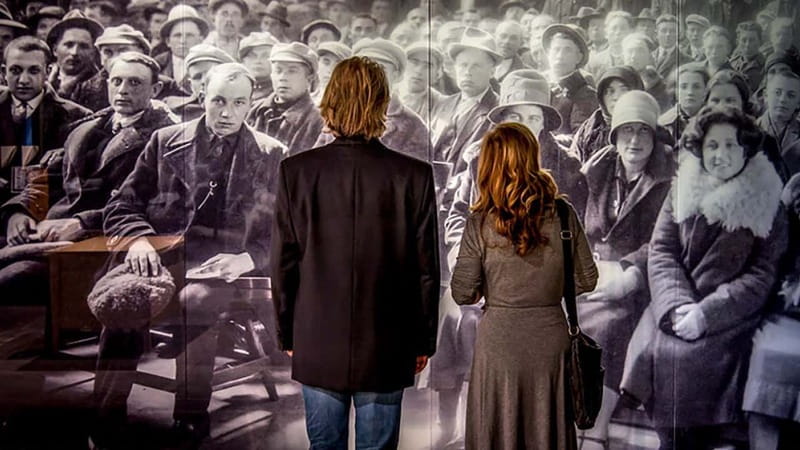
This museum isn’t tucked away in a quiet building. It’s at Pier 21 itself—on Halifax’s waterfront—so you’re standing where people arrived, not just reading about arrivals.
That matters because the story shifts from abstract to personal. You’ll see immigration framed across time, but the setting keeps reminding you this was real movement: packing, uncertainty, paperwork, and the weight of starting over.
If your family history includes arrivals from places like Italy in the 1950s, Holland later in the 1950s, or Scotland, you’ll probably feel that “this could be my relative” tug. The exhibits are designed to make those connections, especially through personal artifacts and accounts.
Your guided Pier 21 Story tour: what the guide actually helps you notice

The heart of the visit is the guided tour of the Pier 21 Story Exhibition. It’s offered in English or French, and it runs daily with tour times that vary—so build your day around your preferred slot rather than around your hotel check-in time.
A good guide makes the difference between wandering and learning. This tour is paced to help you connect themes across rooms, not just read labels one by one. The result is that you leave with more meaning than facts, especially if you came with names, dates, or a vague family story.
What you’ll pick up during the exhibition
The tour format focuses your attention on the human scale of immigration. You’ll follow how people experienced arrival in practical terms (what they were facing, what they needed, what they hoped for) and emotional terms (fear, determination, uncertainty, and belonging).
One practical benefit: if your family research is a little fuzzy, the guide can help you understand where the museum’s story fits into the bigger immigration timeline. That makes later research at the Family History Centre easier, because you know what to look for.
The Canadian Immigration Story Exhibition: seeing the whole timeline without getting lost

After the Pier 21 Story tour, you can explore at your own pace through the Canadian Immigration Story Exhibition. This is where the museum widens the frame from “one arrival story” to “how immigration to Canada changed over time.”
The exhibition walks you through newcomers’ experiences in ways that go beyond the entry point. You’ll see first-hand accounts touching on newcomers’ culture, economy, and day-to-day life—past to present—so the story feels like it continues long after the ship docked.
This section is also valuable if you’re not researching family history directly. Even if you came as a history fan, you’ll likely appreciate how the museum shows both opportunity and struggle without turning the story into a one-note slogan.
The documentary In Canada: a short film that does real emotional work
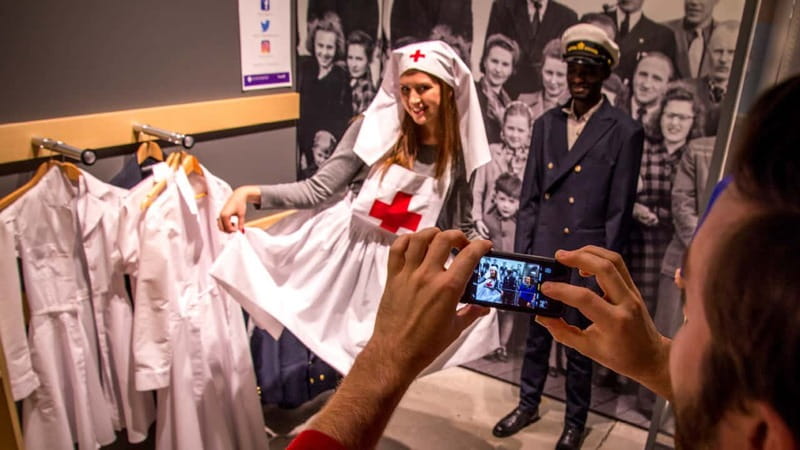
Admission also includes a viewing of the museum’s original documentary, In Canada. It’s only 20 minutes, but that short length is part of why it works. You’re not stuck in a long screening that makes the rest of the museum feel like a recovery period.
This film uses personal journeys and a theme of belonging. It’s the kind of viewing that can shift how you read the exhibits afterward—suddenly the artifacts and timelines aren’t just information. They’re people you can picture.
In practice, I’d treat the documentary as a “reset button” for your attention. If you watch it early, you’ll notice details you might otherwise skip. If you watch it later, it can tie together what you’ve already seen.
Scotiabank Family History Centre: turning stories into names and dates
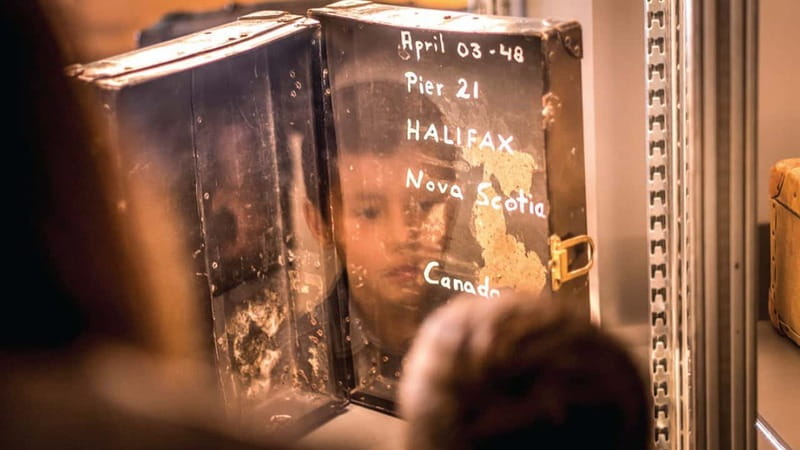
One of the most practical features here is the option to get help at the Scotiabank Family History Centre. An expert researcher can help you uncover your family’s journey—an especially meaningful add-on if you came hoping for more than general history.
Even though this support can’t replace records you’ll research outside the museum, it can help you start in the right direction. Many people don’t know which documents matter first, which terms to search, or how to connect a family memory to an immigration timeline. Having a museum researcher on hand can save hours of aimless looking.
And the best part for planning: no admission is required to access the Family History Centre or the gift shop. That means you can spend your main ticket time on the exhibition tour and documentary, then add research time without feeling like you’re “double-paying” for every corner.
Artifacts, personal accounts, and why this museum feels more human than academic
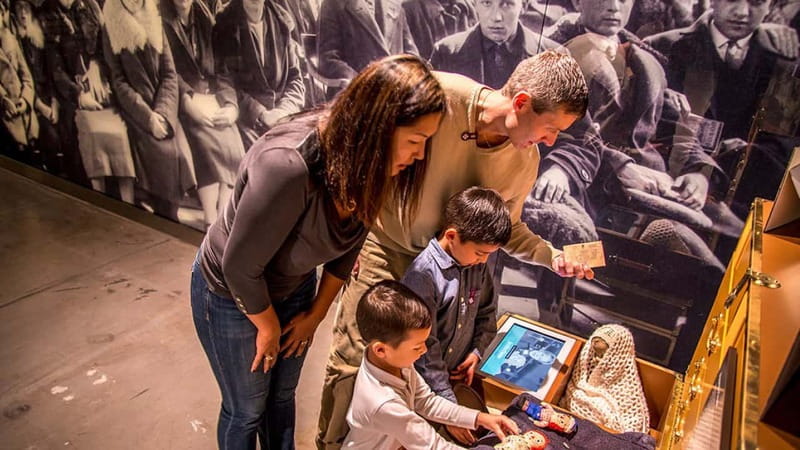
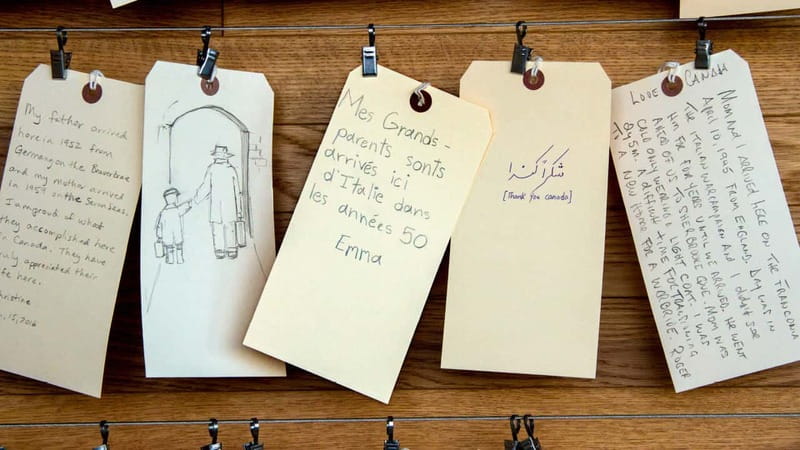
This is the kind of place where artifacts and first-hand stories do the heavy lifting. The museum doesn’t try to impress you with scale; it tries to make you recognize the logic of migration—why people moved, what they risked, and what they built after arrival.
What I like most is the balance. The museum’s approach includes the positive side of immigration—how it helped people—while also acknowledging it wasn’t easy for everyone. That helps the stories land as lived experience rather than a simplified success narrative.
If you’ve ever had a family story that was half told—names without dates, a destination without a route, a ship without the year—this kind of exhibit design tends to make those missing pieces feel less random.
Timing your visit in Halifax: plan it like a day on the waterfront
You’re visiting in downtown Halifax at 1055 Marginal Rd, right near places like the Garrison Brewery, the Halifax Seaport Farmer’s Markets, and the Halifax Boardwalk. That’s good news if you want this museum to be part of a bigger day, not the whole day.
For timing, remember the guided tour runs at varying times each day. If you’re doing a cruise stop, the location is convenient for fitting the visit in, and the museum is often a manageable length for a single stop. If you want to linger, do it after the tour, not before—your guide will help you prioritize first.
What to expect during a typical flow
A comfortable way to structure the day is:
- Start with the Pier 21 Story guided tour so you understand the core themes.
- Then move into the Canadian Immigration Story Exhibition at your own pace.
- Fit in the In Canada documentary when it’s scheduled.
- Add research time at the Family History Centre if you’re chasing family details.
Also, plan ahead because food and drinks aren’t allowed inside. You’ll be happier if you eat outside the museum before you go in (and keep any snacks for after).
Price and value: why $13 feels fair when you use what’s included

$13 per person is a solid deal for what you get. Your admission includes:
- Entry to all exhibitions (permanent and temporary)
- The guided tour of the Pier 21 Story Exhibition
- The In Canada documentary viewing
- Access to the museum experience overall
That’s a lot bundled into a single ticket price, and the value gets even better if you’re able to use the flexible voucher plan. Your visit can be done at any time within a window—7 days before or after your booked date—so weather or schedule changes won’t sink the plan.
If you’re comparing options in Halifax, this is one of the places where the “included” parts genuinely matter. The documentary and the guide are not afterthoughts; they’re part of how the museum teaches you to connect with the material.
Practical rules that affect your comfort (and what to bring)
A few rules are worth knowing before you arrive:
- No food and drinks inside
- Pets are not allowed (assistance dogs are allowed)
- You’ll present your voucher and the staff will scan your barcode at the ticket counter
On the positive side, the museum is wheelchair accessible, and all floors are wheelchair accessible. That means mobility won’t block you from seeing the full exhibition set.
What should you bring? If you have family names, a rough arrival decade, or even just a country of origin, bring it. It helps you look at the exhibits with intention, especially because the museum is built to support that kind of personal connection.
Also, bring patience for emotional moments. For people with family ties to specific origins, this museum can feel like meeting a past version of your own family.
Who should book this visit at Pier 21

This is a great pick if:
- You’re traveling with family and want a meaningful, not-too-time-consuming stop.
- You have family roots you’d like to connect to Canada’s immigration story.
- You enjoy museum visits where personal stories drive the learning.
It may be less ideal if:
- You want a “wander all day” museum marathon.
- You plan to eat inside the museum (since food and drinks aren’t allowed).
- Your day only has room for a very specific time window and you can’t match a guided tour slot.
Still, even if you’re not researching your family tree, the exhibition structure and short film make the story understandable and emotionally direct.
Should you book Canadian Museum of Immigration at Pier 21?
Yes—if you want a museum stop that turns history into something you can feel and connect to. The combination of the guided Pier 21 Story tour, the short In Canada film, and the timeline-based Canadian Immigration Story Exhibition makes the ticket feel focused and worth the money.
I’d especially book if you have even one thread to pull—an ancestor’s origin country, an approximate arrival decade, or a ship name you’ve only heard once. And if you want flexibility, the voucher window is a big help when Halifax weather or tour schedules don’t cooperate.
If you’re on the fence, do this: check the English or French tour times that fit your day, then plan your waterfront time around that slot. When you match your schedule to the tour, the experience clicks fast—and it’s the kind of visit you’ll remember long after you leave Pier 21.
FAQ
Do I need to book in advance?
You’ll want to book in advance so you can secure a spot. The tour times run daily at varying hours, so booking ahead helps you plan around the guided tour slot you want.
What does the ticket include?
Your admission includes access to all museum exhibitions, a guided tour of the Pier 21 Story Exhibition, and viewing the 20-minute documentary In Canada.
Can I visit on a different day than I booked?
Yes. Your voucher redemption is flexible, and you can visit at any time within 7 days either side of your booked date.
Where is the museum located and where do I check in?
The museum is at Canadian Museum of Immigration at Pier21, 1055 Marginal Rd, Halifax, Nova Scotia. Present the barcode on your voucher at the ticket counter for scanning.
Is the museum wheelchair accessible?
Yes. All floors of the museum are wheelchair accessible, and the museum is wheelchair accessible throughout.
Are food, drinks, or pets allowed?
Food and drinks are not allowed. Pets are not allowed either, but assistance dogs are allowed.