REVIEW · CRETE
Lychnostatis Open Air Museum: Entry Ticket with Add-Ons
Book on GetYourGuide →Operated by Cretan Open-air Museum LYCHNOSTATIS · Bookable on GetYourGuide
Cretan life, rebuilt outdoors in every detail. The Lychnostatis Open Air Museum turns traditional buildings into a walkable lesson on island culture, from a tsikoudia (raki) distillery to the everyday tools tucked inside. I love how the site gives you hands-on context fast, and the optional audiovisual film helps you understand what you’re seeing instead of wandering blind. One heads-up: it’s a real outdoor museum, so plan for comfortable shoes and time.
My second big “yes”: the variety goes beyond houses. You’ll move through workshops (weaving, plant-dying, bees and wax, shoemaking, carpentry), gardens, and even a museum café where you can grab a traditional drink or sweet.
In This Review
- Key Highlights You’ll Remember from Lychnostatis
- Lychnostatis in One Ticket: What You’re Actually Getting
- Price and Value: Is $10 Worth It?
- Start with the Museum Grounds: Traditional Buildings and Workshops
- The Distillery and Tsikoudia (Raki): Where Smell and Sense Come In
- Olive Oil Press and Threshing Floor: The Island’s Work in Plain Sight
- The Gardens, Herbarium, and Environment Exhibits
- Library, Auditorium, and the Outdoor Theater
- The Museum Café: A Simple End-Stop (Don’t Skip It)
- Audiovisual Film vs. Private Guided Tour: Pick What Matches Your Style
- Audiovisual film option
- Private guided group tour option
- Logistics That Matter Day-of (Without Making It Complicated)
- Practical Tips So Your Visit Feels Effortless
- Who This Museum Is Best For
- Should You Book Lychnostatis? My Practical Recommendation
- FAQ
- How long is the Lychnostatis Open Air Museum entry ticket valid for?
- What does the entry ticket include?
- What add-ons are available?
- Is the audiovisual film included with the base ticket?
- Is the private guided group tour included with the base ticket?
- Is transportation included?
- Are food and drinks included?
- What language is the live tour guide?
- Can I skip the ticket line?
- What are the cancellation terms?
- Is the museum wheelchair accessible?
Key Highlights You’ll Remember from Lychnostatis
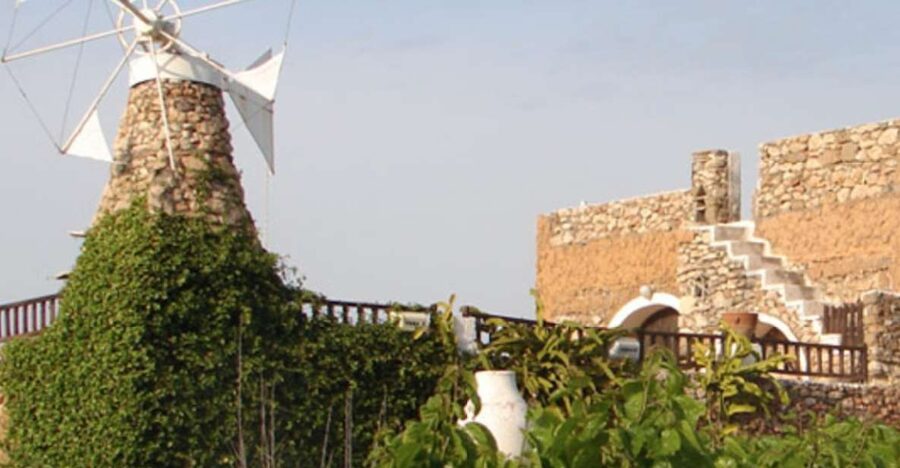
- Traditional village houses you can step into and picture daily life
- A working-style distillery setting focused on tsikoudia (raki)
- Specialized rooms and workshops like weaving and plant-dying, bees and wax, and more
- Auditorium and open-air theater designed for audio-visual shows, seminars, and cultural events
- A library stocked with Cretan books and periodicals plus a temporary exhibitions hall
- A café stop for a typical beverage or sweet to end your walk on a happy note
Lychnostatis in One Ticket: What You’re Actually Getting
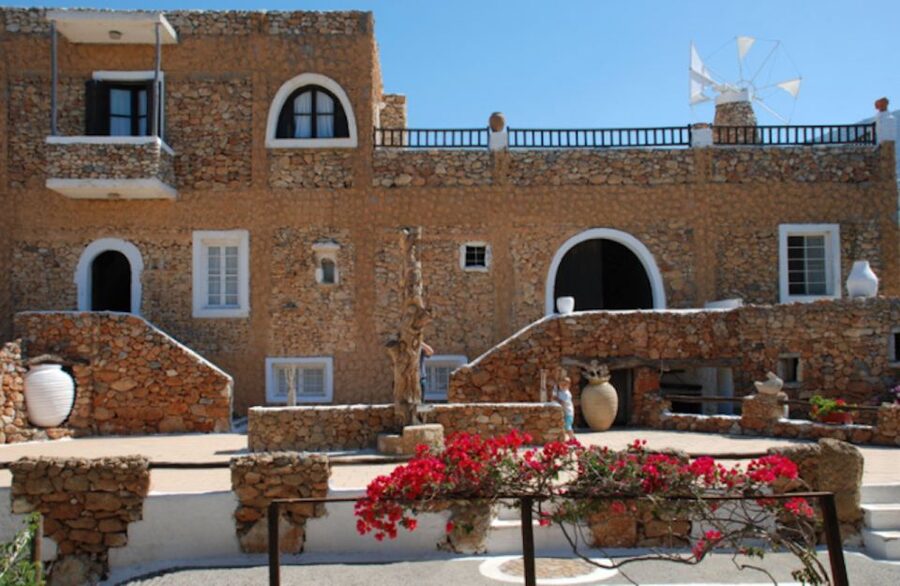
This experience is built around a simple idea: Cretan culture makes more sense when you can see it in the spaces where it happened. Your entry ticket gets you free time to explore the open-air museum at your own pace, plus add-ons if you want extra structure.
The add-ons matter because this museum isn’t just “pretty buildings.” It’s set up like a living timeline of Cretan folk tradition and daily life—so guidance (or an audiovisual intro) helps you connect the dots between a distillery, an olive oil press, workshops, and the landscape of gardens and nature-focused exhibits.
If you choose the audiovisual option, you’ll watch a film as part of the experience. If you choose the private guided group tour option, you’ll have a live guide (Greek) walking you through what you’re seeing. Either way, you’re set up for a one-day visit.
A few more Crete tours and experiences worth a look
Price and Value: Is $10 Worth It?
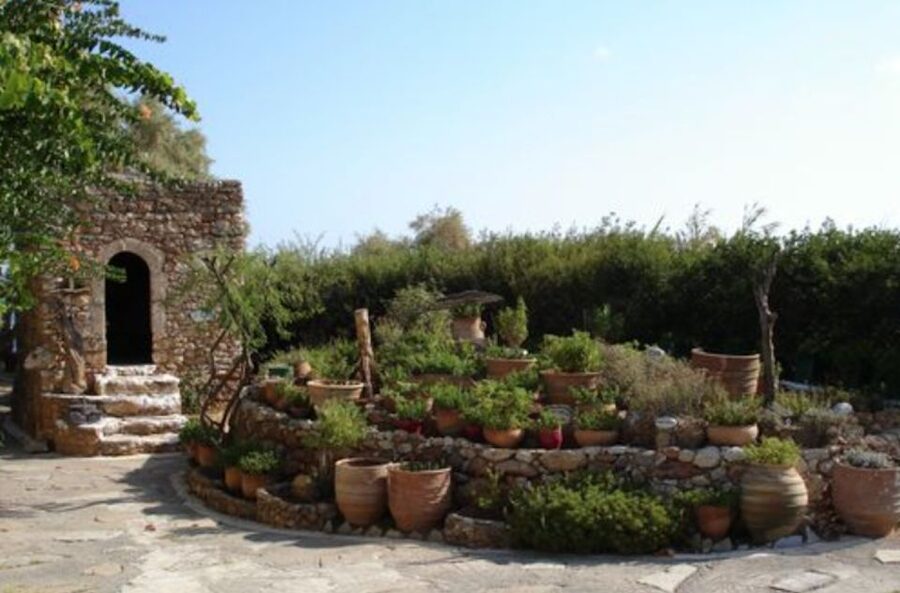
At about $10 per person for a one-day entry ticket, Lychnostatis is good value—especially because you’re not paying for a short stop-and-rush. You get time to wander, plus optional ways to deepen understanding.
What makes it worth it isn’t just the number of buildings. It’s the range of themes packed into the museum grounds:
- folk tradition and ethnology (how people lived and worked)
- nature and environment (how the island’s plants and resources mattered)
- cultural spaces like a library, auditorium, and theater
If you’re the kind of traveler who likes museums that feel practical—tools, workshops, and real settings—this pricing lands in the sweet spot. You’re paying for a whole day’s worth of culture, not a quick ticket photo.
The only thing you’ll pay extra for is what’s not included: transportation and food/drinks.
Start with the Museum Grounds: Traditional Buildings and Workshops
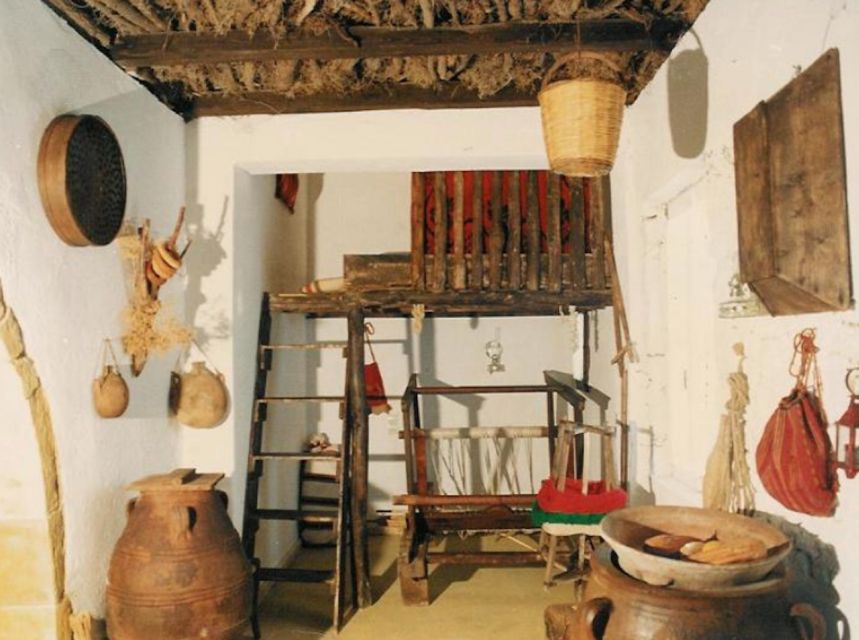
Your visit begins at the museum itself, and from there you’ll work through the outdoor village set-up at your own pace. The big win here is that you’re not just looking at objects behind glass. Many areas are built like lived-in spaces, so you can stand where people once worked and think through the sequence of daily tasks.
As you move between the traditional dwellings, you’ll also see a range of specialized areas tied to work and craft. Expect stops that feel like a tour of a former household economy rather than a simple historical display.
You’ll come across things like:
- a chapel
- an olive oil press
- a threshing floor
- a ceramic shop
- weaving and plant-dying workshop
- bees and wax workshop
- shoe-making workshop
- carpentry
- an herbarium
- Cretan fruit garden and herb garden
- mineral and stone exhibition
- Cretan folk artists’ gallery
That list is long on purpose. The museum’s strength is how it links daily life to culture and environment. One area isn’t random; it’s part of the system that made island life work.
The Distillery and Tsikoudia (Raki): Where Smell and Sense Come In
If you like food-and-drink culture, this part will click quickly. The museum includes a tsikoudia (raki) distillery, and it’s one of the most memorable stops because it represents a craft tied to local ingredients and traditions.
You’ll also find a traditional village house where you can step into the setting and see how domestic life connected to production work around it. That contrast—home space on one side, distillation and processing on the other—helps you understand why folk culture in Crete often shows up in what people made as much as what they wore or sang.
I’d treat this as your anchor stop. Come here earlier if you want your brain to start organizing everything else around it.
Olive Oil Press and Threshing Floor: The Island’s Work in Plain Sight
Two practical areas help explain how Crete fed itself: the olive oil press and the threshing floor. These spaces aren’t presented like abstract history. They’re built to show physical processes—so you can visualize the movement from raw materials to usable products.
This is where Lychnostatis shines for travelers who don’t need dates and names. You’ll get value even if you’re not a textbook history person. Seeing how tasks were done is a kind of historical literacy.
A good approach: after you visit the distillery, walk toward the oil and grain areas with a question in mind. Ask yourself what would be needed, what tools would be involved, and what the workflow likely looked like across seasons. The museum’s layout supports that kind of thinking.
You can also read our reviews of more museum experiences in Crete
The Gardens, Herbarium, and Environment Exhibits
Not every open-air museum focuses on nature the way Lychnostatis does. Here, Cretan environment and plant life are part of the story, not an add-on.
You’ll be able to visit:
- an herbarium
- Cretan fruit garden
- herb garden
- plus areas tied to the island’s resources, including a mineral and stone exhibition
What this means for you in real life: it’s easier to make sense of why workshops like plant-dying and herbal uses mattered. You don’t have to connect the dots yourself from scratch—you can physically walk from plant-related areas to craft spaces and see how environment and tradition overlap.
If you’re traveling in warm weather, gardens also make a natural break between indoor-style exhibits. It’s not just for photos; it’s functional downtime.
Library, Auditorium, and the Outdoor Theater
A standout detail is that the museum doesn’t stop at buildings and tools. You can also visit the library, which is stocked with Cretan books and periodicals. Even if you don’t read much on-site, the library area signals that this museum treats folk culture as something documented and studied.
Then there are the performance spaces:
- an auditorium with 100 seats for audio-visual shows and seminars
- an open-air theater with 250 seats for cultural and artistic events
How to use this effectively: if you’ve picked the audiovisual film add-on, plan your day so you’re not exhausted before it starts. An intro can make the rest of your wandering faster because you’ll already understand the context.
If you’re visiting on a day with events happening, those spaces can turn the museum from a walk into a living cultural moment—though you should expect scheduling can vary, so don’t count on a specific show time without checking.
The Museum Café: A Simple End-Stop (Don’t Skip It)
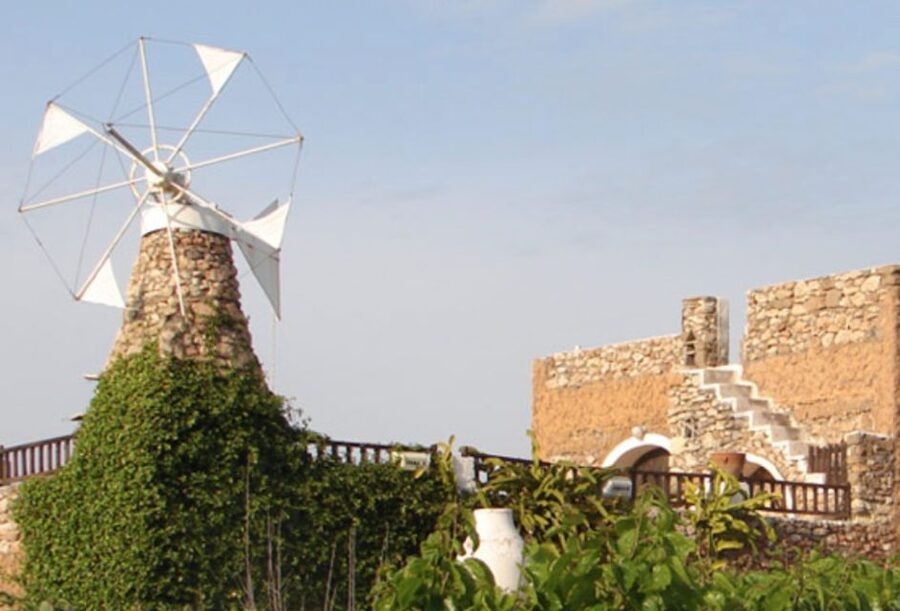
You’ll find a café on-site where you can grab a typical beverage or sweet. Since food and drinks aren’t included in the ticket price, this is your most convenient on-site option.
I like this kind of museum café because it keeps the visit practical. You won’t have to leave the grounds to find a snack, and you can keep your rhythm as you move from workshop to workshop.
If you’ve worked up a sweat, consider saving your energy for the café rather than trying to cram every last corner before sitting down.
Audiovisual Film vs. Private Guided Tour: Pick What Matches Your Style
Both add-ons can help, but they help in different ways.
Audiovisual film option
Choose this if you want a quick way to build context. The auditorium setup (100 seats) is meant for audio-visual shows and seminars, so the film format is ideal for giving you a clear framework before you explore the buildings.
I recommend this option if you like museums where you can go from overview to detail without getting stuck asking the same questions for hours.
Private guided group tour option
Choose this if you want someone to explain what you’re seeing as you go. The private guided group tour includes a live tour guide (Greek), and that kind of guidance is especially helpful in a museum packed with different workshops and specialized displays.
Since the language is Greek, you’ll get the most from it if you’re comfortable with basic Greek terms or you rely on visuals and the guide’s explanations. Either way, the structure tends to make you feel less like you’re “walking around” and more like you’re following a storyline.
If you’re torn: film for orientation, guided tour for storytelling.
Logistics That Matter Day-of (Without Making It Complicated)
This is a one-day experience at the Lychnostatis Open Air Museum in Crete. The museum includes a skip-the-ticket-line benefit, which is a small but real advantage when you want to start exploring sooner.
Transportation isn’t included, so you’ll need to get there by car or taxi. The easiest way to think about timing is simple: give yourself enough hours to stop, read what’s available, and move through workshops without rushing.
Also, it’s wheelchair accessible, which is reassuring if you need that level of access planning.
Finally, the museum is language-based for live guidance (Greek). If you choose the guided add-on, it helps to come in with patience for slower back-and-forth and to lean on the museum’s visual displays.
Practical Tips So Your Visit Feels Effortless
A few choices can make a big difference inside a museum like this:
- Wear comfortable shoes. Outdoor museums turn “one hour” into “three hours” without warning.
- Bring a water bottle. Food/drinks aren’t included, and you’ll be walking between many stops.
- If you care about absorbing details, slow down at workshop areas first. Those are where you’ll get the most sense of how things worked.
- If you choose the audiovisual film, time it so you’re alert enough to pay attention. Then go right into the grounds while the context is fresh.
One more small note: if you’re using any paper materials during your visit, keep them dry. It’s the kind of environment where humidity and handling can wear things down.
Who This Museum Is Best For
Lychnostatis is a strong fit if you:
- like hands-on cultural history over abstract storytelling
- enjoy traditional crafts and everyday tools
- want a one-day museum on Crete that covers both culture and environment
- would like an add-on option (film or guided tour) to match your energy level
It may feel like too much if you only want a very short, fast-moving stop. This is a walkable day. If you’re chasing nightlife or beach time, you might not want to schedule a full day here.
Should You Book Lychnostatis? My Practical Recommendation
Yes, you should book it if you want a Crete experience that feels real—built around daily life, workshops, gardens, and the spaces where tradition actually happened. For the price, you’re getting a full day of structured curiosity, plus optional ways to understand what you’re seeing.
If you’re deciding between add-ons, here’s the simplest rule: pick the audiovisual film if you want a quick mental map, and pick the private guided group tour if you prefer deeper explanations while you walk.
If your plan allows only one culture stop on Crete and you enjoy detailed, practical museum experiences, Lychnostatis is the kind of place that leaves you with more than photos. You leave with a clearer idea of how Cretans lived, worked, and made things—house to distillery to garden.
FAQ
How long is the Lychnostatis Open Air Museum entry ticket valid for?
The ticket is valid for 1 day. You’ll want to check availability to see starting times.
What does the entry ticket include?
It includes an entry ticket and free time to explore the museum grounds.
What add-ons are available?
You can add an audiovisual film option and/or a private guided group tour option.
Is the audiovisual film included with the base ticket?
Not automatically. It’s included if you select the audiovisual film option.
Is the private guided group tour included with the base ticket?
Not automatically. It’s included if you select the private guided group tour option.
Is transportation included?
No. Transportation is not included.
Are food and drinks included?
No. Food and drinks are not included, though there is a museum café on-site where you can buy typical drinks and sweets.
What language is the live tour guide?
The live tour guide speaks Greek.
Can I skip the ticket line?
Yes, you can skip the ticket line.
What are the cancellation terms?
You can cancel up to 24 hours in advance for a full refund.
Is the museum wheelchair accessible?
Yes, it is wheelchair accessible.