REVIEW · WERKENDAM
Werkendam: Boat Cruise and Biesbosch Museum Entry Ticket
Book on GetYourGuide →Operated by Biesbosch MuseumEiland · Bookable on GetYourGuide
Watching water change direction is the point. This Werkendam combo pairs a whisper boat ride through De Biesbosch National Park with entry to Biesbosch Museum Island, where the story shifts from nature to Dutch engineering. I especially like how the trip is short enough to fit easily into a day, yet detailed enough that you come away with a real sense of how freshwater tidal wetlands work. And I love the human pace of the experience: on my cruise, captain John took his time with the explanations and made it feel relaxed, not rushed. One drawback to note: it runs in Dutch, and the museum ticket is bundled—if you rely on a museum annual card, you may find it doesn’t work the same way as when you book directly with the museum.
In This Review
- Key things I’d focus on before you go
- De Biesbosch near Werkendam: why this combo works
- The 75-minute whisper-boat cruise: what you’ll actually do
- Narrow trenches, wetland vegetation, and the “why” behind the views
- Wildlife you may spot: beavers, eagles, and deer
- The Dutch water story in motion: polders and depolderisation
- Biesbosch Museum Island: turning your cruise into real understanding
- The Biesbosch experience for kids (and adults who like models)
- Price and value: is $28 per person a fair deal?
- Practical tips that make the day easier
- Who should book this Werkendam cruise and museum ticket
- Should you book this tour?
- FAQ
- How long is the boat cruise and museum visit?
- What does the ticket include?
- Are food and drinks included?
- What language is the live guide?
- Is this experience suitable for wheelchair users?
- Are pets allowed?
- Can I cancel for a refund?
- Can I pay later?
Key things I’d focus on before you go
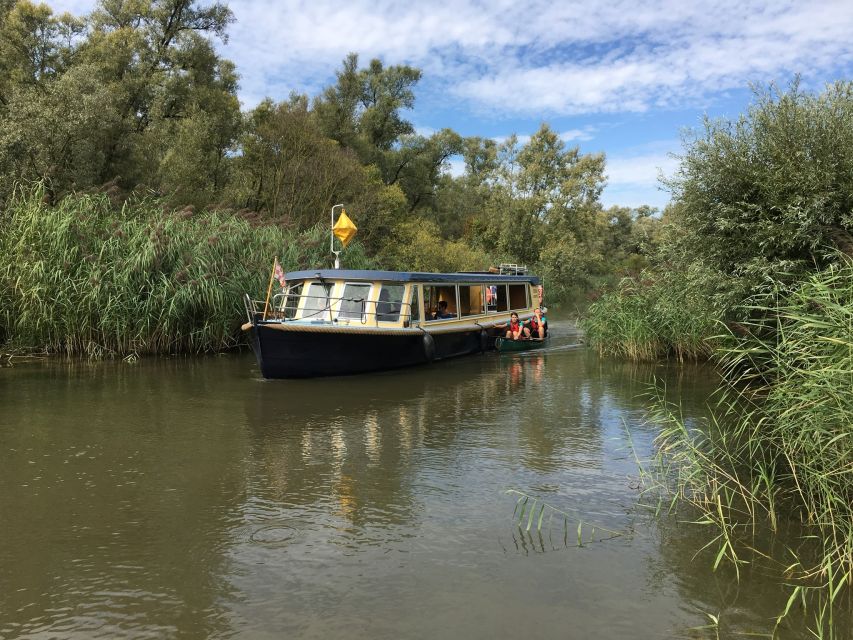
- Whisper-boat cruise through narrow creeks and trenches, not wide open water views
- Beneden Petrus trench as one of the featured spots during the ride
- Freshwater tidal wetlands in Northwestern Europe, with clear context for what you’re seeing
- Wildlife spotting potential like beavers, eagles, and deer (best seen when you keep your eyes open)
- Biesbosch Museum Island explains the fight against water, polders, and later depolderisation
- Biesbosch experience scale model helps kids (and adults) picture polders, dykes, and streams
De Biesbosch near Werkendam: why this combo works
De Biesbosch National Park is one of those places where the scenery is beautiful, but the real magic is the water behavior. This area isn’t just a calm nature reserve. It’s a freshwater tidal landscape, and that changes how you read everything you see: channels, reeds, mudflats, and the way vegetation grows where you’d expect it least.
This ticket is smart because it pairs two sides of the same idea. You start on the water, where you get the physical sense of narrow trenches and winding waterways. Then you go to the museum island, where you translate that experience into history and hydrology—why the Dutch built and managed water the way they did.
The combo is also good value for time. You get a 75-minute cruise plus museum entry in a single package, without needing to coordinate separate tickets or transportation as carefully. And because the cruise has a live Dutch guide, the explanations stay tied to what you’re looking at.
The 75-minute whisper-boat cruise: what you’ll actually do
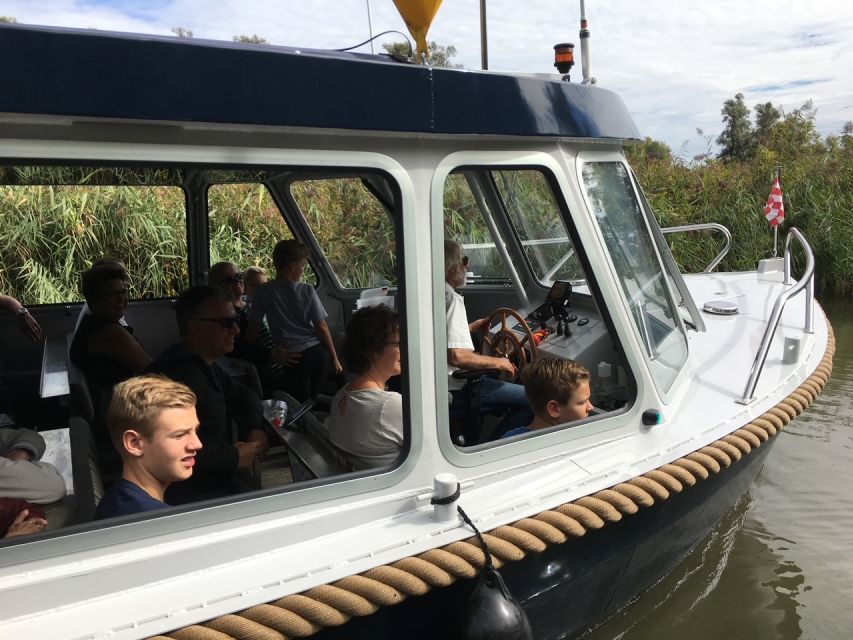
Your main event is a sightseeing cruise through De Biesbosch National Park using a whisper boat. That phrasing matters: this is the kind of boat you’d expect to move quietly enough that the environment stays the star. You’ll travel along narrow waterways—trenches, creeks, and channels—so the route feels more like a guided walk, but from the water.
During the ride, the guide points out visually distinct areas of the park, including a spot identified as the Beneden Petrus trench. The point isn’t just to say where you are; it’s to help you understand what the terrain means in a tidal freshwater system. In plain terms, you start to see why this park is shaped the way it is.
The cruise is also paced for learning. On my sailing, captain John gave explanations thoughtfully and at a calm tempo, which helped me connect the story to the scenery instead of watching the route like it was just a moving postcard. You’ll likely feel the same if you like guided context rather than pure sightseeing.
Narrow trenches, wetland vegetation, and the “why” behind the views
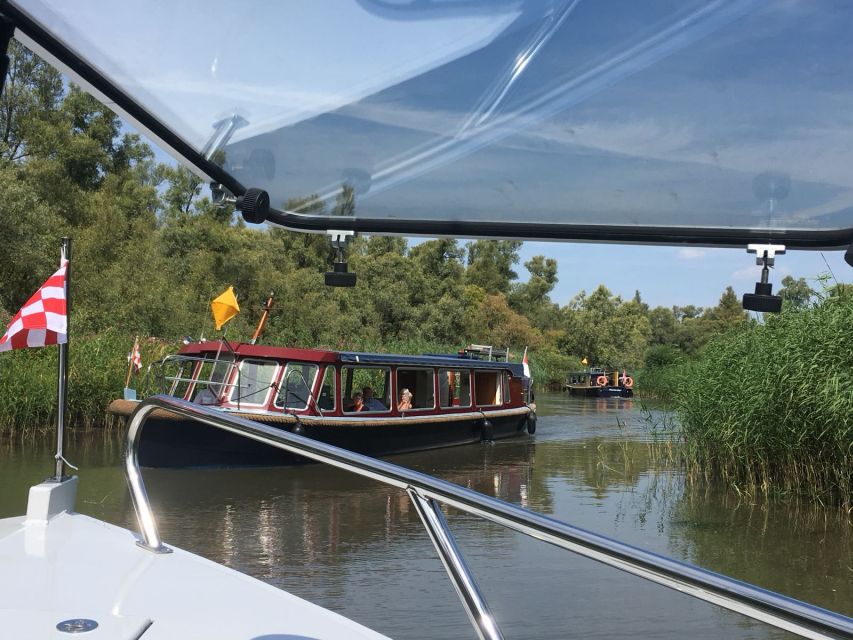
One of my favorite things about this cruise is that it doesn’t keep you at a distance from the action. You’re not only looking out from a safe, distant viewpoint. You get close to the features that define the park.
As you move through the waterways, you’ll notice colorful flora along the route. That’s not just decoration. In wetland areas, plant life often signals the water’s behavior—where it settles, where it drains, and how often it changes. The cruise helps you look at vegetation as a clue.
You’ll also pass through narrow trenches, which are among the park’s most scenic spots. This is where the experience feels most “different from ordinary canals.” The waterways feel like working systems rather than landscaped routes. You start noticing how the park’s shape channels movement, and how that movement affects what grows where.
And because this is a freshwater tidal area in Northwestern Europe, the environment is more dynamic than many visitors expect. The scenery still looks natural, but you’re seeing a system influenced by tides and water management over time.
Wildlife you may spot: beavers, eagles, and deer
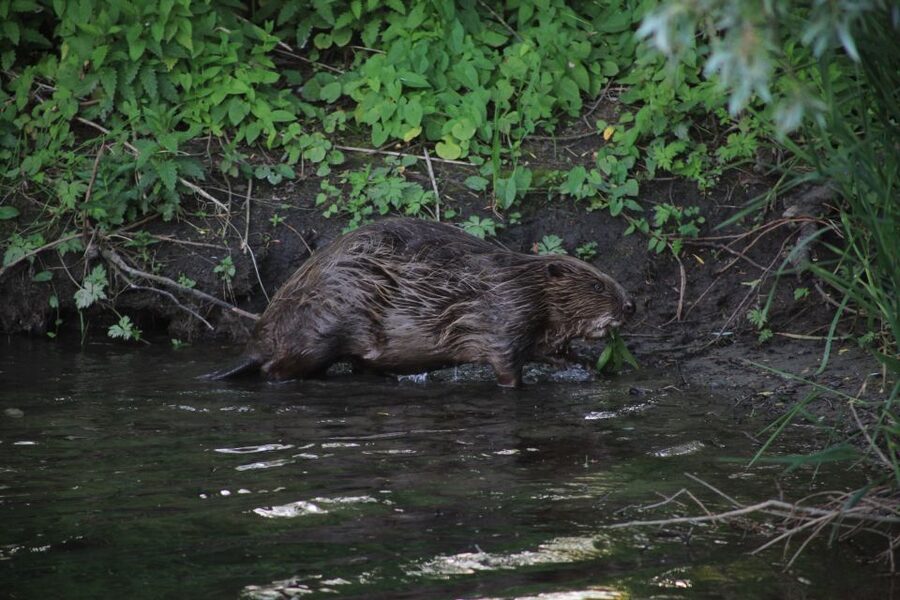
Wildlife is one of those things that’s never guaranteed, but it’s part of the fun. On this cruise, you can keep an eye out for beavers, eagles, and deer while the boat travels through the reserve.
The best approach is simple: don’t just stare at the horizon. Scan the edges of the waterways and the areas where land meets water. Wildlife tends to show up when you’re paying attention to movement and changes in the shoreline.
Also, wildlife spotting is more enjoyable here when you’re not rushing. A calm guide pace helps you slow down and take in the small signs. Captain John’s style, for example, made it easier to enjoy quiet scanning between explanations.
The Dutch water story in motion: polders and depolderisation
After you’ve spent time looking at the park as a living system, the narration turns into a story about humans and water—how the Dutch fought against it, then changed course.
You’ll hear how the Dutch constructed polders to try to tame nature. In this context, polders are more than a travel word. They’re an answer to a specific problem: controlling water so land can be used safely. As you travel through the waterways, that idea clicks. You start linking ditches, channels, and water barriers to the bigger engineering approach.
Then the story goes further. Eventually, flood protection was achieved through depolderisation—giving certain areas of wetland back to nature. That part is key. It’s not just history; it’s a lesson in modern thinking about risk. Some water management strategies aren’t about keeping water out forever. They’re about managing consequences by letting the landscape do part of the job.
That shift—control, then adaptation—is one reason the cruise feels more than scenic. It connects the physical environment to decisions people made over centuries.
Biesbosch Museum Island: turning your cruise into real understanding
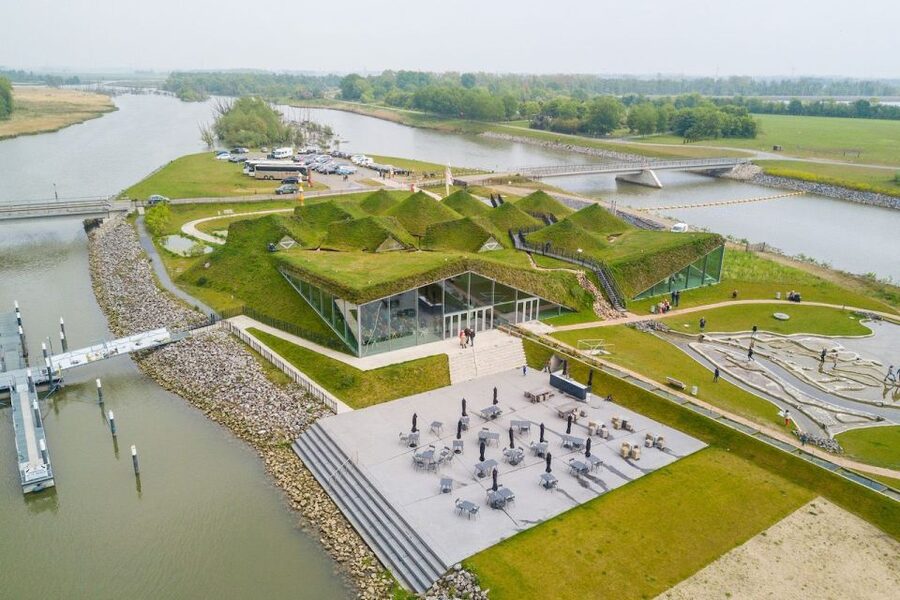
Once the boat part is done, you head to Biesbosch Museum Island. This is where the combo really pays off, because you’ll explore how the region’s natural and cultural importance ties together.
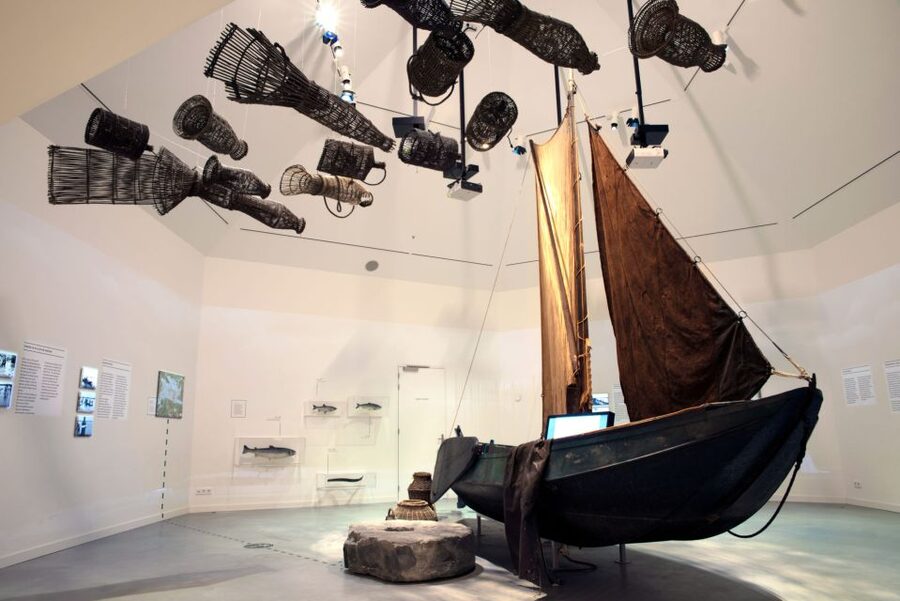
The museum’s permanent exhibition covers the past, present, and future of the park. That structure matters because De Biesbosch isn’t only about what used to happen. It’s about what’s happening now—how freshwater tidal wetlands are cared for—and how future choices might look.
One of the specific historical anchors you’ll learn about is the St. Elizabeth flood of 1421. That flood is tied to how the freshwater tidal area came to be, and hearing it after seeing the wetlands helps the story land. You can look at the channels and think, okay, so this isn’t random. It’s shaped by major events and long-term water behavior.
If you like museums that explain systems in a practical way, you’ll probably enjoy the focus here. It’s not only about pretty nature. It’s about understanding how humans and water negotiate with each other.
The Biesbosch experience for kids (and adults who like models)
If you’re visiting with children, don’t skip the Biesbosch experience exhibit. It includes a scale model of the area with polders, dykes, and streams.
That model helps because it translates what’s confusing on a screen or in a book into something you can point at. Kids often get this faster than they get long explanations, and adults sometimes appreciate it too because it creates a mental map before you leave.
Even if you’re traveling without kids, the model can still be useful. It lets you connect museum concepts—polders and waterways—to the real geometry you saw on the cruise.
Price and value: is $28 per person a fair deal?
At about $28 per person for the combo, you’re paying for two things: a sightseeing cruise in the national park plus entry to the museum island. The value is strongest if you want both nature and context in one smooth block.
The trade-off is that you’re not paying for extras. Food and drinks are not included, so you’ll want to plan on a snack break afterward. The good news is that the museum has a café where you can refuel with a light snack and a drink.
You should also think about language. Since the live tour guide is in Dutch, the overall value depends on your comfort level with Dutch or your ability to follow explanations. If you don’t speak Dutch well, you might still enjoy the visuals, but you may miss some of the story that makes the trip feel complete.
Practical tips that make the day easier
Here’s how I’d set yourself up for a smoother experience based on what’s included and what’s not.
First, plan for a short, focused window. The total duration is 75 minutes for the experience, so treat it like a compact highlight rather than a long hangout. You’ll likely have enough time afterward to enjoy the museum café and shop, but don’t expect a full-day plan built around this one ticket.
Second, bring yourself a simple snack plan. Food and drinks aren’t included, so decide in advance whether you’ll grab something at the café after the cruise or bring your own for later.
Third, check the pass compatibility if you have one. One traveler noted frustration using a museum annual card with the bundled ticket, and suggested that booking directly with the museum could allow it. I’d treat that as a reminder to check your card terms before you assume it will work.
Lastly, know who this is for. It’s not suitable for wheelchair users, and pets aren’t allowed. If those factors matter for your group, you’ll want to choose an alternative plan.
Who should book this Werkendam cruise and museum ticket
This is a great fit if you:
- want a short nature experience that still teaches you something
- enjoy water-management history and want it explained in a way that connects to real geography
- like guided sightseeing where the route and narration go together
- travel as a couple, friends, or family and want one ticket to cover both outdoors and an educational stop
It’s less ideal if you:
- need wheelchair accessibility (the experience is not suitable for wheelchair users)
- rely on museum annual card benefits without checking compatibility first
- need the tour in a language other than Dutch (Dutch is the stated language)
Also, if you’re a “satisfy my curiosity” type of traveler, this combo hits that sweet spot. The boat gives the sensory experience. The museum gives the framework.
Should you book this tour?
I’d book this if you want a smart, time-efficient way to understand De Biesbosch beyond photos. The cruise adds momentum: you see narrow trenches and freshwater tidal wetland features right away. Then the museum island turns those observations into a clear story about events like the St. Elizabeth flood of 1421 and the Dutch water strategy of polders and depolderisation.
The main reason not to book is practical: it’s not wheelchair suitable, pets aren’t allowed, and the guide experience is in Dutch. If those points work for you, the value looks solid—especially because food isn’t included, so you can keep spending controlled and just budget for a café stop.
If you’re in North Brabant and you care about how landscapes form through water and decisions, this is the kind of ticket that leaves you feeling like you truly understand what you saw.
FAQ
How long is the boat cruise and museum visit?
The experience is 75 minutes in total. Check available starting times before you choose your slot.
What does the ticket include?
Your ticket includes the De Biesbosch National Park sightseeing cruise and entry to Biesbosch Museum Island.
Are food and drinks included?
No. Food and drinks are not included, but you can use the museum café for a light snack and a drink.
What language is the live guide?
The live tour guide speaks Dutch.
Is this experience suitable for wheelchair users?
No. It is not suitable for wheelchair users.
Are pets allowed?
No. Pets are not allowed.
Can I cancel for a refund?
Yes. You can cancel up to 24 hours in advance for a full refund.
Can I pay later?
Yes. The option is available to reserve now and pay later.