REVIEW · SAVANNAH
American Prohibition Museum Admission
Book on Viator →Operated by Historic Tours Of America · Bookable on Viator
Prohibition in Savannah is loud, visual, and weirdly fun. The American Prohibition Museum makes the whole era feel like a show with state-of-the-art dioramas and costumed docents who explain the ideas behind the laws; I also love the mix of artifacts, from dry propaganda to moonshine brewing gear. The one drawback to plan for is pace: the tour can feel a bit fast in busier moments, and the bathroom is at the very end of the route.
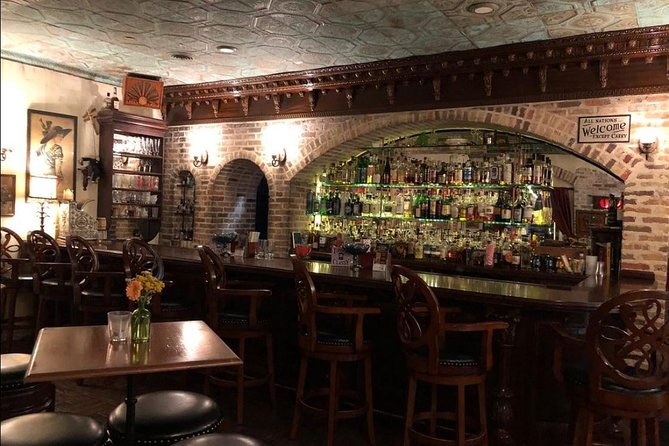
Afterward, you can add a drink at the period speakeasy. One key thing: the speakeasy has different hours, and no alcohol service on Sundays means it switches to mocktails only, so plan your day if you want the real Prohibition vibe.
At $19.78 per person, you’re paying for museum admission (not the extra drinks). I think it’s good value if you like visual storytelling and you’ll actually take time to look at the details, not just speed through.
In This Review
- Key things I’d prioritize at the American Prohibition Museum
- American Prohibition Museum in Savannah: what you’re stepping into
- Price and timing: is $19.78 worth it?
- Stop 1: the museum walkthrough built around major Prohibition set pieces
- The recreated 1918 street scene
- Tent revival energy: Reverend Billy Sunday and the moral pitch
- Carry Nation, hatchets, and the propaganda war
- Lillian M. N. Stephens and the clash of sides
- The dim moonshine scene
- The speakeasy bar setup (then the real drinks later)
- The speakeasy after the tour: hours, wristband rules, and Sunday reality
- How to get into the speakeasy
- Sunday is mocktail-only
- Speakeasy hours during the week
- Guided docents vs pace on your own: where the best value comes from
- Practical tips for a smoother visit (so the artifacts don’t blur together)
- Use a calm pace around interactive rooms
- The tour can feel fast—plan your bathroom break
- If you use hearing aids, bring them
- Wheelchair and elevator notes
- Photo policy and social media tagging
- Who should book this Prohibition museum in Savannah?
- Quick visit checklist (based on the rules that matter)
- Should you book the American Prohibition Museum?
- FAQ
- What does my $19.78 ticket include?
- How long should I plan for the American Prohibition Museum?
- What hours is the museum open?
- What are the speakeasy hours and when does alcohol service apply?
- Can I bring food or drinks into the museum galleries?
- Are service animals allowed?
Key things I’d prioritize at the American Prohibition Museum
- Only museum of its kind: It’s the single American Prohibition Museum in the world.
- 200+ historical artifacts: Expect items like dry propaganda and moonshine-era equipment.
- Costumed docents do the heavy lifting: Guides keep the story moving and add laughs along the way.
- Big, specific set pieces: A recreated 1918 street scene, a tent revival scene, and a moonshine setting.
- Speakeasy is optional, with rules: Wristband required (photo ID), and under-21 can’t go in.
- Crowds can change the vibe: Interactive areas can get packed, so go with a steady pace.
American Prohibition Museum in Savannah: what you’re stepping into
This is not a quiet museum where you politely whisper “wow” at a display case. The American Prohibition Museum is built like a guided production about temperance, public pressure, and the laws that came next.
You’ll start by seeing how Prohibition shaped American thinking for generations, then you’ll move through rooms that recreate the mood of the era. The museum uses photos, murals, videos, and high-tech storytelling elements to connect the dots from propaganda and moral campaigns to the underground economy that followed.
If you’re the type who likes history you can see, this place fits. The facts are there, but they’re delivered with scenes and props that make the arguments feel immediate.
You can also read our reviews of more museum experiences in Savannah
Price and timing: is $19.78 worth it?
Here’s the simple math. The ticket price is $19.78 per person, and museum admission is included. The craft cocktail speakeasy part is not a free add-on, since drinks are for your own expense after the tour.
So the value question becomes: will you spend real time with the museum experience?
With an average duration of about 1 to 2 hours, it’s easy to fit into a day of Savannah walking. But I’d be a little cautious if you tend to skim. Several people recommend giving yourself more time if you want to read labels carefully and also look around again after the guided portion. If you do that, you’re closer to half a day than a quick stop.
Also note the museum schedule: it typically runs from 10:00 am to 5:00 pm (August–March) and 10:00 am to 6:00 pm (April–July), with last entry set for 4:15 pm or 5:15 pm respectively. If you arrive late, you may miss parts, and you definitely don’t want to rush the best scenes.
Stop 1: the museum walkthrough built around major Prohibition set pieces
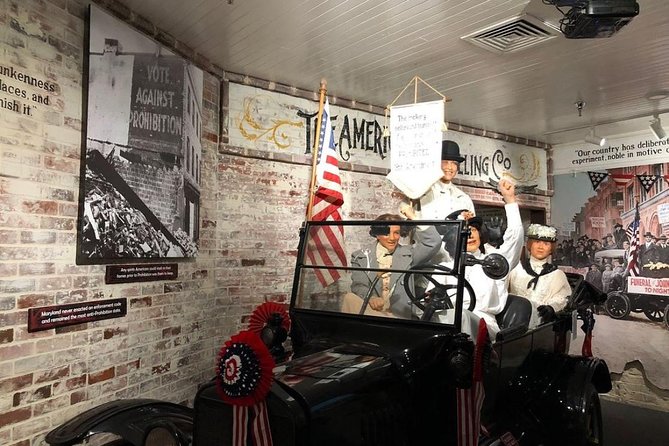
The museum route is structured around standout scenes and collections that explain not only what happened, but how people were persuaded to want it.
The recreated 1918 street scene
Right away, you’re dropped into a recreated 1918 street setting labeled as anywhere in America. That matters because Prohibition wasn’t a single event confined to one city. It was pushed by a broad national mindset that spread through politics, churches, and everyday culture.
In this room, you’ll get a feel for how public life looked when temperance messages were everywhere. It’s an early anchor point that makes later rooms easier to understand.
Tent revival energy: Reverend Billy Sunday and the moral pitch
One of the most memorable scenes is the tent revival setup featuring fire-and-brimstone preacher Reverend Billy Sunday. The point isn’t just that he existed. The point is how religious crusades helped turn Prohibition into a moral crusade, not just a law change.
If you like political theater and propaganda history, this is where the museum does a great job connecting message to outcome. You’ll see how arguments about virtue and social order became persuasive tools.
Carry Nation, hatchets, and the propaganda war
The museum also highlights Carry Nation and her hatchet activism (including hatchet-themed events and confrontations). This section helps explain why Prohibition supporters weren’t only passing laws—they were also performing social control in public.
You’ll also get dry propaganda details and additional campaign themes. The museum wants you to see Prohibition as a fight over culture, not a distant policy.
Lillian M. N. Stephens and the clash of sides
Another named scene focuses on Lillian M. N. Stephens and Adolphus Busch squaring off about the Prohibition debate. This kind of face-to-face story makes the conflict clearer: it’s not just faceless legislation. It’s people arguing over money, values, and power.
If you’ve ever wondered why Prohibition split communities so hard, this part gives you a readable human scale.
The dim moonshine scene
Then you shift from the moral campaign world into the “wilder” side of the era with a dimly lit moonshine scene. This is where the museum acknowledges the result of Prohibition: demand didn’t disappear. It moved underground.
The display includes moonshine-related equipment and the idea of brewing away from legal scrutiny. It’s a strong reminder that banning something rarely removes it. It just changes where it lives.
The speakeasy bar setup (then the real drinks later)
Within the museum experience, you’ll encounter a hidden speakeasy bar setup. It’s part storytelling, part atmosphere, and it sets up what comes next.
The museum’s approach here is clever. It turns what could be a simple “and then there were speakeasies” moment into a whole mood shift. By the time you’re done, you’ll understand why the speakeasy became more than a bar—it became an identity.
The speakeasy after the tour: hours, wristband rules, and Sunday reality
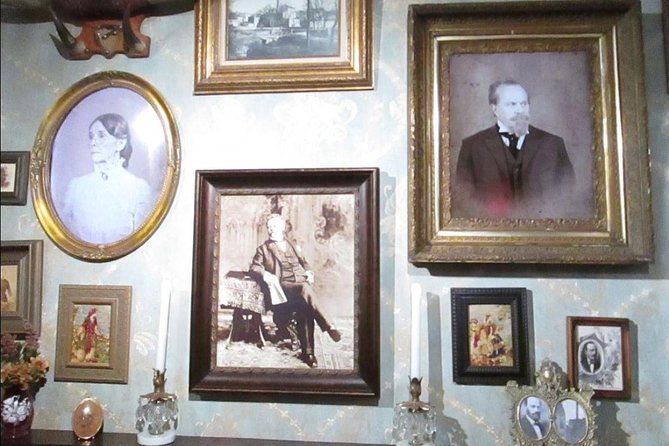
The speakeasy is where you decide how much you want to lean into the theme. Your museum ticket gets you in for the museum. If you want a Prohibition-era drink afterward, that’s an extra purchase.
How to get into the speakeasy
You’ll need to grab a wristband at the door, and the museum requires photo ID for that. There’s also a hard rule: no one under 21 is permitted in the speakeasy.
It’s a small detail that can matter a lot if you’re planning a group day with mixed ages.
Sunday is mocktail-only
For alcohol service, the key is timing. There is no speakeasy service on Sundays, and mocktails are available only. If your plan includes a real era cocktail, don’t book Sunday as your speakeasy day.
Speakeasy hours during the week
The speakeasy runs in evening blocks:
- Wednesday: 5:30 pm to 10 pm
- Thursday: 5:30 pm to 11 pm
- Friday and Saturday: 5:30 pm to 1:00 am
If you’re visiting on a weekday, you’ll want to make sure your museum visit finishes early enough to still enjoy the bar time.
Guided docents vs pace on your own: where the best value comes from
You can experience this museum with a guided approach, and the difference is noticeable.
When you go with a guide, you get a structured walkthrough and a lot of extra context tied to the scenes. Several guides are mentioned by name in people’s experiences, and you can use that as a signal that staff performance is a big part of the value. Names you might see referenced include Tommy, Casey, Marcie, Stephen, Blake, Elijah, and Eric. (There are also bartender mentions like Chandler in speakeasy-focused comments.)
What I think this means for you: the museum has a lot to take in—set pieces, artifacts, and visual media. A good docent helps you prioritize, so you don’t spend your time staring at one display while missing the room that ties the whole argument together.
If you prefer to read at your own pace, you might still enjoy the museum without a guide. But if you tend to want the story in a clear order, plan on choosing the guided format.
Practical tips for a smoother visit (so the artifacts don’t blur together)
Use a calm pace around interactive rooms
Some interactive areas can get crowded, which can make it hard to see and hear. If you’re sensitive to noise or spacing, aim for a slightly earlier entry time when possible.
The tour can feel fast—plan your bathroom break
One common complaint is that the bathroom is at the end of the route. That’s the kind of thing that’s easy to forget until you need it.
My advice: use the restroom before you start, especially if you’re traveling with kids or anyone with mobility needs.
If you use hearing aids, bring them
One practical tip from the experience data: if you wear hearing aids, plan to use them. The museum includes multiple sounds and voices as you move through scenes, so being able to pick up the guide’s narration matters.
Wheelchair and elevator notes
A review described a situation where an elevator wasn’t working, which affected a disabled friend’s enjoyment. I can’t predict whether that will happen on your date, but if elevator access is crucial for you, it’s smart to contact the provider before arrival or build extra flexibility into your day.
Photo policy and social media tagging
You can take photos for personal use (cell phone and video are permitted in the museum). If you share online, the museum asks that you tag with #americanprohibition and @americanprohibition.
Who should book this Prohibition museum in Savannah?
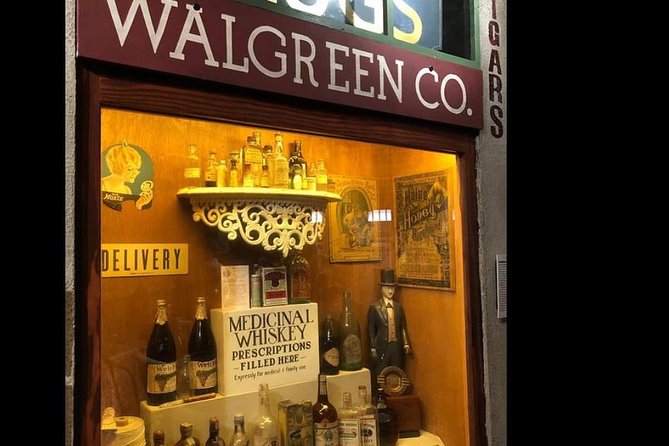
This is a great match if you:
- Like history told with visuals, scenes, and props
- Want temperance and Prohibition explained in plain language
- Enjoy speakeasy-style atmosphere as part of the day
- Are the type who likes artifacts and propaganda details, not just a quick overview
You might want to rethink it if you:
- Want a slow, quiet self-guided stroll with no time pressure
- Are visiting on a Sunday expecting alcohol at the end
- Are very dependent on elevator functionality and don’t have flexibility if something breaks
It also works for many ages in the museum itself. Guests can be in the museum during operating hours, but speakeasy access has age limits.
Children 3 and younger are free, which is a nice perk for families who want a themed history outing without paying for every small kid.
Quick visit checklist (based on the rules that matter)
- Bring a photo ID if you want the speakeasy wristband.
- Don’t plan alcohol at the end on Sundays (mocktails only).
- Start early enough to avoid last-entry stress.
- If you’re doing this with kids, remember the speakeasy has a strict 21+ rule.
- Plan for some crowding in interactive areas.
Should you book the American Prohibition Museum?
Yes, I think you should book it if you want a high-energy, story-first approach to Prohibition that doesn’t feel like a dusty lecture. At $19.78 for museum admission and about 1 to 2 hours on the clock, it’s a solid Savannah stop when you like your history with character.
I’d especially book it if you’re the type who benefits from guided narration—people consistently mention that the docents and bartenders help make the experience fun and clear. Just time your day right for the speakeasy: Wednesdays through Saturdays are your best bet for the full cocktail experience, while Sundays switch to mocktails only.
FAQ
What does my $19.78 ticket include?
Your ticket includes American Prohibition Museum admission. The speakeasy cocktails are not included and are for your own expense after the tour.
How long should I plan for the American Prohibition Museum?
Plan for about 1 to 2 hours for the museum visit.
What hours is the museum open?
The museum is open every day from 10:00 am to 4:15 pm.
What are the speakeasy hours and when does alcohol service apply?
The speakeasy runs Wednesday 5:30 pm–10 pm, Thursday 5:30 pm–11 pm, and Friday & Saturday 5:30 pm–1:00 am. There is no speakeasy service on Sundays, and mocktails are available only.
Can I bring food or drinks into the museum galleries?
No. Food and drinks are not permitted in the museum galleries prior to the speakeasy.
Are service animals allowed?
Yes. Service animals are allowed. Emotional support animals and pets are not allowed.