REVIEW · LONDON
Crash course in archaeology at the British Museum
Book on Viator →Bookable on Viator
Artifacts start making sense fast. In about five and a half hours, you trace how archaeologists built the British Museum collection, with British Museum treasures spanning ancient Egypt, Assyria, Greece, and Rome, then jumping to Vikings and the Aztecs; guide Rossa also explains how hieroglyphs and cuneiform were deciphered.
The pace is fantastic, but it’s not a sit-down show. Plan for plenty of standing, and if your goal is seeing every gallery on a first visit, this won’t cover that.
In This Review
- Key things to know before you go
- Why this British Museum archaeology course works better than wandering
- Rossa’s guiding style: how an archaeologist makes objects click
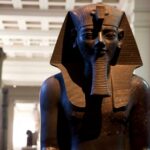
- What you’ll see inside the British Museum: highlights that span continents
- The real payoff: deciphering ancient writing (and why it’s not just trivia)
- The British Museum’s global mix: why Vikings and Aztecs belong in the same lesson
- The 5.5-hour schedule: breaks, chair advice, and how to stay comfortable
- Price and value: is $83.34 worth paying for?
- Who should book this, and who should skip it
- Should you book Crash Course in Archaeology at the British Museum?
- FAQ
- Is the British Museum entry included?
- What’s included in the tour price?
- Is lunch included?
- How long is the tour and what time does it start?
- How many people are in the group?
- Where do I meet the guide?
- Are service animals allowed?
- What is the cancellation policy if I need to change plans?
Key things to know before you go
- A qualified archaeologist guide who explains what you’re looking at and why it matters
- A fast, chronological storyline across multiple civilizations and eras
- Scripts decoded: Egyptian hieroglyphs and cuneiform put into clear context
- Wide geographic range: from Egypt and Assyria to Vikings and the Aztecs
- Breaks built in, including time to sit, grab coffee, and refuel
- Morning start means you keep your afternoon free to explore London
Why this British Museum archaeology course works better than wandering
The British Museum is the kind of place that can swallow a day whole. One minute you’re facing a sculpture, the next you’re lost in a wing you didn’t plan to enter. This tour cuts through that chaos by giving you a spine to follow.
What I like most is that you’re not just collecting facts. You’re learning how the collection got built—through archaeologists, relic-hunters, and explorers—so the museum feels like an evolving story rather than a warehouse of objects. You also get a “read this like a pro” approach to ancient writing. The tour explains how scripts such as Egyptian hieroglyphs and cuneiform were deciphered, which turns those carved symbols from decoration into evidence.
One more thing: the tour is designed for real time pressure. You won’t see everything. You’ll see selected highlights, connected by a clear thread, so your brain stops treating the museum like random rooms of stuff.
The trade-off is simple. If you want the museum experience to be purely self-paced, you may feel rushed. If you want meaning and context, this format is a big win.
You can also read our reviews of more museum experiences in London



Rossa’s guiding style: how an archaeologist makes objects click
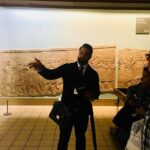
The heart of the experience is the guide, and in this case that’s Rossa, an archaeologist who brings serious background plus storytelling instincts. The difference is not subtle. Instead of quick label reading, you get explanations built around how people lived, what changed over time, and what the objects reveal.
You can also tell the tour has been planned around how visitors actually experience the museum. The pacing moves through exhibit halls in a way that helps you connect themes—civilization, power, trade, everyday life, and knowledge—without needing prior expertise. If you’ve tried self-guided museum visits before, you know how easy it is to walk right past an important piece without realizing it. This guide helps you notice.
Rossa also does something that matters in a huge museum: he gives you reasons to care. You learn how an artifact’s story connects to bigger shifts, like the dawn of cities or the way empires absorbed and spread ideas. That’s why people walk away feeling like they got more than a highlight reel.
If you like learning through narrative, and you appreciate someone who can translate the past into plain language, you’ll probably enjoy the ride more than you expect. The group size cap—25 travelers—helps too. It’s big enough to feel lively, small enough that you’re not one face in a crowd.
What you’ll see inside the British Museum: highlights that span continents
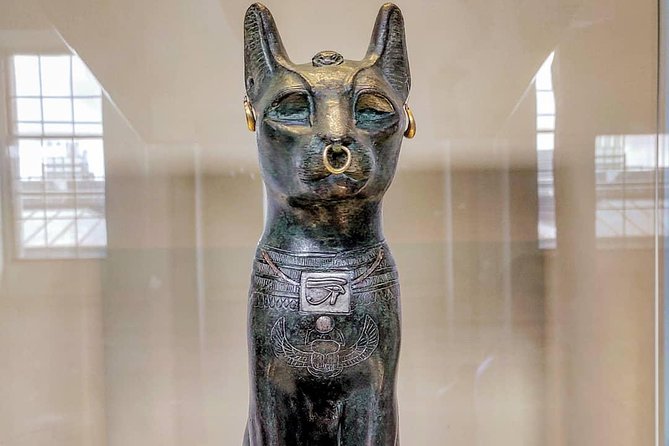
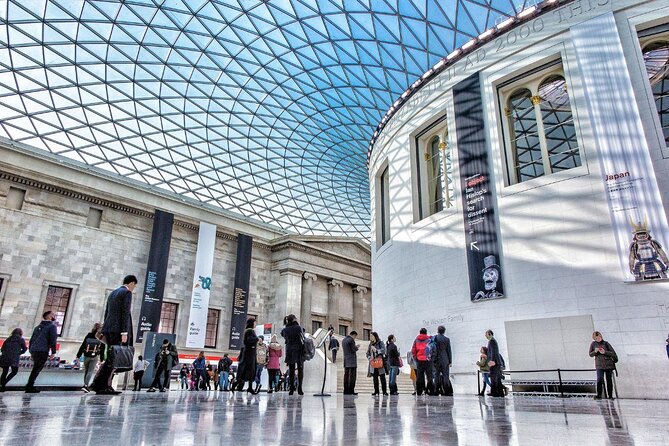
This tour keeps its main stop inside the British Museum itself. So you’re not bouncing between buildings or chasing multiple attractions. You go deeper where it counts: the museum’s major collection areas.
Here’s the range you can expect from the tour’s focus:
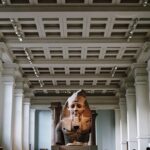
- Ancient Egypt and the tools of understanding it (including the logic behind deciphering hieroglyphs)
- Assyria, including the kind of evidence that shows how states ruled, recorded events, and projected power
- Greece and Rome, with attention to how ideas traveled and how cultures blended
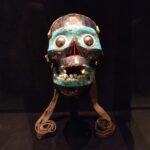
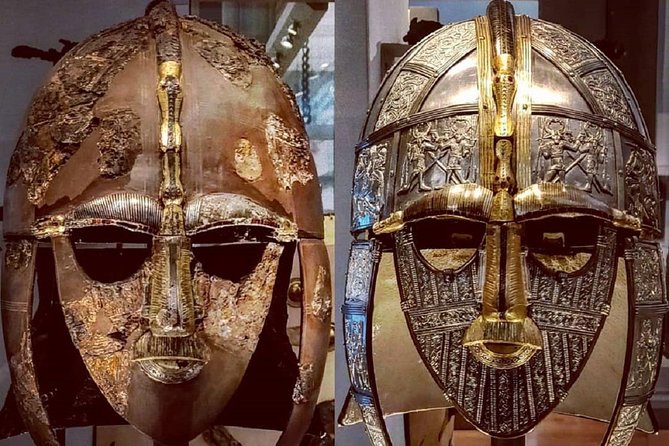
- Vikings and Aztecs, which matters because it shows how the British Museum organizes the global story of human life—not just one region
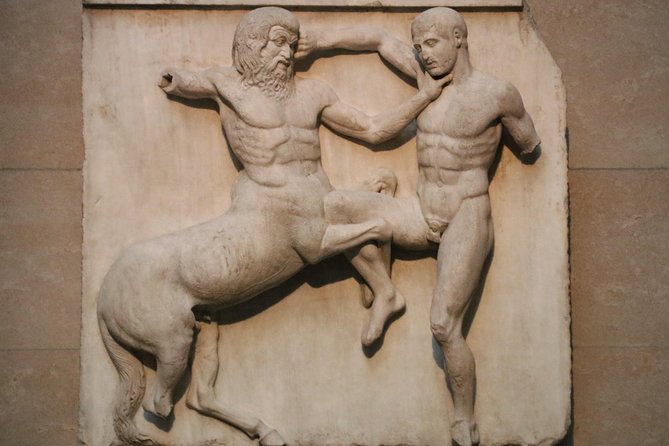
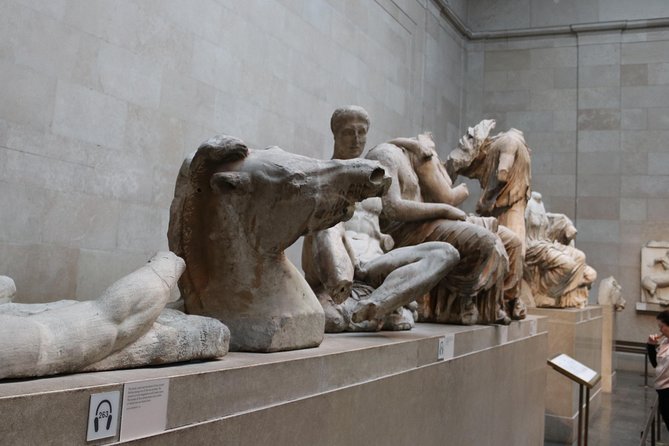
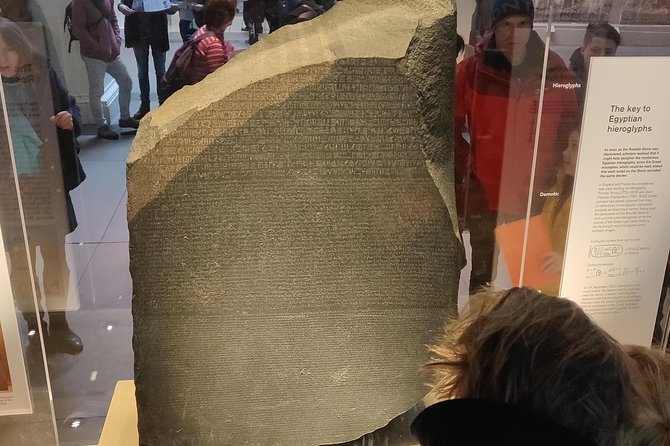
You might also get time spent on specific famous objects and the stories around them. One common mix people mention includes items like the Rosetta Stone, the Elgin Marbles, and the Lewis Chessmen. You may also hear about things tied to excavation and interpretation, including examples such as Jericho digs and other evidence that helps archaeologists build timelines.
A quick reality check: this is not a “see every highlight in one morning” tour. It’s a guided argument for what to look at and how to interpret it. If you try to treat it like a checklist, you’ll miss the point.
The real payoff: deciphering ancient writing (and why it’s not just trivia)
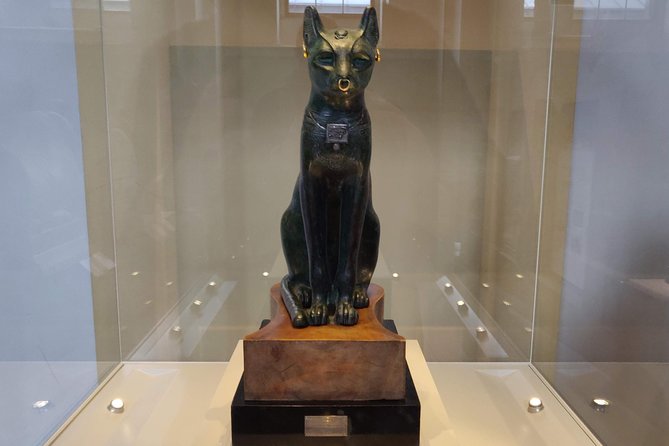
Learning about how hieroglyphs and cuneiform were deciphered is a key part of what makes this tour feel different. A lot of museum tours stop at describing the artifacts themselves. This one gives you the missing layer: how scholars figured out what those signs actually mean.
In practical terms, decipherment is about patterns and comparison. Scripts like Egyptian writing and cuneiform are not random decoration. They’re systems with consistent rules—signs that represent sounds, words, or meanings. To unlock them, researchers compare texts, look for repeating structures, and connect old writing to known historical contexts.
That’s the value for you, even if you never plan to “read” ancient languages. Once you understand how decipherment works, you stop seeing inscriptions as distant mystery. You start seeing them as technical problem-solving that humans carried out—often with partial clues and lots of detective work.
This is also where the archaeologist guide shines. You’re not being handed a trivia fact. You’re being shown a process: how evidence becomes interpretation, how a text shifts from unknown marks into historical information. That changes the way you look at inscriptions in the galleries, and it can make even small carved details feel like they belong to a bigger story.
The British Museum’s global mix: why Vikings and Aztecs belong in the same lesson
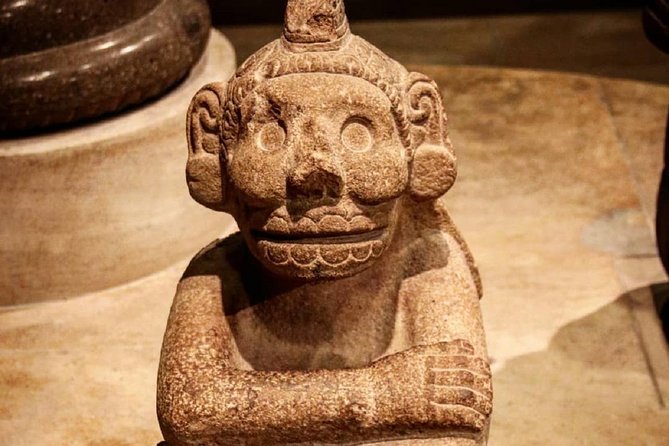
One reason people love this tour is the way it jumps across cultures without feeling random. The British Museum holds objects from many places and eras, and your brain might assume it’s just a geographic collection. This tour reframes it.
When you go from ancient Egypt to Assyria, then onward to Greece and Rome, and later to Vikings and the Aztecs, you begin to understand how human societies evolve through recurring themes:
- how communities organize power
- how knowledge spreads (through trade, conquest, and copying)
- how people record stories and status
- how daily life leaves traces
- how scholars piece together that evidence later
The museum can feel intimidating because the scale is huge and the categories are complex. But a guided tour can turn the building into a learning tool. It helps you see the museum as a place where civilizations speak to each other across time.
This is also where the tour’s “crash course” format works. You’re not expected to master every period. You’re expected to understand the connections between periods and the way archaeologists build narratives from fragments.




The 5.5-hour schedule: breaks, chair advice, and how to stay comfortable
The tour runs about 5 hours 30 minutes with a 9:45 am start. That’s long enough to feel like a real commitment, but it’s also short enough that you’re not spending your whole day stuck in transit. The morning format is a plus: it leaves your afternoon open for other London plans.
The best comfort tip from the experience is simple. The British Museum provides fold-out chairs, and people recommend you grab one early. If standing is hard for you, do it right at the start of the tour rather than waiting until you’re already tired.
You’ll also get built-in breaks. People mention lunch time and the guide watching for coffee and restroom needs. One detail worth knowing: if queues slow things down at the beginning, the guide may adjust time later to keep the tour on track. That kind of flexibility helps the tour feel smoother in a museum where lines can happen.
What should you wear? Comfortable shoes. This is a walking-and-standing experience in a large, floor-to-floor building. Bring a good attitude too. Once the stories start, time can feel fast.
One more practical note: lunch isn’t included. The museum food options can be limited and pricey, so it often helps to bring your own snack or even pack something if that’s your style.
Price and value: is $83.34 worth paying for?
At $83.34 per person, you’re paying for a qualified archaeologist guide and a guided route through major collection areas. The museum’s admission is free, so you’re not paying extra entry fees. You’re paying for interpretation, context, and a plan for where to look.
Is that worth it? For me, the answer depends on what you want from the day:
- If you like museums but hate wandering without direction, paying for this kind of tour usually pays off. You’re buying clarity and saving time.
- If you enjoy slow roaming and long solo stops, you might prefer to explore on your own. In that case, a guided tour could feel like a limitation.
- If you’re the type who enjoys understanding how we know what we know—how objects were found, how meaning was decoded, how timelines are built—this is likely strong value.
The group size matters here too. With a maximum of 25 travelers, you get a “real tour” feel rather than a busload lecture. And with English as the offered language, you’re set for smooth understanding.
There’s also a calendar reality. The tour gets booked about 31 days in advance on average, so popular slots can disappear. If your dates are firm, book sooner rather than later.
Who should book this, and who should skip it
This tour is best for you if:
- you love history, but you want more than label text
- you care about archaeology as a process (how we interpret finds)
- you want a clear narrative thread across multiple civilizations
- you don’t mind standing for long stretches in exchange for context
It may not be the best choice if:
- this is your first-ever British Museum visit and your goal is to see everything
- you need lots of sit-down time and quiet solo wandering
Think of it like this: you’re getting a guided storyline through a few of the museum’s best chapters. You won’t cover the whole book.
Should you book Crash Course in Archaeology at the British Museum?
If you want your British Museum visit to feel organized and meaningful, I’d say yes. This tour is built around the human side of archaeology: how collections were assembled, how scripts were deciphered, and how you connect artifacts to real historical change.
You’ll leave with stronger context for major highlights—Egyptian writing, ancient empires, and the museum’s global perspective. Just go in with the right expectations: it’s not a full-gallery sweep. It’s a focused education in about five and a half hours.
If you can handle standing, show up ready to listen, and plan for lunch on your own, this is the kind of museum tour that can make the building feel understandable fast.
FAQ
Is the British Museum entry included?
Admission is free for the experience, so you don’t need to pay an additional museum entry ticket for this tour.
What’s included in the tour price?
You get a qualified archaeologist guide, plus the guided museum experience itself.
Is lunch included?
No. Lunch is not included, so you’ll want to plan for your own food or a purchase inside the museum.
How long is the tour and what time does it start?
It lasts about 5 hours 30 minutes and starts at 9:45 am.
How many people are in the group?
The maximum group size is 25 travelers.
Where do I meet the guide?
You meet at Russell Square, Bernard St, London WC1N 1LJ, UK, and the tour ends at The British Museum, Great Russell St, London WC1B 3DG, UK.
Are service animals allowed?
Yes, service animals are allowed.
What is the cancellation policy if I need to change plans?
You can cancel for a full refund up to 24 hours in advance of the experience’s start time. If you cancel less than 24 hours before, the amount paid is not refunded.