REVIEW · PARIS
WWI Belleau Wood & Meaux Museum of the Great War Private Day Trip from Paris
Book on Viator →Operated by Paris TRIP · Bookable on Viator
WWI battlefields near Paris still hit hard. This private day trip turns the Western Front into a real walking experience, especially in Belleau Wood trenches and at the American cemetery where you can read missing names. I like that the tour is run with a professional historian guide (names like Max, Nicola, Bertrand, and Regis Piteux come up often), so the sites feel connected instead of random stops. One drawback to plan for: it’s a long day with a lot of on-foot time on uneven ground.
You’ll start with morning pickup in central Paris, then head about 1.5 hours north to the Marne and Aisne area. After a solemn cemetery visit and a trench walk, you’ll add viewpoints at Château-Thierry (including the Cote 204 Monument) and finish with time at the Museum of the Great War in Meaux to make sense of how the war started, how it was fought, and what it left behind.
For the money, this trip is priced like a true private experience: your group gets exclusive time with the guide, plus air-conditioned transport and included admissions for the cemetery site areas and the major WWI stops. If you want WWI history that actually uses the ground as the textbook, this is a strong fit.
In This Review
- Key things I’d plan around
- The Western Front, mapped for one full day
- Morning pickup and the drive north from Paris
- Stop 1: Aisne-Marne American Cemetery and Memorial Chapel
- Stop 2: Belleau’s Devil Dog Fountain and the Marines’ nickname
- Stop 3: Belleau Wood trench walk (the main event)
- Stop 4: Cote 204 Monument in Château-Thierry
- Lunch break: choose your own spot
- Stop 5: Meaux Museum of the Great War (50,000 artifacts)
- Timing, pace, and what to pack
- Price check: is $279 good value for a private WWI tour?
- Guide quality makes a big difference
- Who should book this day trip
- Should you book it?
- FAQ
- How long is the WWI Belleau Wood & Meaux private day trip?
- What time does the tour start and where do I get dropped off?
- Is hotel pickup included?
- What’s included in the ticket price?
- Do I need to pay for lunch?
- Is the tour suitable for people with mobility issues?
- What’s the cancellation window?
Key things I’d plan around
- Private, just-your-group pacing: you don’t get pulled along with strangers, so questions and photo stops stay easy.
- Belleau Wood trench walk: you’ll see preserved traces like trenches, shell marks, and battlefield remains.
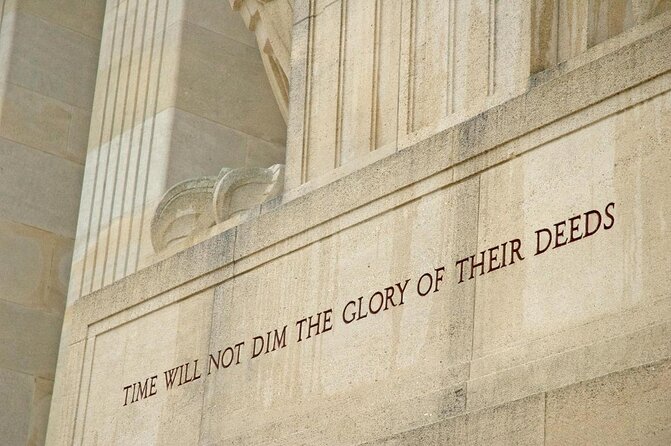
- Aisne-Marne cemetery on foot: it’s designed for reflection, including a chapel built on trench ground.
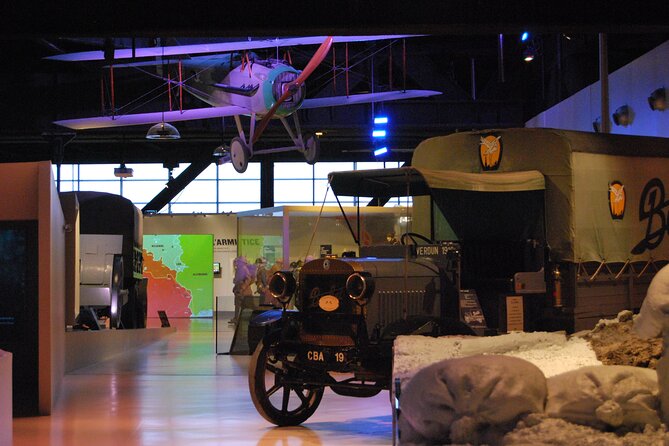
- Meaux Museum time (50,000+ artifacts): a big shift from outdoor sites to objects, uniforms, and documents.
- Lunch is on your own: you’ll want a plan for food so you’re not hungry during the museum window.
The Western Front, mapped for one full day
This tour works because it’s built around a tight geographic story. You’re not bouncing between unrelated towns—you’re moving through the part of northern France where the fighting for Paris and the turning points of the Marne campaigns played out.
The big payoff is how your guide can connect cause and consequence. You begin with the human cost (cemetery and memorial), then you walk the terrain where those battles happened (Belleau Wood). After that, you get the wider context in Meaux, where the war becomes more than names on stones—it becomes how technology, tactics, and national will collided.
You can also read our reviews of more private tours in Paris


Morning pickup and the drive north from Paris
Start time is 7:30 am with hotel pickup in central Paris. The ride is about 1.5 hours north in a comfortable mini-coach, and that matters more than it sounds. This is a full-day schedule, so having transport handled means you spend your energy on the WWI sites, not on trains, transfers, and navigation.
The return is described as a calm, reflective drive back to Paris, with drop-off at Opéra Garnier around 5:30 pm. That early-evening end time is a lifesaver if you still want dinner plans or a show later that night.
Stop 1: Aisne-Marne American Cemetery and Memorial Chapel
This is the emotional center of the day. The Aisne-Marne American Cemetery covers about 42 acres (17 hectares), and it’s laid out for quiet walking and remembrance. Expect row after row of white grave markers, plus a focus on missing soldiers.
The Memorial Chapel is built on top of historic battle trenches, which is a detail that changes how the place feels. Instead of treating the memorial like a separate building, you’re literally standing above ground tied to the fighting. The names of 1,060 missing American soldiers are recorded here, so even if you don’t know a specific relative, you can still grasp the scale of loss.
Practical tip: wear shoes you can walk slowly in. This stop is best taken at a steady pace, with time to read at least some names rather than racing through.
Stop 2: Belleau’s Devil Dog Fountain and the Marines’ nickname
Next you’ll head to the Château de Belleau area for a short stop at the Devil Dog Fountain. It’s in the courtyard of the former stables of the château, and the story matters: the château got destroyed during the war, and later U.S. Marines earned the nickname Devil Dog.
Even though this is a quick visit (about 15 minutes), it’s worth it because it ties the battlefield story to a cultural moment you can recognize. It also gives your legs a breather before the trench walk, which can be the longest part of the day physically.
Stop 3: Belleau Wood trench walk (the main event)
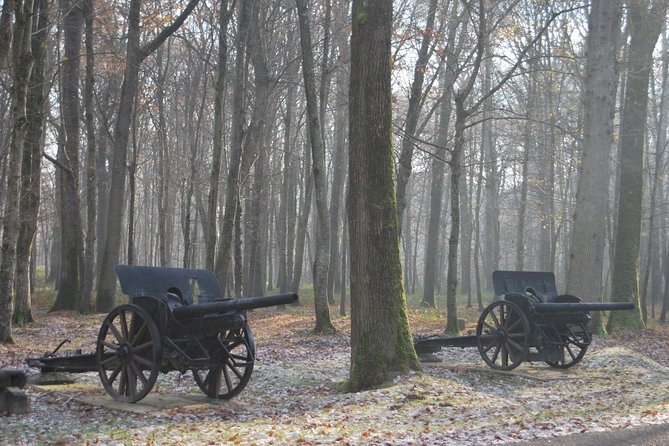
Then comes the heart of the trip: Belleau Wood. This is one of those places where “pictures” don’t really do it justice. The woods may look peaceful now, but the ground still carries marks of fighting—trenches, shell markings, and destroyed structures.
Your guide shares stories about why this battle mattered for Americans and why it’s remembered the way it is. You’re walking while the explanation is fresh, so it helps you build a mental map: where troops moved, where they held, and how the landscape shaped what was possible.
What I like about this stop is that you’re not just looking at monuments. You’re moving through the same general terrain that soldiers once had to cross under fire. That’s what turns the history into something you can feel in your body.
One practical consideration: the grounds can be uneven, so go slow. If you have mobility limits, the tour notes that it’s not recommended for walking disabilities.
You can also read our reviews of more museum experiences in Paris






Stop 4: Cote 204 Monument in Château-Thierry
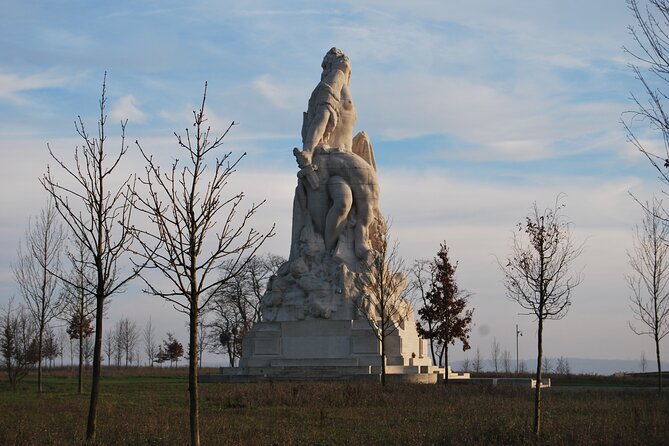
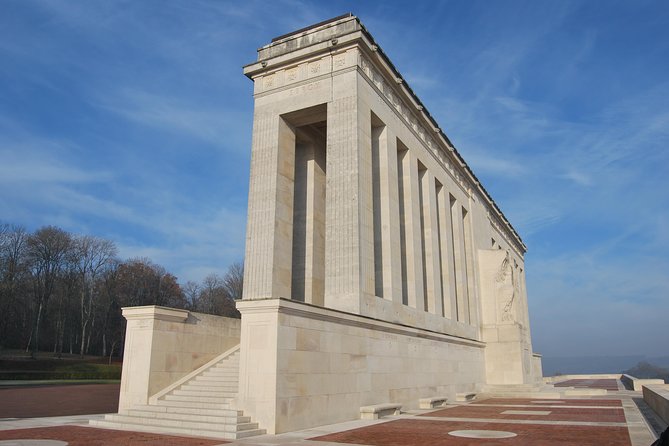
After Belleau Wood, the day shifts toward a more open viewpoint in the Château-Thierry area. You’ll visit the Cote 204 Monument, which commemorates the friendship between the United States and France and recognizes the role of U.S. forces in this region.
The monument sits high above the Marne Valley and nearby Champagne vineyards, so you get a wide view that helps you understand how far these battles stretched. It’s easier to grasp the “why here, why this line” logic when you can see the terrain instead of only reading about it.
This stop also gives you a reset before lunch and the museum. Think of it as your chance to breathe, take photos, and let the morning’s emotions settle before more history kicks in.
Lunch break: choose your own spot
Lunch is on your own expense. That’s not a problem if you treat it like an easy local lunch stop rather than a sit-down quest.
The most common downside with long day trips is getting stuck with a mediocre meal because everyone needs food at the same time. Here, you have some freedom, so you can pick a place that fits your pace.
If your guide offers suggestions, take them. In past outings, guides (including Nicola and Bertrand) have steered people toward lunch stops that reduced tourist crowds. Even if the exact place changes by day, the strategy holds: pick something close to your next leg, not something “best in town” that costs time.
Stop 5: Meaux Museum of the Great War (50,000 artifacts)
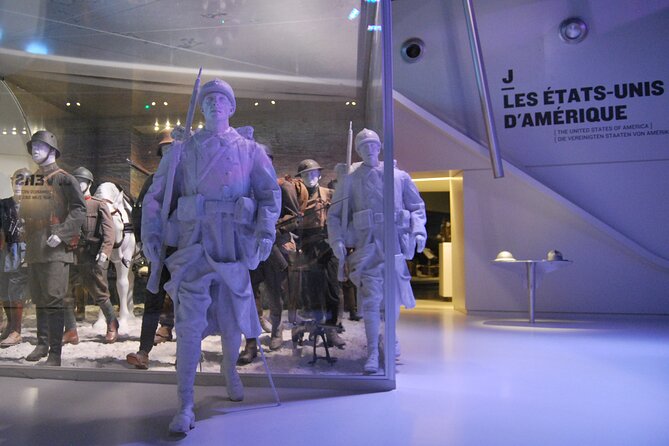
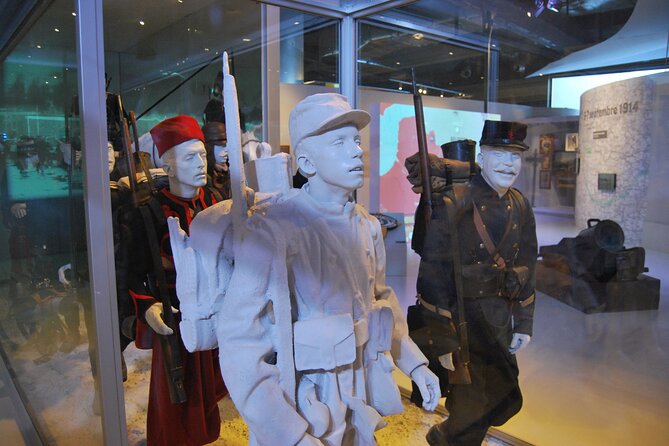
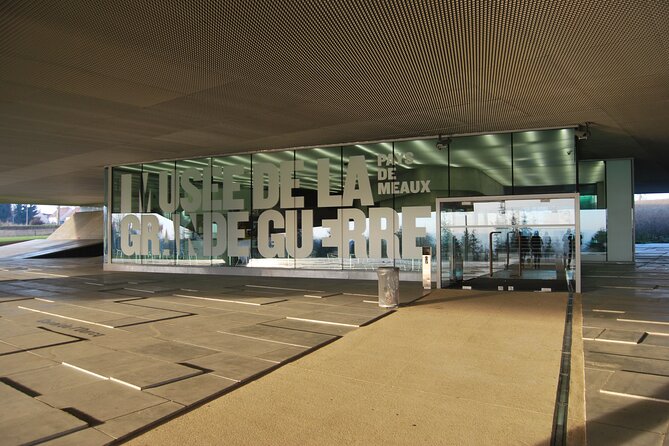
In Meaux, you’ll get the “why and how” layer of the story at the Museum of the Great War. This is where the outdoor stops become clearer. The museum houses more than 50,000 war-related objects, spanning countries involved in World War I.
The best part here is how objects do the explaining. A trench walk tells you about the ground. A cemetery tells you about loss. A museum shows you the machinery, materials, and human decisions behind it all.
Your time at the museum is built into the schedule and includes an entry ticket. You’ll browse and learn about causes, costs, and outcomes of the conflict—so by the time you head back to Paris, you’re carrying more than impressions. You’re carrying context.
Practical tip: if you care about details (uniforms, equipment, daily war life), budget extra attention. Museum time can move faster than you think once you start reading labels.
Timing, pace, and what to pack
This trip is about 10 hours total, give or take traffic and day-of timing. The tour is described as operating in all weather conditions, so pack for rain and for cool morning air.
Here’s what matters for comfort:
- Walking shoes: uneven surfaces are part of the experience.
- Weather layers: you’ll spend meaningful time outside at Belleau Wood and at monuments.
- Water: you’re on your own for lunch and drinks unless specified.
Also, because it’s private, your guide can often manage small breaks better than a group tour can. But the overall structure stays the same: cemetery reflection, battlefield walking, monuments and then a museum block.
Price check: is $279 good value for a private WWI tour?
At $279, this isn’t a budget day trip. But it’s priced like an experience where you pay for control and expertise: private format, air-conditioned transport, and a professional guide.
Here’s the value math I see:
- You get private time with an expert guide rather than sharing commentary with a busload.
- Transport is included from central Paris, with a long-distance day managed end-to-end.
- Major admissions are included: cemetery access (including chapel area) and the museum entry, plus the Cote 204 monument admission.
Your biggest “extra” cost is lunch and drinks, which you control. If you’re comparing this to DIY travel, the tradeoff is clear: DIY can save money, but it costs time and energy (especially when you want guided interpretation at emotionally charged sites).
For couples, small groups, or anyone going specifically because the Marne and Belleau Wood matter to U.S. WWI memory, this is often easier to justify than you’d expect.
Guide quality makes a big difference
The strongest praise in the notes centers on how guides bring the places to life. Names that show up include Max, Nicola, Bertrand, Regis Piteux, and Bertrand Bache. The common thread is storytelling plus on-the-ground context—helping you understand what you’re seeing, not just where it is.
There’s also at least one cautionary story about guide behavior and seat assignment rules. That doesn’t mean the tour is consistently like that, but it does tell you something practical: the private format still relies on the guide to manage group logistics. If you have strong needs around seating or pace, mention it early so expectations are clear.
Who should book this day trip
You’ll probably love this if:
- You want a WWI day trip with U.S.-connected focus (American cemetery, Belleau Wood, U.S. role in the Marne area).
- You like history that uses the ground itself—trenches and monuments with context.
- You prefer a private setting over crowds, especially at solemn places.
You might reconsider if:
- You need a very light walking day, because the schedule includes trench-ground and uneven surfaces.
- You want fully flexible timing. The day is structured, and the museum stop is time-boxed.
Should you book it?
I’d book this if you’re serious about seeing Belleau Wood and the American memorials and you want your time with an expert guide rather than trying to piece together meanings on your own. The itinerary is built in a smart order: cemetery first (human cost), battlefield next (terrain and story), monuments in between (friendship and alliances), then the museum last (cause and consequence).
One more sanity check: bring realistic energy. This is not “museum and photos only.” It’s walking, reading, and paying attention for hours. If you’re ready for that, the trip offers the kind of day that stays with you long after you’re back in Paris.
FAQ
How long is the WWI Belleau Wood & Meaux private day trip?
The day trip runs about 10 hours (approx.). The exact length can vary depending on traffic and the time of day.
What time does the tour start and where do I get dropped off?
Pickup starts at 7:30 am. You’re returned to Paris with drop-off at Opéra Garnier in the early evening, around 5:30 pm.
Is hotel pickup included?
Yes. The tour offers morning pickup at your central Paris hotel.
What’s included in the ticket price?
Transport by an air-conditioned vehicle, a professional guide, and admission tickets for key sites are included. The cemetery stop (including the chapel area) and the Museum of the Great War, along with the Cote 204 monument admission, are listed as included.
Do I need to pay for lunch?
Lunch is not included. Food and drinks are generally not included unless specified, so plan on paying for your own meal.
Is the tour suitable for people with mobility issues?
The tour notes that it is not recommended for those with walking disabilities due to uneven surfaces.
What’s the cancellation window?
You can cancel for a full refund up to 24 hours in advance of the experience’s start time. If you cancel within 24 hours, the amount paid is not refunded.