REVIEW · PARIS
Skip-The-Line Centre Pompidou Paris Guided Museum Tour – Semi-Private 8ppl Max
Book on Viator →Operated by Babylon Tours Paris · Bookable on Viator
Modern art moves fast at the Pompidou. This semi-private tour mixes skip-the-line entry with a guide who puts major movements and artists in order, plus the building itself is part of the show.
I especially like the small group size (up to 8) because you can ask questions and keep a steady pace without feeling rushed. I also like that the route covers both art and the museum’s weirdly brilliant design, including Renzo Piano’s inside-out concept and stops tied to big names like Picasso, Matisse, Warhol, and O’Keefe.
One thing to consider: this tour is not for people using a wheelchair or with walking disabilities, and you’ll still face security checks (even with skip-the-line access). Also, some rooms can be quiet or restrict speaking, so you’ll need to follow your guide’s cues.
In This Review
- Key things to know before you go
- Pompidou at 5:00 PM: why the start time matters
- Semi-private max 8: better questions, better pace
- Skip-the-line access: what it covers (and what it won’t)
- The Pompidou building tour: Renzo Piano’s inside-out design
- Stop-by-stop style walkthrough: from cubism to pop art
- World Wars and Dada: how the museum reframes chaos
- Dubuffet’s winter garden and multimedia galleries
- What the $75 price really buys you
- What’s not included (and how to plan smart)
- Practical tips before you head to the meeting point
- Who should book this Pompidou tour?
- Should you book this Pompidou skip-the-line tour?
- FAQ
- How long is the Pompidou guided museum tour?
- Is the admission really skip-the-line?
- What’s the maximum group size?
- Where does the tour meet and end?
- What time does the tour start?
- What’s included in the ticket price?
- Are temporary exhibitions included?
- Is the tour wheelchair accessible?
Key things to know before you go
- Semi-private max 8: a calmer pace than big-group museum tours
- Skip-the-line admission: you avoid the worst entry bottlenecks, though security lines can still happen
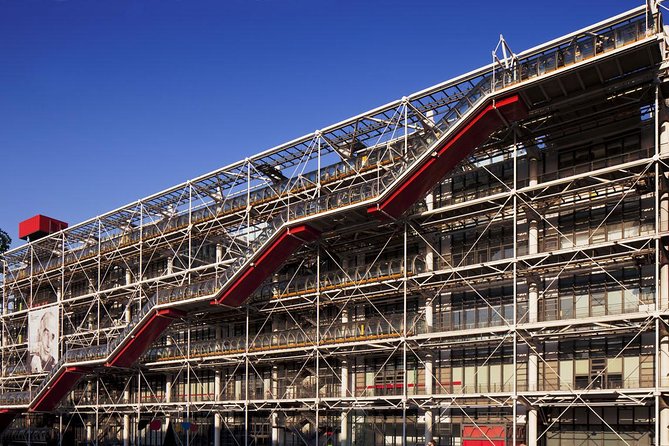
- Architecture included: Renzo Piano/Richard Rogers’ design is explained as part of the visit
- Big art movements, in context: cubism, futurism, dada, pop art, and more, tied to artists
- Dubuffet’s winter garden + multimedia galleries: you’ll get more than just painting rooms
- Small bag rules: large bags don’t go in, so travel light
Pompidou at 5:00 PM: why the start time matters
Starting at 5:00 pm can be a smart choice at the Pompidou. Museums can feel overcrowded earlier in the day, and a later entry often means you spend more time looking and less time waiting. The tour runs about 2 hours 30 minutes, so you’ll still cover a lot before things wind down.
You’ll also walk a fair bit. The tour asks for moderate physical fitness, and the Pompidou is not one of those “sit for 10 minutes, walk for 5” museums. If you’re the type who likes to stop often, you’ll want to keep an eye on your energy level so you don’t feel behind the group.
You can also read our reviews of more guided tours in Paris



Semi-private max 8: better questions, better pace
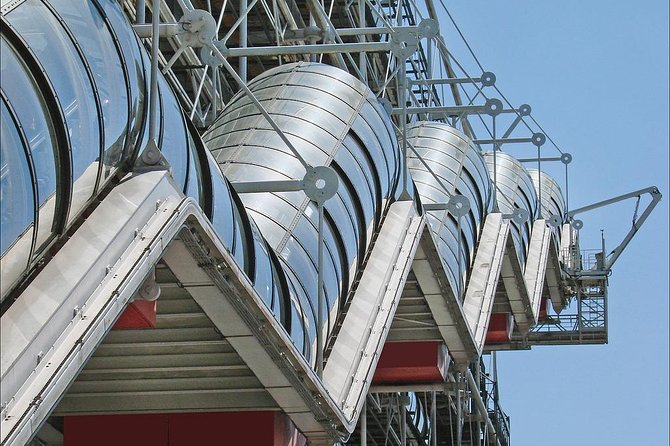
A group capped at 8 people is the real reason I’d choose this format. In a small group, your guide can actually track what you’re curious about—especially if you like modern art but want a map through it. In the feedback I saw, guides named Sunday, Belen, and Emma get mentioned for making the museum feel approachable, even for teens.
That matters because modern and contemporary art can feel like a code you’re supposed to crack. A good guide doesn’t just name the artist; they explain how the ideas connect—Cubism to Picasso, Fauvism to Matisse, Dada to World War-era chaos, then Pop Art when Warhol takes center stage. In a small group, it’s easier to ask about the “why” and not just the “what.”
Skip-the-line access: what it covers (and what it won’t)
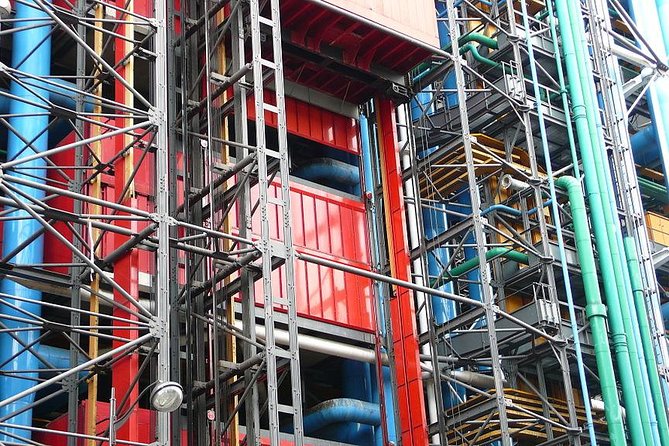
This tour includes skip-the-line admission, which is worth it at a museum like the Pompidou. Still, the Pompidou and other Paris attractions use security screening, and the info you get ahead of time is clear: lines can form even with skip-the-line or no-wait access.
Plan for the reality of modern museum security. There are strict rules: no large bags or suitcases, and only handbags or small thin bag packs are allowed through security. If you’re traveling with a bigger bag, you’ll spend time solving that before you even get into the galleries—time you’d rather put toward looking.
Also note the tour includes a heads-up about quiet rules in some rooms. In places where speaking is restricted or the atmosphere is meant to stay silent, your guide will tell you before entering so you don’t get surprised.
The Pompidou building tour: Renzo Piano’s inside-out design
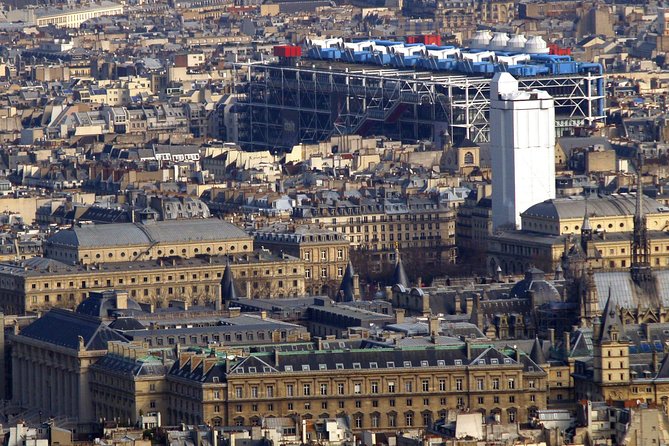
At the Pompidou, the building is not a backdrop—it’s part of the story. Your tour starts at Centre Georges Pompidou (75004) and you’ll learn how the architecture works as an idea, not just an exterior.
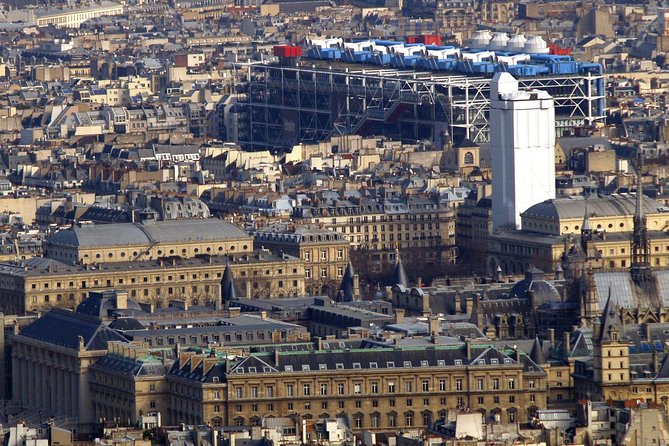
Renzo Piano’s design (with Richard Rogers) is known for flipping the usual museum layout: utilities and structural elements feel like they’re on display, and the color-coding helps you read the place like a diagram. Even if you’re not an architecture person, this explanation gives you a mental map. When you understand how the building is organized, the art floors stop feeling like random wandering.
This is also where the tone of the tour clicks. You’re not just being herded from room to room. You’re learning how the Pompidou’s concept—its outside/inside logic—connects to the art inside.
Stop-by-stop style walkthrough: from cubism to pop art
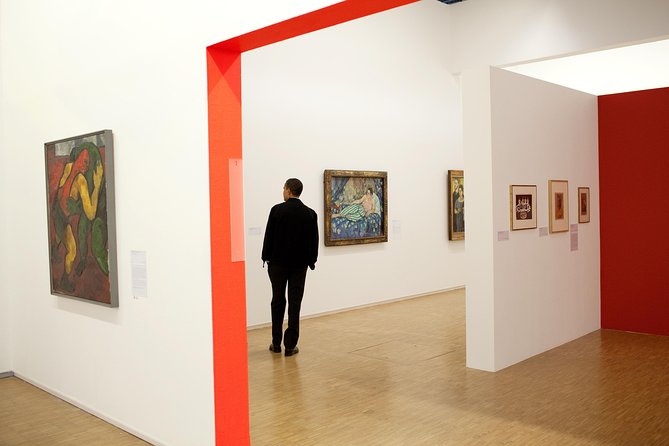
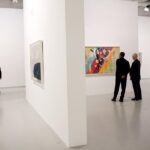
The core of your tour focuses on the Pompidou’s modern and contemporary permanent collections. Temporary exhibitions are not included, so what you see is the museum’s long-running “greatest hits” approach rather than anything changing weekly.
You’ll get a guided timeline of major movements. The tour highlights include discussions of:
- Cubism and Fauvism, tied to artists like Picasso and Matisse
- The art produced around and after World Wars, with context for Dada
- The 1950s and swinging 1960s, including Pop Art and Andy Warhol
One helpful detail is how your guide is supposed to connect the art to the big historical shifts. Modern art doesn’t always feel “logical” on first glance. A guide who explains what people were reacting to—war, technology, mass culture—helps you see why the styles look so different.
In some visits, you might also hear names mentioned like Mondrian, Pollock, and O’Keefe. Even if not every artist appears on your exact route, the tour’s theme is consistent: you’ll be moving through the evolution of modern ideas, not just collecting a list of famous titles.
You can also read our reviews of more private tours in Paris




World Wars and Dada: how the museum reframes chaos
A lot of modern art tours skip the emotion and go straight to facts. This one aims to make the periods feel understandable, especially when you hit the eras linked to the World Wars. You’ll get time for the surreal, conceptual side of the collection while your guide explains Dada, a movement that grows from a world that suddenly makes no sense.
The benefit here is mental context. Dada can look like “anything goes” if you don’t know what it was answering. With the guide’s explanation, it becomes easier to spot the intention—how artists used shock, randomness, and rejection of traditional taste to critique the culture that produced catastrophe.
And because the group is small, you can ask follow-up questions if something feels too abstract. That’s one of the biggest advantages of a semi-private tour over a busier large-group option.
Dubuffet’s winter garden and multimedia galleries
Not every museum highlights the “in-between” spaces. Here, you’ll also see Dubuffet’s winter garden and visit the multimedia galleries. That’s a big plus because it breaks the pure painting rhythm that can make modern art feel heavy after an hour.
The winter garden is described as part of the tour’s highlights, which is important. It’s not just an aesthetic pause—it’s another layer of how the Pompidou turns the building into an experience. And multimedia galleries add variety in how information is presented. Sometimes you need visual context, timelines, or interpretive framing to understand what you’re looking at.
You’ll also get guidance on etiquette in quieter areas, since the tour notes some rooms are very quiet or restrict speaking. That doesn’t make it less fun; it just means you’ll be in the right mindset to focus.
What the $75 price really buys you
At $75 for about 2.5 hours, the value comes from three things being bundled together:
1) Skip-the-line admission
2) A professional guide
3) All entrance fees included
Entrance fees and guided time are the two items that are hardest to replicate “on your own” without planning. If you were to DIY, you’d be spending your effort figuring out which floors and themes matter most and how to structure it so you don’t feel lost.
The semi-private cap is also part of the price logic. You pay more than a large group, but you get a better conversation flow and a more readable route—especially valuable at the Pompidou where you can easily wander into too many rooms.
What’s not included (and how to plan smart)
This tour is straightforward about what’s missing. Hotel pickup/drop-off isn’t included, so you’ll need to get yourself to Centre Georges Pompidou. The tour suggests using Uber or a taxi, which is often the easiest option in Paris when you’re dealing with evening traffic and tight drop-off zones.
Also excluded: temporary exhibitions. That’s not a deal-breaker, but it’s a reason to set expectations. This tour is built around permanent collections and the museum experience around them.
Gratuities are also not included. That’s normal for guided tours, and it means you’ll decide what feels fair based on guide performance.
One more practical note: the Pompidou may have occasional closures without warning from the museum. If opening is delayed by more than 1 hour from the tour start, the provider says they’ll offer an appropriate alternative, but refunds or discounts aren’t promised in those cases.
Practical tips before you head to the meeting point
Your meeting point is Centre Georges Pompidou, 75004 Paris, and the tour starts at 5:00 pm. The activity ends back at the meeting point, so you can plan dinner afterward without a long transit puzzle.
Two prep steps make the day smoother:
- Bring (and be ready to share) a mobile phone number with country code when booking.
- Travel light: no large bags/suitcases, only a handbag or small thin bag pack for security.
Dress matters too. The tour notes appropriate dress is required for entry into some sites. It doesn’t say anything ultra-specific, so I’d keep it simple: comfortable shoes, layers if it’s chilly, and nothing that might look too casual for a museum space.
Finally, the tour is labeled near public transportation, so if you prefer Metro/RER, you’ll still have easy options to reach the area.
Who should book this Pompidou tour?
This works best for you if you want:
- a guided route through modern and contemporary art without spending your brain on planning
- a small group that doesn’t feel like a lecture line
- explanations of how art movements connect, not just famous artist names
It also sounds like it can work for families and teens. In the feedback, one guide is singled out for using a conversational style that helped teenagers enjoy contemporary and modern art. If your group includes younger visitors who usually tune out at museums, this tour’s structure is built for attention.
Skip it if you use a wheelchair or have walking disabilities, since the tour is stated as not available for those needs. And if you hate any walking and museum stairs, you may find it more effort than you want for only one stop.
Should you book this Pompidou skip-the-line tour?
I’d book it if you’re going to the Pompidou and you want the place to make sense fast. The combination of skip-the-line admission, a max 8 group, and a guide-led walkthrough of big movements is strong value at $75, especially when entrance fees are included.
I’d also consider it if you like art but get frustrated by modern pieces that feel disconnected. This tour aims to connect the dots—Cubism to artists like Picasso, Fauvism to Matisse, Dada to the era’s upheaval, then Pop Art with Warhol. You leave with a timeline in your head, not just photos on your camera roll.
If you’re the type who loves wandering with zero structure, you might prefer a DIY visit with museum maps. But if you want to understand what you’re seeing and get your bearings fast, this is the kind of tour that turns confusion into curiosity.
FAQ
How long is the Pompidou guided museum tour?
The tour lasts about 2 hours 30 minutes.
Is the admission really skip-the-line?
Yes, the tour includes skip-the-line admission, though the information also notes that security checks and some lines can still happen.
What’s the maximum group size?
This is a semi-private tour with a maximum of 8 guests.
Where does the tour meet and end?
It starts at Centre Georges Pompidou, 75004 Paris, France and ends back at the same meeting point.
What time does the tour start?
The listed start time is 5:00 pm.
What’s included in the ticket price?
Included are the semi-private skip-the-line museum tour, a professional guide, the duration (2.5 hours), and all entrance fees.
Are temporary exhibitions included?
No. Temporary exhibitions are not included.
Is the tour wheelchair accessible?
No. The tour is not available for those with walking disabilities or using a wheelchair.