REVIEW · CALGARY
Calgary: Gasoline Alley Museum Admission
Book on GetYourGuide →Operated by Heritage Park Historical Village · Bookable on GetYourGuide
Cars, pumps, and stories you can walk through. Gasoline Alley Museum turns Calgary into a quick time trip from the early 1900s into the 1950s, with restored automobiles and working-vehicle style displays that make the evolution feel real. I especially love the mix of antique gasoline pumps and petroleum signage—it’s the kind of detail you don’t see in standard car museums. The one thing to consider is that this ticket covers Gasoline Alley Museum only, so if you’re hoping to roam the whole Heritage Park Historical Village, you’ll need to plan for that separately.
What makes the stop worth it is the way the exhibits connect machines to daily life: you’re not just looking at shiny cars. I also appreciate the on-site interpreters/volunteers, who help you understand what you’re seeing without turning it into a lecture. The drawback for some people: at $10, it’s a focused museum experience, not a full-day mega-attraction—so come with curiosity, not just a checklist.
In This Review
- Key things I’d prioritize here
- Gasoline Alley Museum in Calgary: where cars meet petroleum history
- Classic cars and working vehicles from the early 1900s to the 1950s
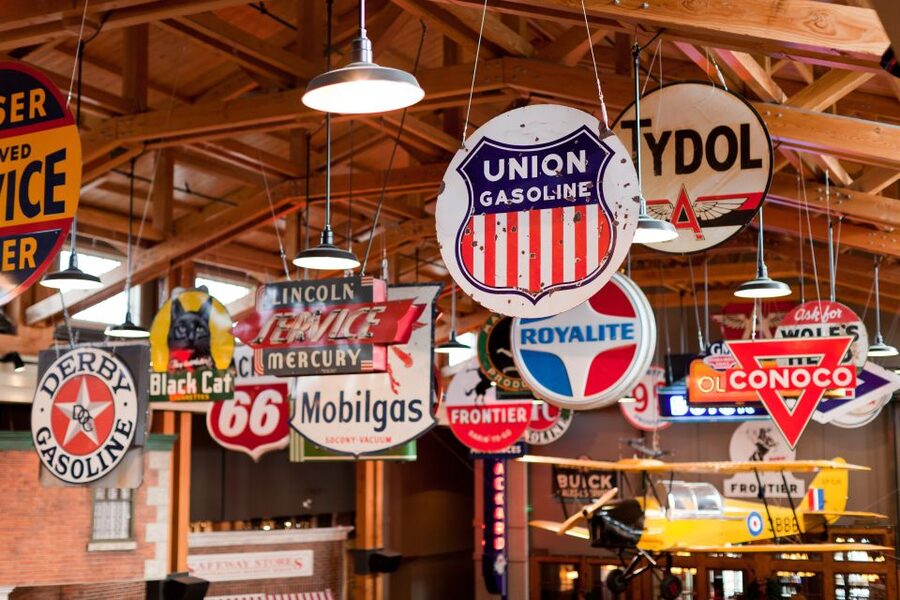
- The antique gasoline pump collection and old company signage
- How the museum connects motoring to social change
- Don’t miss the lower showroom
- Value for $10: how to judge if this is worth your day
- How it fits with Heritage Park Historical Village (especially by season)
- Location and getting there: 1900 Heritage Dr SW
- What to do with your time once you arrive
- Who should book this admission
- Should you book Gasoline Alley Museum admission?
- FAQ
- Where is the meeting point for Gasoline Alley Museum admission?
- How long is the admission valid?
- What’s included with admission?
- What isn’t included in the ticket?
- Are pets allowed?
- Is the museum wheelchair accessible?
Key things I’d prioritize here
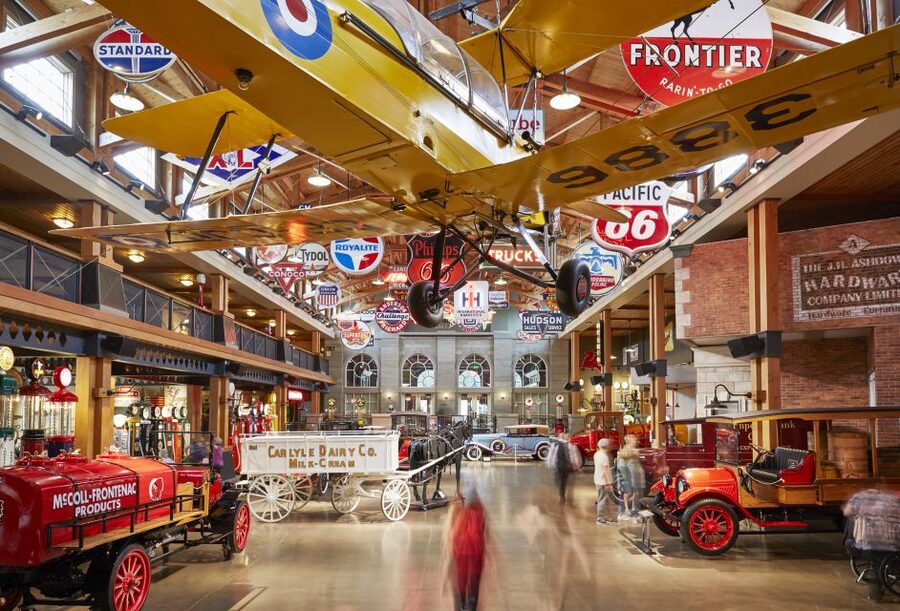
- Restored classic vehicles spanning the 1900s through the 1950s
- Antique gasoline pumps plus plenty of petroleum company signage
- Automobile history told in plain language, including the shift from horse and carriage to motor cars
- Very old automobile artifacts, including pieces from before WWII
- A second stop in the lower showroom with more artifacts to keep you moving
- Family-friendly setup with enough to hold kids and adults at the same time
Gasoline Alley Museum in Calgary: where cars meet petroleum history
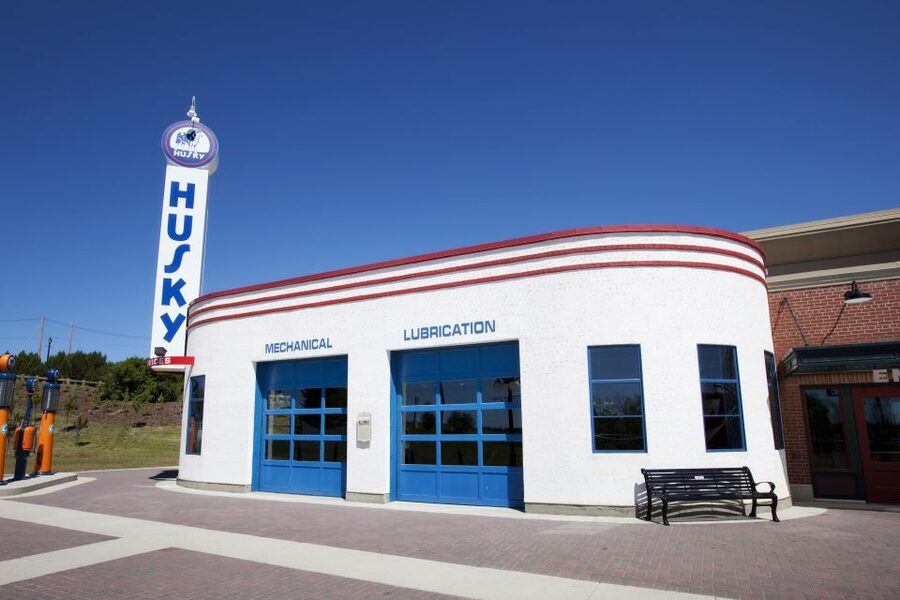
Gasoline Alley Museum is part of Heritage Park Historical Village, but it feels like its own clear mission: show how the automobile arrived, spread, and reshaped North American life. You’re looking at displays tied to early motoring—classic cars, trucks, and working vehicles—plus the fuel world around them. That combination matters, because cars didn’t just change transportation. They changed schedules, jobs, neighborhoods, and even what roadside life became.
You’ll also notice the museum is set up to be approachable. It’s wheelchair accessible, it’s family-friendly, and there are interpreters on site. In other words, it’s not only for car buffs with encyclopedic trivia. If you like practical history—how technology changes ordinary people—you’ll have a good time.
And yes, it’s a real value at $10 per person for a 1-day admission. It’s not priced like a blockbuster attraction, and the exhibits are specific enough that you’ll feel your money translate into things you can see up close.
You can also read our reviews of more museum experiences in Calgary

Classic cars and working vehicles from the early 1900s to the 1950s
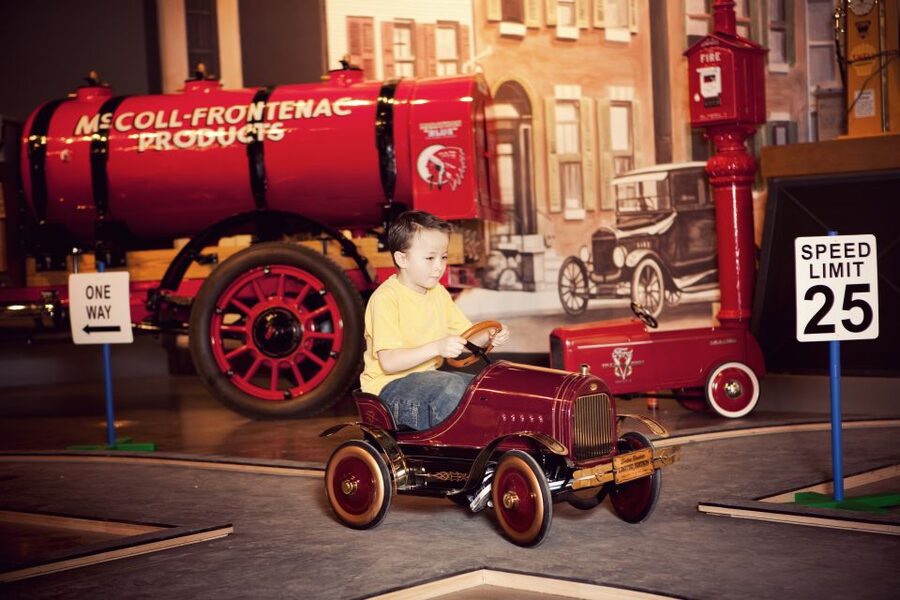
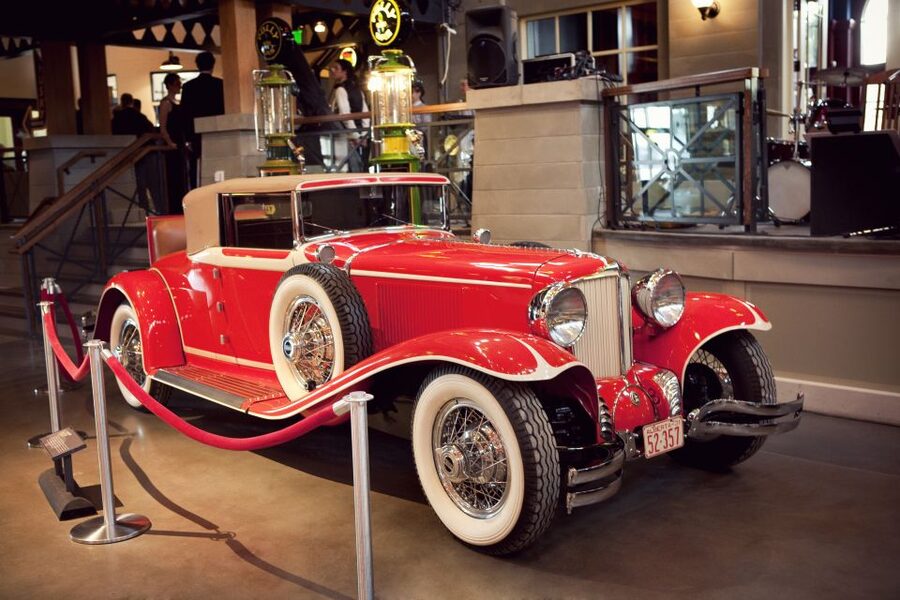
The core of the experience is the vehicle collection. You can expect classic automobiles, trucks, and working vehicles from roughly the 1900s through the 1950s, with many displays presented as restored and curated examples. This era range is smart: it covers the time when motoring went from novel to normal.
When I look at a collection like this, I want two things: variety and context. You get variety because you’re not stuck with one kind of car. And you get context through the museum’s story focus—how the automobile became popular and what that meant for everyday life.
A bonus point is the display of some very old automobile artifacts, including items from before WWII. That early material adds perspective fast. It reminds you that what looks like classic nostalgia is rooted in real engineering and real change that happened long before many people today were even born.
Practical thought: give yourself room to wander. The exhibits are arranged so you can keep moving from one display to another without feeling rushed, but you’ll still want a slow pace if you like reading the signage and looking closely at details.
The antique gasoline pump collection and old company signage
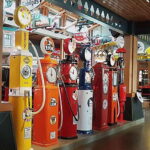
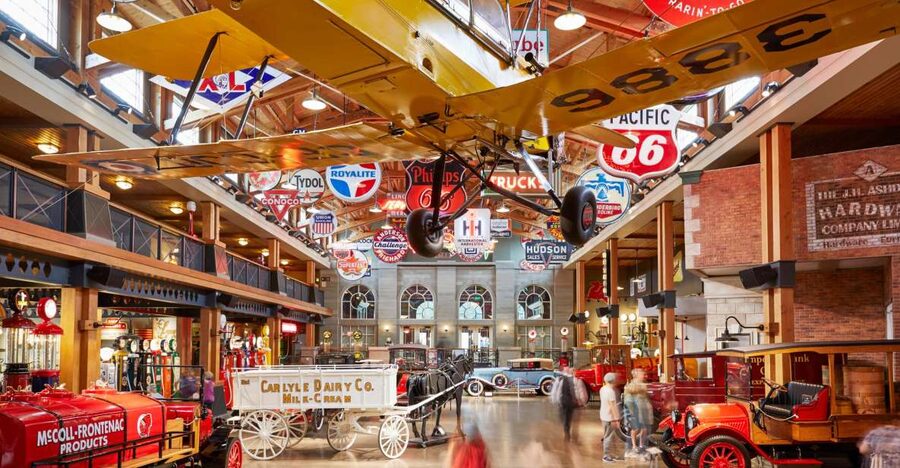
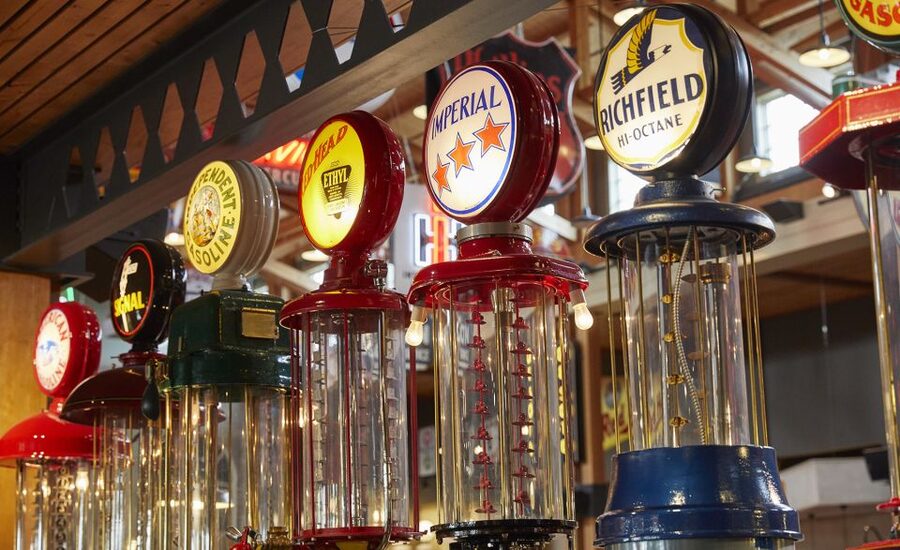
If the cars are the headline, the gasoline world is the hook. Gasoline Alley has a standout collection of antique gasoline pumps and a large set of historic signage from petroleum companies. This is where the museum becomes more than a museum about cars; it turns into a museum about the infrastructure that made cars convenient.
The pumps and signs are worth your attention for two reasons:
- They show the branding and design language of the fuel industry at the time. When you see the typography, the color, and the shapes, you can almost picture how drivers and families experienced refueling as a routine stop, not a chore.
- They give you a tangible link between the technology in your driveway and the technology at the roadside.
And because these items are so physical—pumps you can look at, signs you can study—you’ll likely enjoy this even if you’re not a hardcore car person. You might start by “just checking out the pumps,” and then find yourself spending extra time reading.
How the museum connects motoring to social change
One of the best parts of Gasoline Alley Museum is that it doesn’t treat the automobile like a sealed-off machine story. It explains the transition from horse and carriage to motor car and talks about the far-reaching social changes that followed.
That matters for your visit because it changes how you interpret what you see. A restored vehicle becomes evidence of a bigger shift, not just a collectible object. You’re essentially walking through cause and effect:
- Cars required different infrastructure and habits.
- Fuel distribution grew into a business and a visual presence.
- The rhythm of daily movement shifted—people, goods, and services could reach new places with different expectations.
So as you move through the exhibits, I recommend pausing and asking yourself a simple question: what would this have changed for ordinary people in 1910, 1930, or 1950? If you do that, the museum clicks into place.
Don’t miss the lower showroom
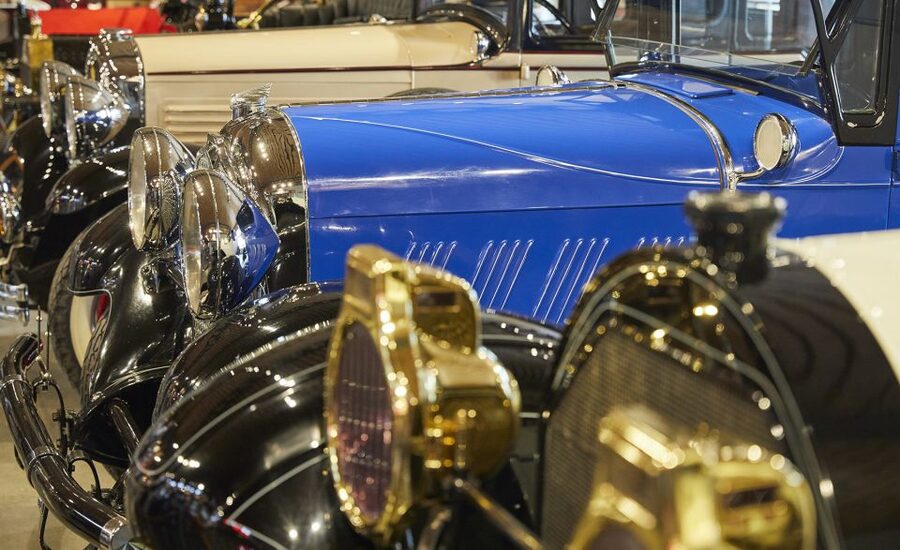
There’s more than one area to explore. Be sure to visit the lower showroom, which offers additional incredible artifacts. That second level (or lower area) is easy to overlook if you rush, and it’s one of the reasons I’d call this a smart add-on day activity rather than a quick stop.
Here’s what makes that lower showroom important: it increases the variety of what you’ll encounter. When a museum has a second area with more artifacts, it typically means the collection is broader than the first room suggests. In Gasoline Alley’s case, it fits the overall idea—vehicles plus petroleum tools, plus the story connecting them.
If you like your museum experiences to feel complete, plan on doing the upper displays first and then deliberately going downstairs. Take a moment there to slow down. Let the additional artifacts “finish the thought” that the first area started.
Value for $10: how to judge if this is worth your day
Let’s talk value in a practical way. At $10 per person for about a 1-day visit, you’re paying for admission to a focused museum: classic automobiles, antique pumps, and interpretive storytelling from interpreters on site.
This is usually a good value if:
- You enjoy hands-on-feeling displays and visual details like old signage and fuel pumps.
- You’re curious about how transportation technology changes society.
- You want something family-friendly that doesn’t require expert knowledge.
It’s less of a value if:
- You only want the biggest name cars and are tired of reading labels.
- You were hoping this ticket covers the whole Heritage Park Historical Village.
So the best way to think about the price is this: you’re buying access to a specific theme. If that theme is your thing, $10 feels fair. If you want multiple attractions in one place, you’ll likely spend more in addition to this admission.
How it fits with Heritage Park Historical Village (especially by season)
Gasoline Alley Museum sits inside Heritage Park Historical Village, and the relationship changes a bit depending on when you go. Gasoline Alley Museum is open year-round, while the other Heritage Park Historical Village attractions close from mid-October to mid-May. That means your plan is simpler in winter and early spring: you can still get the museum experience even when many village attractions are shuttered.
In summer months, Gasoline Alley Museum is included with the general admission to Heritage Park Historical Village. So if you’re visiting during summer and you’re already paying for the village, you may get more value by bundling your plans.
If you’re traveling during the off-season, this can be especially appealing because you’re not stuck choosing between the museum and the rest of the park. You still get the car-and-pump story year-round.
Location and getting there: 1900 Heritage Dr SW
You’ll find the museum at 1900 Heritage Dr SW, Calgary, AB T2V 1R1, Canada. If you’re using public transportation, there’s a shuttle bus available from the Heritage LRT Station.
That detail matters because parking can be its own small adventure in popular attractions zones. If you plan to transit, map out the shuttle so you arrive without rushing. Also, since the museum experience is roughly 1 day and you’ll want time to move slowly through the displays, give yourself a comfortable buffer for getting to the entrance.
As for rules: pets are not allowed, and alcohol and drugs are not allowed. If you’re traveling with a pet or planning food-and-drink time, it helps to know that food and drinks aren’t included with your museum admission, so plan to handle meals separately.
What to do with your time once you arrive
You don’t need a complicated game plan, but you can get more out of your visit by using a light structure:
- Start with the vehicle displays from the 1900s through the 1950s so the overall evolution is clear.
- Then shift to the pumps and signage, since those details explain the fuel side of the story.
- Finally, go to the lower showroom so you finish with more artifacts rather than stopping after the first level.
Also, take advantage of the interpreters while you’re there. This museum experience is set up so their explanations help you interpret what you’re seeing. Many visitors find the volunteers and staff helpful, and you’ll likely get the most out of a quick stop if you ask them one simple question like what to look for in the pumps or signage.
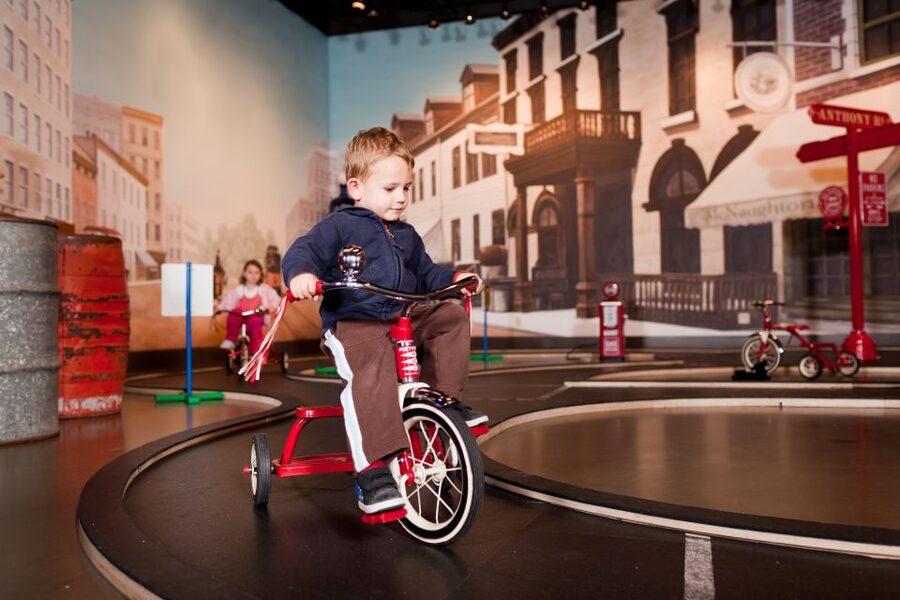
Because the museum is described as family-friendly, it’s a good place to keep everyone engaged without forcing anyone to sit still for long periods.
Who should book this admission
Book Gasoline Alley Museum admission if you:
- Like classic cars and older technology
- Enjoy industrial design details like signage and pumps
- Want a family-friendly history stop that’s easy to navigate
- Prefer a focused attraction that fits into a day in Calgary
You might skip it or add it only if you:
- Want a multi-attraction day across the whole Heritage Park site
- Are looking for something beyond a museum experience (food, shopping, or a larger village walkthrough are not included with this ticket)
Should you book Gasoline Alley Museum admission?
I’d book it if your ideal museum day includes restored vehicles plus real physical artifacts from the fuel world. For $10 and a 1-day admission window, it’s a practical choice that gives you more than one kind of viewing pleasure: cars for the eyes, pumps and signage for the details, and interpreters to connect it all into a story.
Skip it only if you’re mainly chasing the entire Heritage Park Historical Village experience in one go. If that’s your goal, consider planning your visit around general admission instead—especially during summer when Gasoline Alley Museum is included.
FAQ
Where is the meeting point for Gasoline Alley Museum admission?
The museum is at 1900 Heritage Dr SW, Calgary, AB T2V 1R1, Canada. If you’re using public transportation, a shuttle bus is available from the Heritage LRT Station.
How long is the admission valid?
This ticket is valid for 1 day from first activation.
What’s included with admission?
Admission to Gasoline Alley Museum is included, along with on-site interpreters.
What isn’t included in the ticket?
The ticket does not include access to other attractions of the Heritage Park Historical Village, and it does not include food and drinks or souvenirs.
Are pets allowed?
No, pets are not allowed.
Is the museum wheelchair accessible?
Yes, it is wheelchair accessible.